Berman Commons offers a premium living experience, with its monthly rates reflecting the high-quality amenities and services provided. For a studio apartment, residents can expect to pay $4,600, significantly higher than the average costs in Fulton County and across Georgia, which are approximately $3,618 and $3,520 respectively. Similarly, the one-bedroom option is priced at $5,680, again surpassing the county's rate of $3,411 and the state average of $3,412. While Berman Commons may have higher costs compared to local and state averages, these prices align with its commitment to providing an exceptional lifestyle that goes beyond conventional living arrangements.
Floor plans
Berman Commons
Fulton County
Georgia
Studio
$4,600
$3,618
$3,520
1 Bedroom
$5,680
$3,411
$3,412
Memory care communities with a similar price nearby
Residents and families repeatedly describe staff members as kind and attentive.
Across many reviews, families emphasize that caregivers treat residents with kindness and personal attention, often describing the experience as feeling like family. Multiple reviewers also say the team is responsive when concerns come up and that leadership stays involved in day-to-day well-being. A few reviews are negative about staff turnover, communication, or follow-through, especially in memory care, but the overall tone in the bulk of comments is supportive care.
common18 reviews mention this
Activities keep residents engaged
Daily engagement shows up frequently in residents’ routines and family observations.
Many reviewers point to a steady calendar of activities and social opportunities, including music and community events, that help residents stay active. Several comments also describe residents making friends and becoming more settled after moving in. A few reviews criticize engagement—particularly in memory care—saying activities were limited or did not meet expectations, including mentions of daily bingo no longer being offered.
common15 reviews mention this
Dining centers on kosher meals
Kosher dining is a core part of the experience families mention.
Residents and families frequently comment on the food, with many calling it good or enjoyable and noting professionally prepared meals. Reviews also reference restaurant-style dining in shared spaces and, in some cases, meal options tailored to preferences or restrictions. There are also a few food-related caveats, including concerns about meal variety or dining-room service changes tied to COVID.
caveat8 reviews mention this
Memory care draws mixed feedback
Memory care quality is inconsistent, with repeated concerns about staffing and decisions.
While some families say the memory unit staff provide excellent care and patience, other reviewers raise serious concerns. Negative themes include staff turnover, short staffing, lack of responsiveness, and communication problems, including difficulties reaching the community remotely. A small number of reviews also describe pressure to move into memory care and disputes about whether that level of care matched a resident’s medical needs.
caveat2 reviews mention this
Pricing runs above local benchmarks
The posted rates are higher than both county and state reference pricing.
Pricing is described as above county and state levels for both studios and one-bedroom apartments. Families who are comparing options may want to factor that into their budget before touring or selecting a care level. Some reviewers also mention added charges in the context of care and services, which can make total costs feel less predictable for families managing longer stays.
How we summarize
Counts show how many written reviews mention each theme; a review can touch several themes, and only frequently mentioned themes are displayed.
Features
Housing
120 resident community capacity
1-bedroom apartments
Studio apartments
Types of Care
Assisted Living
Memory Care
Pets
Cats allowed
Dogs allowed
Amenities
Activities off-site
Activities on-site
Air-conditioning
Beautician on-site
Beauty salon
Cable or satellite TV
Computer center
Devotional services off-site
Devotional services on-site
Dining room
Fitness room
Fully furnished
Gaming room
Garden
Ground floor units
Handicap accessible
Housekeeping services
Indoor common areas
Kitchenette
Move-in coordination
Outdoor common areas
Outdoor space
Private bathrooms
Respite or short term stays offered
Restaurant-style dining
Small library
Telephone
Wellness center
Wheelchair accessible showers
Wi-Fi/high-speed internet available
Transportation
William B Hartsfield-Atlanta International (22 miles away)
Community operated transportation
Transportation arrangement
Transportation arrangement (non-medical)
Transportation to doctors appointments
Care Services
12-16 hour nursing
24-hour call system
24-hour supervision
Activities of daily living assistance
Assistance with bathing
Assistance with dressing
Assistance with transfers
Diabetes diet
Diabetic care
High acuity care
Incontinence care
Meal preparation and service
Medication management
Mental wellness program
Special dietary restrictions
Dining
Diabetes diet
Guest meals
Kosher
Low / no sodium
Meals provided
No Sugar
Professional chef
Restaurant style dining
Room service
Special dietary restrictions
Special dining programs
Vegan
Vegetarian
Activities
Art classes
Community-sponsored activities
Concierge services
Cooking classes
Day trips and outings
Devotional activities offsite
Devotional activities on-site
Educational speakers / life long learning
Fitness programs
Happy hour
Jewish services
Karaoke
Live musical performances
Live well programs
Planned day trips
Resident-run activities
Scheduled daily activities
Visiting Rabbi
Visiting chaplain or priest
Nearby Places of Interest
Located in the vibrant city of Dunwoody, Georgia, this area offers a variety of amenities perfect for senior living. With several parks nearby, such as Georgetown Park and Morgan Falls Overlook Park, residents can enjoy nature and outdoor activities. There are also numerous healthcare options available, including Georgia Clinic and Northside Hospital, ensuring easy access to medical services. The neighborhood boasts a range of dining options, from fast-food chains like McDonald's to cafes like Starbucks. Places of worship such as North Atlanta Church of Christ and transportation hubs like MARTA stations provide convenience and community connections. Overall, this part of Dunwoody offers a comfortable and convenient lifestyle for seniors looking to settle down in a welcoming community.
Parks
Georgetown Park (0.8 miles)
Morgan Falls Overlook Park (4.7 miles)
Peachtree Corners Town Green (5.8 miles)
Henderson Park (6.8 miles)
Briarlake Forest Park (7.2 miles)
Physicians
Georgia Clinic (1.1 miles)
Test 4 Free (2.5 miles)
Georgia Clinics (3.2 miles)
Mount Vernon Medical Center (3.5 miles)
Southeastern Endocrine & Diabetes PC (5.2 miles)
Weiss ENT (6.4 miles)
Northlake Emory (7.1 miles)
Pharmacies
CVS Pharmacy (1.7 miles)
Walgreens (1.8 miles)
Walmart Pharmacy (1.8 miles)
CVS Pharmacy (2.7 miles)
Walgreens (3.2 miles)
Walgreens (3.4 miles)
Walgreens (3.7 miles)
Restaurants
McDonald's (2.2 miles)
Alon's Bakery & Market (2.2 miles)
Chick-Fil-A (2.6 miles)
Sushi Mito (3 miles)
Chick-Fil-A (3.1 miles)
Chick-Fil-A (3.2 miles)
McDonald's (3.6 miles)
Cafes
Starbucks (2.5 miles)
Starbucks (3.2 miles)
White Windmill Bakery and Cafe (3.2 miles)
Starbucks (6.6 miles)
Panera Bread (7 miles)
Places of Worship
North Atlanta Church of Christ (2.6 miles)
Embry Hills Church of Christ (4.9 miles)
Christ Church Episcopal (4.9 miles)
St Brigid Catholic Church (6 miles)
St John United Methodist Church (7.1 miles)
Congregation Etz Chaim (7.9 miles)
Perimeter Church (7.9 miles)
Transportation
MARTA - Doraville Station (3.2 miles)
Epps Aviation (4.6 miles)
Brookhaven/Oglethorpe University MARTA Rail Station (6.1 miles)
Hospitals
Northside Hospital (3.7 miles)
Children's Healthcare of Atlanta at Scottish Rite Hospital (3.9 miles)
Berman Commons offers a premium living experience, with its monthly rates reflecting the high-quality amenities and services provided. For a studio apartment, residents can expect to pay $4,600, significantly higher than the average costs in Fulton County and across Georgia, which are approximately $3,618 and $3,520 respectively. Similarly, the one-bedroom option is priced at $5,680, again surpassing the county's rate of $3,411 and the state average of $3,412. While Berman Commons may have higher costs compared to local and state averages, these prices align with its commitment to providing an exceptional lifestyle that goes beyond conventional living arrangements.
The comprehensive care features at Berman Commons are designed to support residents with the complexities of dementia and Alzheimer's disease through tailored assistance that enhances their daily living. Round-the-clock supervision ensures safety and a secure environment, allowing individuals to navigate their surroundings with confidence. Assistance with activities of daily living, including bathing and dressing, promotes dignity while addressing the physical challenges posed by cognitive decline. Support during transfers aids mobility, reducing the risk of falls and further complications. Incontinence care provides essential hygiene management, preserving both comfort and respect. Nutritional needs are met through meal preparation and service, catering to dietary preferences while encouraging social interaction during mealtimes. Medication management is crucial for maintaining health stability, ensuring timely adherence to prescribed therapies. Lastly, a dedicated mental wellness program fosters cognitive engagement through stimulating activities that enhance quality of life, supporting emotional well-being and fostering connections among residents. Together, these features create a holistic approach to memory care that prioritizes safety, dignity, and mental stimulation.
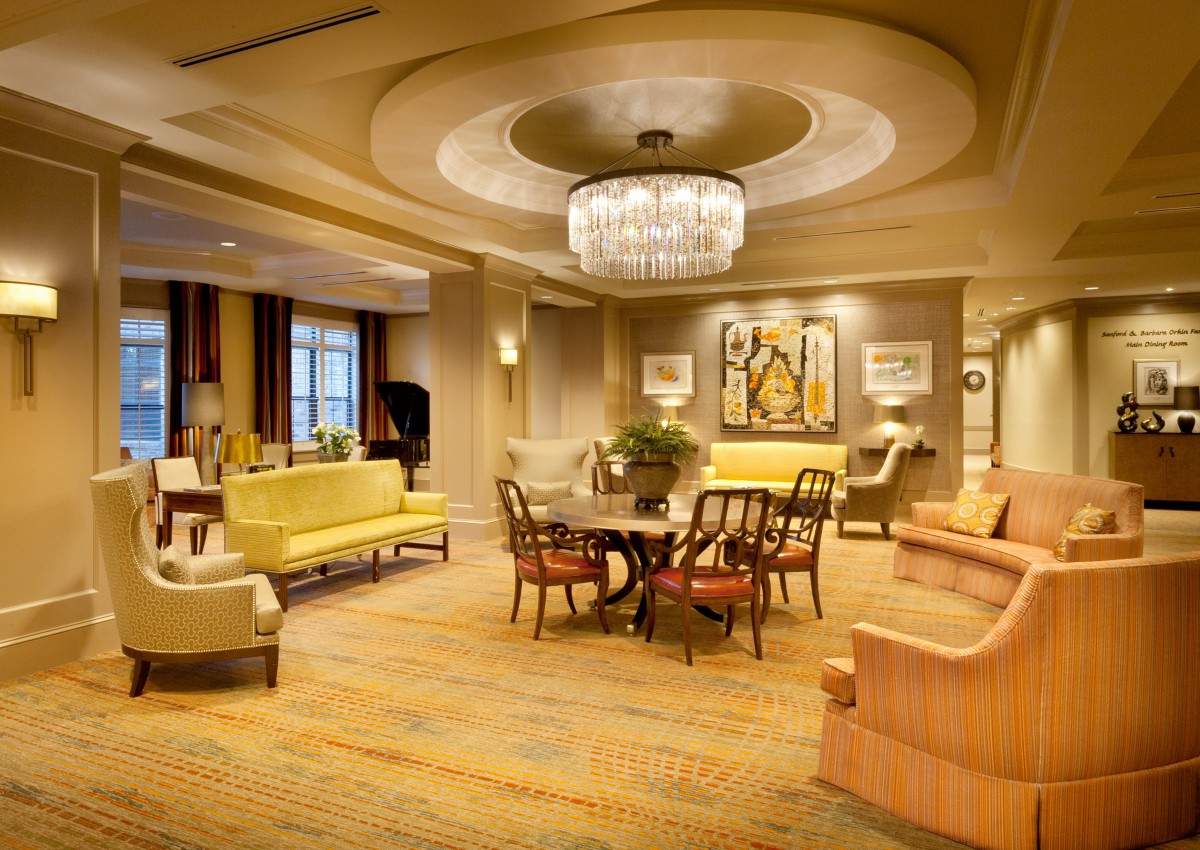
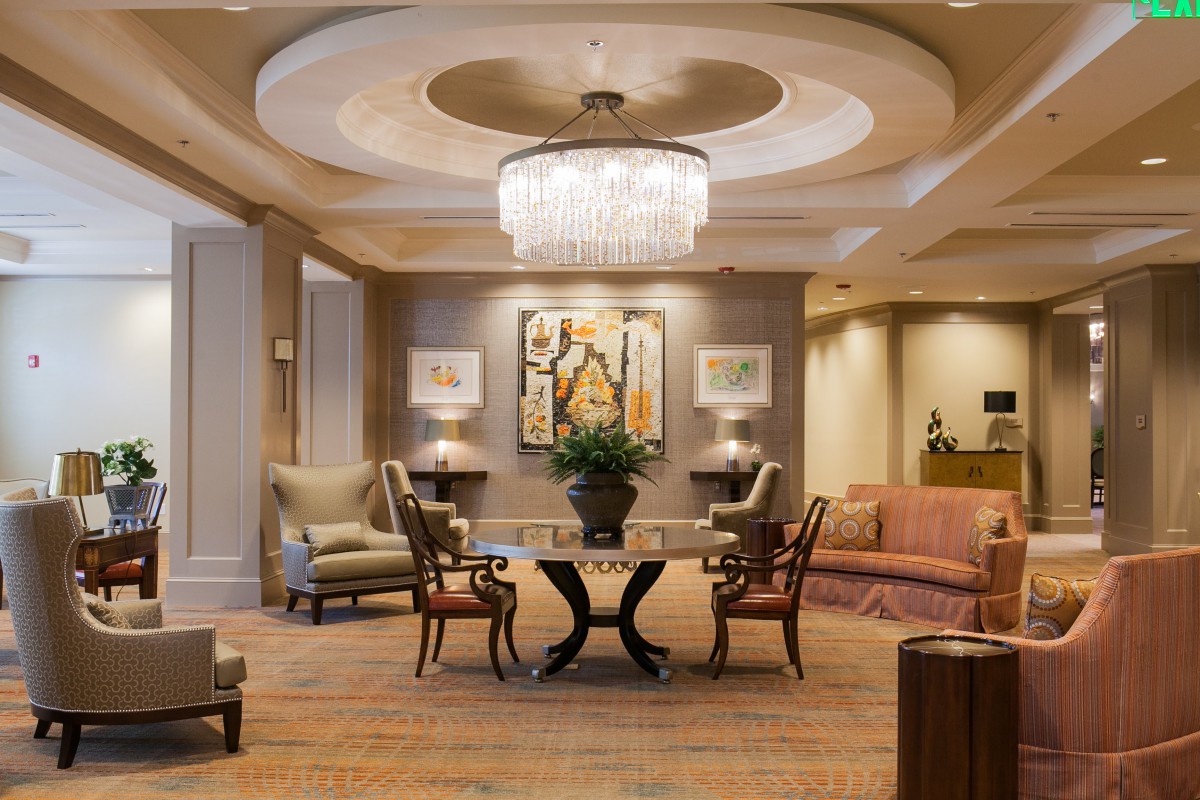
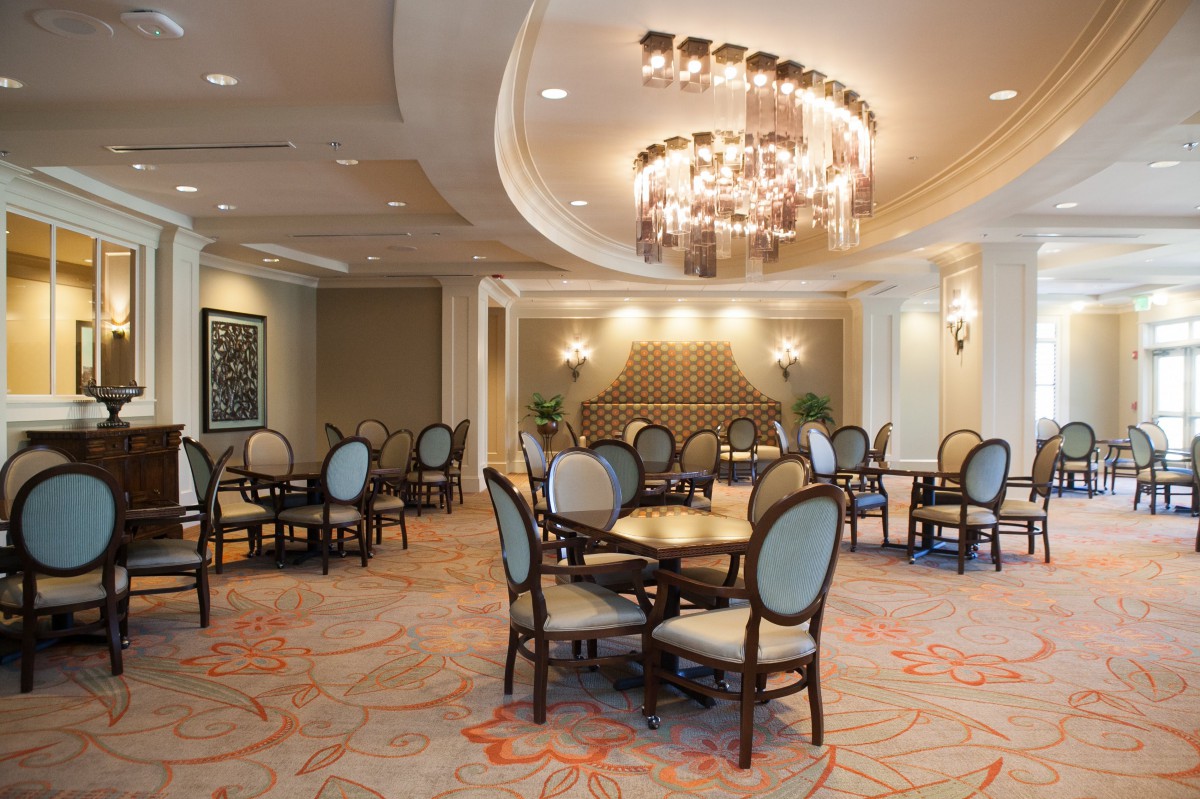
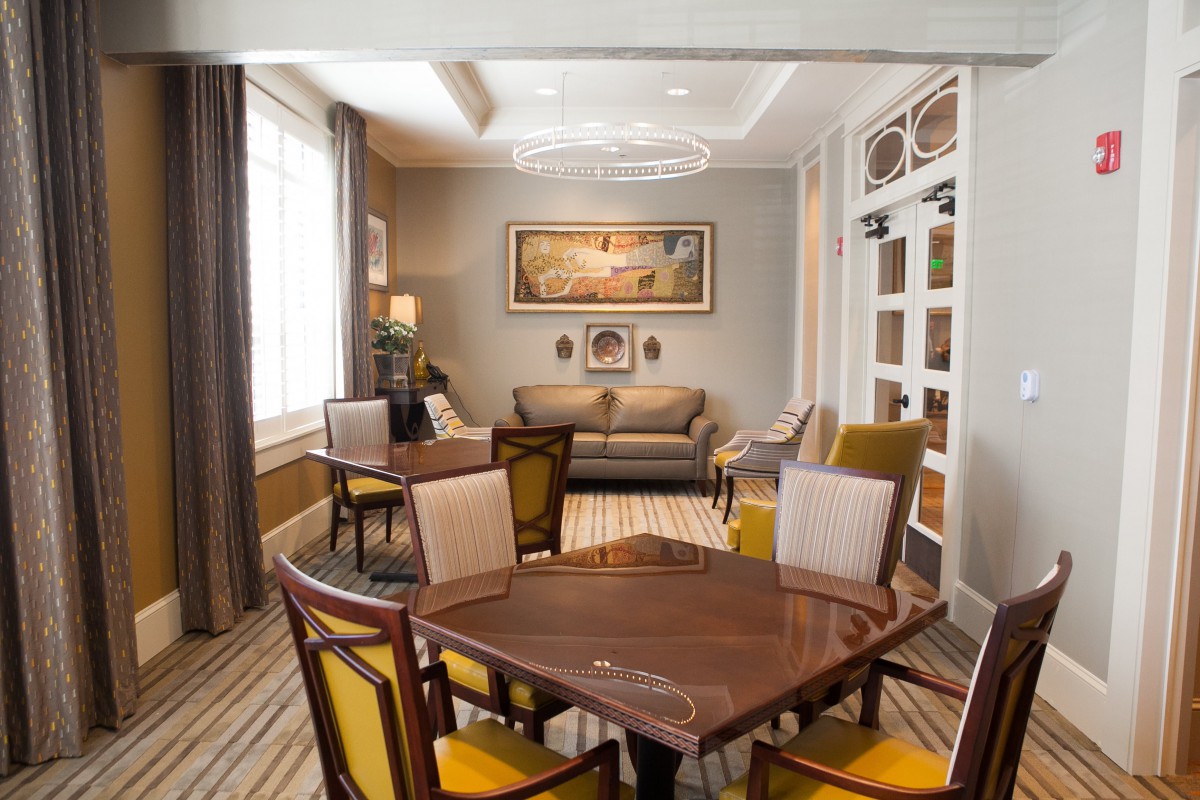
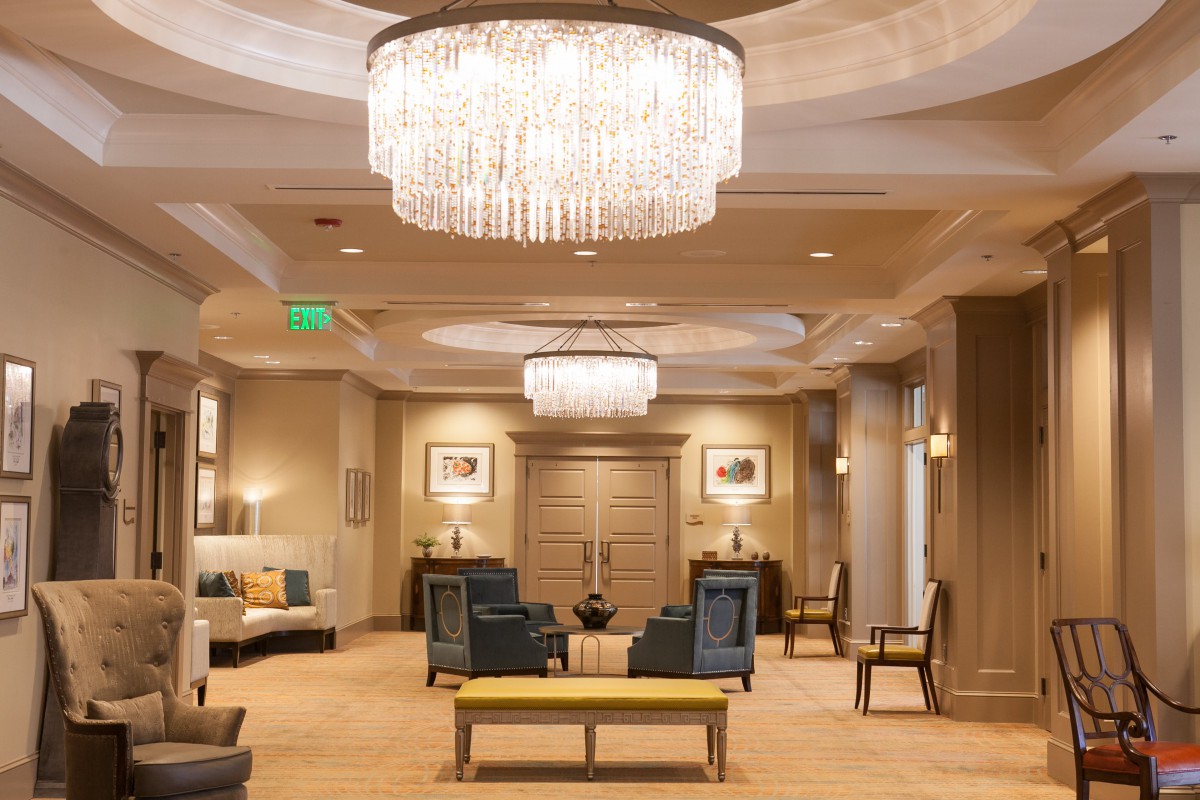
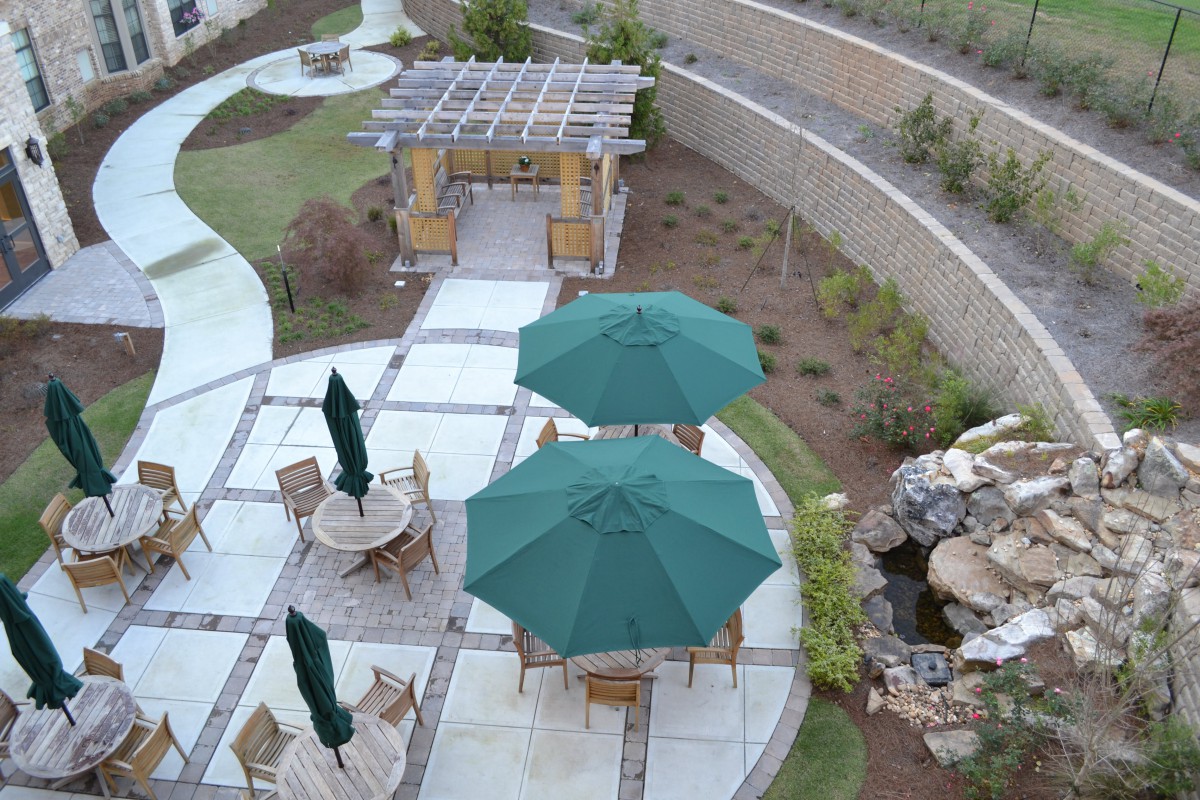
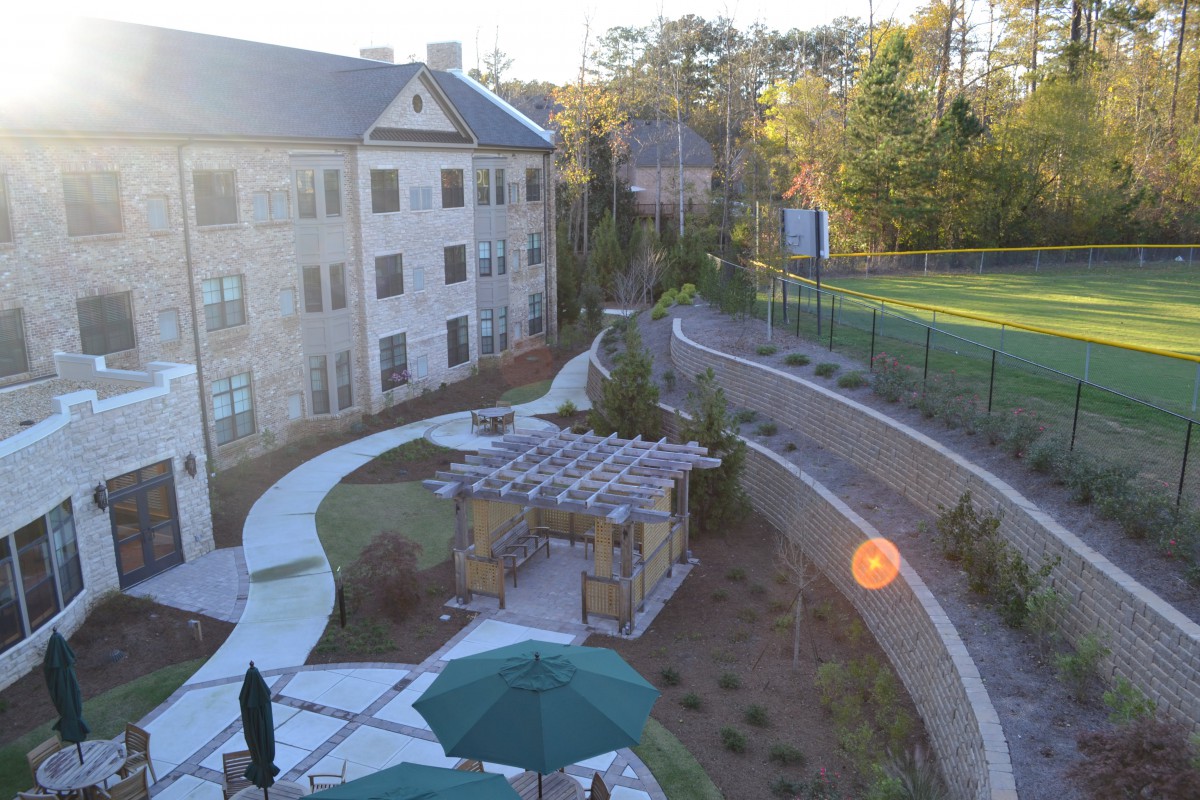
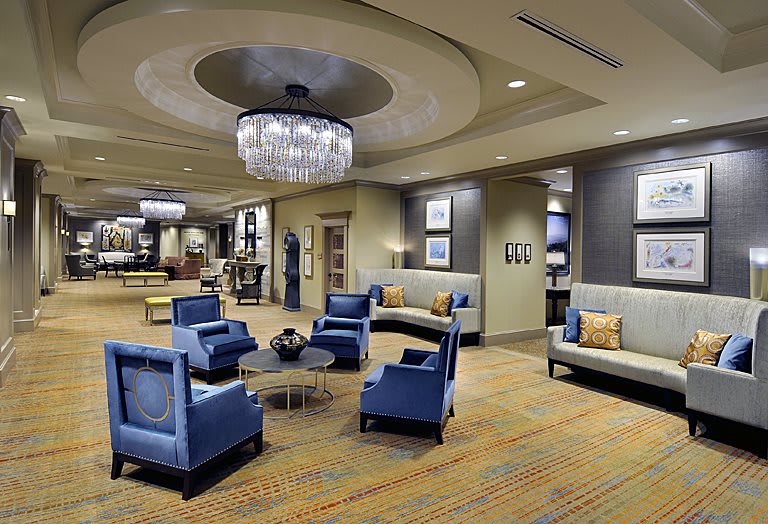
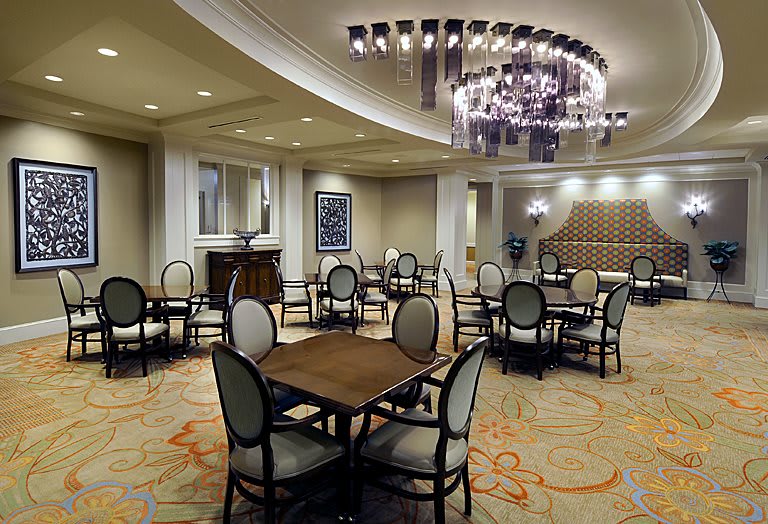
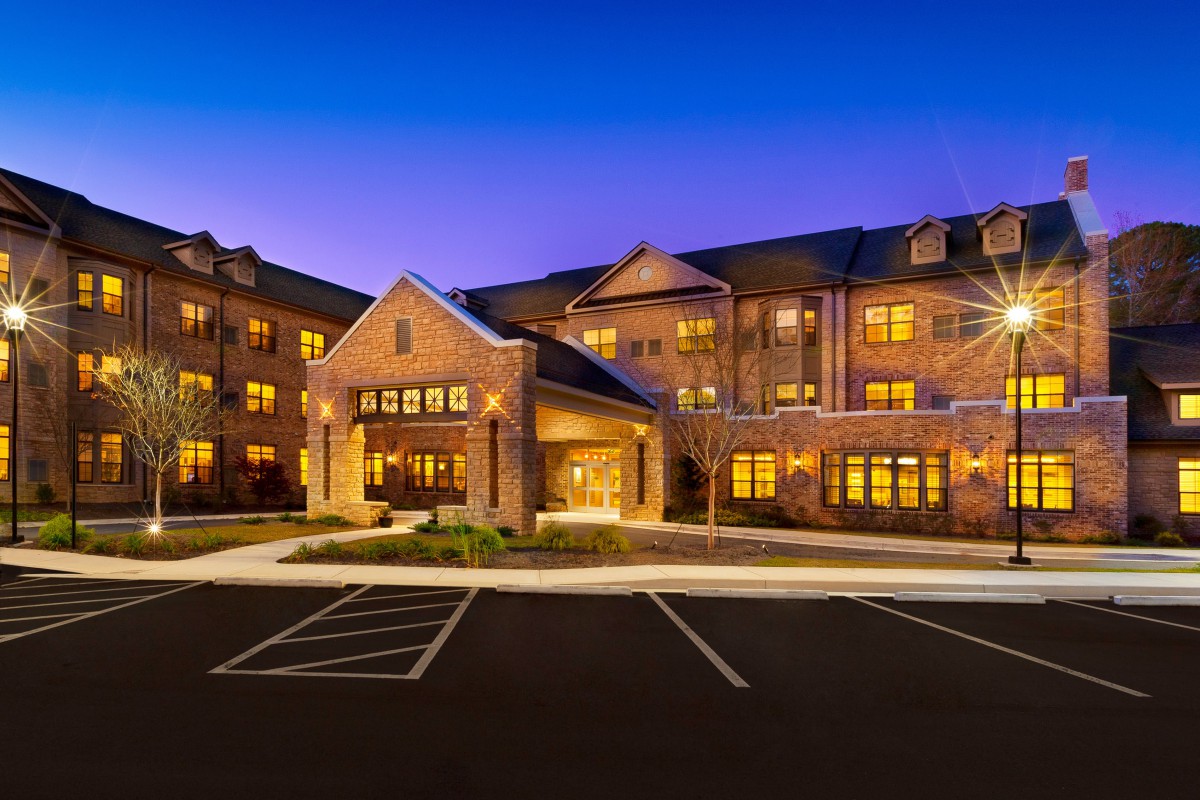
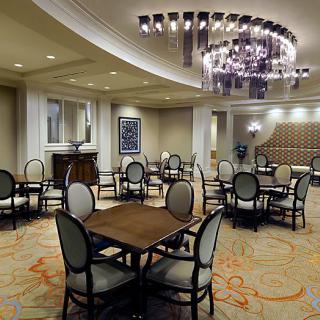
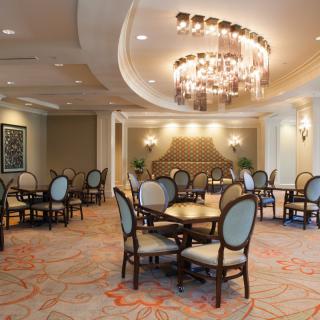
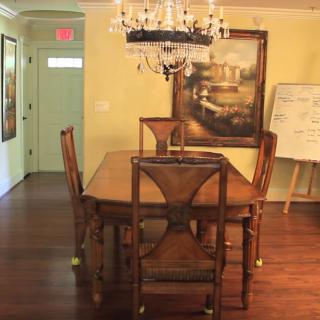
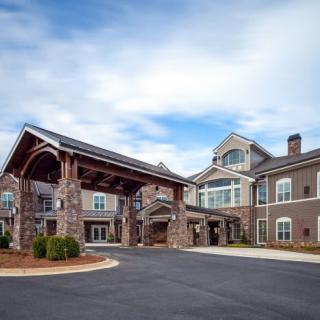
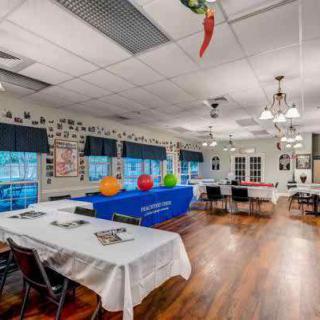
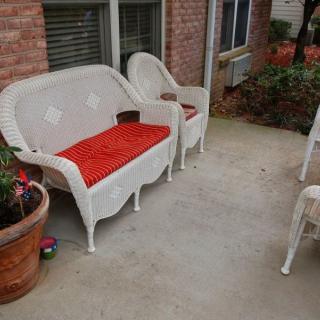
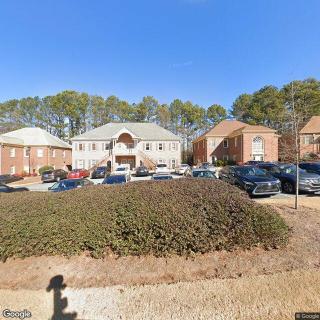
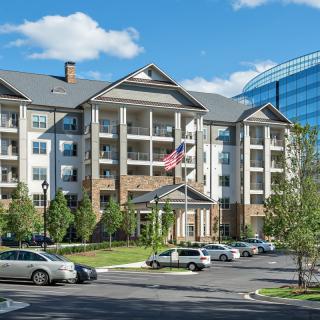
Berman Commons on seniors.fyi includes 14 photos including images showing interior, chandelier, seating area, lobby, decor, artwork, architecture, dining, and more.
Nearby Communities
Independent Group Residence 3
Atlanta, GA
Small, intimate board-and-care with personalized care and comprehensive support (ADL, meals, meds, transportation).
Summers Landing Tilly Mill
Dunwoody, GA
2.7 from 7 reviews
Comprehensive assisted living with 24-hour supervision, medication management, and restaurant-style dining.
Country Gardens of Dunwoody
Dunwoody, GA
4.4 from 48 reviews
$2,195 to $3,095 / month
Clean, caring staff in a cozy, home-like setting with strong dining and activities.
The Cottage At Plantation South
Atlanta, GA
4.9 from 29 reviews
24-hour supervision with medication management in a homelike cottage
Kadan Homecare
Dunwoody, GA
4.1 from 55 reviews
Excellent access to nearby amenities and medical facilities.
Walden Residential - Dunwoody Ga
Atlanta, GA
5 from 5 reviews
Comprehensive care with 24/7 supervision, ADL assistance, medication management, and convenient amenities.
The Mansions at Sandy Springs
Peachtree Corners, GA
4.8 from 18 reviews
$4,550 to $6,990 / month
Caring staff and engaging activities in a clean, upscale setting.
Somerby Sandy Springs
Sandy Springs, GA
4.5 from 122 reviews
$4,700 to $6,100 / month
Dedicated staff in a well-maintained, activity-rich community.
Transitioning from assisted living to memory care is driven by an individual's cognitive decline and specific needs, requiring careful evaluation of indicators like increased confusion and wandering. The process involves consulting medical professionals, researching suitable communities, considering financial and legal aspects, and ensuring effective communication for personalized care plans.
The article differentiates between assisted living and memory care, explaining that assisted living supports seniors with daily activities while promoting independence, whereas memory care provides specialized services for individuals with dementia, focusing on secure environments and cognitive support. It also addresses staff training, safety considerations, costs, family involvement, and transition strategies for families navigating these care options.
The article outlines effective communication strategies for interacting with loved ones with dementia, highlighting the need for empathy, patience, and understanding while emphasizing supportive approaches like using simple language, minimizing distractions, and focusing on feelings over facts to maintain dignity and foster connection. It also suggests seeking professional guidance when needed as communication challenges evolve.
Get PricingAsk A QuestionSchedule A TourContact Senior Advisor
By clicking submit, you agree to our Partner's Terms of Use. You
also consent to receive calls and texts, which may be autodialed, from our Partner. Your consent is not a condition to
using our Partner's service. Please visit our Partner's Privacy Policy for information about their privacy practices.










 120 resident community capacity
 1-bedroom apartments
 Assisted Living
 Memory Care
 Cats allowed
 Dogs allowed
 Activities off-site
 Air-conditioning
 Beautician on-site
 Cable or satellite TV
 Computer center
 Devotional services off-site
 Dining room
 Fitness room
 Fully furnished
 Gaming room
 Garden
 Ground floor units
 Handicap accessible
 Housekeeping services
 Indoor common areas
 Kitchenette
 Move-in coordination
 Outdoor common areas
 Private bathrooms
 Respite or short term stays offered
 Restaurant-style dining
 Small library
 Telephone
 Wellness center
 Wheelchair accessible showers
 Wi-Fi/high-speed internet available
 William B Hartsfield-Atlanta International (22 miles away)
 Community operated transportation
 12-16 hour nursing
 24-hour call system
 Assistance with bathing
 Assistance with dressing
 Assistance with transfers
 Diabetes diet
 Diabetic care
 High acuity care
 Incontinence care
 Medication management
 Mental wellness program
 Special dietary restrictions
 Art classes
 Concierge services
 Cooking classes
 Day trips and outings
 Educational speakers / life long learning
 Happy hour
 Jewish services
 Karaoke
 Live musical performances
 Visiting chaplain or priest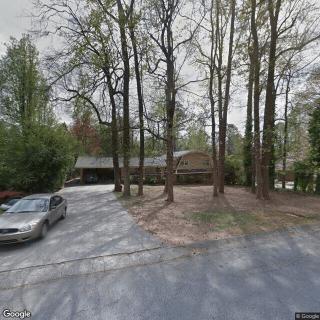
 Small, intimate board-and-care with personalized care and comprehensive support (ADL, meals, meds, transportation).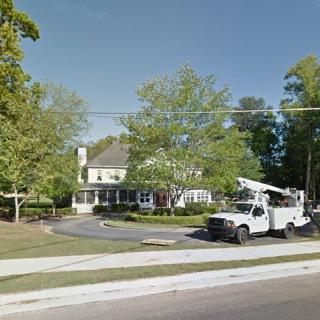



 When to Transition from Assisted Living to Memory Care: Key Indicators, Steps, and Finding the Right Community
 Understanding the Distinctions: Assisted Living and Memory Care Explained
 How to Communicate with a Loved One Living with Dementia: 10 Supportive Strategies