
100 S Dixie Hwy #300, West Palm Beach, FL 33401
To contact a resident: (561) 922-3334
For more information about senior living options: (866) 208-4318
Overall Review of Preferred Care of West Palm Beach
Pros
 The staff at Preferred Care of West Palm Beach demonstrates exceptional service, care, professionalism, and compassion.
- Amy makes clients feel at ease and is highly responsive to questions.
- The company goes above and beyond, with easy communication and genuine comfort and understanding.
- Amy consistently ensures someone is available to drive and assist, even on short notice.
- Families feel supported during tough times thanks to Amy's care and compassion.
- Dr. Jack Rosenzweig and his team are attentive, reliable, and available to answer questions.
- The organization treats clients like family and provides peace of mind to hardworking caregivers.
Cons
 They wished they could give them zero stars.
- They felt the company never answered the phone.
- Amy Thomas was described as very unprofessional.
Review
Preferred Care of West Palm Beach is best suited for families that want dependable in-home senior care that keeps a loved one at home, with a clear emphasis on hands-on support, transportation coordination, and dementia-sensitive routines. The program shines when rapid, personal communication matters and when care teams must plug into hospital-to-home transitions or ongoing appointment management. It is especially strong for relatives facing dementia care, recent hospital discharges, or medical complexities requiring flexible scheduling and true after-hours responsiveness. Leadership and frontline staff deliver a family-first approach, with Amy serving as a central, accessible point of contact and caregivers who can become a familiar, trusted presence.
The major positives revolve around availability, professionalism, and genuine compassion from the leadership and caregiving team. Amy stands out as thorough and easy to reach, consistently going beyond standard expectations by answering questions, coordinating rides, and ensuring someone is there when last-minute needs surface. The team has arranged rides to appointments, provided extended support, and offered bilingual staff to calm clients and families. The ownership, notably Dr. Jack Rosenzweig, is repeatedly described as approachable and responsive, available to answer questions and offer guidance. In practice, families feel treated as part of a caring extended family rather than a transactional service, reducing the stress of care management during difficult times.
Yet a single critical voice notes a potential Achillesā€™ heel: phone accessibility can be uneven, contradicting the otherwise high-touch impression. That review highlights a real risk of gaps if a primary contact becomes unavailable, underscoring the need for clear, documented contact protocols and a designated coordinator so families can count on dependable communication. While most accounts describe after-hours responsiveness and frontline reliability, no arrangement is perfectly flawless. Families should conduct due diligence by confirming who the primary point of contact will be, and by agreeing on written expectations for after-hours reach and escalation.
Even with this caveat, the strengths tend to outweigh the risks for most families. The ability to mobilize a caregiver quickly, the seamless transportation coordination, and the compassionate leadership from Amy and Dr. Rosenzweig translate into real peace of mind when a loved one has dementia, experiences a fall, or needs help keeping medical appointments. Care plans tend to be personalized, with attention to continuity of caregivers and empathetic crisis support, a package that matters far more than glossy marketing. For households prioritizing staying at home, minimizing hospital readmissions, and maintaining a familiar routine, the practical benefits are substantial, provided upfront clarity on contact procedures is secured.
For those who require guaranteed 24/7 live-in supervision or a more structured environment, alternatives should be explored. A traditional assisted living or memory care community in West Palm Beach offers built-in programming and 24/7 oversight that some families prefer for long-term residency. Other home-care providers with explicit 24/7 coverage guarantees and dedicated care coordinators may also fit language or cultural needs more precisely. Before committing, insist on pricing transparency, a written care plan, and an explicit escalation path for concerns. If the goal is to transition from hospital to home with strong advocacy and a personal touch, Preferred Care of West Palm Beach remains a compelling option, yet it may function best as part of a broader planning strategy that includes a facility option if 24/7 on-site supervision becomes essential.
Overall, Preferred Care of West Palm Beach represents a solid, practical choice for families seeking dependable in-home assistance with a compassionate, hands-on leadership team and a track record supporting dementia care and hospital-to-home transitions. The combination of accessible ownership, responsive scheduling, and a caregiver cadre capable of traveling, accompanying, and advocating offers tangible relief in daily life and emergencies. To maximize outcomes, arrange an upfront meeting with Amy, request a detailed care plan and caregiver roster, confirm after-hours contact procedures, and verify language needs and any specialty expertise. If consistency in contact and a fixed care coordinator are non-negotiables, consider alternatives, but keep this agency in the running as a strong near-term option for in-home support.
 Palm Beach International (2 miles away)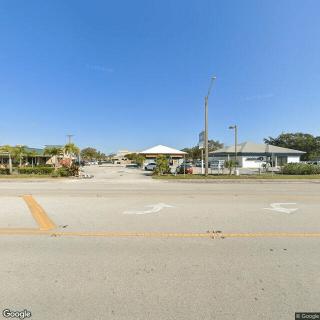





 Navigating Medicare Coverage for In-Home Care Services
 In-Home Care Costs in 2025: A Detailed State-by-State Exploration
 Understanding Home Health Care: A Comprehensive Guide