At The Windsor of Venice, the monthly costs reflect the premium amenities and services offered to residents. For a one-bedroom unit, the cost is $5,080, which positions it above the average for Sarasota County at $4,288 and significantly higher than the state average of $3,864. Similarly, the studio option is priced at $8,095, markedly exceeding both county and state figures of $4,040 and $3,823 respectively. These price differences suggest that while The Windsor of Venice commands a higher investment, residents may benefit from enhanced lifestyle offerings and quality care that can justify these elevated costs in comparison to neighboring options.
Floor plans
The Windsor of Venice
Sarasota County
Florida
1 Bedroom
$5,080
$4,288
$3,864
Studio
$8,095
$4,040
$3,823
Skilled Nursing Facilities with a similar price nearby
Families and residents consistently describe staff as caring, respectful, and attentive to individual needs.
Multiple residents and family members say the staff learn names and treat people with dignity, with some describing a quick sense of trust and “family-like” support. Several mentions focus on hands-on help with daily needs, nursing coordination, and following through so residents do not have to worry about basic care. A few reviews also describe staff communication with families as responsive, which helps reduce stress when loved ones need help.
differentiator14 reviews mention this
Around-the-clock care and call help
Residents and families mention continuous support and timely care when health needs change.
Several reviews highlight that nursing support is available around the clock, including mentions of 24-hour staffing and quick response from nurses/doctors when contacted. Families describe medication management and on-site evaluation as part of that support, and some say services adjusted as conditions declined. A few residents also mention having help available to prevent missed needs, while one reviewer still reports delays on call-bell response.
differentiator10 reviews mention this
Hospice and memory-care support
Residents needing memory or end-of-life support are described as receiving appropriate, coordinated care.
Families describe dementia care as a good fit for their loved ones, including comments about staff assessing needs and making the right move into memory care. Others describe end-of-life support in-room with hospice services, and note coordination with the hospice partner for palliative comfort and family guidance. While most feedback is positive about memory-care personalization, a small number of reviews raise concerns specific to memory care.
caveat12 reviews mention this
Dining is a mixed experience
Dining quality is repeatedly described as uneven, with some residents asking for improvements.
Some families describe meals as good to excellent, including mentions of dining choices and alternatives when someone dislikes what is being served. At the same time, several other reviews say the food is not great, sometimes calling it salty, institutional, or uneven in taste and quality. A few comments also point to limited options during meals, and one reviewer says they had to request help with how food was prepared.
common21 reviews mention this
Activities support social connection
Residents and families describe frequent activities that help people stay engaged socially.
Reviews repeatedly mention ongoing activities and social events, including games, holiday celebrations, live entertainment, and off-site outings. Families say the staff-supported programming helps residents make friends and feel connected, even when someone is not highly mobile. A few notes suggest engagement can vary by individual interests or care level, but overall the activity calendar and variety come through clearly.
caveat6 reviews mention this
Pricing feels high for some families
Some families feel the community is priced above what they expected.
Several reviews explicitly mention cost concerns, including one describing the pricing as too expensive compared with expectations. Another review contrasts the value against the amenities and overall experience, while a separate comment suggests it may be priced higher than nearby options. Despite these concerns, other families still recommend the community based on care and daily support.
How we summarize
Counts show how many written reviews mention each theme; a review can touch several themes, and only frequently mentioned themes are displayed.
Features
Housing
94 resident community capacity
1-bedroom apartments
2-bedroom apartments
Types of Care
Assisted Living
Memory Care
Skilled Nursing Facility
Pets
Cats allowed
Dogs allowed
Amenities
Activities off-site
Activities on-site
Air-conditioning
Beautician on-site
Beauty salon
Cable or satellite TV
Cafe
Computer center
Devotional services off-site
Devotional services on-site
Dining room
Financing advice
Fitness room
Fully furnished
Gaming room
Garden
Ground floor units
Guasts at mealtime
Guest parking
Handicap accessible
Home sale assistance
Housekeeping services
Indoor common areas
Kitchenette
Laundry
Move-in coordination
Outdoor common areas
Outdoor space
Overnight guests
Party space
Private bathrooms
Private cleaning services
Resident parking
Respite or short term stays offered
Restaurant-style dining
Small library
TV room
Telephone
VA Benefits Consultation
Wellness center
Wheelchair accessible showers
Wi-Fi/high-speed internet available
Transportation
Sarasota Bradenton International (25 miles away)
Community operated transportation
Transportation & parking
Transportation arrangement
Transportation arrangement (non-medical)
Transportation to doctors appointments
Care Services
12-16 hour nursing
24-hour call system
24-hour supervision
Activities of daily living assistance
Ambulatory care
Assistance with bathing
Assistance with dressing
Assistance with transfers
Coordination with health care providers
Dementia waiver
Diabetes diet
Diabetic care
Hospice care
Hospice waiver
Incontinence care
Meal preparation and service
Medication management
Mental wellness program
Mild cognitive impairment
Personal care assistants
Physical therapy
Special dietary restrictions
Specialized memory care programming
Transportation arrangement (medical)
Transportation to doctors appointments
Walking wheelchair assistance
Dining
Anytime dining
Diabetes diet
Guest meals
International cuisine
Low / no sodium
Meals provided
No Sugar
Professional chef
Restaurant style dining
Room service
Special dietary restrictions
Special dining programs
Activities
Activities off-site
Art classes
Arts and crafts
Book club
Catholic services
Community-sponsored activities
Concierge services
Cooking classes
Cooking club
Day trips and outings
Devotional activities offsite
Devotional activities on-site
Educational speakers / life long learning
Fitness programs
Games
Gardening club
Happy hour
Karaoke
Live musical performances
Live well programs
Planned day trips
Protestant services
Religious services
Resident-run activities
Scheduled daily activities
Stories
Tai Chi
Visiting chaplain or priest
Wii bowling
Languages Spoken
English
Nearby Places of Interest
This area of Venice, Florida offers convenient access to essential services such as pharmacies, physicians, hospitals, places of worship, restaurants, cafes, and theaters. With multiple pharmacies nearby like Winn-Dixie and CVS Pharmacy, seniors can easily access their medications and healthcare needs. There are also reputable physicians in the area including Coast Dermatology & Skin Cancer Center and Riverchase Dermatology for medical care. In terms of dining options, there is a variety of restaurants to choose from including Culver's and Applebee's. The proximity to the Rodriquez Charles Venice Healthpark Surgery Center provides peace of mind in case of any medical emergencies. Additionally, Brohard Paw Park & Beach is just a short drive away for leisurely walks or picnics with beloved pets. Overall, this area offers a combination of convenience and amenities that would make it a great choice for senior living.
Pharmacies
Winn-Dixie (1.4 miles)
CVS Pharmacy (1.9 miles)
Gulf Coast Scripts (2.2 miles)
CVS Pharmacy (2.4 miles)
Walgreens (2.8 miles)
CVS Pharmacy (2.9 miles)
Woods Pharmacy (3 miles)
Physicians
Coast Dermatology & Skin Cancer Center-Dr. Greg Neily (1.5 miles)
Riverchase Dermatology (1.5 miles)
Conroy Richard A MD PA (1.6 miles)
Riverchase Dermatology and Cosmetic Surgery (1.6 miles)
South County Heart Center (1.6 miles)
Florida Lakes Vein Center (1.6 miles)
James D Shortt MD (1.6 miles)
Hospitals
Rodriguez, Charles Venice Healthpark Surgery Center (1.6 miles)
At The Windsor of Venice, the monthly costs reflect the premium amenities and services offered to residents. For a one-bedroom unit, the cost is $5,080, which positions it above the average for Sarasota County at $4,288 and significantly higher than the state average of $3,864. Similarly, the studio option is priced at $8,095, markedly exceeding both county and state figures of $4,040 and $3,823 respectively. These price differences suggest that while The Windsor of Venice commands a higher investment, residents may benefit from enhanced lifestyle offerings and quality care that can justify these elevated costs in comparison to neighboring options.
The Windsor of Venice's comprehensive memory care services are designed to address the unique needs of residents with dementia or Alzheimer's disease through a range of supportive features. The availability of 24-hour supervision ensures that residents receive constant, attentive care, promoting safety and peace of mind. Assistance with activities of daily living--including bathing, dressing, and transfers--facilitates personal independence while maintaining dignity. By coordinating with healthcare providers and managing medications effectively, the facility ensures residents adhere to their health regimens seamlessly. The specialized programming tailored for memory care not only engages residents cognitively but also enhances their mental wellness through innovative activities. With physical therapy and assistance for mild cognitive impairment, residents have access to therapies that promote physical mobility and cognitive function. Incontinence care respects personal comfort while meal preparation and service cater to nutritional needs, further supporting overall well-being. Finally, arranging medical transportation helps streamline necessary visits to healthcare professionals, ensuring that all aspects of the residents' health are tended to without added stress.
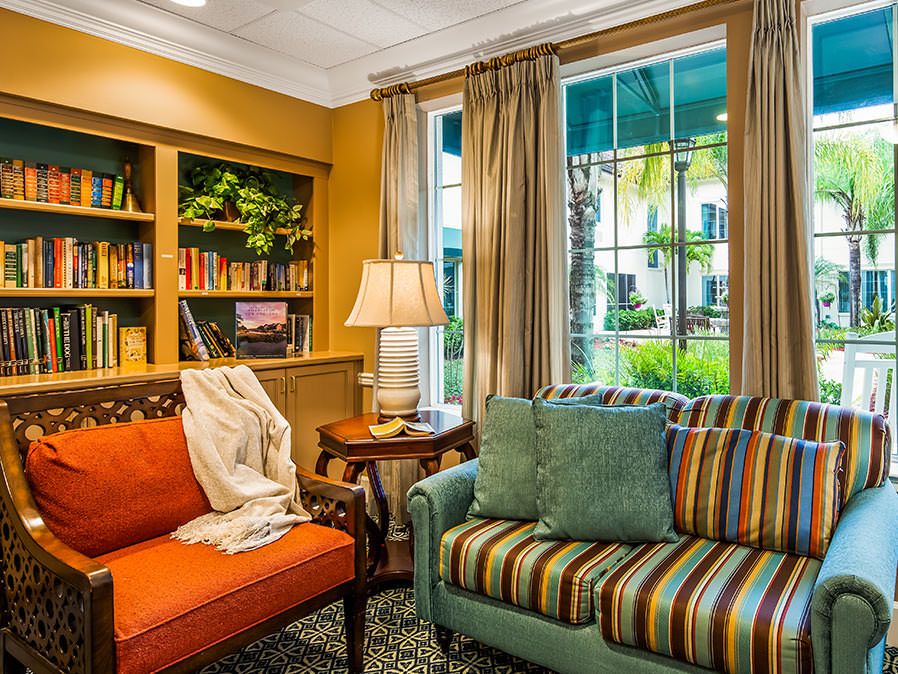
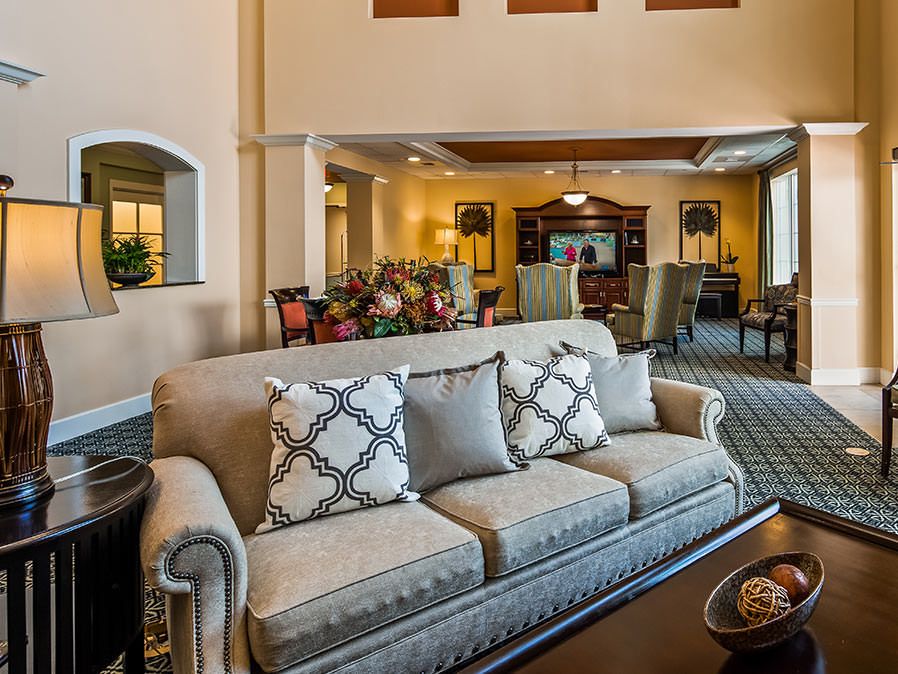
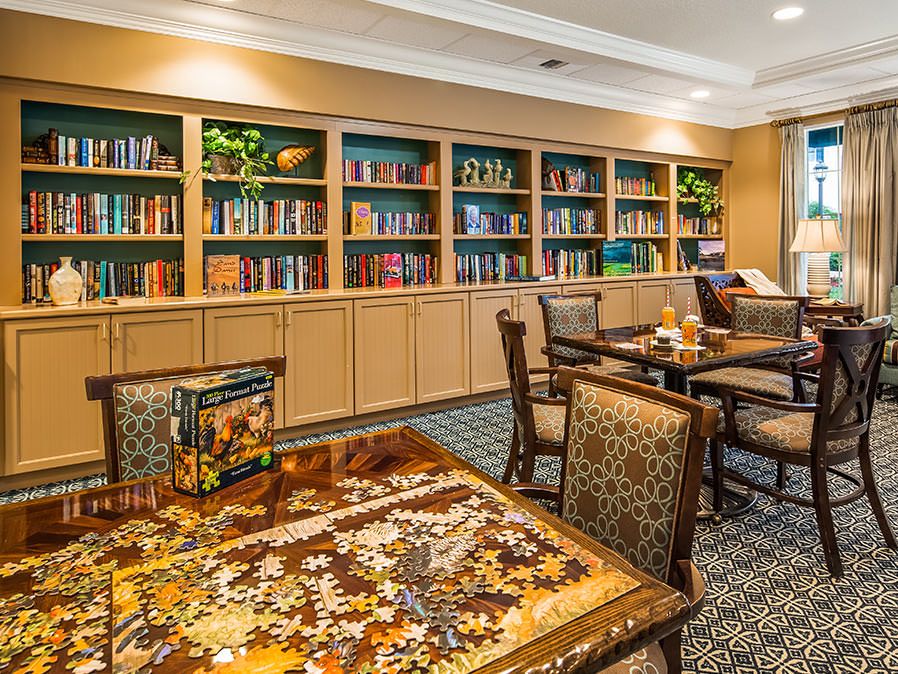
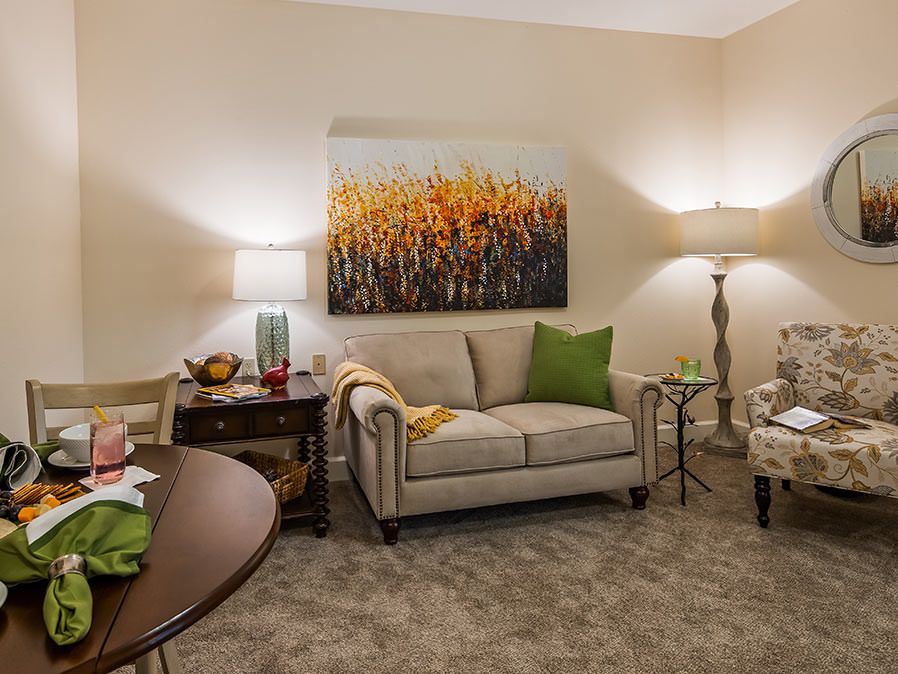
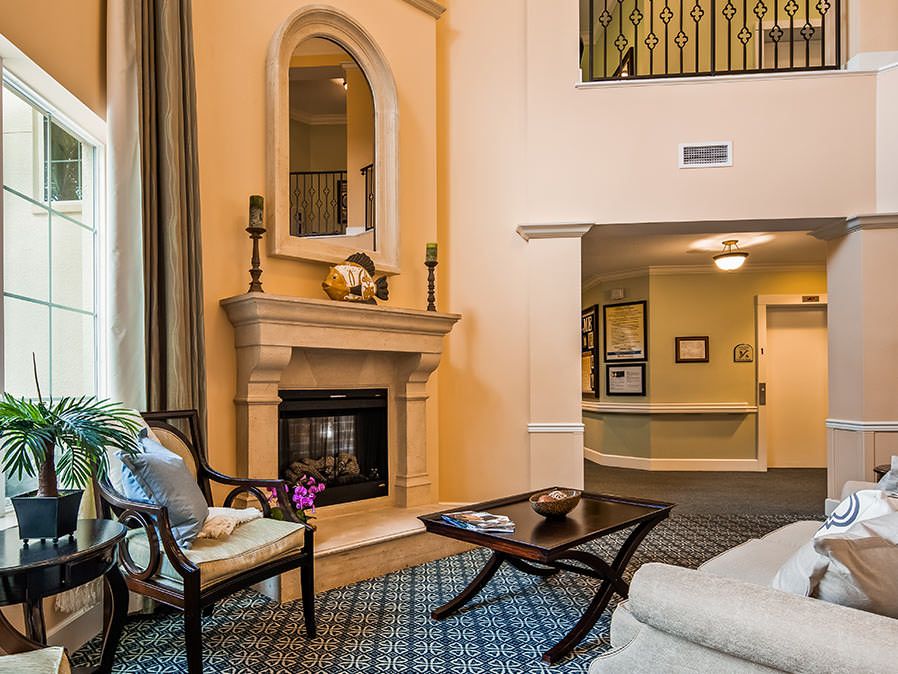
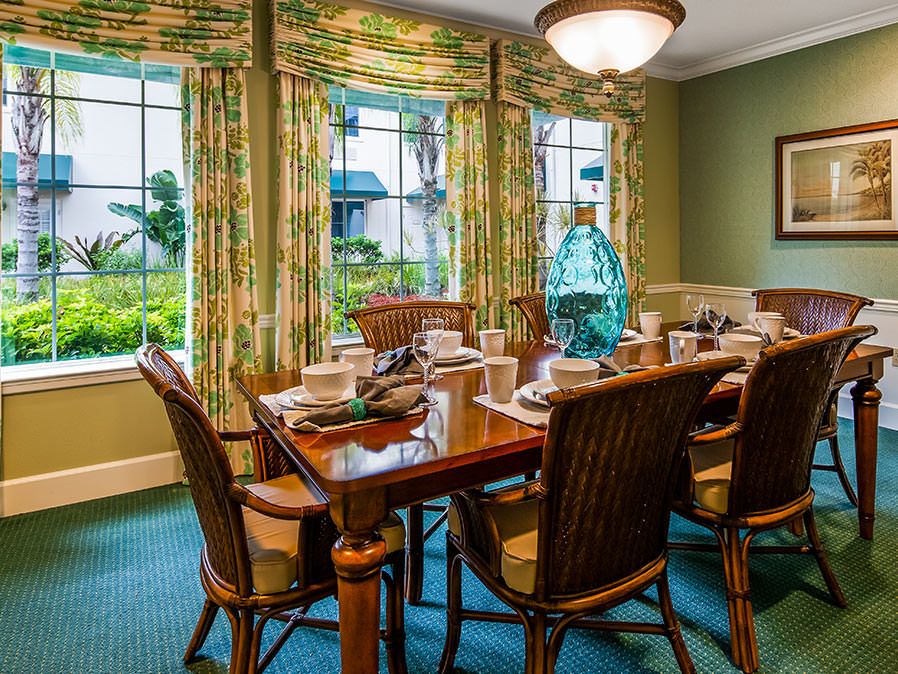
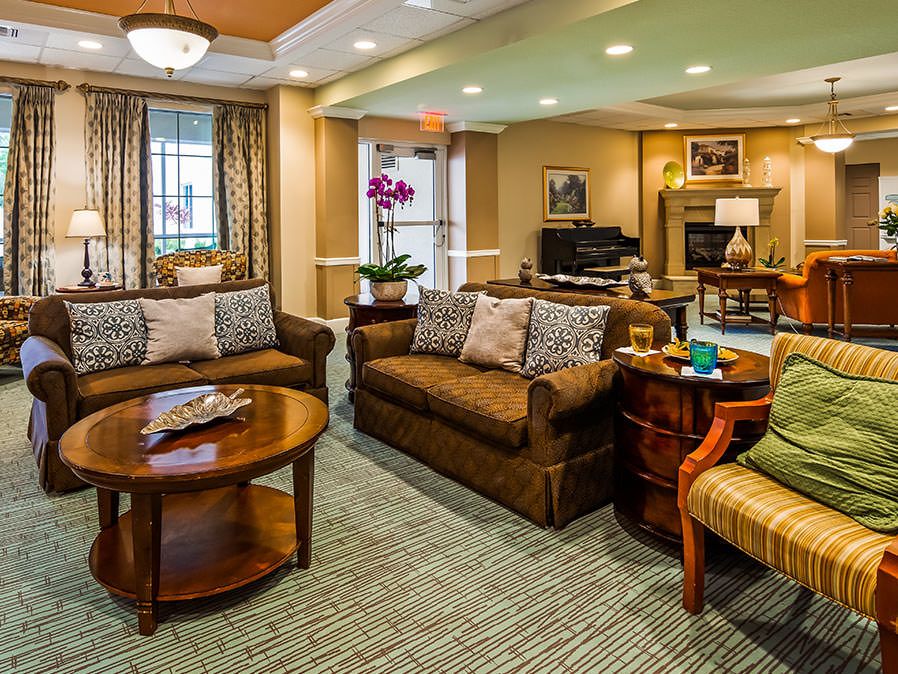
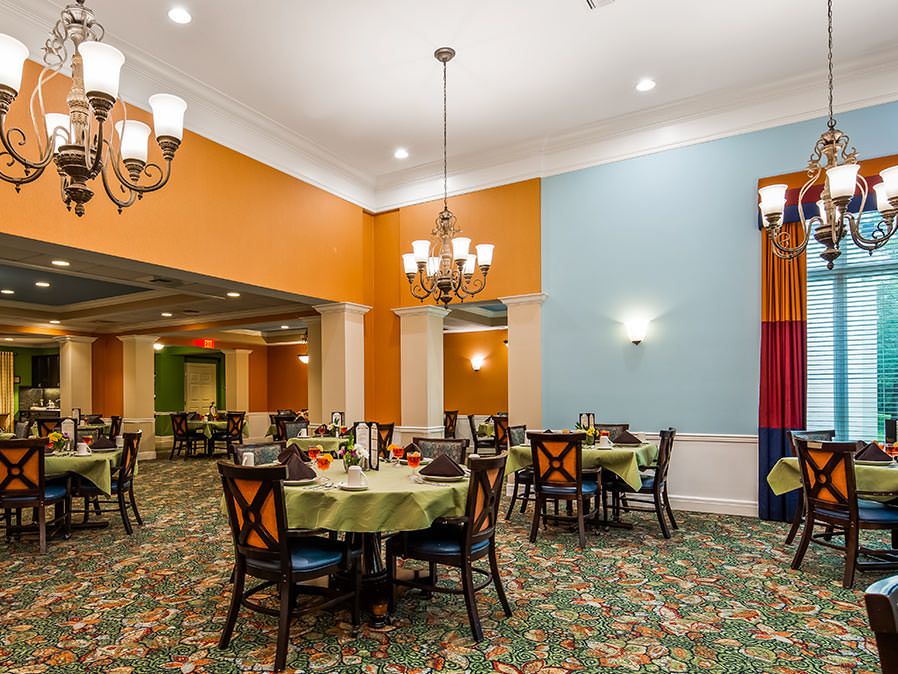
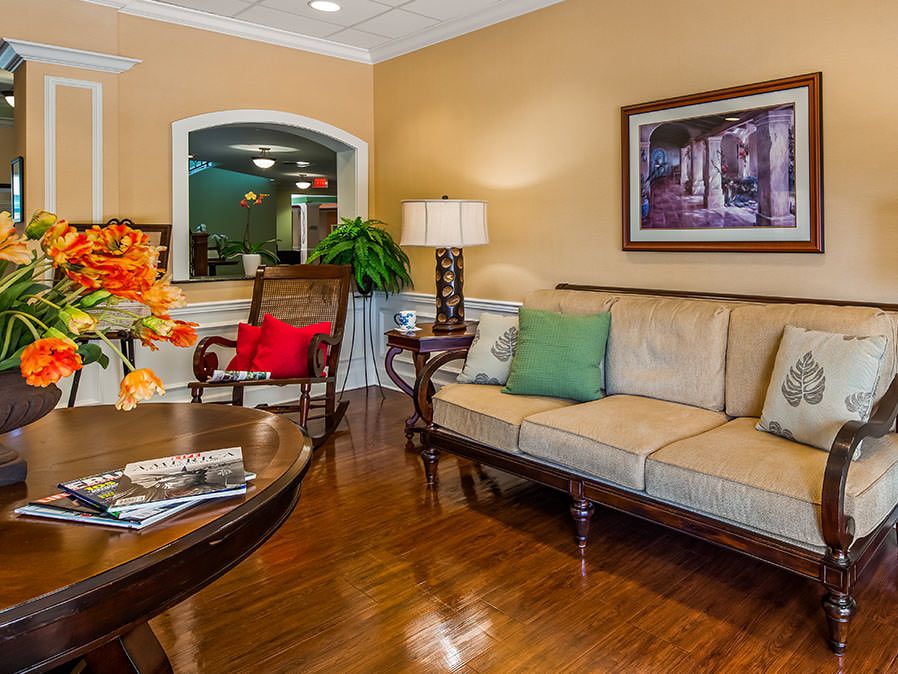
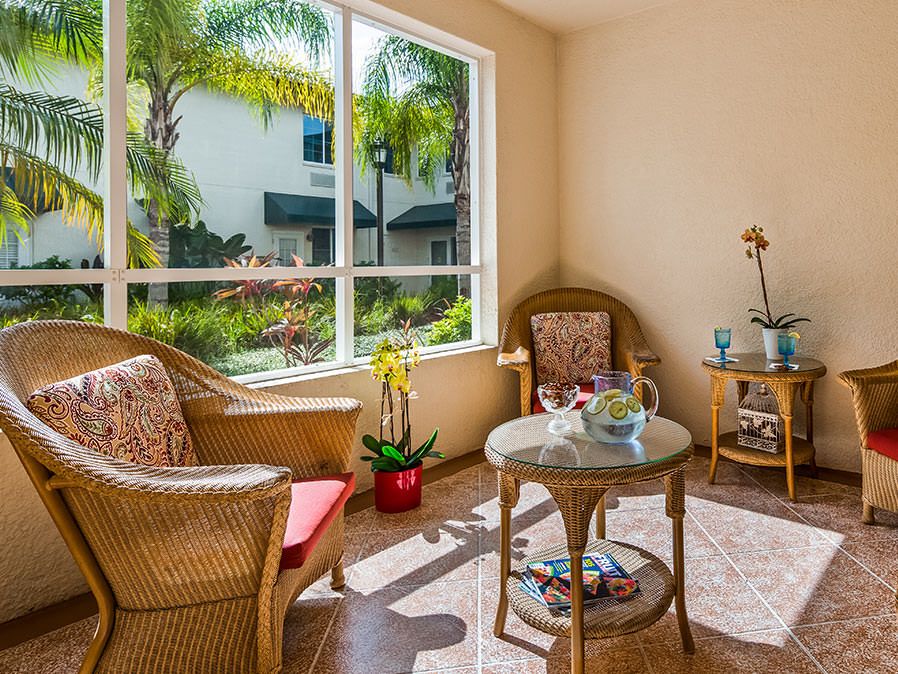
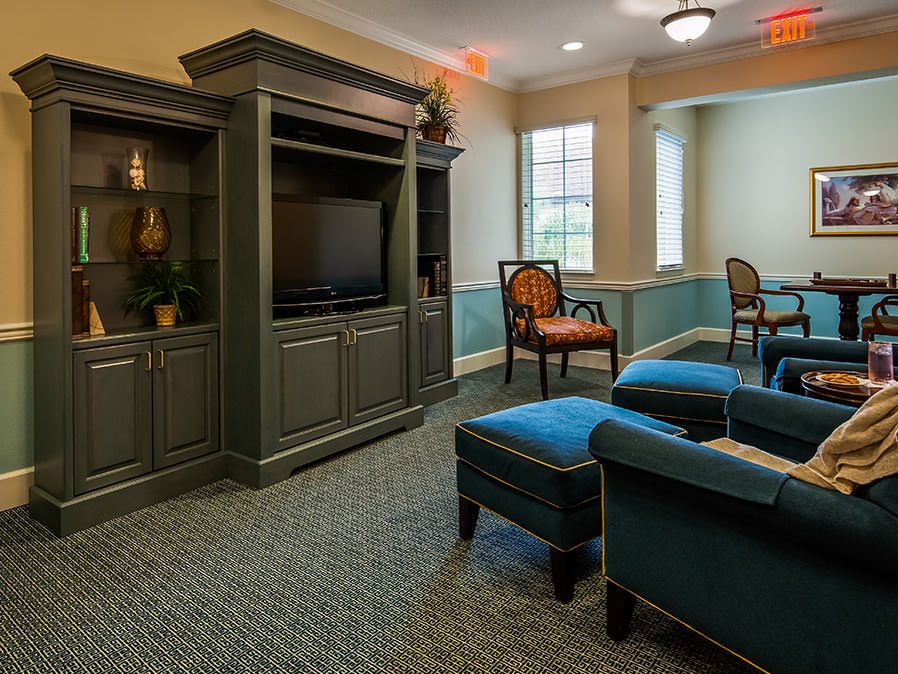
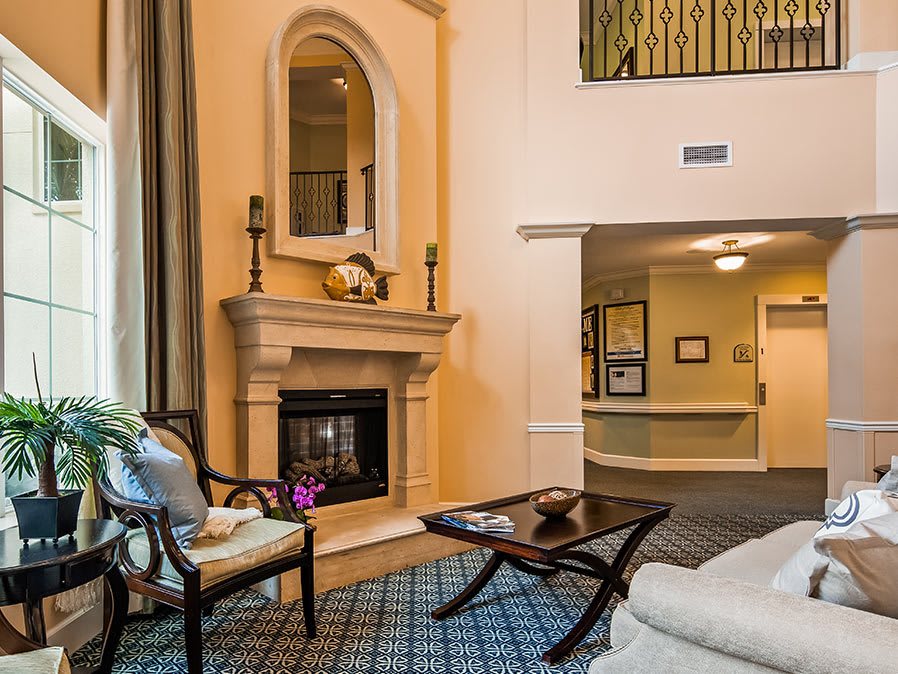
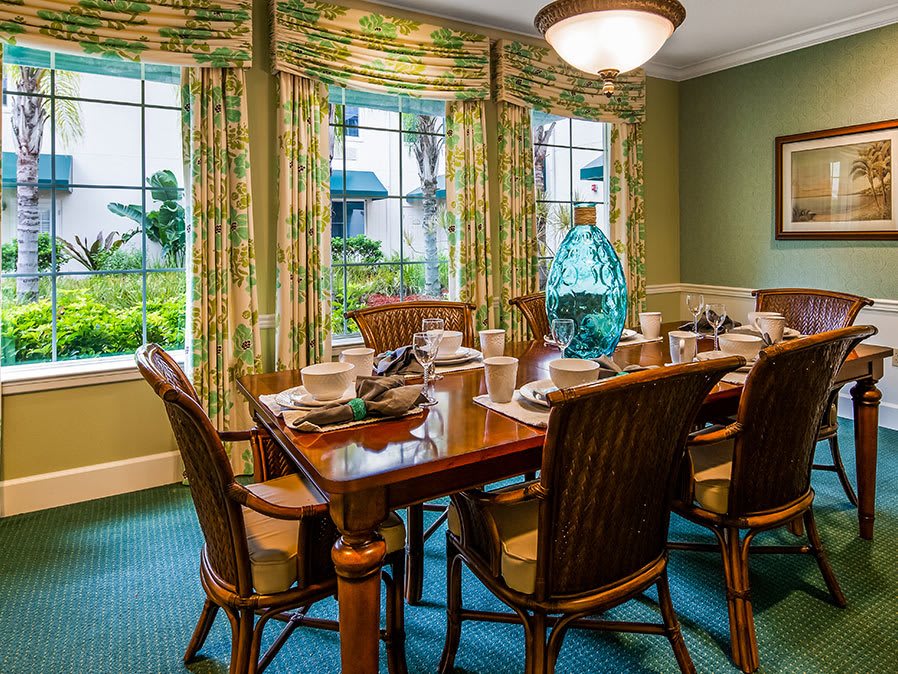
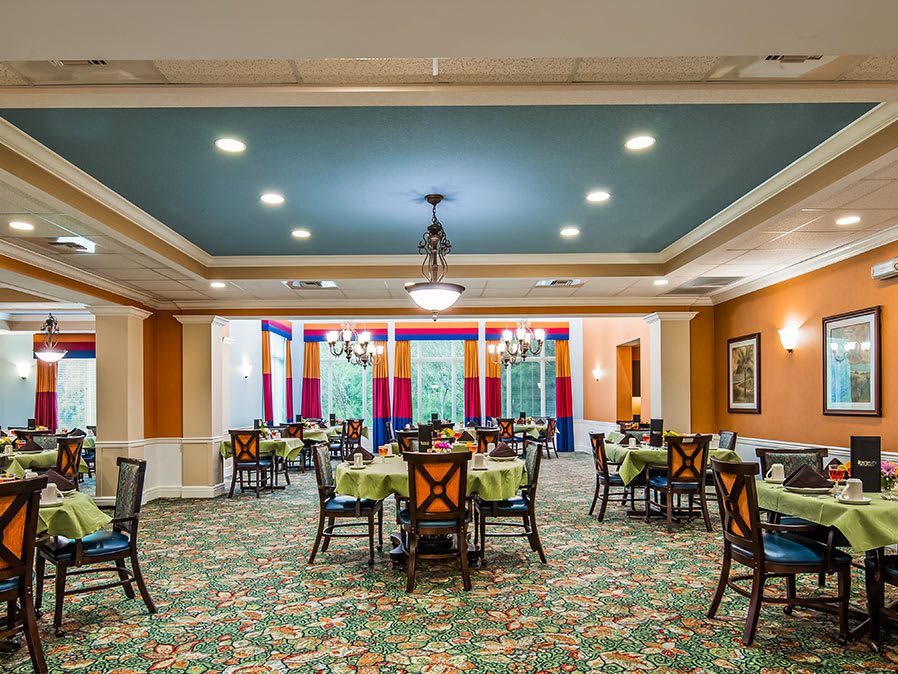
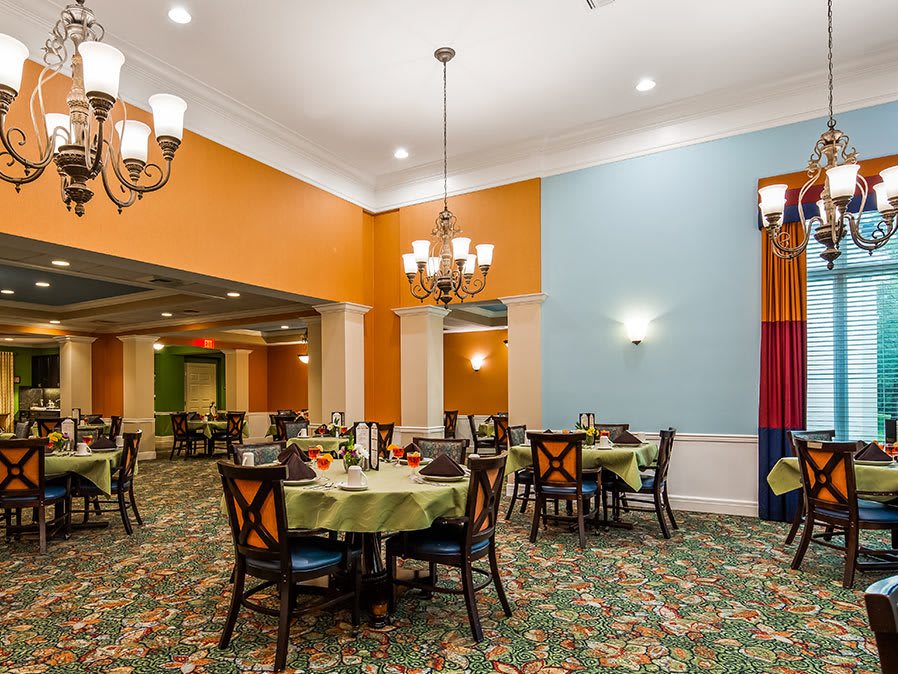
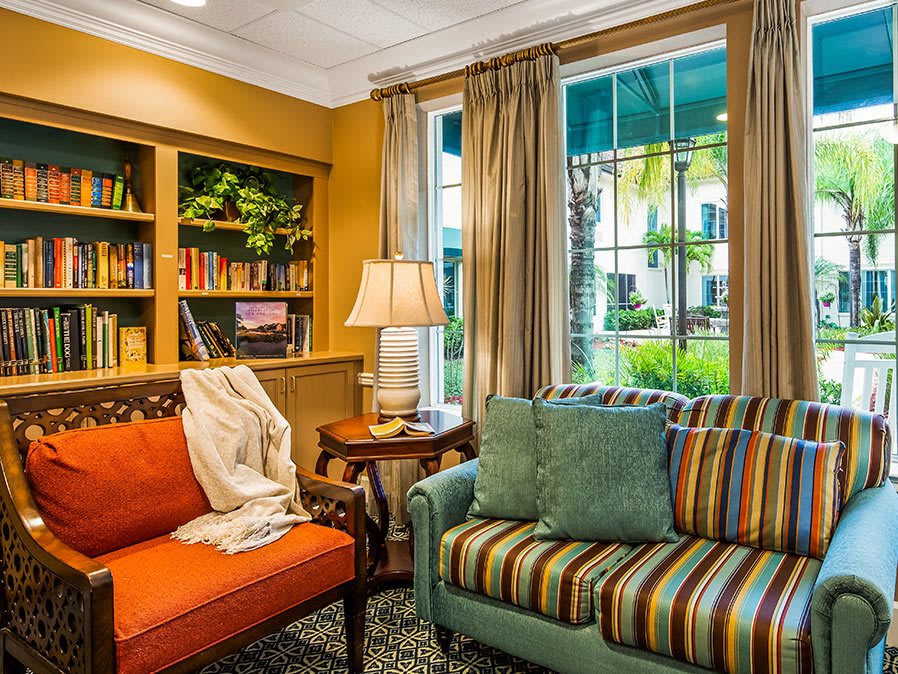
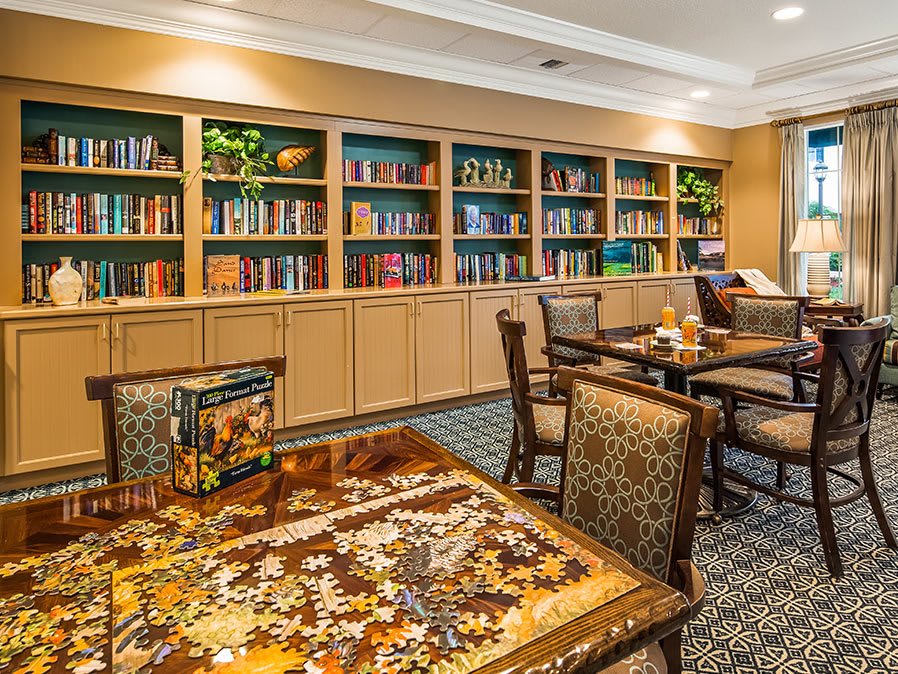
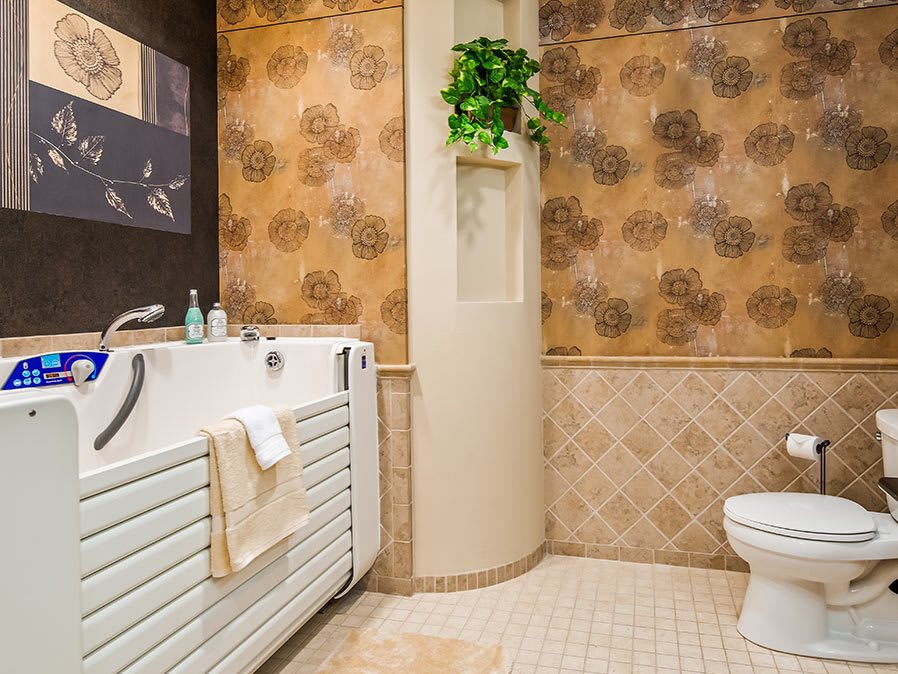
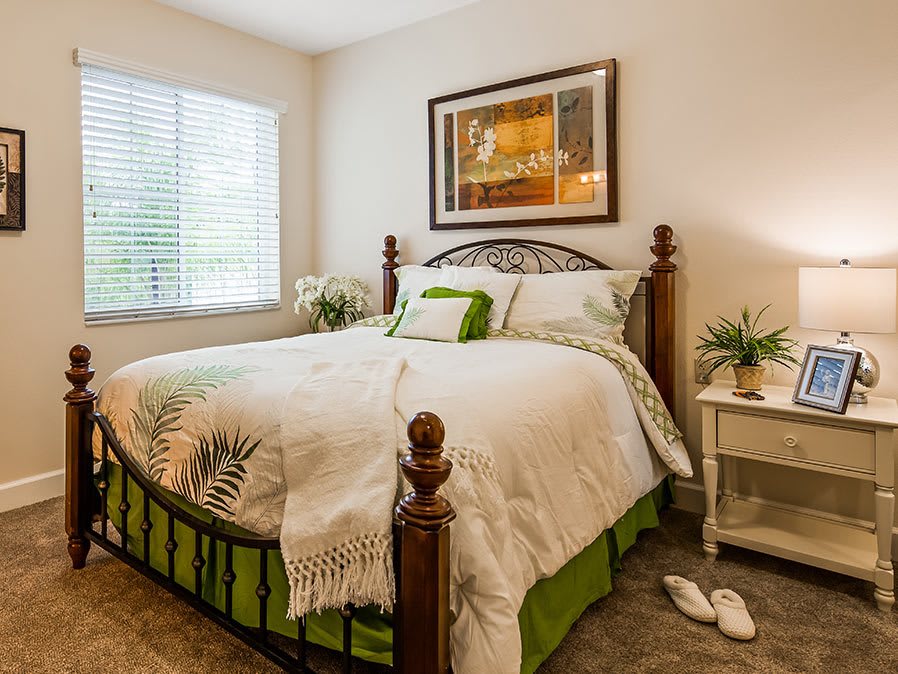
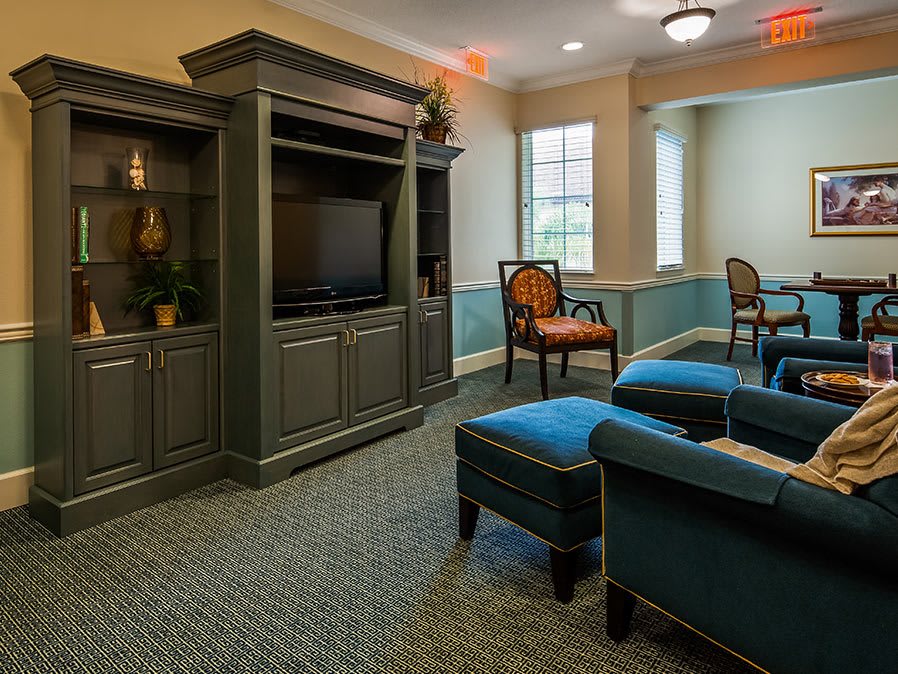
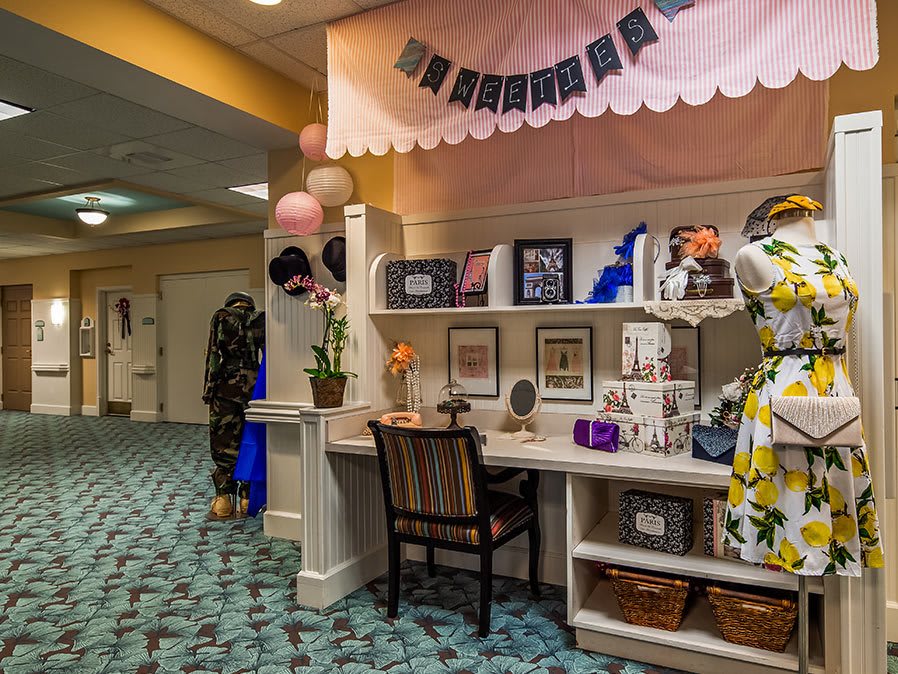
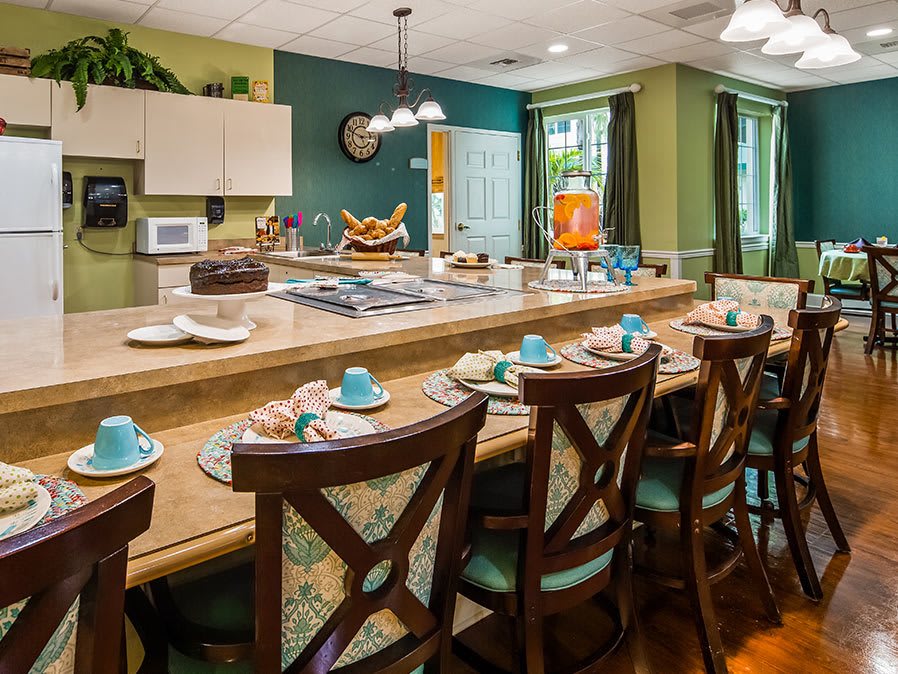
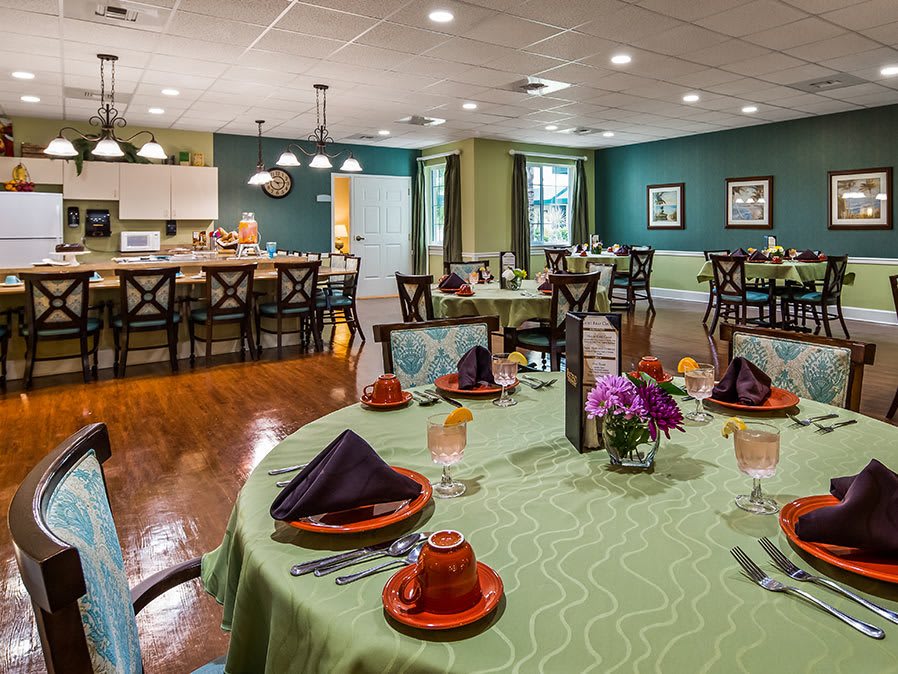
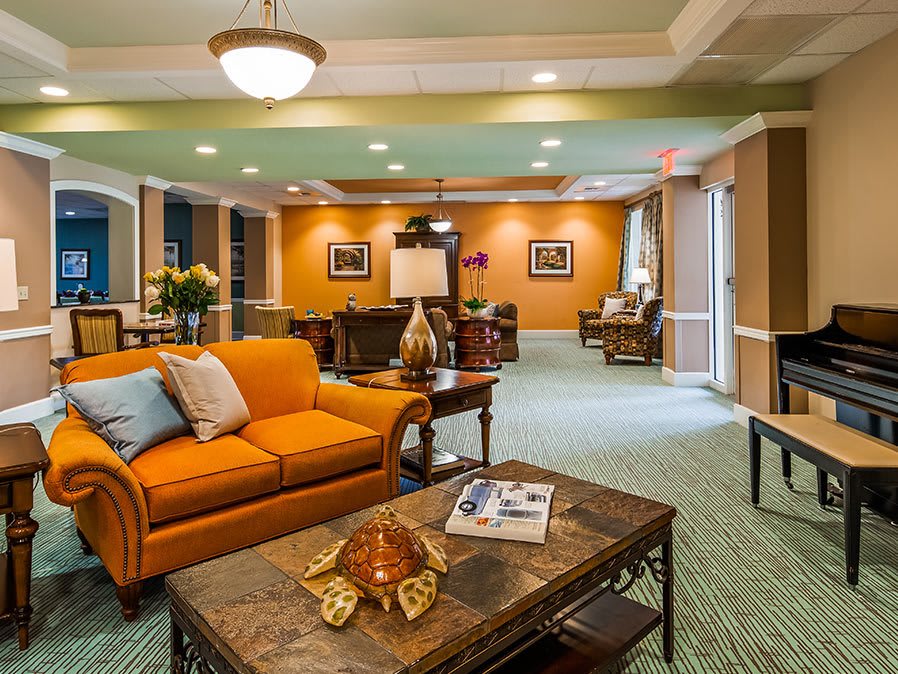
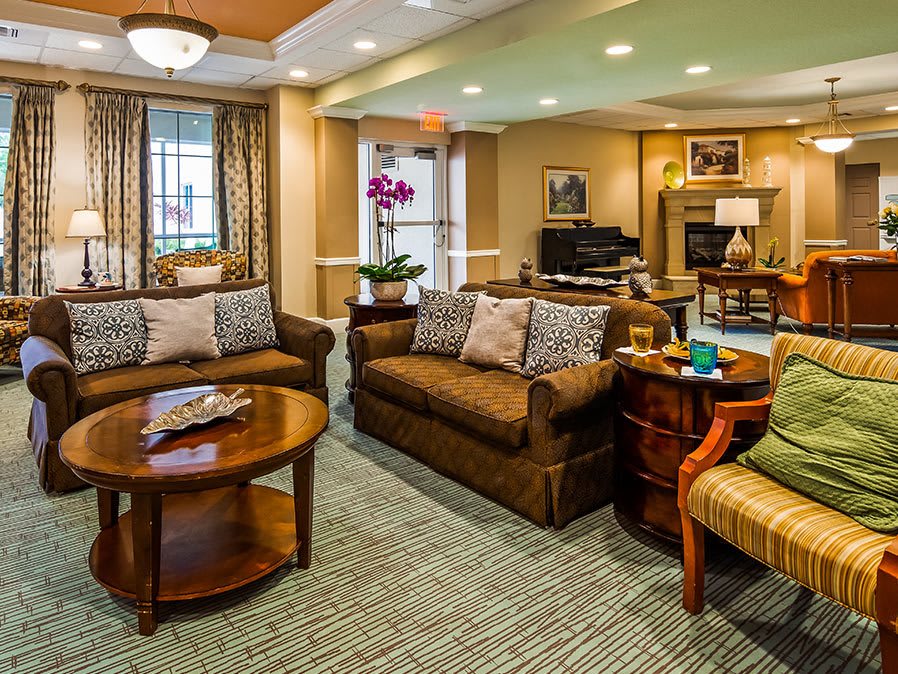
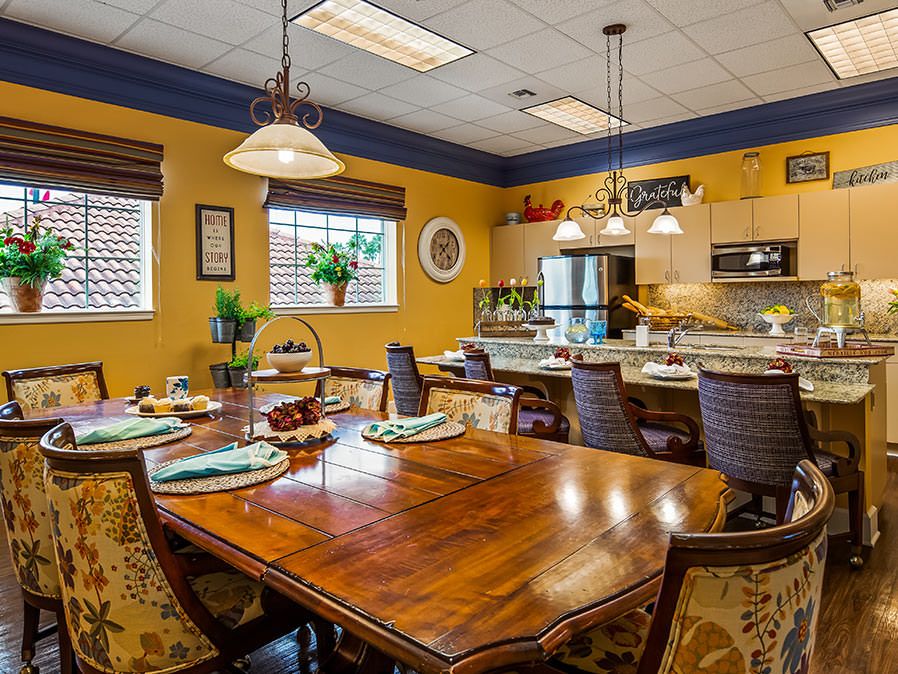
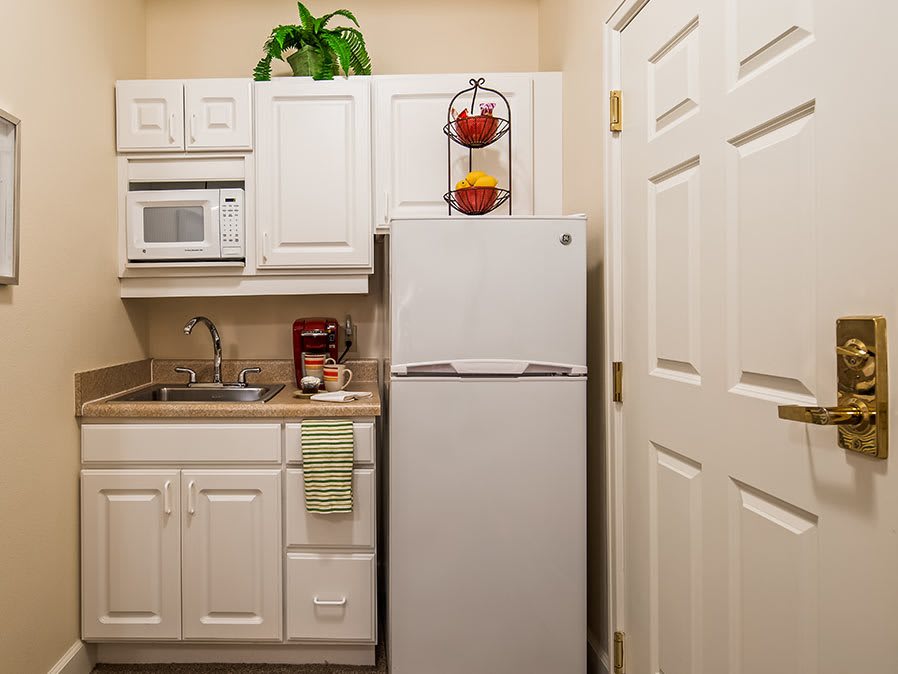
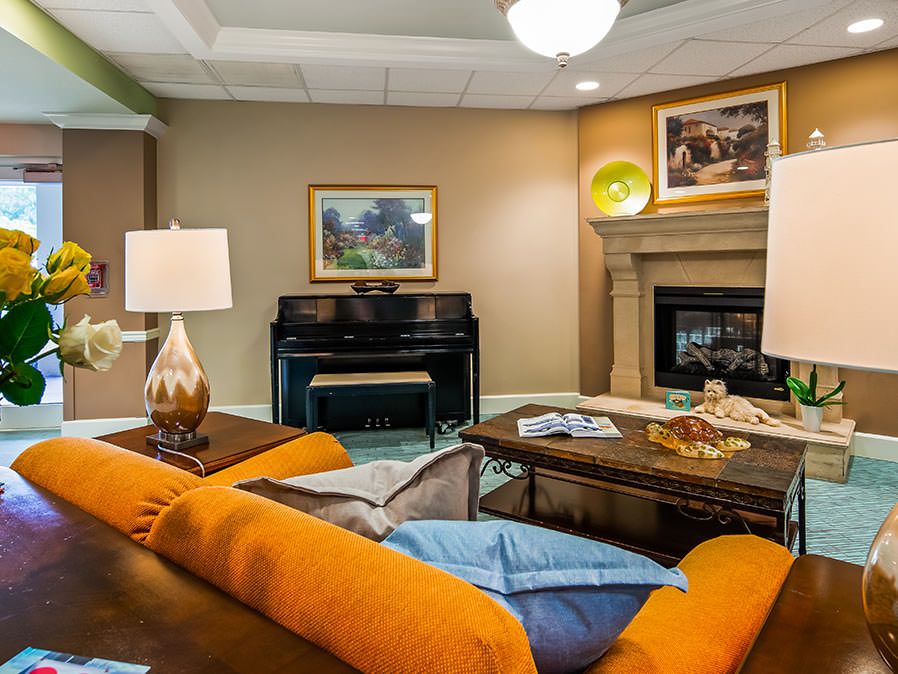
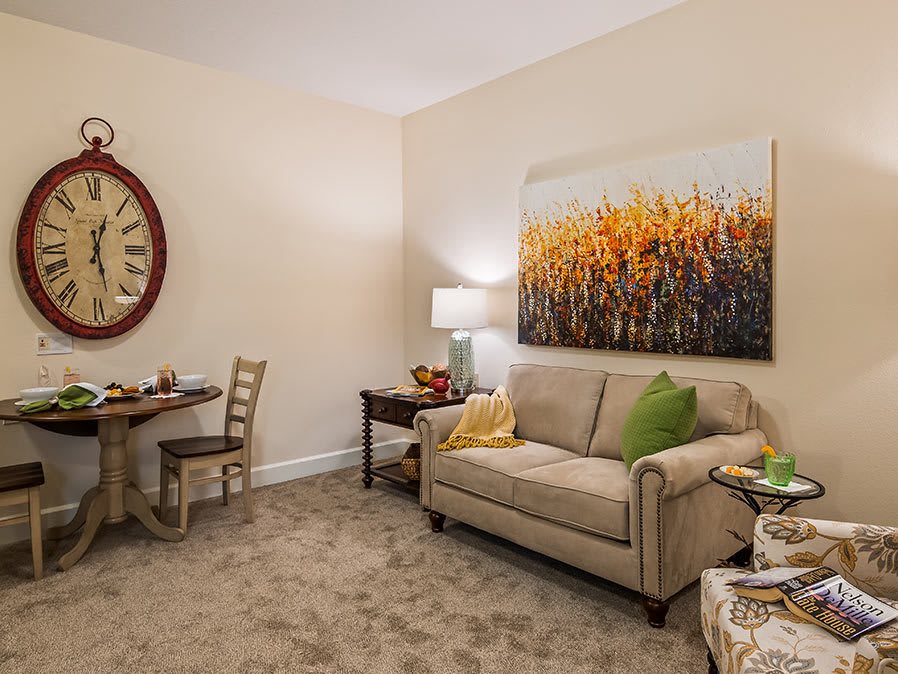
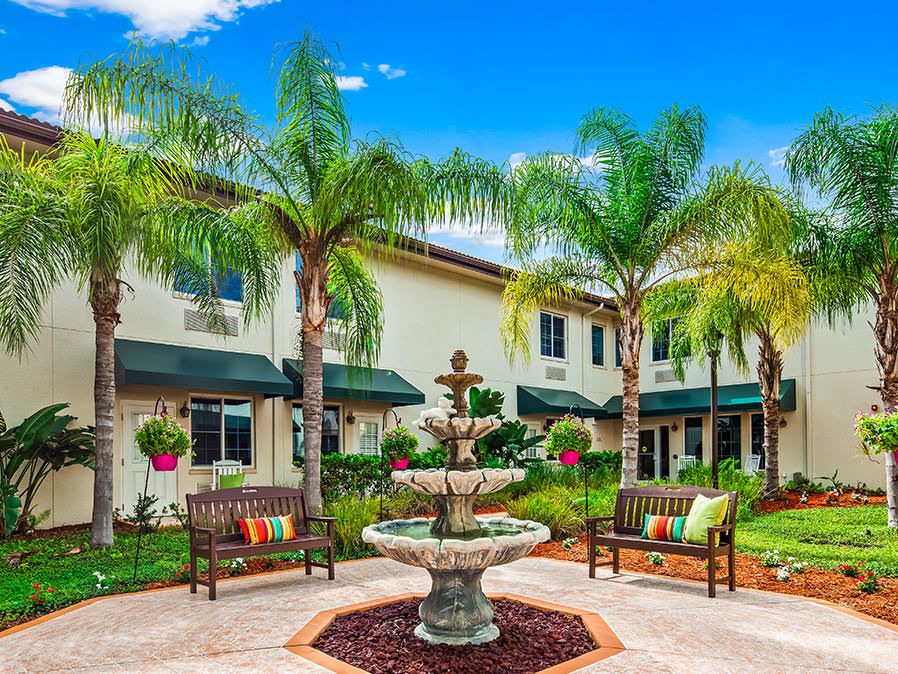
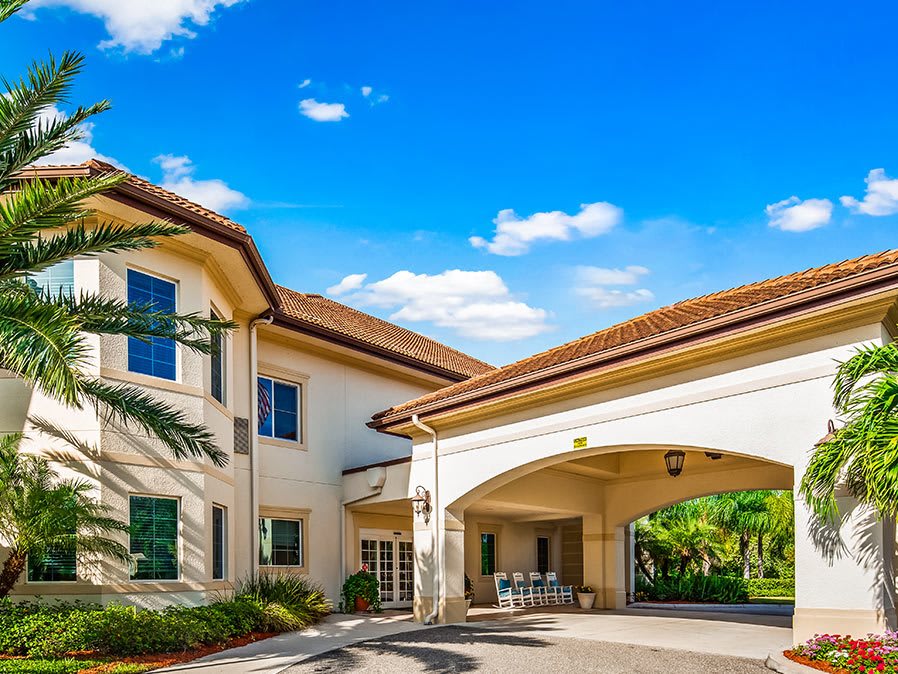
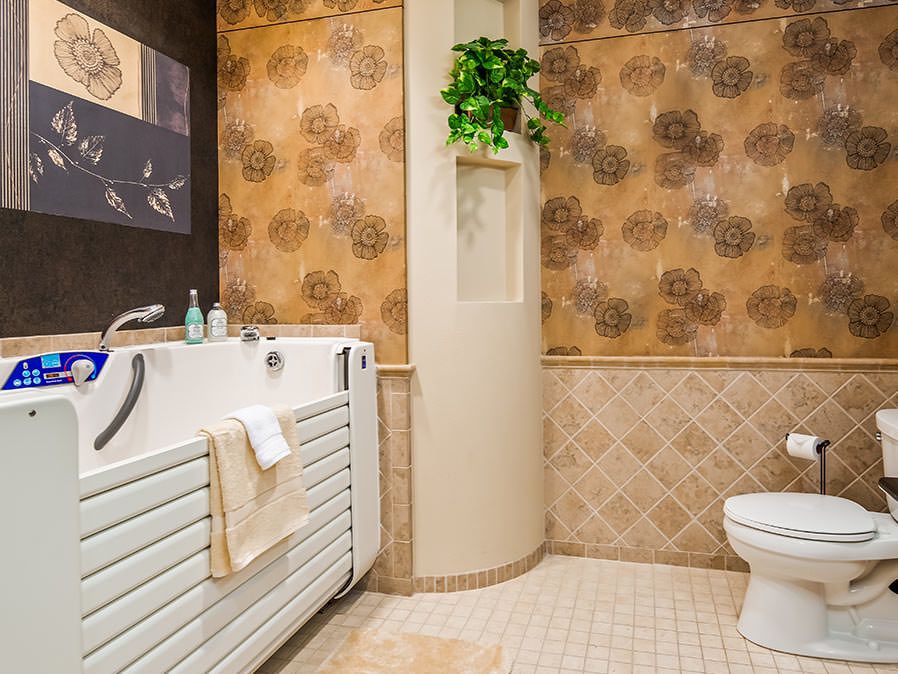
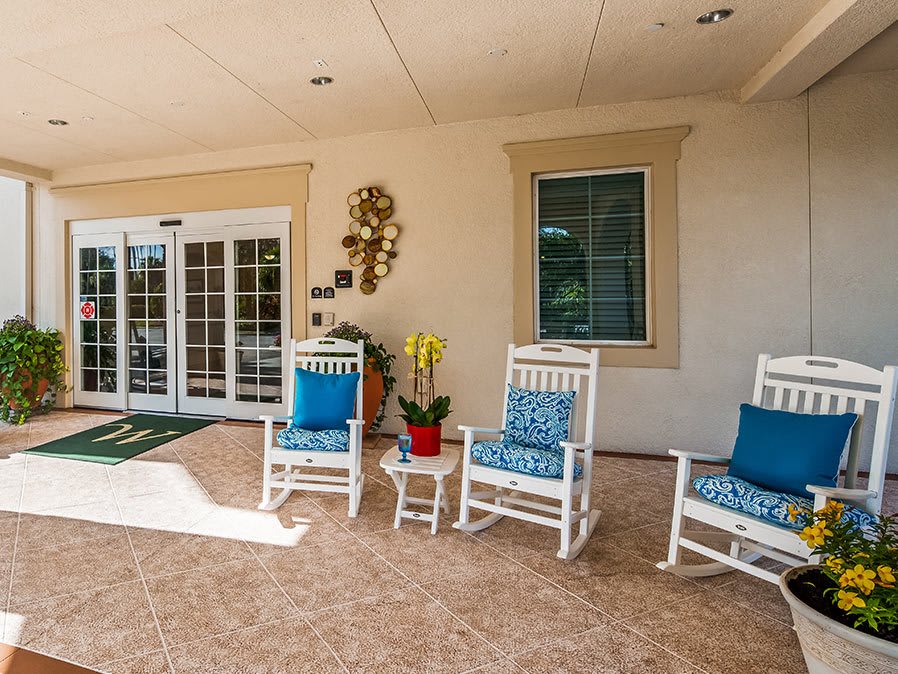
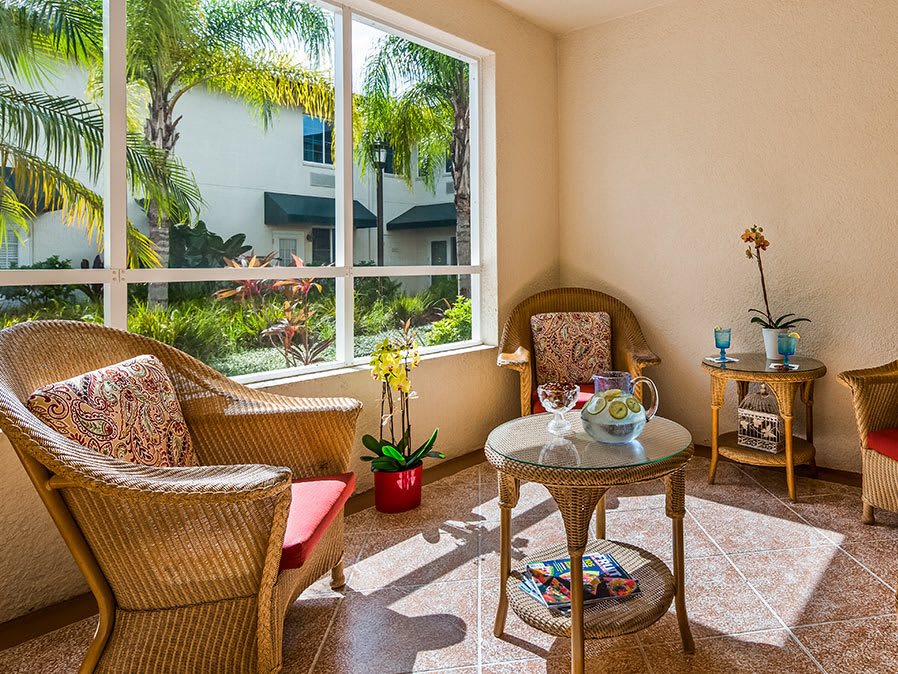
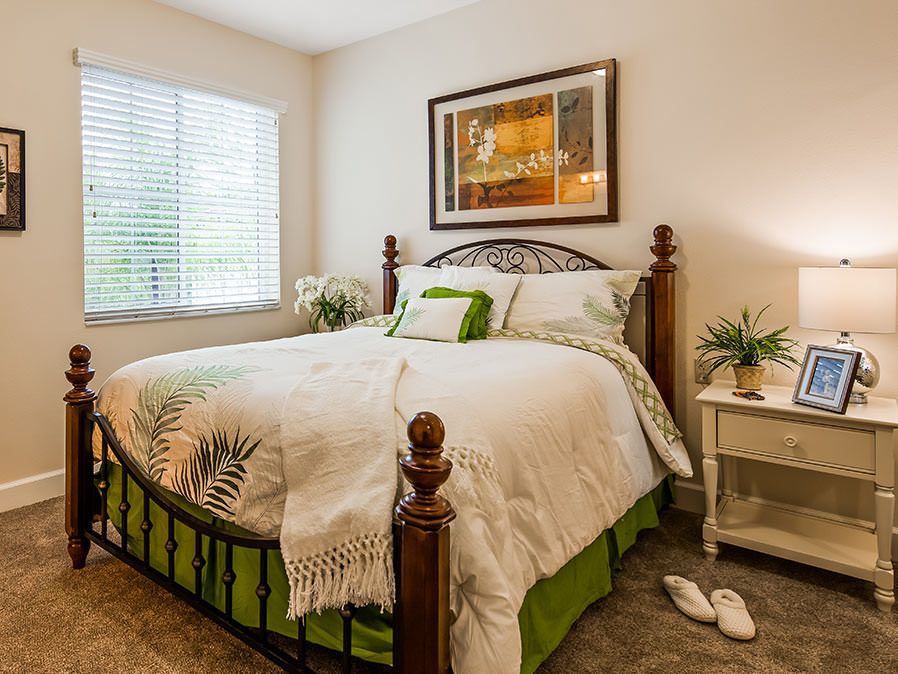
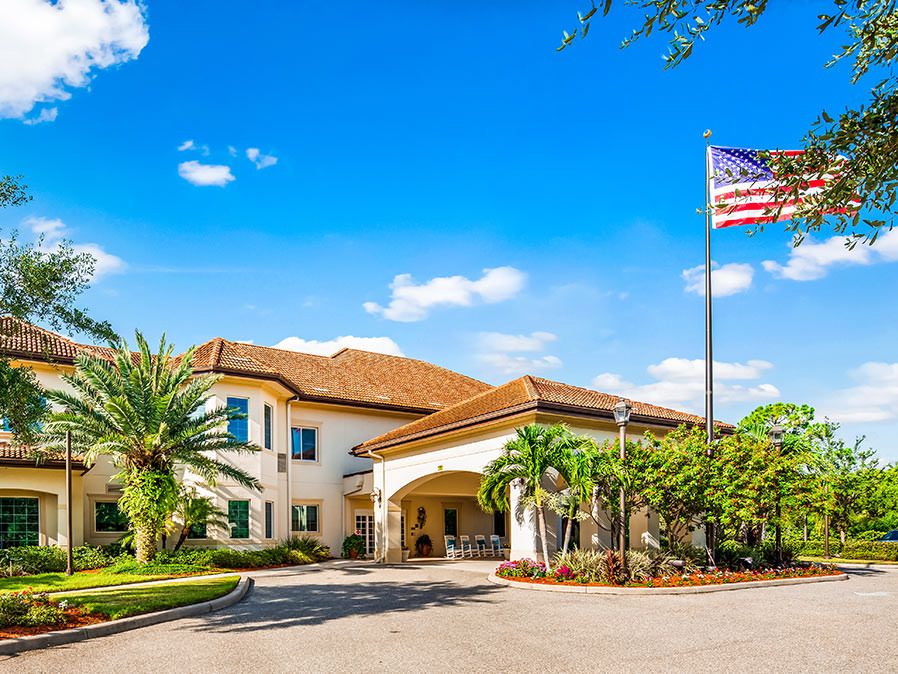
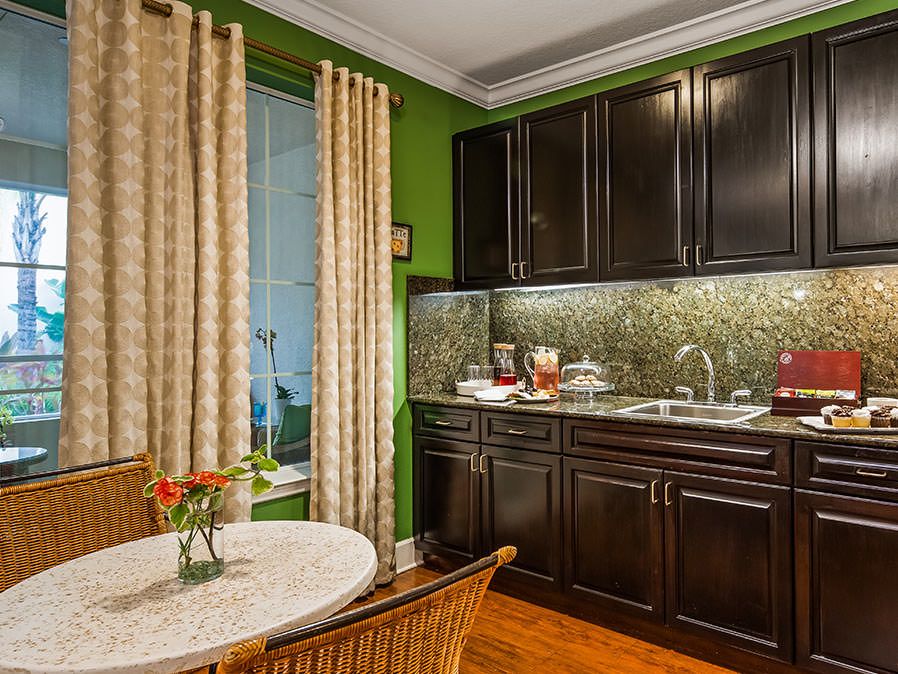
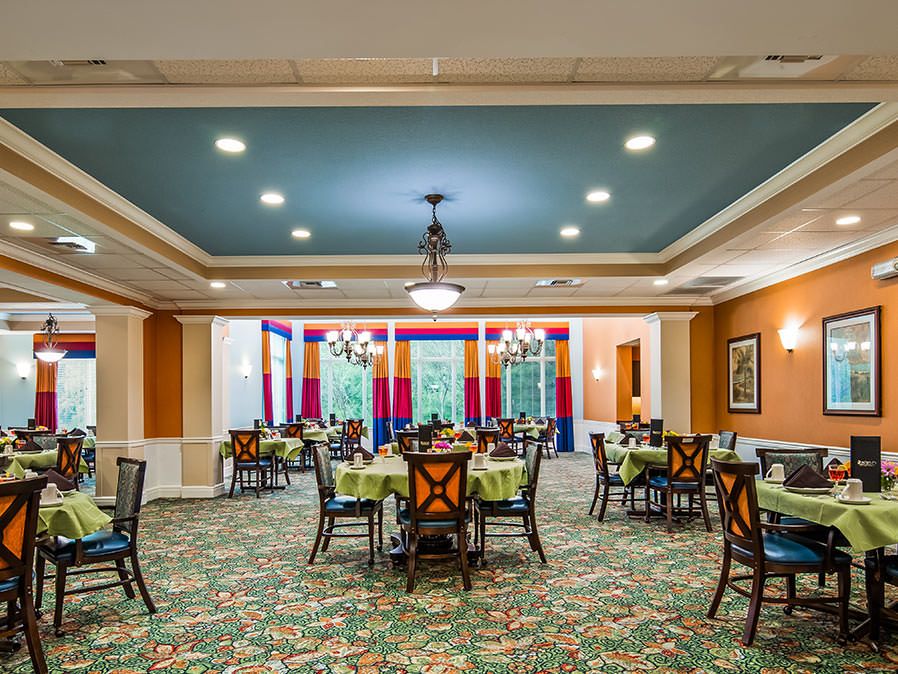
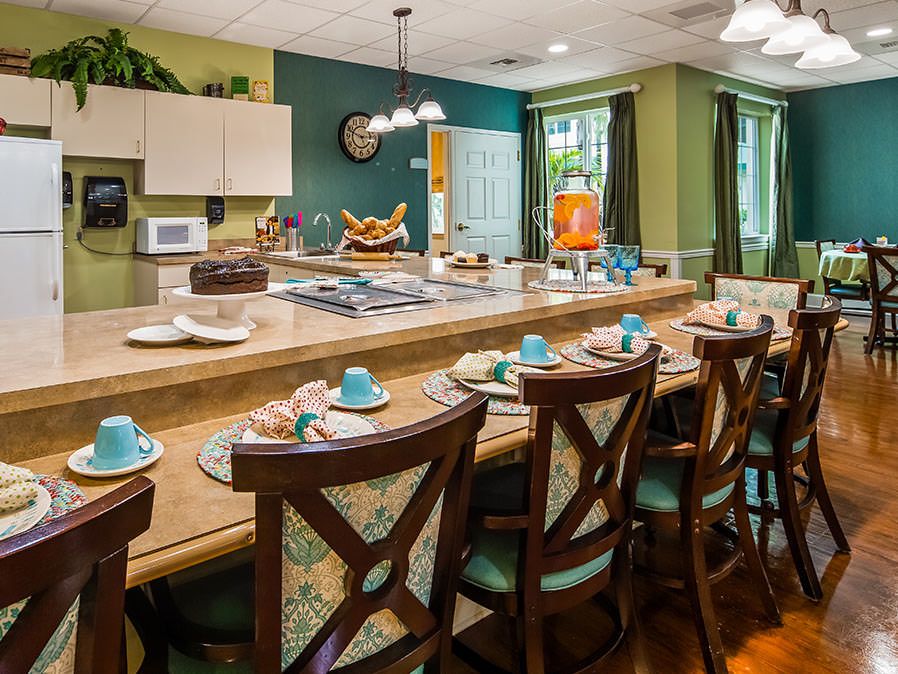
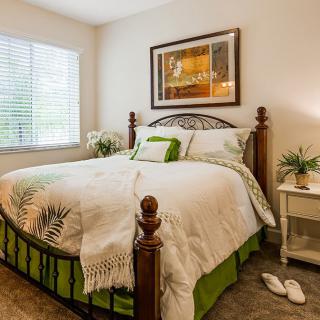
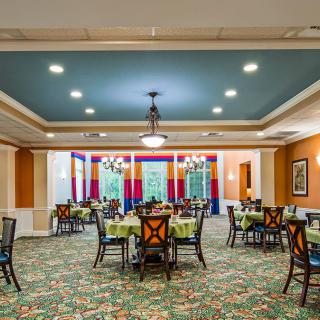
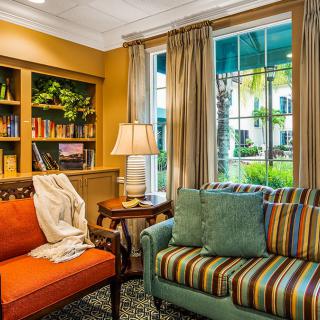
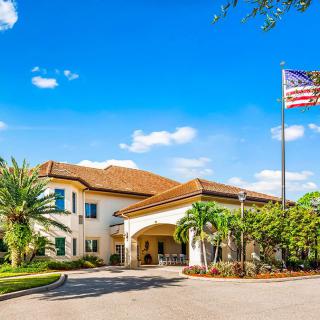
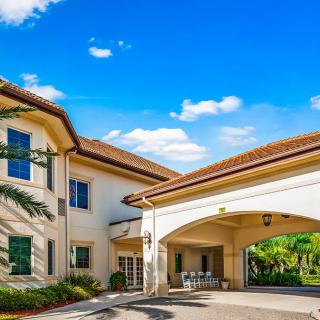
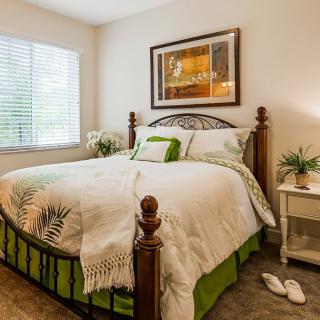
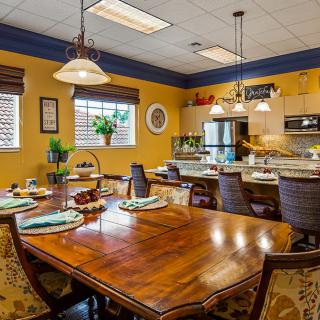
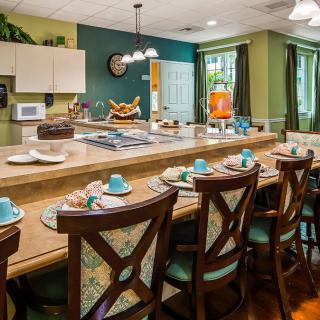
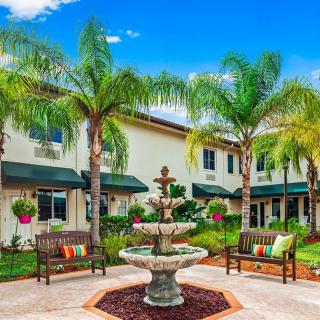
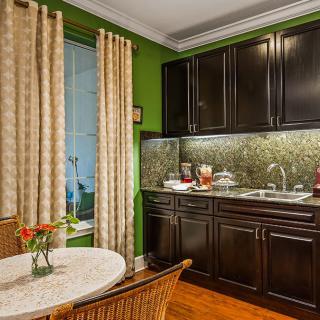
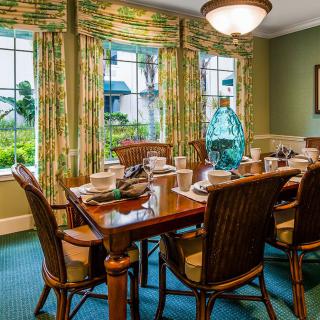
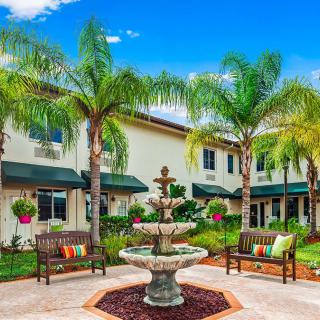
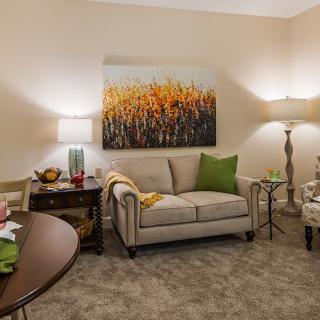
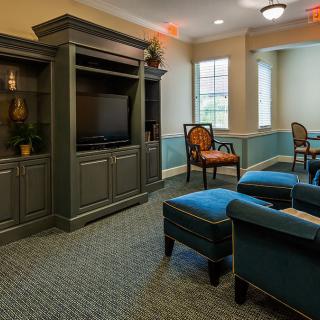
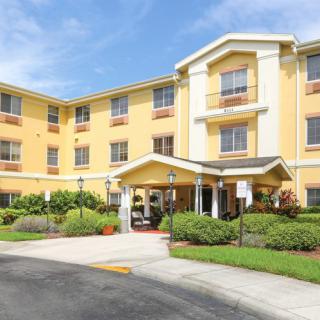
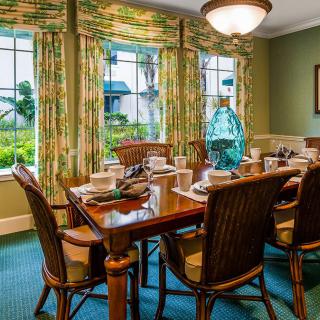
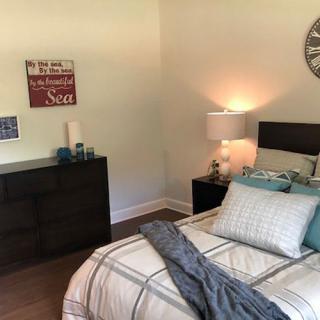
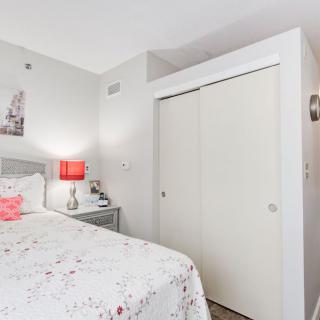
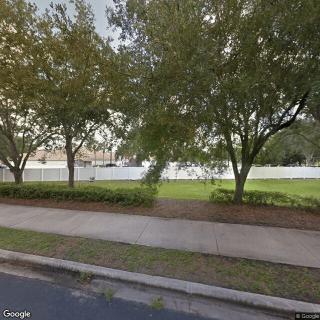
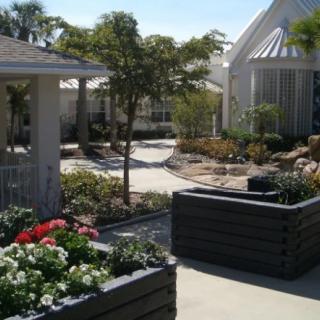
The Windsor of Venice on seniors.fyi includes 42 photos including images showing interior, decor, dining, living room, kitchen, windows, bathroom, artwork, and more.
Nearby Communities
Venetian Falls
Venice, FL
3.4 from 17 reviews
Personalized care with diet-aware dining and Wi-Fi throughout.
The Venetian Gardens
Venice, FL
4.4 from 97 reviews
$3,019 to $4,159 / month
Friendly staff and engaging activities.
Plantation Golf & Country Club
Venice, FL
4.7 from 120 reviews
Small, intimate assisted living offering meals, medication management, Wi?Fi, and dietary accommodations.
Venice Green Village
Venice, FL
4.7 from 78 reviews
$4,200 to $5,200 / month
Compassionate, attentive staff in a warm, community-focused memory care setting with engaging activities and pleasant surroundings.
Truewood By Merrill, Venice
Venice, FL
4.5 from 66 reviews
$2,600 to $3,750 / month
Dedicated, compassionate memory care staff; warm, home-like atmosphere with good family communication.
Bon Secours Venice Nursing
Venice, FL
4 from 1 review
Great access to healthcare providers and nearby amenities.
Sunset Lake Health And Rehabilitation Center
Venice, FL
4.1 from 138 reviews
Generally clean facility with some compassionate staff and responsive communication.
Jacaranda Trace
Venice, FL
4.4 from 71 reviews
$3,350 to $4,200 / month
Friendly staff, clean, beautifully decorated facilities, and a wide range of amenities and living options.
Towers and Gardens of Venice
Venice, FL
3.6 from 17 reviews
$2,200 to $4,900 / month
Beautiful, clean facility with engaging activities, pleasant dining, and friendly staff.
Dementia often results in disrupted sleep patterns, leading to excessive daytime sleeping due to factors like brain damage affecting circadian rhythms, medication side effects, and lack of structure in daily activities. Caregivers must monitor these changes closely, as oversleeping can increase risks such as malnutrition or dehydration, and provide necessary support and routines to enhance patient engagement and well-being.
The transition from assisted living to skilled nursing care is often prompted by complex medical needs that assisted living cannot meet, with key indicators including frequent health declines, increased falls, severe memory issues, and caregiver burnout. Families should recognize these signs early to discuss options with healthcare providers and prepare for the emotional and logistical aspects of moving to a facility that offers comprehensive medical support.
Dementia is characterized by cognitive decline, with nutrition playing a vital role in brain health; while no specific diet can prevent or reverse it, a nutrient-dense diet rich in antioxidants and healthy fats may support cognitive function. The MIND diet, which emphasizes beneficial foods and limits processed items, along with proper hydration and individualized meal strategies, can enhance the well-being of dementia patients.
Porch, Rocking Chairs, Patio Furniture, and Decorative Plants
Indoor Plants
Dining Table
Pendant Lights
Reading Room
Place Settings
Paintings
Sunroom
Wicker Chairs
Get PricingAsk A QuestionSchedule A TourContact Senior Advisor
By clicking submit, you agree to our Partner's Terms of Use. You
also consent to receive calls and texts, which may be autodialed, from our Partner. Your consent is not a condition to
using our Partner's service. Please visit our Partner's Privacy Policy for information about their privacy practices.

 94 resident community capacity
 1-bedroom apartments
 Assisted Living
 Memory Care
 Skilled Nursing Facility
 Cats allowed
 Dogs allowed
 Activities off-site
 Air-conditioning
 Beautician on-site
 Cable or satellite TV
 Cafe
Cafe Computer center
 Devotional services off-site
 Dining room
 Financing advice
 Fitness room
 Fully furnished
 Gaming room
 Garden
 Ground floor units
 Guest parking
 Handicap accessible
 Housekeeping services
 Indoor common areas
 Kitchenette
 Laundry
 Move-in coordination
 Outdoor common areas
 Overnight guests
 Party space
 Private bathrooms
 Respite or short term stays offered
 Restaurant-style dining
 Small library
 Telephone
 Wellness center
 Wheelchair accessible showers
 Wi-Fi/high-speed internet available
 Sarasota Bradenton International (25 miles away)
 Community operated transportation
 12-16 hour nursing
 24-hour call system
 Ambulatory care
 Assistance with bathing
 Assistance with dressing
 Assistance with transfers
 Diabetes diet
 Diabetic care
 Hospice care
 Incontinence care
 Medication management
 Mental wellness program
 Physical therapy
 Special dietary restrictions
 Transportation arrangement (medical)
 Art classes
 Book club
 Catholic services
 Concierge services
 Cooking classes
 Day trips and outings
 Educational speakers / life long learning
 Games
Games Happy hour
 Karaoke
 Live musical performances
 Wii bowling
 English
 Personalized care with diet-aware dining and Wi-Fi throughout.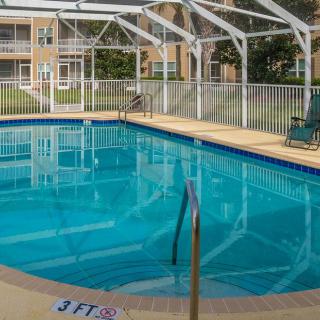

 Why Do Dementia Patients Sleep So Much? Understanding Oversleeping, Stages, and Care Approaches
 8 Key Indicators That Suggest It May Be Time to Transition from Assisted Living to Skilled Nursing Care
 Nourishing the Mind: Essential Dietary Approaches for Dementia