
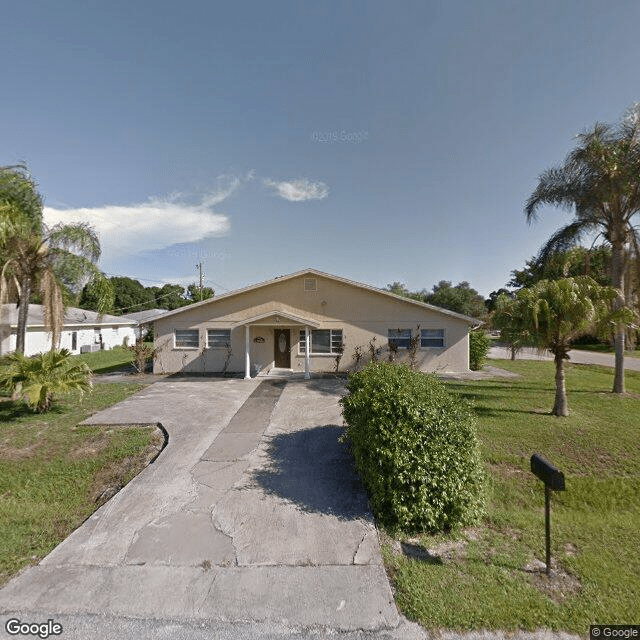
880 East Baffin, Venice, FL 34293
To contact a resident: (941) 492-4500
For more information about senior living options: (866) 208-4318
La Paloma Assisted Living Facility Costs & Pricing
La Paloma Assisted Living Facility offers competitive pricing for its services when compared to both Sarasota County and the broader state of Florida. For a semi-private room, residents pay $2,500 per month, significantly lower than the county average of $3,456 and the state average of $3,009. In terms of private accommodations, La Paloma's rate of $3,200 also stands favorably against the higher costs of $4,228 in Sarasota County and $3,699 statewide. This makes La Paloma an attractive option for those seeking quality assisted living while keeping expenses manageable.
| Floor plans | La Paloma Assisted Living Facility | Sarasota County | Florida |
|---|---|---|---|
| Semi-Private | $2,500 | $3,456 | $3,009 |
| Private | $3,200 | $4,228 | $3,699 |
Senior living communities with a similar price nearby
-
from +$95 / mo
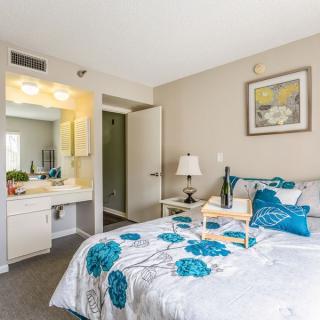
Grand Villa of Sarasota
$2,595 to $4,695 / month20.3 miles away -
from -$100 / mo

Arietta
$2,400 to $3,195 / month19.9 miles away -
About the same
Ashton Place
$2,500 to $3,200 / month15.9 miles away -
from +$300 / mo

A Banyan Residence
$2,800 to $5,400 / month2.9 miles away -
from -$201 / mo
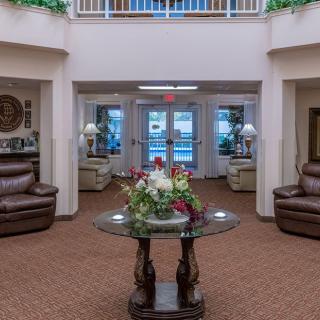
Holiday Desoto Beach Club
$2,299 to $4,920 / month22.6 miles away
Overall Review of La Paloma Assisted Living Facility
Pros
 The grandmother was well cared for at La Paloma.
- The staff were kind to her and treated her like family.
- She ended her life with dignity after being placed on Hospice.
- The mother is receiving wonderful care at the facility.
- The staff are kind and conscientious.
- The food is wonderful, all homemade and never frozen.
- It offers a nice home environment with a family atmosphere and loving, kind caregivers.
- The owner was very attentive.
Cons
 The owner is described as impatient and rude, prioritizing money over residents.
- The staff are described as untrained and inattentive, often on their phones and failing to oversee care.
- The facility is described as unbearably hot, with the AC not working properly.
- Residents allegedly developed bed sores and choking incidents due to poor care.
- The meals are described as poorly prepared, often microwaved, with little attention to quality.
- The owner refused to reimburse prepaid fees after the resident's death.
Review
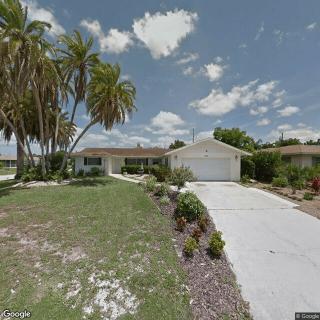
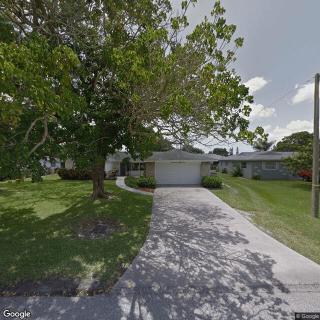
La Paloma Assisted Living Facility in Venice, Florida is best suited for seniors who want a small, homelike setting where caregivers know residents by name and families feel welcome to participate in daily life. The community earns praise for a warm, family-like atmosphere, with staff repeatedly described as kind, conscientious, and genuinely caring. For someone who prioritizes homemade meals, personalized attention, and a residence that feels like a private home rather than a hospital wing, La Paloma can be a comfortable, reassuring choice. The intimate size and the ability to tailor routines to individual preferences can be a meaningful fit for residents who do not require the highest level of clinical oversight at all times and who value emotional connection alongside daily living.
On the other hand, several reviewers flag reasons to consider alternatives, especially for residents with higher medical or safety needs. The most serious concerns center on questions of safety and reliability: episodes suggesting inadequate supervision, potential neglect, and serious hot conditions attributable to climate control issues. When memory care or hospice needs are prominent, or when urgent, around-the-clock skilled nursing experience is non-negotiable, La Paloma may fall short. Language barriers, inconsistent staffing, and a perceived prioritization of finances over resident welfare further push families to weigh other options, including facilities with larger staff pools, steadier 24/7 nursing coverage, and clearer, enforceable care standards.
The strongest positives, home-like ambiance, compassionate staff, and consistently praised meals, lift the overall experience for many residents. Several reviews describe care that feels attentive and familial, with staff going the extra mile to accommodate personal preferences and maintain a dignified, comfortable routine. The on-site medical and therapeutic offerings are also attractive, including private doctors and therapy services, which can add a layer of convenience and continuity for families seeking integrated support. When these advantages align with a resident’s needs and a family’s expectations for warmth and personal regard, they can dramatically improve daily life and reduce caregiver stress.
Yet the cons carry real weight and often demand careful consideration. Recurrent complaints about the climate inside the facility, comfort levels that border on uncomfortably hot, signal potential environmental risk that can aggravate health issues, particularly for the elderly. There are accounts of medical emergencies, hospital interventions, and at least one troubling report of declined responsiveness. Additional concerns include perceived gaps in staff training, inconsistent medication handling, limited organized activities, and lapses in daily personal care such as denture and bathroom routines. Financial rigidity, including disputes over refunds and contract terms, and a perception that the owner’s attention shifts toward revenue over resident well-being, further complicate the decision for families who require trustworthy governance and predictable operations.
These positives and negatives do not simply balance out; they create a nuanced picture. The favorable, home-like environment and compassionate staff can offset some day-to-day frustrations, especially for families able to participate actively in care planning and daily routines. However, the gravity of safety concerns, potential neglect indicators, and management questions cannot be dismissed. For a resident who can receive robust oversight from family and external clinicians, La Paloma may still offer meaningful quality of life. For those needing dependable, high-level clinical staffing, a larger, more controlled setting with transparent oversight and a track record of consistent emergency response is a more prudent choice.
In practical terms, prospective residents and their families should conduct a meticulous due diligence exercise before committing. Schedule visits at multiple times and days to observe staffing, noise levels, and the cadence of care. Request detailed staffing ratios, training records, medication administration protocols, and a clear emergency response process. Probe the ownership and leadership structure, seek recent independent care audits or state compliance records, and ask to speak with current residents or families about crises and how they were handled. Compare this information against other nearby assisted living options that offer stronger clinical acuity, more predictable climate control, richer activity calendars, and clearer financial terms. If La Paloma is chosen, pair the placement with an active family liaison who can monitor daily care, advocate for training gaps, and ensure care plans stay aligned with evolving needs. In cases where high medical complexity or unwavering safety standards are non-negotiable, it is wise to pursue alternatives and reserve La Paloma for scenarios where warmth and small-scale attention are the primary drivers of satisfaction rather than clinical certainty.
 Board and Care Home
 Cats allowed
 Dogs allowed
 Activities on-site
 Indoor common areas
 Outdoor common areas
 Private
 Respite or short term stays offered
 Wheelchair accessible showers
 Sarasota Bradenton International (25 miles away)
 Ambulatory care
 High acuity care
 Incontinence care
 Medication management
 Meals provided



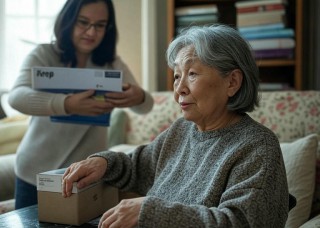 Exploring Nonmedical Home Care: Understanding Services, Costs, and Financial Approaches
 Engaging Brain Games and Innovative Apps to Keep Senior Minds Active
 Effective Strategies for Keeping Seniors' Minds Active: A Deep Dive into Brain Games and Apps