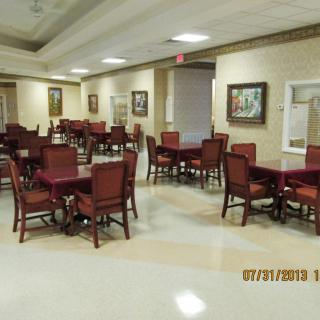
Magnolia Gardens in Venice, FL

350 Magnolia Road, Venice, FL 34293

For more information about senior living options: (844) 490-3973

4.5 from 2 reviews
Assisted Living Board and Care Home Respite Care

Overall Review of Magnolia Gardens

Pros

  • pro Magnolia Gardens is a very small facility with a home-like atmosphere.
  • pro The food is individually prepared and can accommodate guests' preferences, which is very nice.

Cons

  • pro The facility did not have private rooms with bath facilities.
  • pro Each bathroom facility was shared by two nearby rooms.

Review

Magnolia Gardens in Venice, Florida is best suited for seniors who crave a small, home-like setting where daily life feels intimate and staff know residents by name. The facility's compact footprint creates a warm, neighborly atmosphere that avoids the impersonal feel of larger campuses. For someone who values personal attention, simple routines, and the reassurance of a community where everyone seems to know your preferences, Magnolia Gardens delivers with a level of warmth that larger communities often struggle to replicate.

That said, those needing private, ensuite bathrooms or more robust medical and rehabilitative services should consider alternatives. The most notable drawback is the absence of private rooms with baths; bathrooms are shared by nearby rooms. This setup can be a non-starter for residents who prize privacy or who are sharing accommodations with a spouse. Families evaluating care plans that include regular therapy, more formal programming, or a wider range of on-site services may find Magnolia Gardens insufficient to meet those expectations.

The strongest upside - the small scale and homey vibe - helps compensate for the privacy trade-off in practical, tangible ways. The individualized meal preparation stands out as a differentiator: staff can accommodate dietary restrictions and personal preferences, reducing frustration at mealtimes and boosting appetite and overall satisfaction. That level of culinary flexibility reinforces trust and comfort in daily life, supporting nutrition and mood in ways that larger, less adaptable communities often cannot match.

Nevertheless, the same intimate footprint that fosters belonging can limit options. Shared bathrooms, while workable for many, remain less convenient for couples or residents who value en-suite privacy. The leaner size may also translate into fewer on-site activities, limited programming, and a tighter schedule overall. For families planning around mobility, transportation, or creative care plans, Magnolia Gardens may require more off-site coordination to meet evolving needs, which can complicate long-term planning.

From a practical standpoint, families should directly address several points on a visit. Confirm current room configurations and whether any private-room options exist, even at a premium; tour the bathroom facilities to understand privacy levels and ease of use; review the daily schedule to gauge activity breadth and staffing presence. Ask about meal service logistics, how dietary changes are handled, and who coordinates care with outside providers. Also evaluate access to emergency response, medication management, and transportation for appointments, ensuring that the resident's healthcare trajectory remains seamless within the setting.

The verdict favors Magnolia Gardens for a specific niche: residents who prize a warm, intimate environment, where meals are customizable and staff attention feels personal and consistent. For those who require private baths, a broader catalog of structured activities, or more intensive medical and rehabilitative services, alternatives with larger footprints and en-suite options are likely to serve better. A thoughtful visit, anchored by a clear checklist and honest conversations about privacy, dining, and programming, will reveal whether the tradeoffs support a confident, long-term choice or point decisively toward a different community.

Features

Housing

  • 6 resident community capacity 6 resident community capacity

Types of Care

  • Assisted Living Assisted LivingAssisted living facilities provide crucial support and care for seniors who may need help with daily tasks such as medication management, bathing, and meal preparation. These communities offer a safe and comfortable environment where seniors can maintain their independence while receiving the assistance they need to thrive in their golden years.
  • Board and Care Home Board and Care HomeBoard and care homes provide a smaller, more intimate setting for seniors who require assistance with daily tasks but do not need the level of care offered by a nursing home. They offer personalized care, meals, and social activities in a homelike environment, ensuring that seniors receive individualized attention and support in their golden years.
  • Respite Care Respite CareRespite care provides temporary relief for caregivers, allowing them to recharge and attend to their own needs. It also gives seniors the opportunity to socialize, receive professional care, and experience a change of scenery, promoting overall well-being and reducing feelings of isolation.

Amenities

  • Activities on-site Activities on-siteActivities on-site are important for seniors because they provide opportunities for socialization, mental stimulation, physical activity, and overall well-being. Engaging in activities can help seniors stay active, maintain their independence, and improve their quality of life.
  • Cable or satellite TV Cable or satellite TVCable or satellite TV is important for seniors because it provides entertainment, news, and companionship, helping to combat loneliness and boredom. It also offers a wide range of programming options tailored to different interests and preferences.
  • Devotional services off-site Devotional services off-siteDevotional services off-site are important for seniors as they provide spiritual nourishment, social engagement, and a sense of community outside of the senior living facility. This can enhance overall well-being and help combat feelings of isolation and loneliness often experienced by older adults.
  • Dining room Dining roomDining rooms are important for seniors as they provide a space for socialization, connection, and nutritious meals. They offer opportunities for residents to bond over shared meals, foster a sense of community, and promote healthy eating habits. Dining rooms also ensure that seniors have access to well-balanced meals tailored to their dietary needs and preferences.
  • Fully furnished Fully furnishedFully furnished senior living communities are important for seniors because they provide convenience, comfort, and a hassle-free moving experience. Seniors can easily settle into their new living space without the stress of having to buy and move furniture. This allows them to focus on enjoying their new home and community.
  • Garden GardenGardens are important for seniors as they provide a peaceful and therapeutic environment for relaxation, physical activity, and socialization. Being in nature has been shown to reduce stress, improve mood, and promote overall well-being. Gardens also offer opportunities for seniors to engage in gardening activities, which can improve mobility, flexibility, and cognitive function. Additionally, gardens create a sense of community and connection with others who share a passion for plants and outdoor spaces.
  • Housekeeping services Housekeeping servicesHousekeeping services are important for seniors because they help maintain a clean and safe living environment, promote independence, and reduce the risk of accidents or illnesses. Additionally, having assistance with household chores can alleviate physical strain and allow seniors to focus on other aspects of their well-being.
  • Indoor common areas Indoor common areasIndoor common areas are crucial for seniors as they provide a space for socialization, recreation, and community engagement, promoting overall well-being and reducing feelings of isolation and loneliness.
  • Move-in coordination Move-in coordinationMove-in coordination is important for seniors because it helps ease the transition into their new living environment. It ensures that all logistics, such as packing, organizing movers, and setting up utilities are taken care of, allowing seniors to focus on settling in and adjusting to their new home. Having a smooth move-in process can alleviate stress and anxiety, making the transition smoother and more enjoyable for seniors.
  • Outdoor space Outdoor spaceOutdoor spaces are important for seniors as they provide opportunities for physical activity, social interaction, exposure to natural light and fresh air, and a sense of connection to nature. Having access to outdoor spaces can improve overall well-being and quality of life for older adults living in senior communities.
  • Telephone TelephoneTelephones are important for seniors as they provide a lifeline for communication with loved ones, emergency services, and healthcare providers. They offer a sense of security and independence, enabling seniors to stay connected and access assistance when needed.
  • Wi-Fi/high-speed internet available Wi-Fi/high-speed internet availableWi-Fi/high-speed internet is important for seniors to stay connected with loved ones, access online resources, and participate in virtual activities to combat feelings of loneliness and isolation. It also allows them to easily manage healthcare needs, access entertainment, and engage in lifelong learning opportunities.

Care Services

  • 24-hour supervision 24-hour supervision24-hour supervision is important for seniors to ensure their safety, well-being, and access to immediate assistance in case of emergencies or health issues. This constant support provides peace of mind for both seniors and their loved ones, allowing them to age in place with dignity and security.
  • Activities of daily living assistance Activities of daily living assistanceActivities of daily living assistance are important for seniors because they provide essential support with tasks such as eating, bathing, dressing, and mobility. This assistance helps seniors maintain their independence, dignity, and overall quality of life as they age.
  • Ambulatory care Ambulatory care"Ambulatory care services provide essential medical support and treatment to seniors without requiring hospitalization, allowing them to maintain their independence and quality of life while managing chronic conditions or receiving routine medical care."
  • Assistance with bathing Assistance with bathingAssistance with bathing is crucial for seniors as it helps maintain personal hygiene, prevents infections, and ensures their overall well-being and comfort. It also provides a sense of dignity and independence for seniors who may struggle with this task on their own.
  • Assistance with dressing Assistance with dressingAssistance with dressing is important for seniors because it helps maintain their independence, promotes personal hygiene, prevents accidents and injuries, and improves overall quality of life. This service ensures that seniors can continue to dress comfortably and confidently, despite any physical limitations they may have.
  • Assistance with transfers Assistance with transfersAssistance with transfers is crucial for seniors as it helps prevent falls and injuries, maintains their independence, and ensures they can safely navigate their living environment. It also provides peace of mind for both seniors and their loved ones.
  • Coordination with health care providers Coordination with health care providersCoordination with health care providers is crucial for seniors to ensure proper medical care, medication management, and overall well-being. This collaboration helps prevent overlapping treatments, track progress more effectively, and provide comprehensive support tailored to individual needs.
  • Diabetes diet Diabetes dietA diabetes diet is crucial for seniors as it helps manage blood sugar levels, reduce risks of complications, and improve overall health and well-being. By following a balanced and nutritious diet tailored to their specific needs, seniors can better control their diabetes and enhance their quality of life.
  • Diabetic care Diabetic careDiabetic care is crucial for seniors as they are more susceptible to developing diabetes due to aging and other health conditions. Proper management of diabetes can help prevent complications such as heart disease, vision loss, and nerve damage, improving the overall quality of life for seniors in senior living communities.
  • Meal preparation and service Meal preparation and serviceMeal preparation and service are crucial for seniors as they may have limited mobility or energy to cook nutritious meals. Having access to healthy and convenient food options can ensure they are getting the proper nutrition needed to maintain their overall health and well-being.
  • Medication management Medication managementMedication management is crucial for seniors to ensure they are taking the right medications at the correct dosages and times. This helps prevent adverse drug interactions, reduces the risk of medication errors, and promotes overall health and well-being. Proactive management also allows for adjustments as needed based on changing health conditions or new prescriptions.
  • Special dietary restrictions Special dietary restrictionsSpecial dietary restrictions are important for seniors because age-related changes in metabolism and health conditions can make it difficult for their bodies to process certain foods. By following a diet tailored to their specific needs, seniors can maintain their overall health and well-being, manage chronic conditions, and reduce the risk of complications such as malnutrition or food interactions with medications.
  • Transportation arrangement (medical) Transportation arrangement (medical)Transportation arrangements for medical purposes are essential for seniors as they may have difficulty driving themselves to appointments or accessing public transportation. Having reliable and safe transportation options ensures that seniors can receive timely medical care and maintain their health and well-being.
  • Transportation to doctors appointments Transportation to doctors appointmentsTransportation to doctors' appointments is crucial for seniors as it ensures they have access to necessary medical care and support for their health needs. Without reliable transportation, seniors may struggle to attend important appointments, leading to potential delays in treatment and health complications. Providing transportation services helps seniors maintain their overall well-being and quality of life.

Dining

  • Diabetes diet Diabetes dietA diabetes diet is crucial for seniors as it helps manage blood sugar levels, reduce risks of complications, and improve overall health and well-being. By following a balanced and nutritious diet tailored to their specific needs, seniors can better control their diabetes and enhance their quality of life.
  • Meals provided Meals provided"Meals provided" are crucial for seniors in assisted living communities as it ensures they have access to nutritious, balanced meals without the stress of meal planning and preparation. This can help promote overall health and well-being for seniors who may have limited mobility or cognitive abilities.
  • Special dietary restrictions Special dietary restrictionsSpecial dietary restrictions are important for seniors because age-related changes in metabolism and health conditions can make it difficult for their bodies to process certain foods. By following a diet tailored to their specific needs, seniors can maintain their overall health and well-being, manage chronic conditions, and reduce the risk of complications such as malnutrition or food interactions with medications.

Activities

  • Activities on-site Activities on-siteActivities on-site are important for seniors because they provide opportunities for socialization, mental stimulation, physical activity, and overall well-being. Engaging in activities can help seniors stay active, maintain their independence, and improve their quality of life.
  • Community-sponsored activities Community-sponsored activitiesCommunity-sponsored activities are important for seniors as they provide opportunities for social interaction, mental stimulation, and physical activity. These activities can help improve overall well-being, combat loneliness and isolation, and promote a sense of belonging and purpose among older adults.
  • Devotional activities offsite Devotional activities offsiteDevotional activities offsite are important for seniors because they provide social engagement, spiritual growth, and a sense of community outside of their living environment. This can improve overall well-being, mental health, and combat feelings of isolation or loneliness.
  • Scheduled daily activities Scheduled daily activitiesScheduled daily activities are important for seniors because they provide structure, socialization, mental stimulation, and physical activity. Engaging in regular activities can improve overall well-being and quality of life for seniors living in a community setting.

Description

Magnolia Gardens in Venice, FL is a beautiful and welcoming assisted living community that offers a range of care services to meet the individual needs of its residents. Our board and care home provides a comfortable and fully furnished environment, with amenities such as a dining room, garden, outdoor space, telephone, and Wi-Fi/high-speed internet access.

Our dedicated staff is committed to providing exceptional care and assistance with activities of daily living, including bathing, dressing, and transfers. We also offer coordination with health care providers to ensure that our residents receive the necessary medical attention. For those on a diabetes diet or with special dietary restrictions, our team ensures that meals are prepared and served accordingly.

At Magnolia Gardens, we understand the importance of staying active and engaged. That's why we offer scheduled daily activities to keep our residents entertained and socialized. Additionally, we provide transportation arrangements for medical appointments to ensure easy access to healthcare services.

Convenience is key at our location in Venice. With 2 cafes, 1 park, 13 pharmacies, 43 physicians, 25 restaurants, 5 places of worship nearby as well as theatres and hospitals within close proximity, our residents have easy access to various amenities and services.

If you or your loved one are seeking a warm and caring assisted living community in Venice, FL, look no further than Magnolia Gardens. Contact us today for more information or to schedule a tour of our facility.

Nearby Places of Interest

Theaters

  • Spotlight Theatres Venice Luxury (0.5 miles)

Hospitals

  • Center Of Surgical Excell (0.7 miles)
  • Rodriguez, Charles Venice Healthpark Surgery Center (2.5 miles)
  • Venice Regional Medical Center (3.5 miles)
  • Anthem Insurance Companies (4.1 miles)

Physicians

  • David Yan, M.D., FACS (0.8 miles)
  • Gulf Coast Medical Group Women's Health & Wellness (0.8 miles)
  • Gulf Coast Medical Group (0.9 miles)
  • Hearing Clinic of Venice, A Division of Hear Again America (1 miles)
  • Trent McKinney, M.D., Oasis Eye Care (1.1 miles)
  • Foot, Ankle & Vein Clinics (1.8 miles)
  • Milagros M Seguerra-Doctora (1.8 miles)

Pharmacies

  • Walgreens (0.8 miles)
  • CVS Pharmacy (0.8 miles)
  • CVS Pharmacy (1.3 miles)
  • Gulf Coast Scripts (1.9 miles)
  • Walgreens (2.3 miles)
  • Venice Pharmacy (2.6 miles)
  • Winn-Dixie (2.6 miles)

Restaurants

  • Big Mike’s Pizza (0.8 miles)
  • Panda Express (1 miles)
  • McDonald's (1.2 miles)
  • Chili's Grill & Bar (1.3 miles)
  • Applebee's (1.4 miles)
  • Carrabba's Italian Grill (1.5 miles)
  • Bonefish Grill (1.9 miles)

Cafes

  • Starbucks (2.2 miles)
  • Croissant & Co. (4.2 miles)

Places of Worship

  • Lift Church (2.2 miles)
  • Emmanuel Lutheran Church (3.1 miles)
  • Colonial Baptist Church Venice Fl (3.2 miles)
  • Church of the Nazarene (3.4 miles)
  • Epiphany Cathedral (4.2 miles)

Parks

  • Brohard Paw Park & Beach (2.9 miles)

Frequently Asked Questions

Where is Magnolia Gardens?

Nearby Communities

  • Jacaranda Trace

    Jacaranda Trace

    Venice, FL

    4.4 from 61 reviews
    $3,350 to $4,200 / month

    pro Friendly staff, clean, beautifully decorated facilities, and a wide range of amenities and living options.

  • Towers and Gardens of Venice

    Towers and Gardens of Venice

    Venice, FL

    3.6 from 17 reviews
    $2,200 to $4,900 / month

    pro Beautiful, clean facility with engaging activities, pleasant dining, and friendly staff.

  • Gardens Of Venice Retirement Residence

    Gardens Of Venice Retirement Residence

    Venice, FL


    pro Fully furnished apartments, restaurant-style dining, 24/7 supervision, and personalized care (including respite and diabetes-friendly options).

  • La Paloma Assisted Living Facility

    La Paloma Assisted Living Facility

    Venice, FL

    3.3 from 14 reviews
    $2,500 to $3,200 / month

    pro Compassionate staff and homemade meals.

  • La Paloma Enterprises

    La Paloma Enterprises

    Venice, FL

    5 from 2 reviews
     

    pro Small, personalized care with 24-hour supervision and medical transportation.

  • Solea Wellen Park

    Solea Wellen Park

    North Port, FL

    4.9 from 26 reviews
     

    pro 2-bedroom independent-living apartments with security gate, pool and garden, plus social spaces.

  • Creative Caregivers

    Creative Caregivers

    Venice, FL

    4.3 from 24 reviews
     

    pro Compassionate staff in some cases (notably the owner and one nurse).

  • Maris Pointe

    Maris Pointe

    Venice, FL

    4.8 from 61 reviews
    $3,995 to $6,195 / month

    pro Caring, attentive staff in a clean, home-like memory care community with engaging activities.

  • Sunset Lake Health And Rehabilitation Center

    Sunset Lake Health And Rehabilitation Center

    Venice, FL

    4 from 118 reviews
     

    pro Generally clean facility with some compassionate staff and responsive communication.

Related Resources

  • assisted living vs nursing homeChoosing the Right Senior Care: A Detailed Exploration of Assisted Living and Nursing Homes

    Choosing between assisted living and nursing homes involves evaluating emotional and financial factors, with assisted living offering independence and support for daily activities at a lower cost, while nursing homes provide intensive medical care for individuals with significant health needs. The decision is influenced by personal preferences, health status, cognitive function, and varying Medicaid coverage across states.

  • assisted living costUnderstanding the True Cost of Assisted Living in 2025: A Comprehensive Guide

    Assisted living in 2025 offers a crucial balance of independence and support for seniors, with costs varying from $2,500 to over $7,000 per month based on factors such as location and care level. Understanding pricing complexities, including regional differences and potential hidden fees, is essential for families to plan financially while ensuring quality care for their loved ones.

  • does medicaid pay for assisted livingUnderstanding Medicaid Coverage for Assisted Living: A Comprehensive Guide

    The guide outlines the complexities of Medicaid coverage for assisted living, highlighting significant state-to-state variations, limited coverage often restricted to personal care services, and the existence of specialized waivers for certain needs like memory care. It advises families to consult local Medicaid offices for options while emphasizing the importance of understanding state-specific regulations and facility policies.