Residents and families repeatedly describe staff as caring and attentive.
Across many reviews, families say the staff is kind, responsive, and respectful to residents and visitors. Several mentions specifically call out nursing and aides showing compassion and patience, including during stressful or end-of-life moments. A few reviews also note that getting help can require persistence, which points to occasional friction in communication and follow-through.
common18 reviews mention this
Dining is a consistent highlight
Dining is a standout, with residents and guests praising the meals.
Multiple reviews describe the on-site food as varied and tasty, with some highlighting specific items and chef-level attention. Families mention that dining helps residents feel at home and supported, and some describe the dining experience as more than cafeteria-style meals. There are also mentions of meeting special diet needs as part of the dining approach.
common14 reviews mention this
Activities keep residents engaged
Regular activities are frequently mentioned as a reason residents stay engaged.
Reviews commonly describe scheduled activities and social events that help residents stay active and connected. Families mention day-to-day engagement through outings, group events, and classes, and at least one review highlights memory-care engagement specifically. Overall, the activity calendar is presented as a consistent part of the lifestyle here.
differentiator5 reviews mention this
Memory care gets specific praise
Memory care stands out in reviews, especially for staff interactions.
Some reviews specifically discuss memory care and describe particular staff members as especially effective and pleasant in their interactions with residents. In addition to general praise for caregiving, these comments focus on the memory-care environment and employee approach. At least one other review notes limits around care matching needs, suggesting families should confirm the right level of support before moving in.
caveat5 reviews mention this
Organization and communication can slip
A minority of reviews criticize communication, organization, or billing follow-through.
A small set of reviews raises concerns about delays or unclear responses when problems arise, including difficulties getting invoice details. One review also describes an incident related to emergency notification and family communication. These issues appear alongside many positive experiences, but they are serious enough for some reviewers to recommend caution.
How we summarize
Counts show how many written reviews mention each theme; a review can touch several themes, and only frequently mentioned themes are displayed.
Features
Housing
21 resident community capacity
Types of Care
Assisted Living
Independent Living
Memory Care
Amenities
Beauty salon
Cable or satellite TV
Dining room
Fully furnished
Garden
Housekeeping services
Kitchenette
Move-in coordination
Outdoor space
Spa
Telephone
Wi-Fi/high-speed internet available
Transportation
Sarasota Bradenton International (21 miles away)
Care Services
24-hour call system
24-hour supervision
Activities of daily living assistance
Assistance with bathing
Assistance with dressing
Assistance with transfers
Coordination with health care providers
Diabetes diet
Meal preparation and service
Medication management
Mental wellness program
Mild cognitive impairment
Special dietary restrictions
Specialized memory care programming
Transportation arrangement (medical)
Transportation to doctors appointments
Dining
Diabetes diet
Special dietary restrictions
Activities
Community-sponsored activities
Concierge services
Resident-run activities
Scheduled daily activities
Videos
Nearby Places of Interest
Restaurants
Captain Eddie's Family Seafood Restaurant (0.2 miles)
Nokomo's Sunset Hut (0.3 miles)
McDonald's (0.7 miles)
Taco Bell (0.9 miles)
Soda Fountain of Venice (1 miles)
Crow's Nest Restaurant & Marina (1 miles)
Darrell's Restaurant (1.1 miles)
Pharmacies
Winn-Dixie (0.8 miles)
Winn-Dixie (1.2 miles)
Walgreens (1.4 miles)
Walgreens (1.8 miles)
CVS Pharmacy (1.9 miles)
Walgreens (2.2 miles)
Venice Pharmacy (2.4 miles)
Places of Worship
Epiphany Cathedral (0.9 miles)
Emmanuel Lutheran Church (2 miles)
Church of the Nazarene (2.5 miles)
Lift Church (3.7 miles)
Hospitals
Anthem Insurance Companies (1 miles)
Venice Regional Medical Center (1.6 miles)
B And K Properties Of Sarasota (4 miles)
Rodriguez, Charles Venice Healthpark Surgery Center (4.2 miles)
Cafes
Croissant & Co. (1 miles)
Starbucks (1.9 miles)
Starbucks (2.8 miles)
Physicians
Renaissance Plastic Surgery (1.3 miles)
Premier Allergist (1.4 miles)
Ehrlich Jesse B DDS (1.4 miles)
Surgical Associates of Venice & Englewood (1.5 miles)
Suncoast Pathology (1.5 miles)
Radiology Associates of Venice & Englewood (1.6 miles)
Heartis Venice offers a comprehensive range of services specifically designed to support residents with dementia or Alzheimer's disease, ensuring their needs are met with dignity and care. Assistance with dressing and bathing promotes personal hygiene and self-esteem, while medication management ensures residents receive the correct medications at the right times, reducing risks associated with missed doses. Meal preparation and service cater to dietary needs, enhancing nutrition that is vital for overall health. Transportation arrangements facilitate seamless access to medical appointments, reinforcing coordination with healthcare providers for ongoing treatment. Activities of daily living assistance supports independence in routine tasks, while specialized memory care programming engages cognitive functions through tailored activities designed to stimulate mental wellness. With 24-hour supervision, residents benefit from a safe environment where trained staff can respond promptly to any needs or emergencies, all of which contribute significantly to the well-being of individuals dealing with varying stages of cognitive decline.
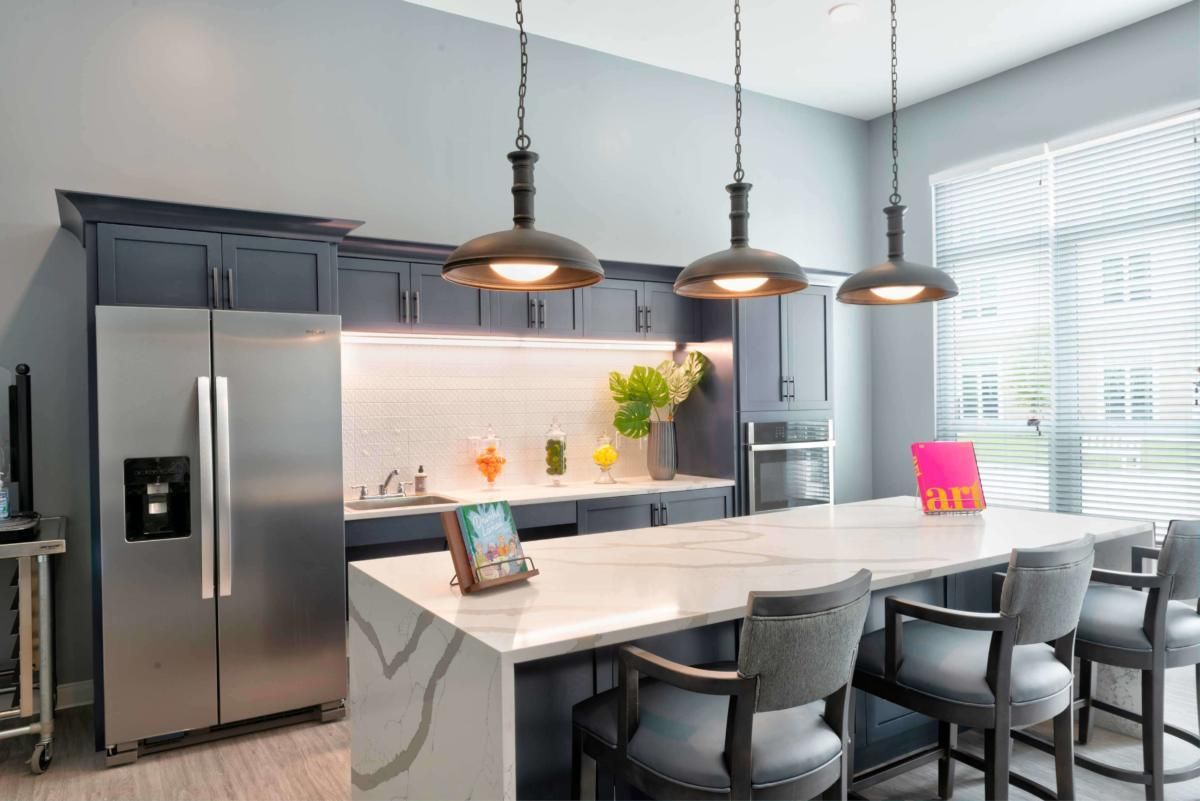
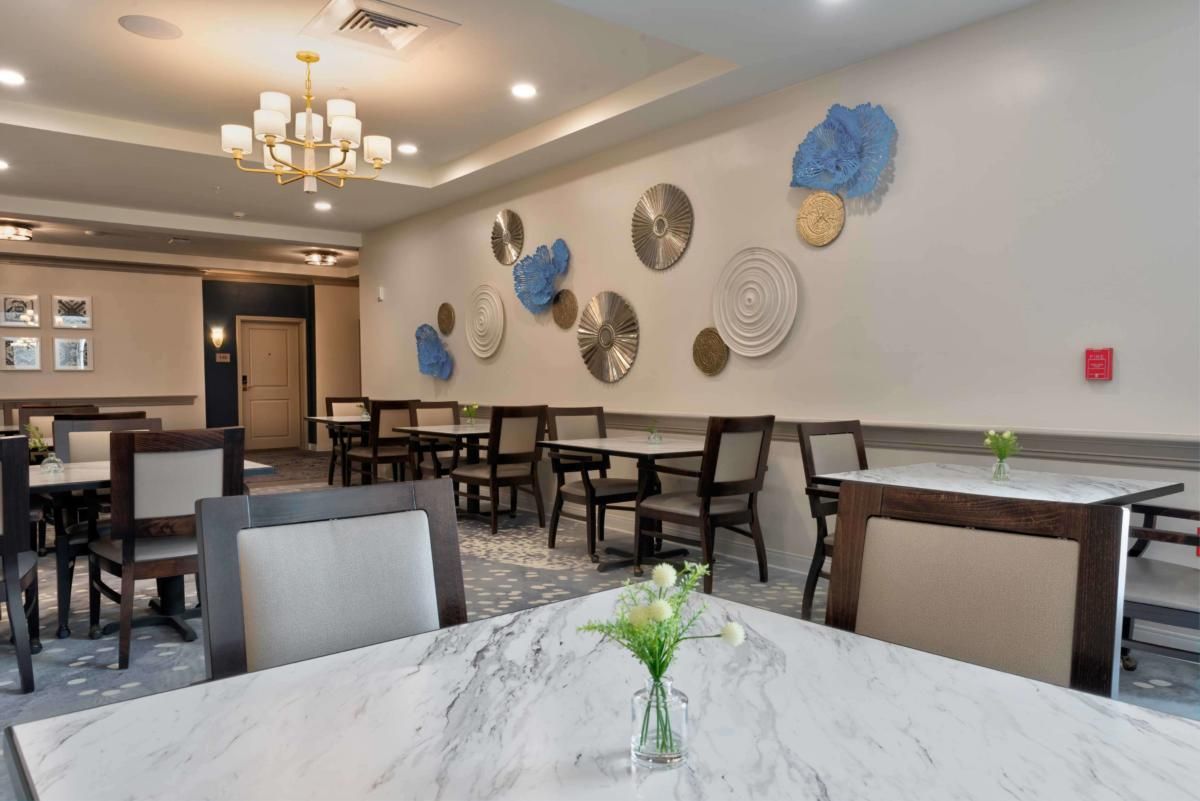
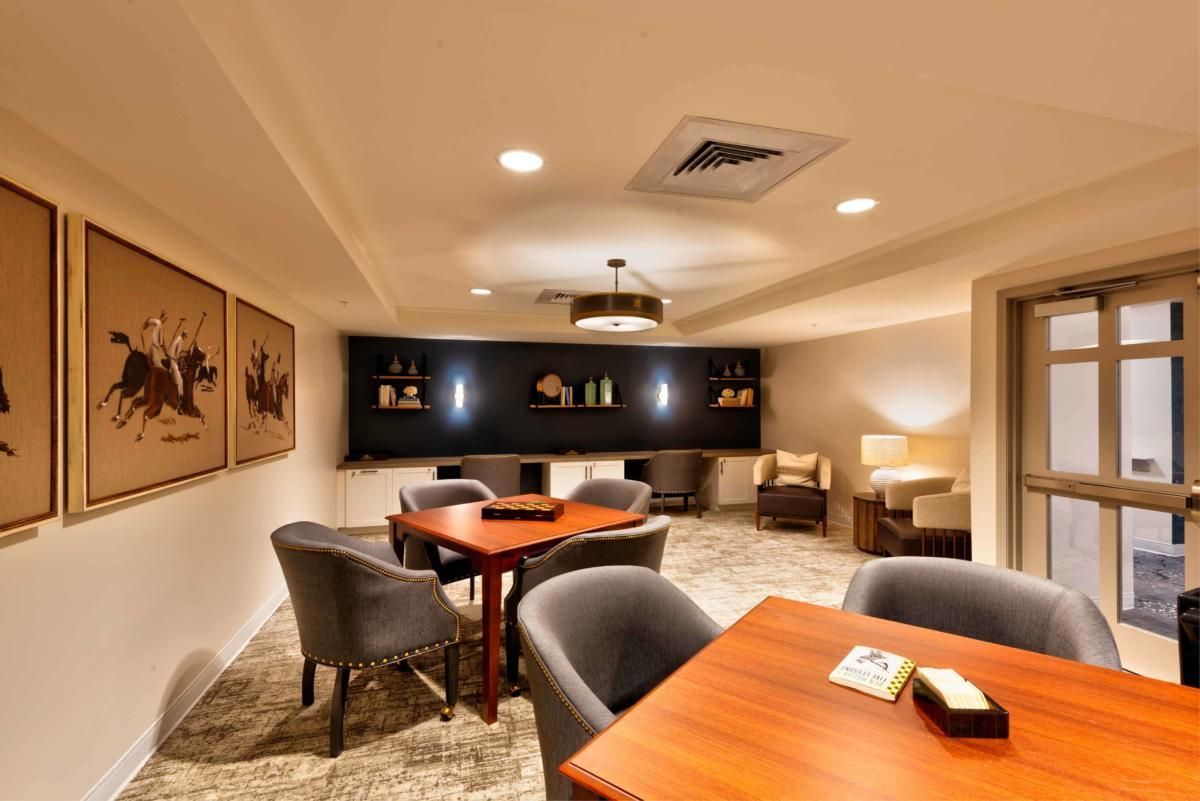
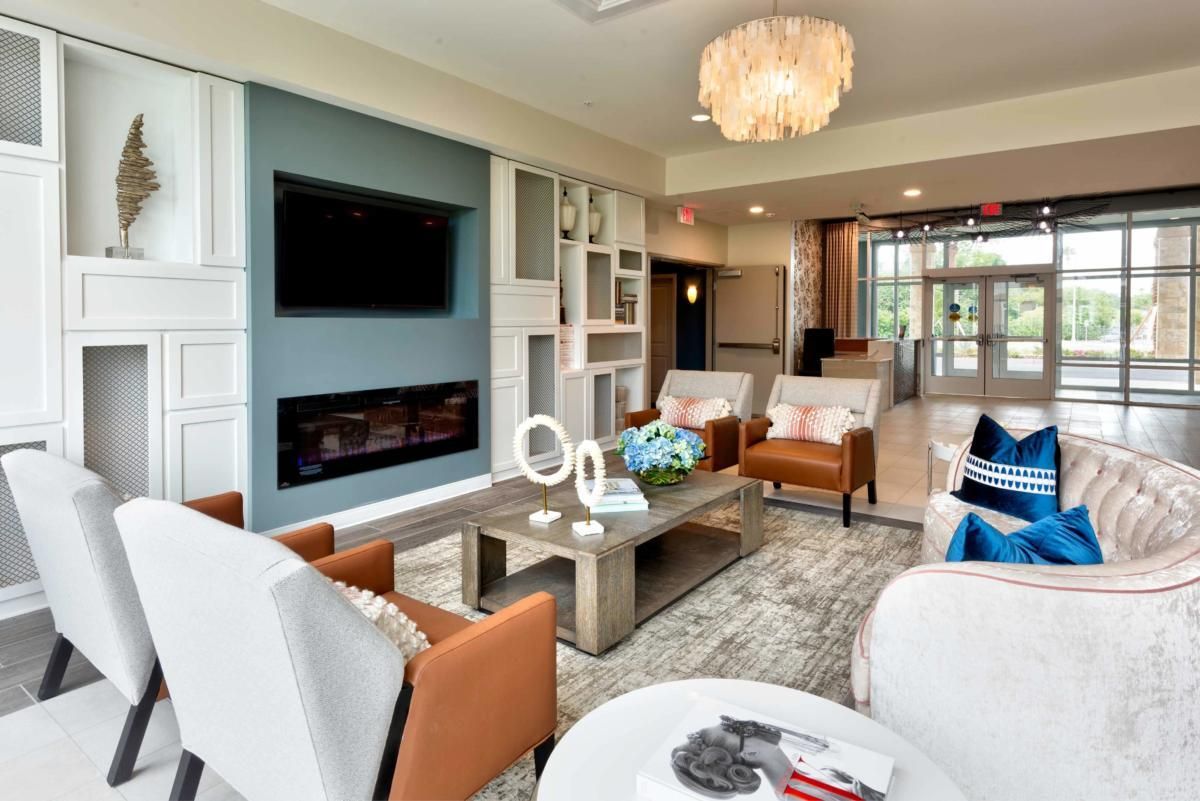
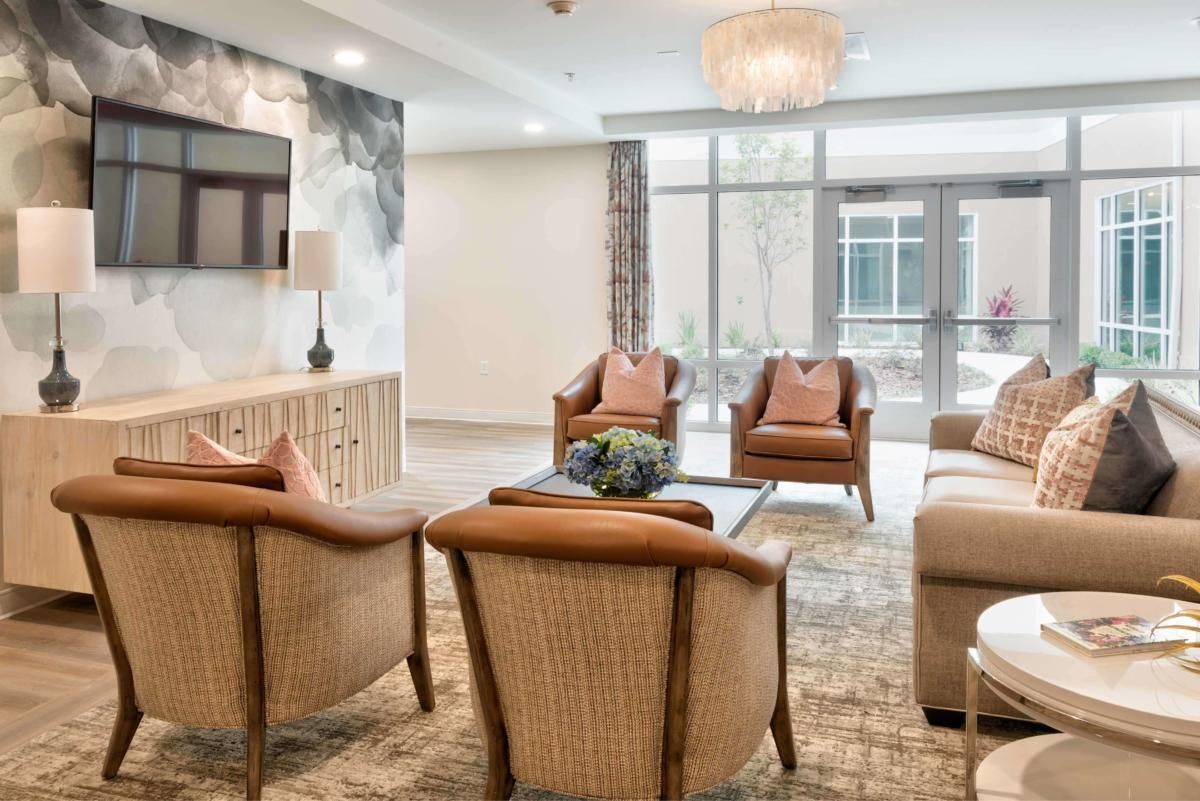
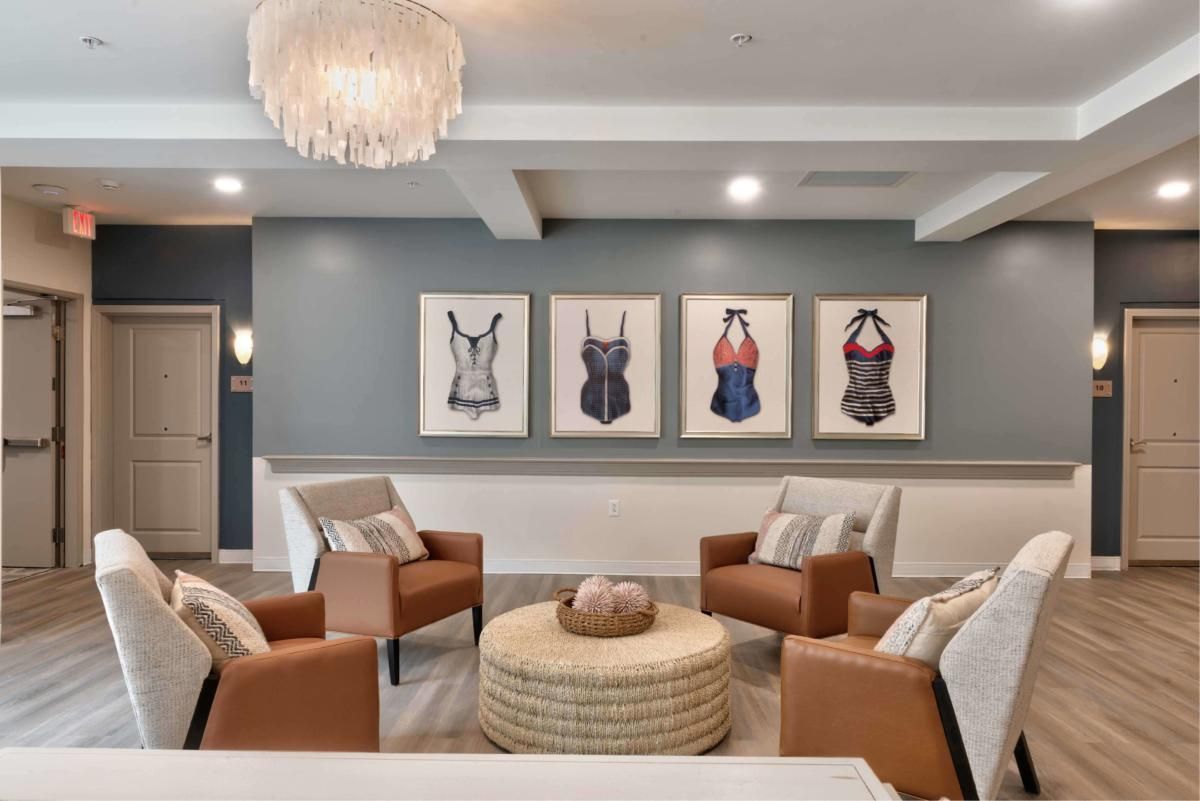
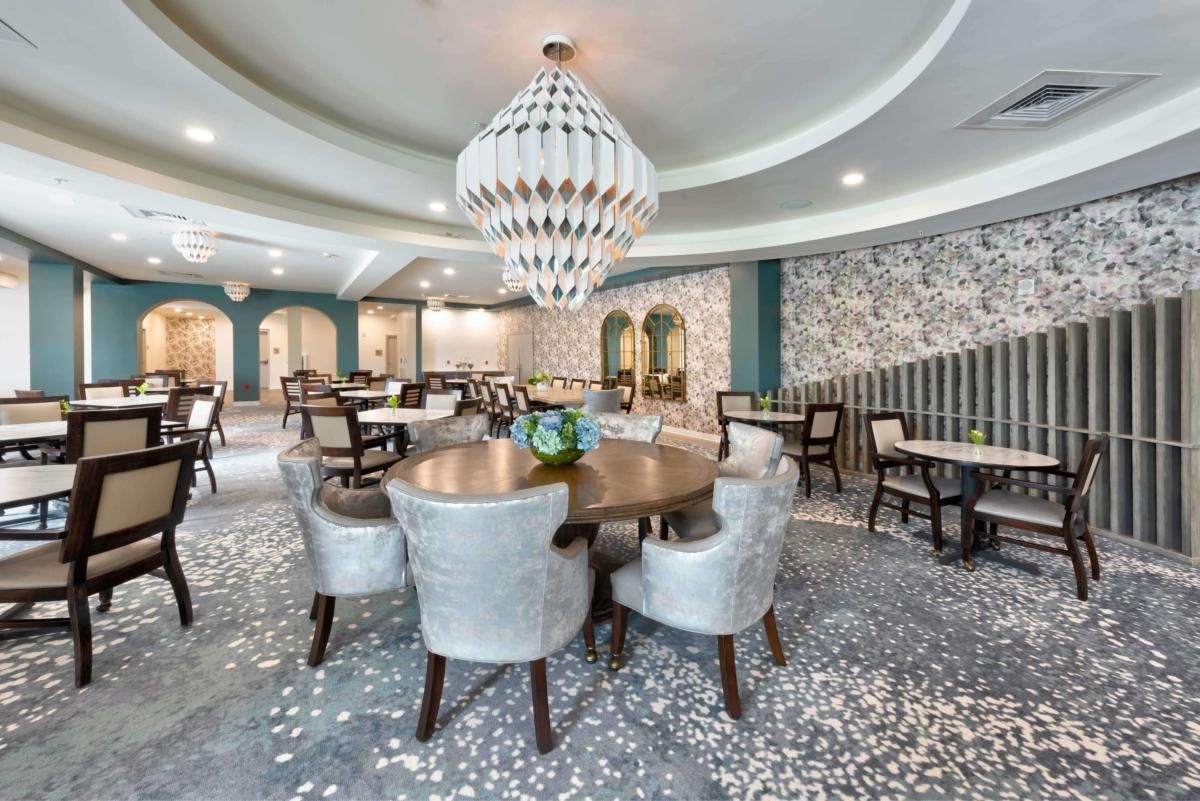
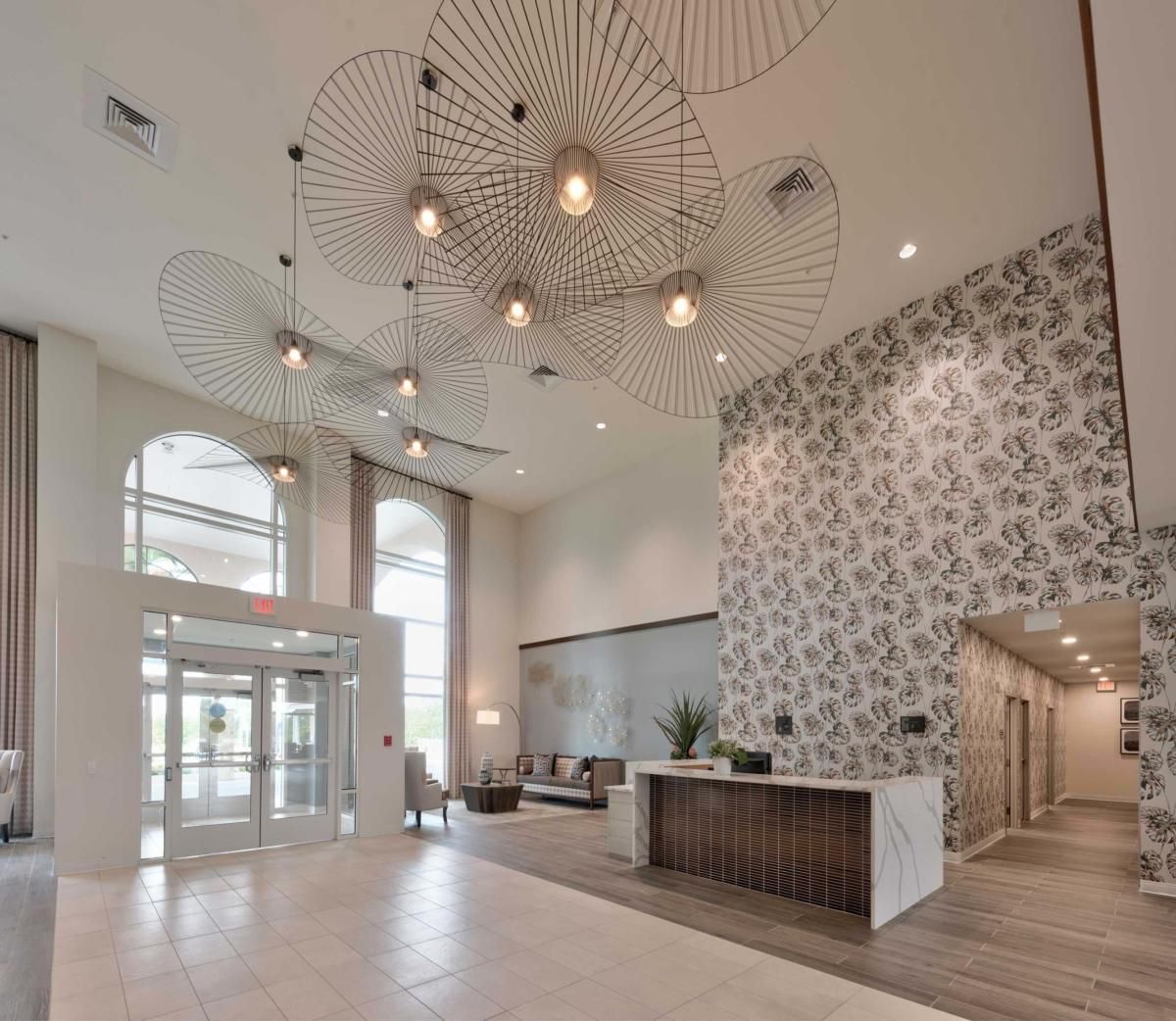
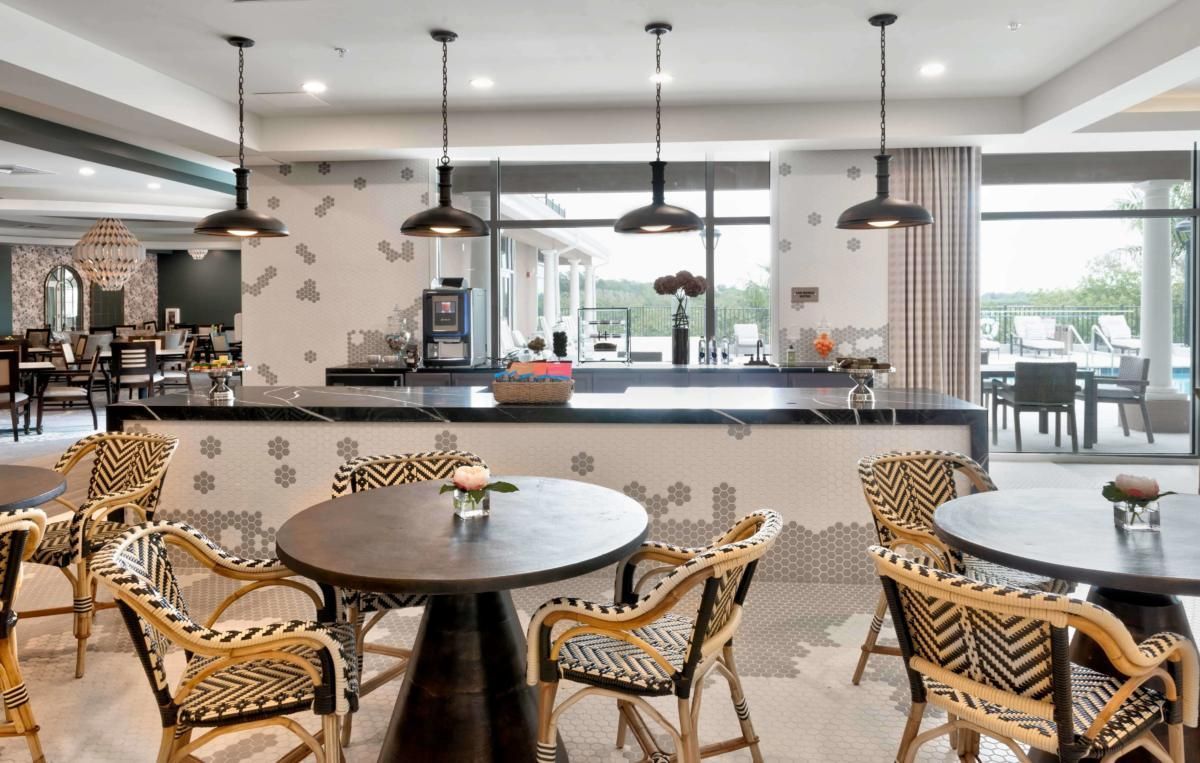
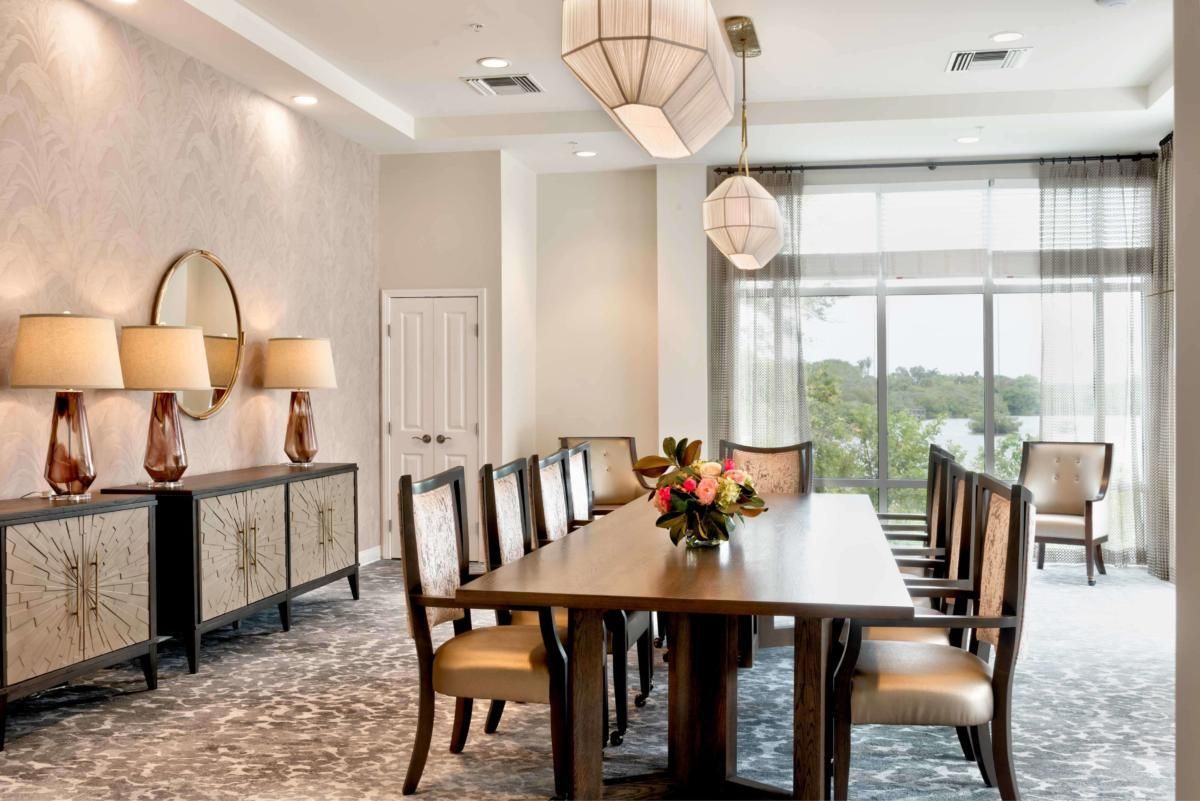
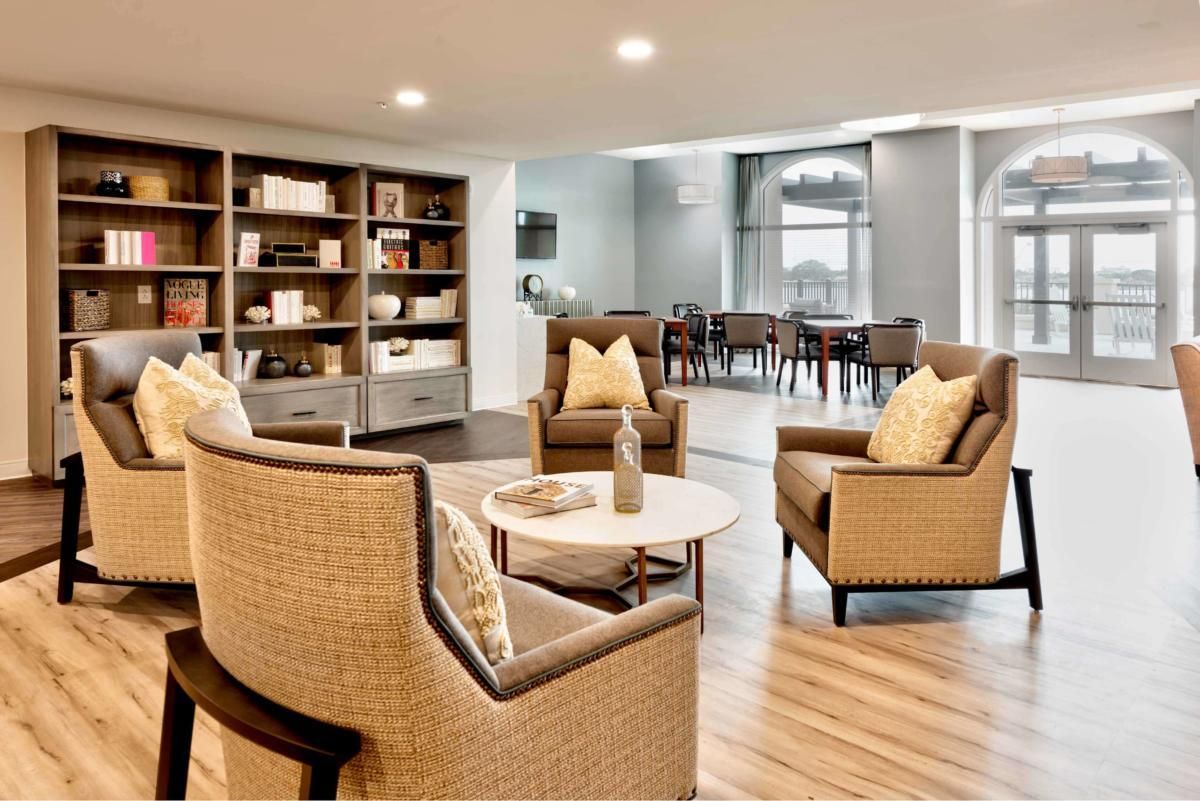
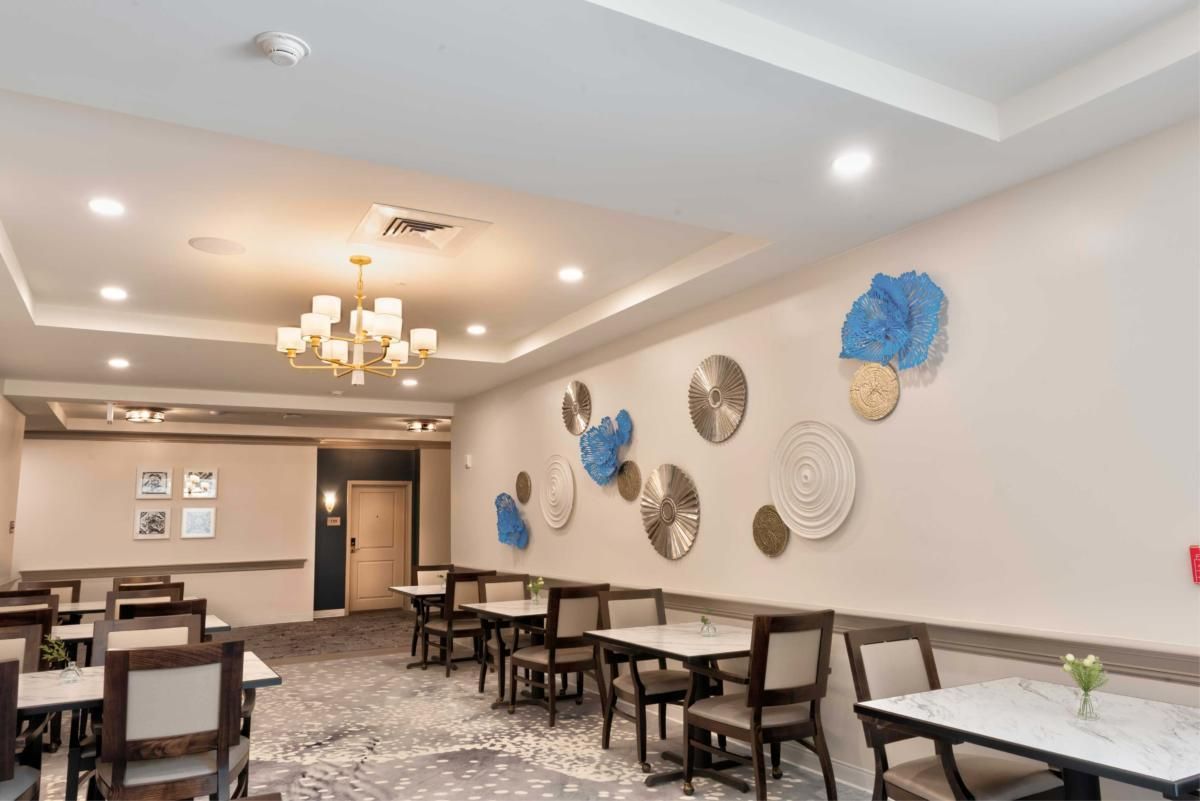
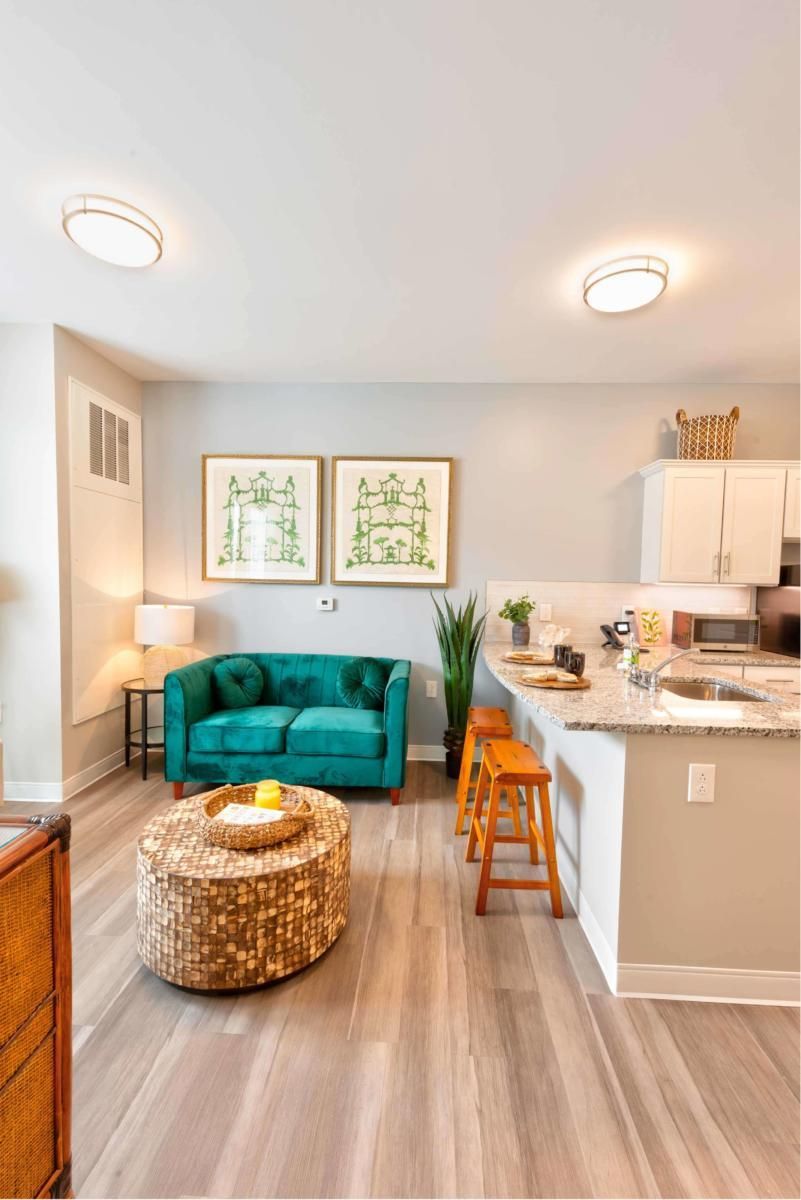
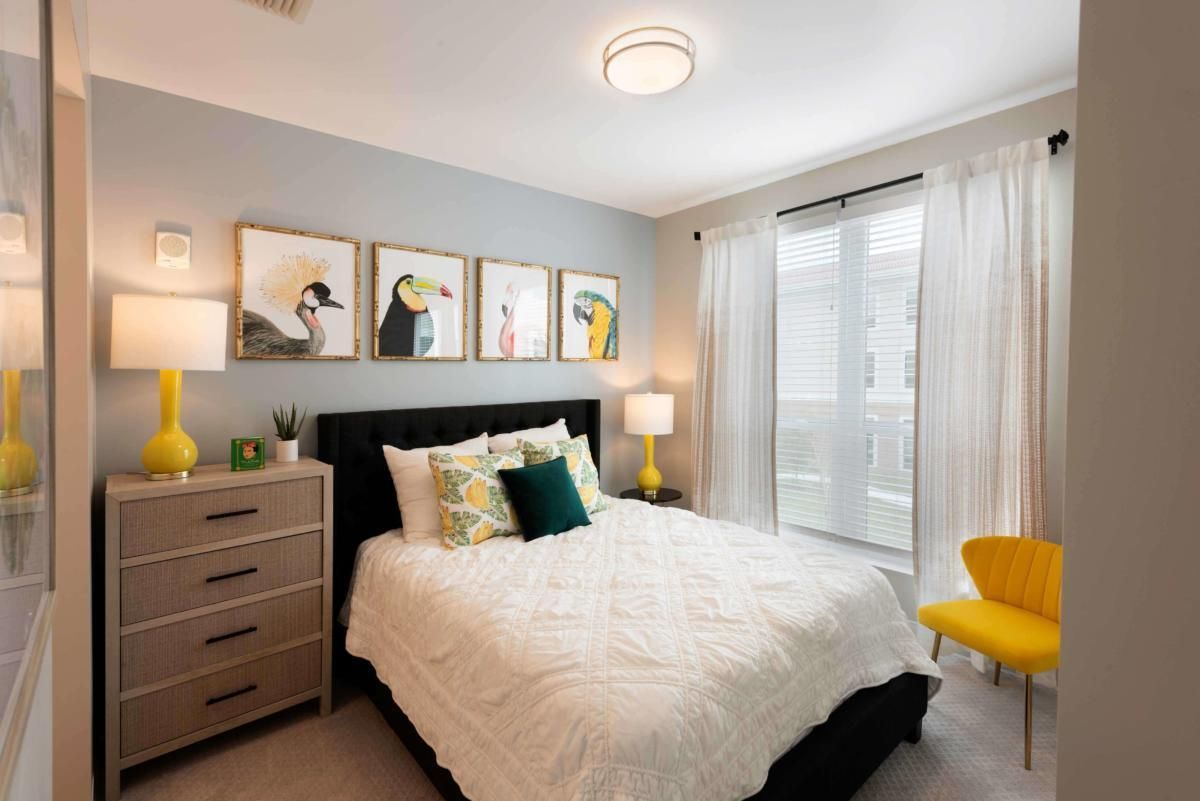
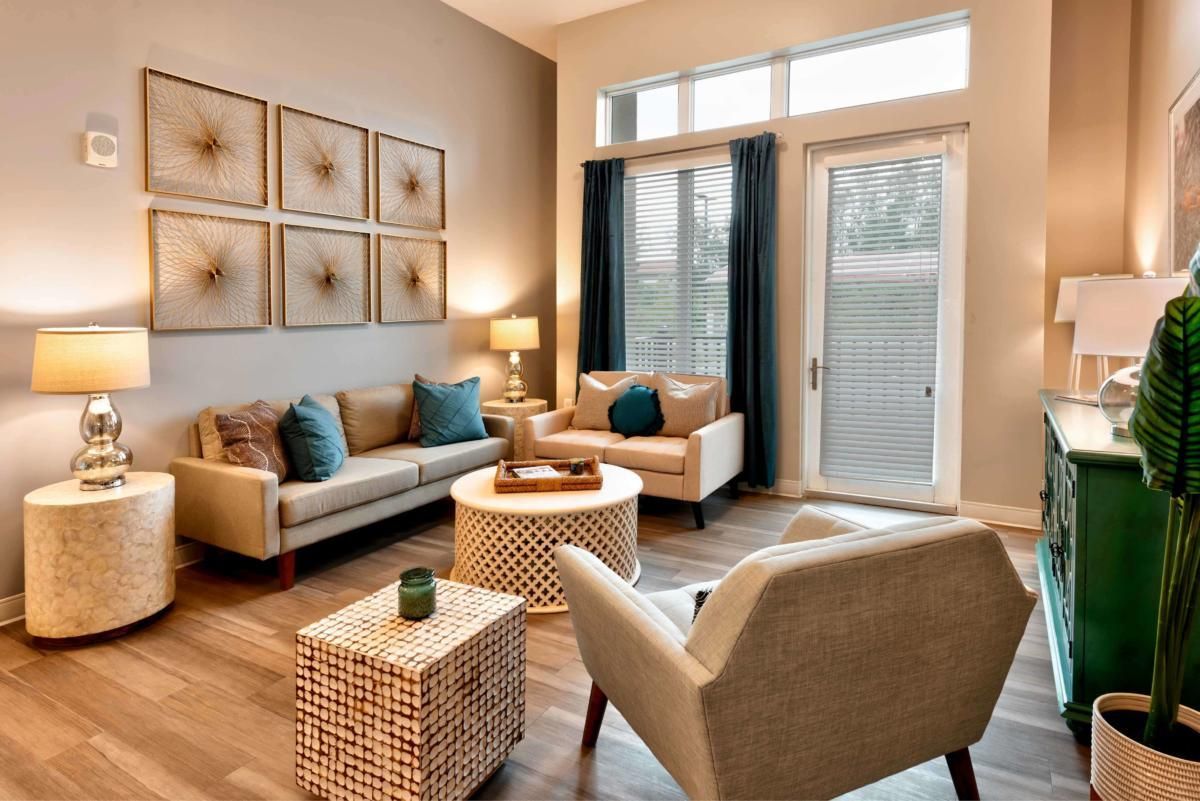
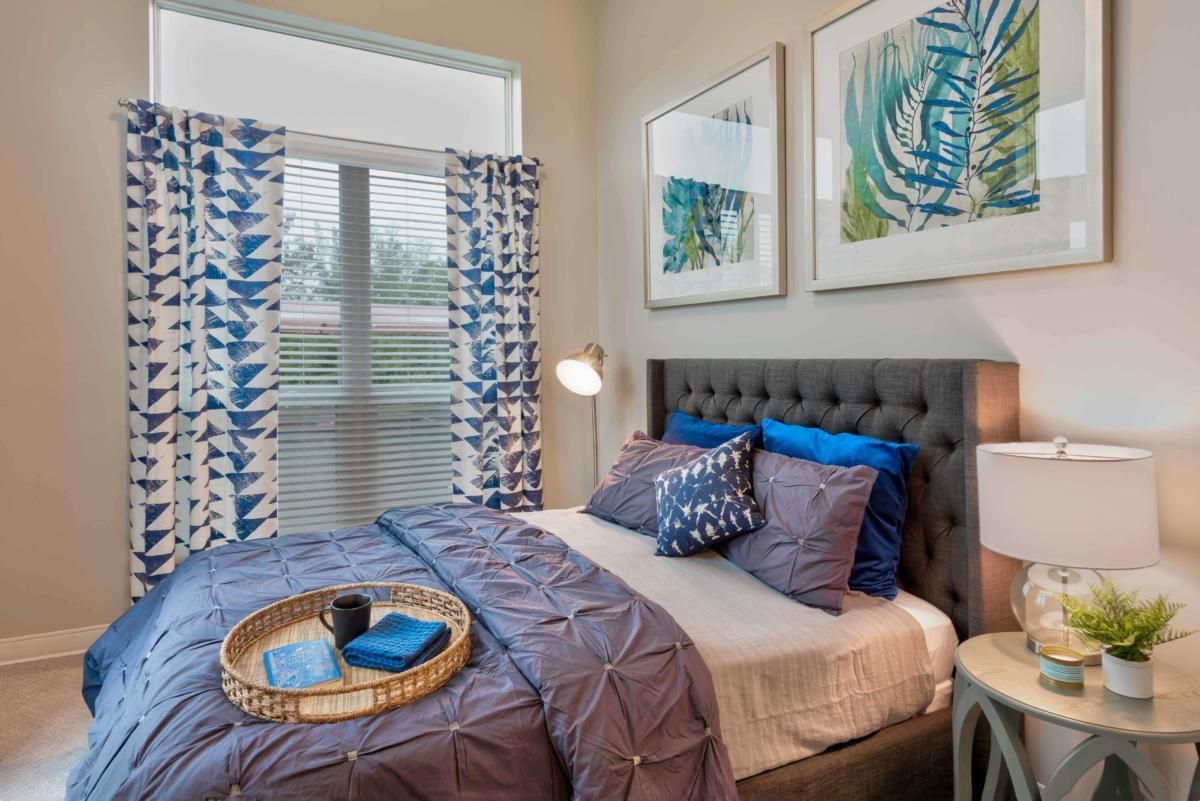
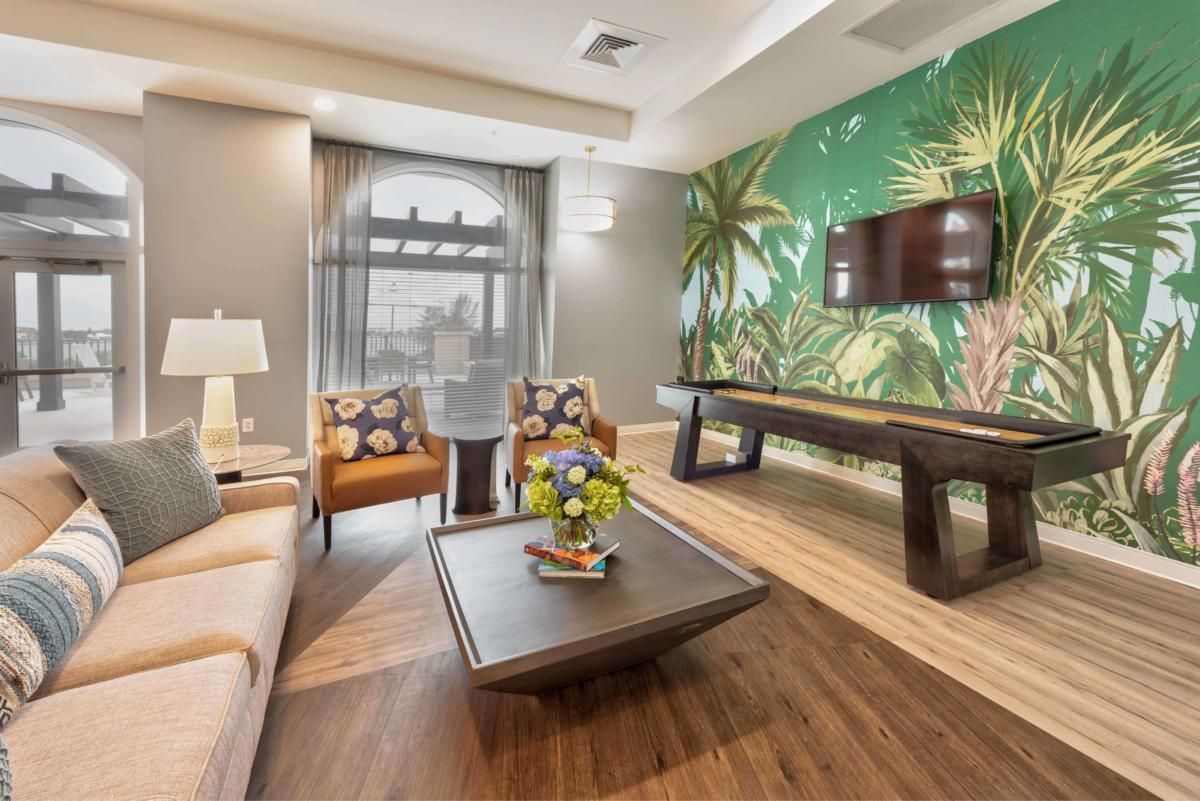
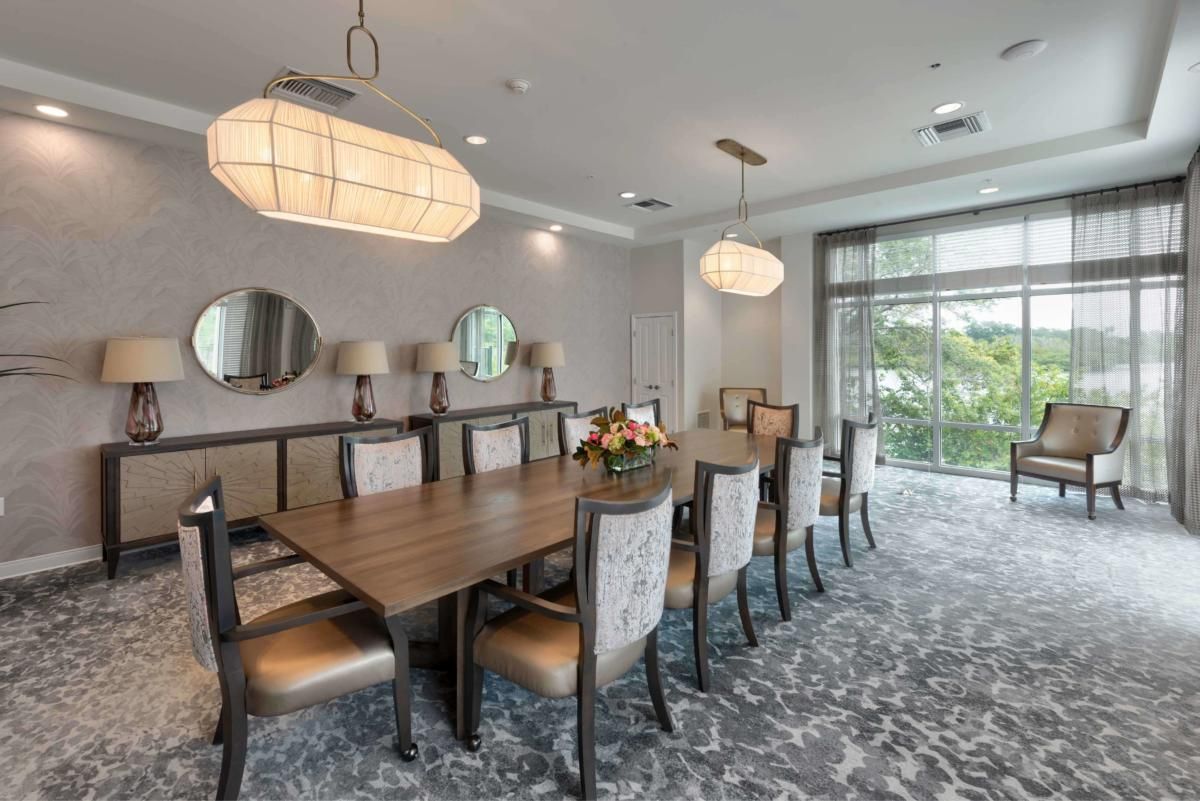
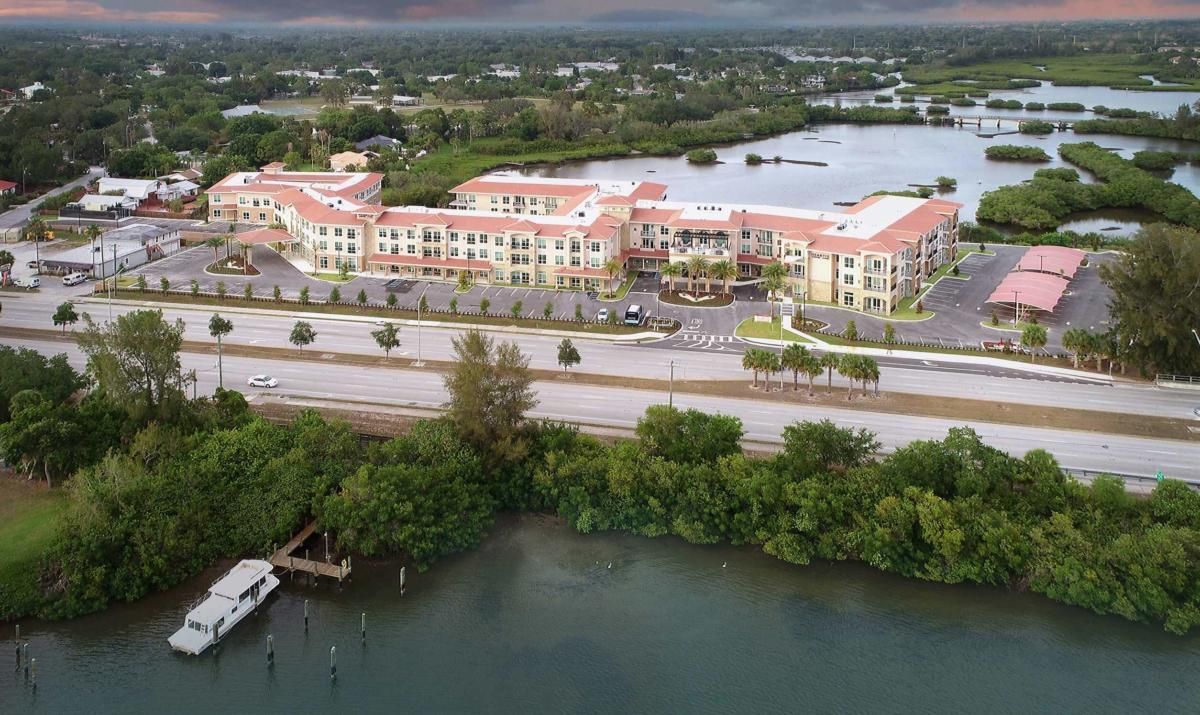
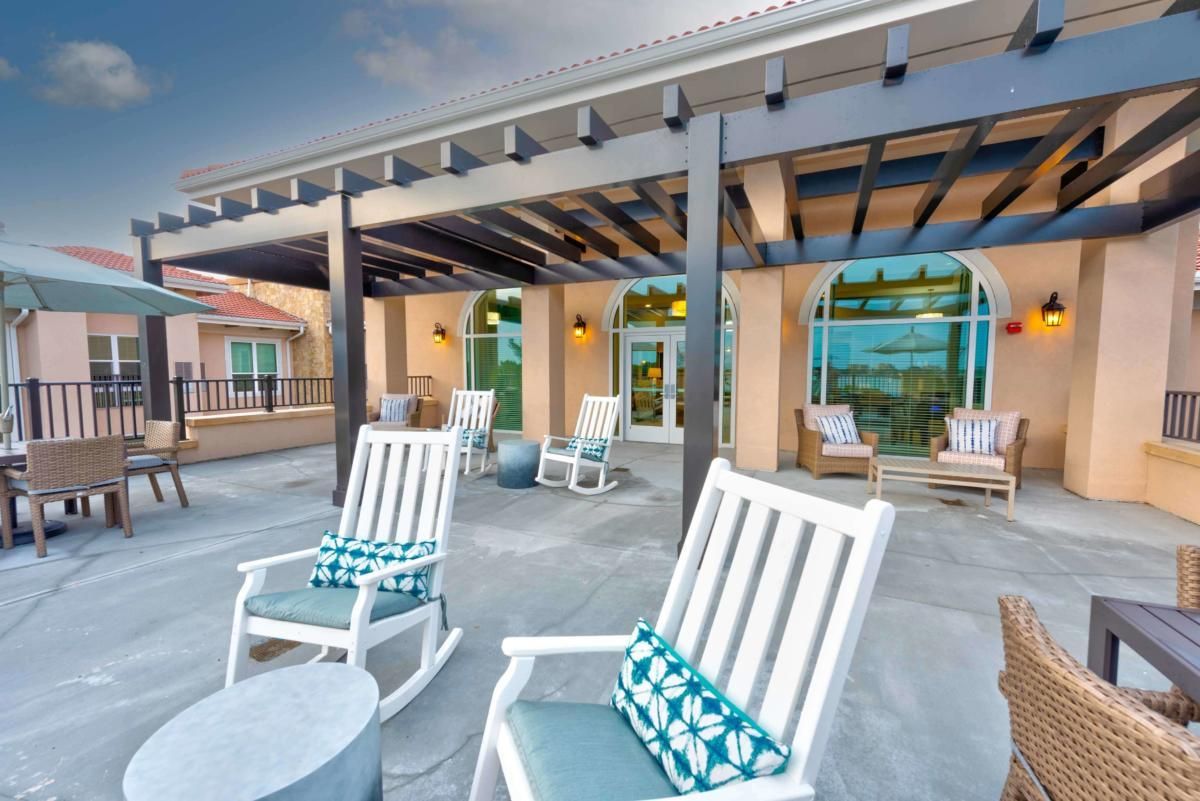
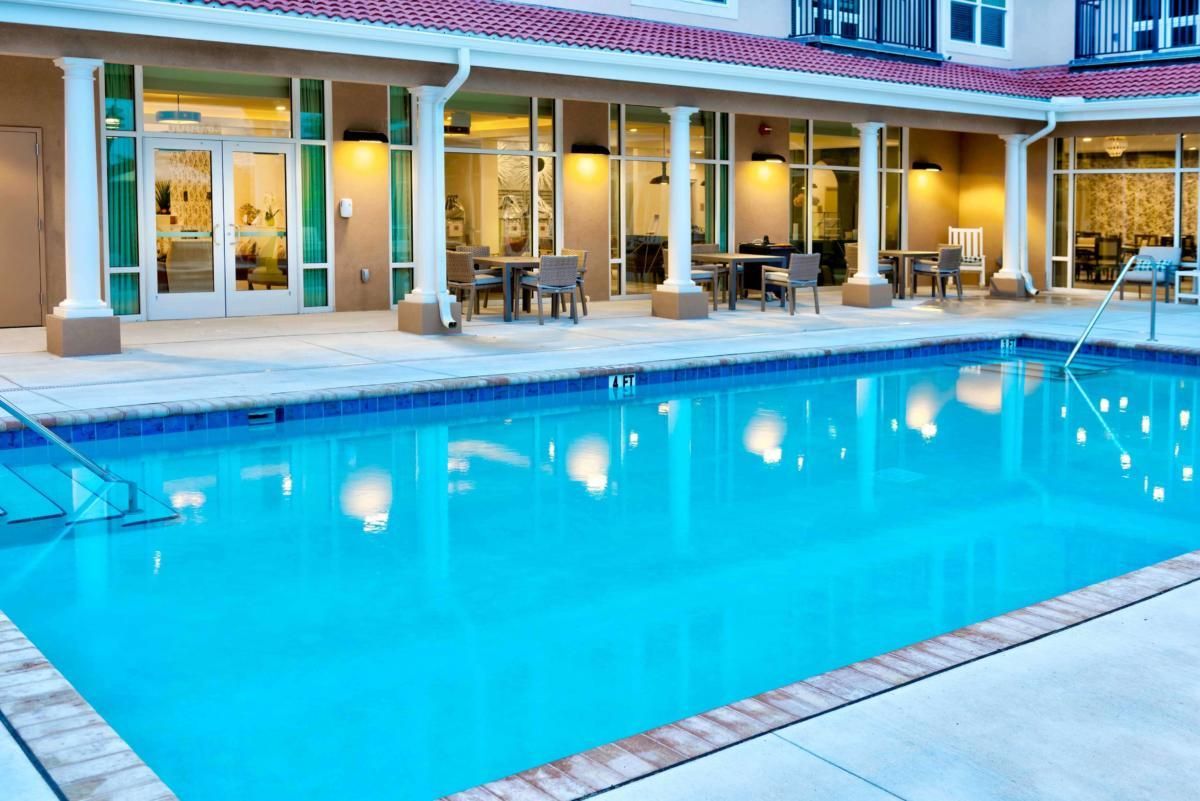
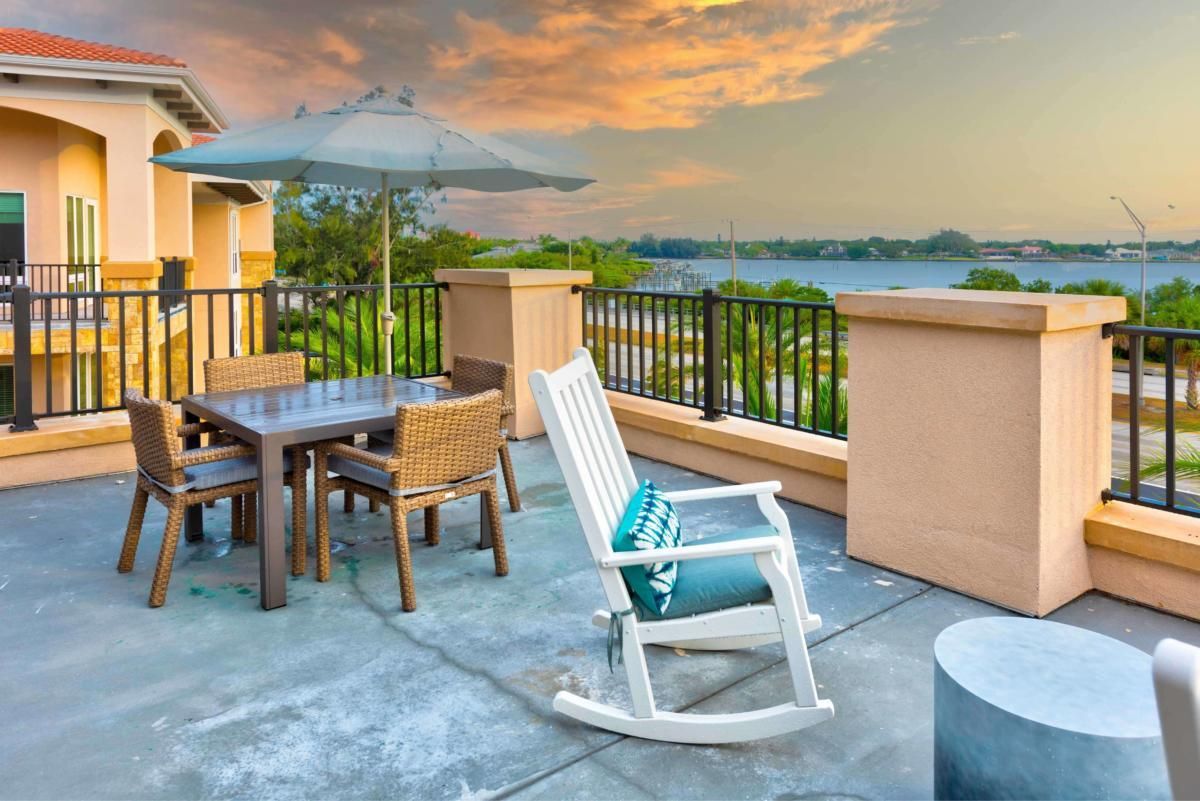
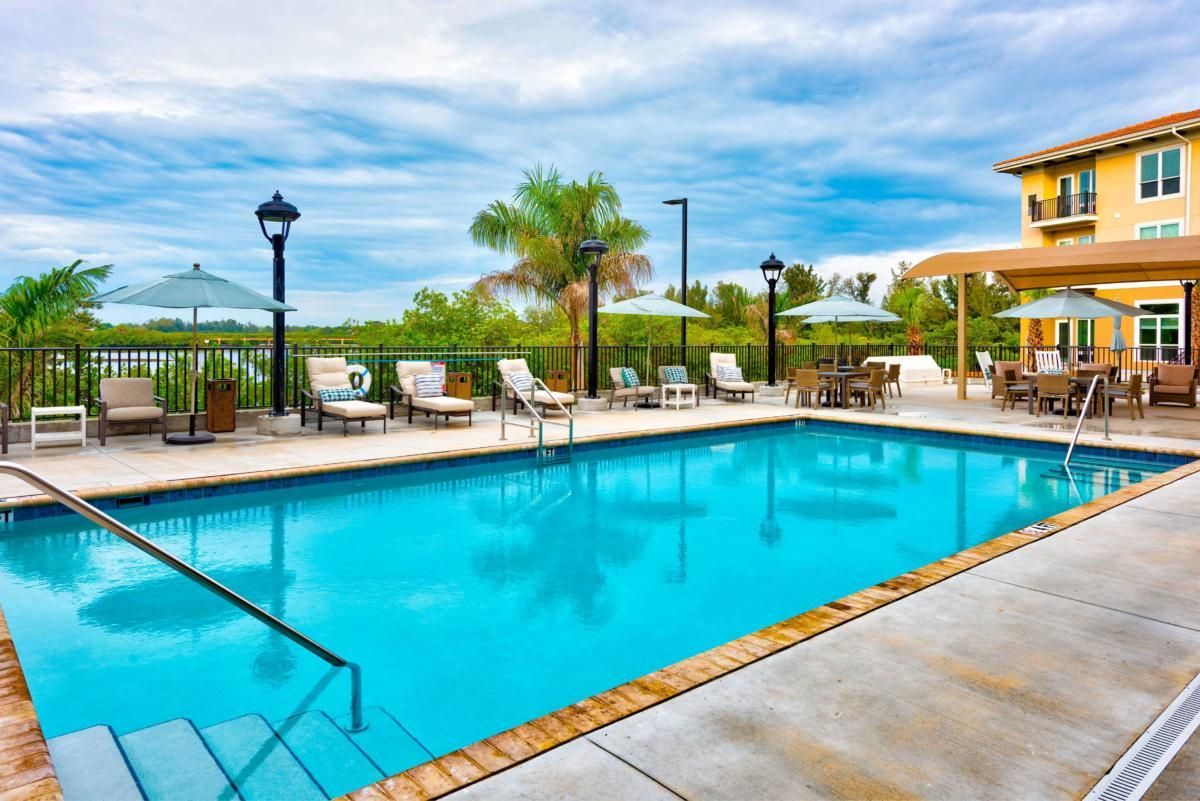
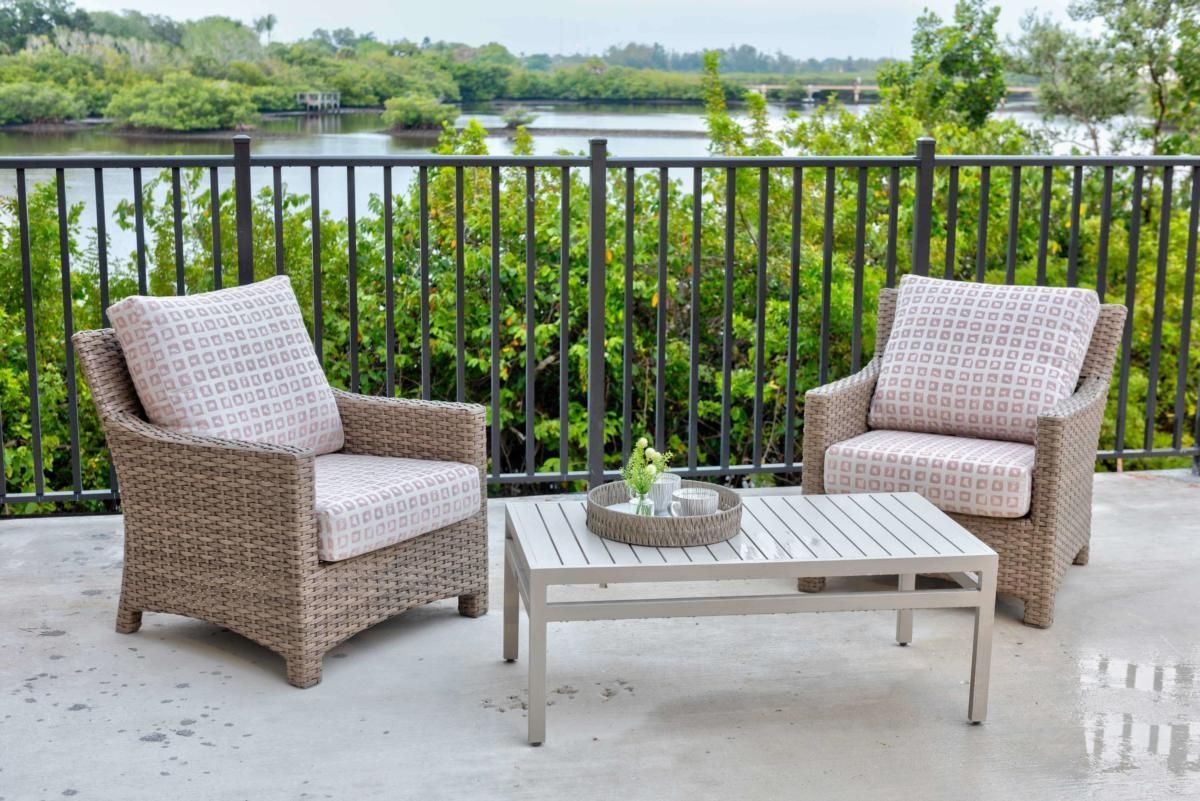
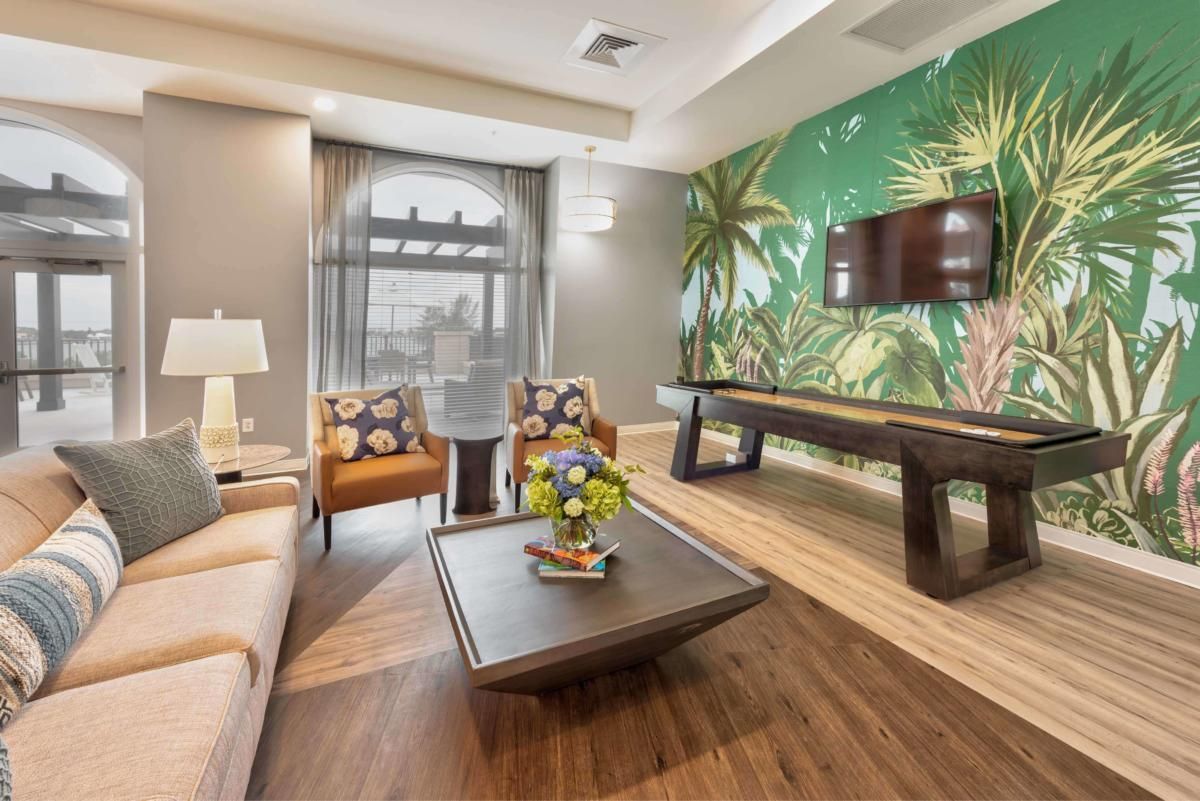
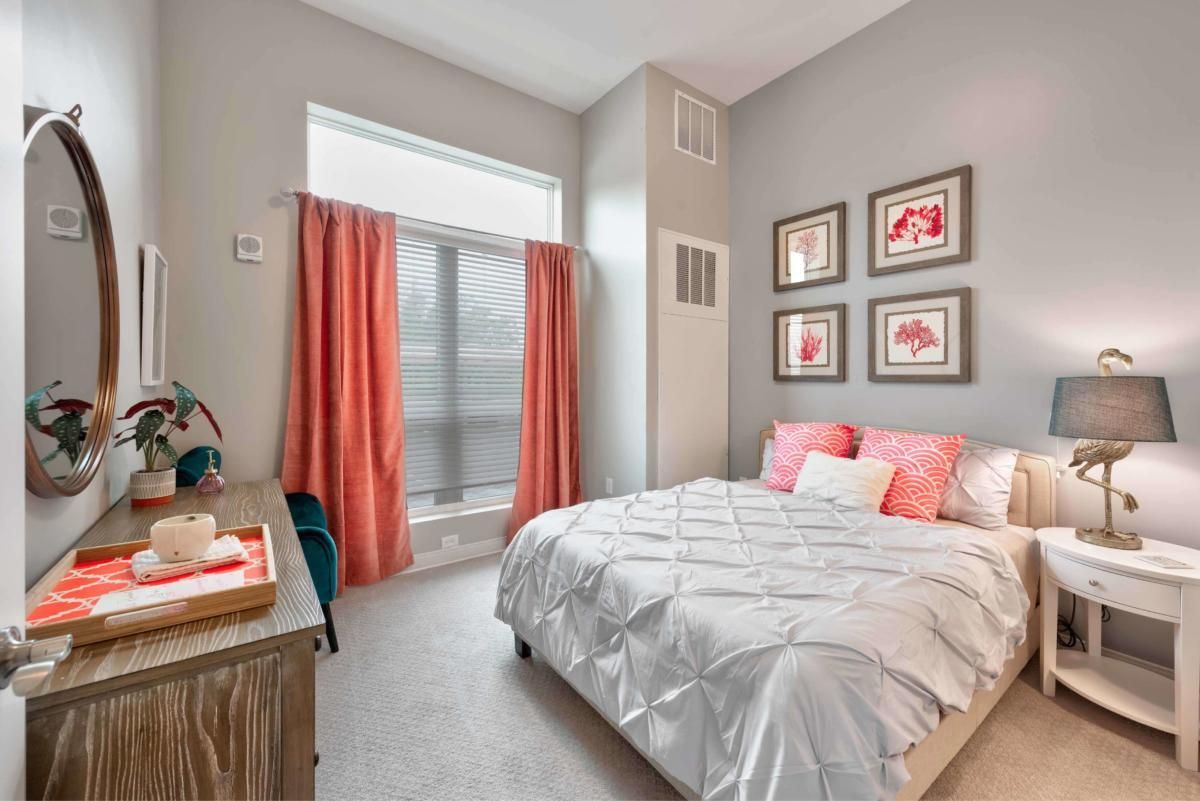
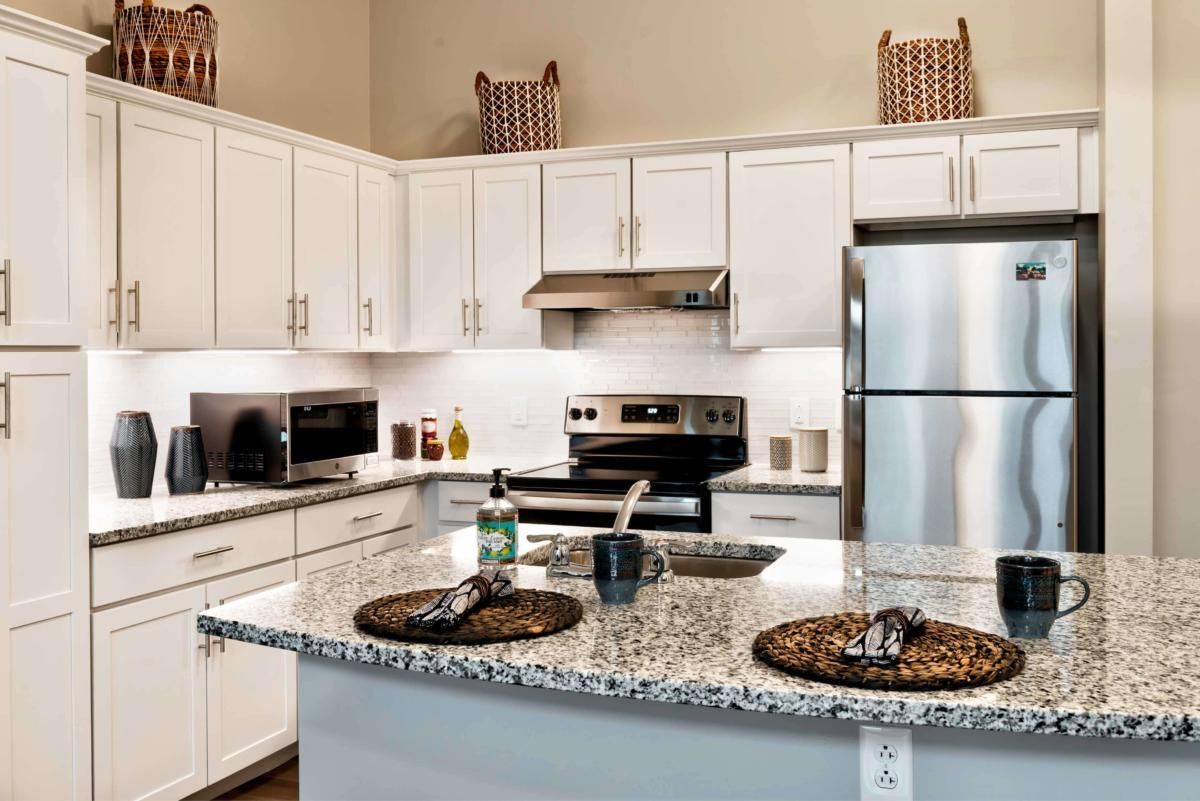
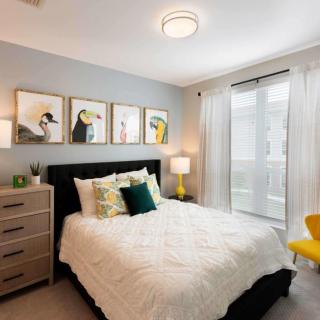
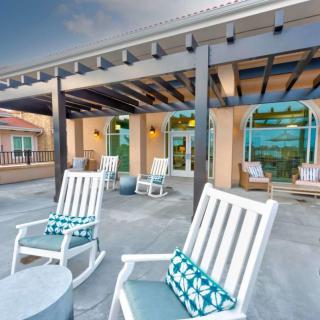
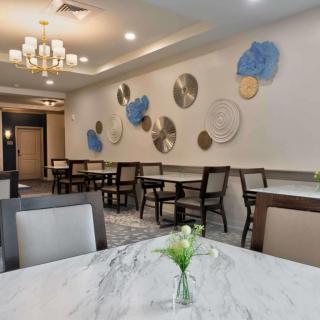
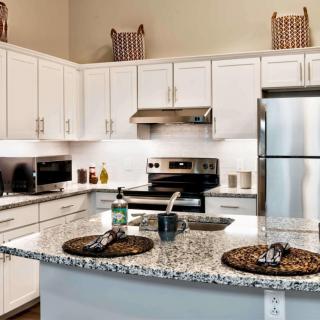
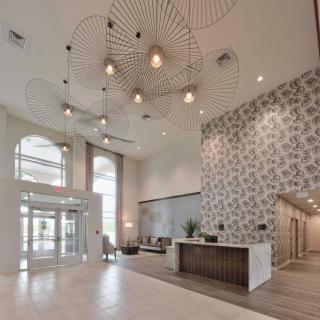
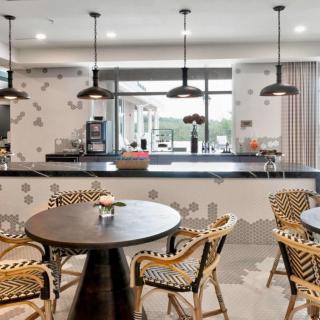
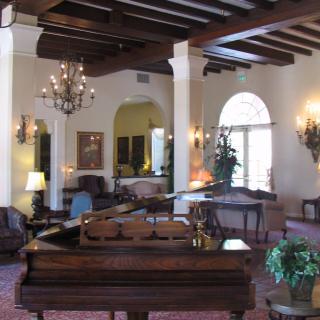
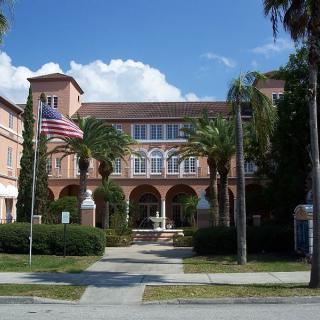
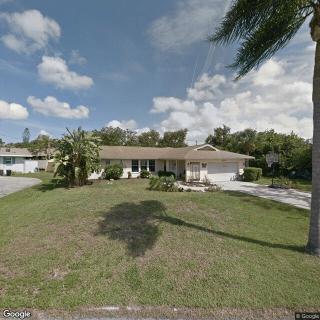
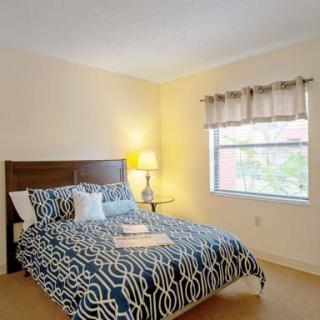
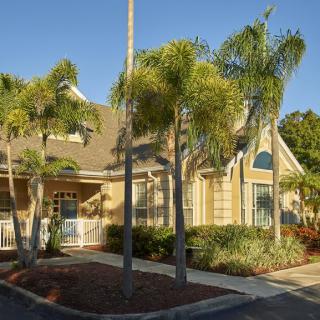
Heartis Venice on seniors.fyi includes 32 photos including images showing interior, decor, dining, living room, artwork, bedroom, chandelier, seating area, and more.
Nearby Communities
Tuscan Gardens of Venetia Bay
Venice, FL
4.7 from 195 reviews
$3,995 to $6,375 / month
Beautiful, welcoming setting with excellent dining and engaging activities.
Heartis - Venice
Venice, FL
4.7 from 103 reviews
Friendly staff, clean environment, and engaging dining/activities.
Mary's On Bayshore
Venice, FL
4.6 from 11 reviews
Cozy, intimate setting with attentive staff and well-kept facilities.
Venice Center For Independent And Assisted Living
Venice, FL
4.2 from 33 reviews
24/7 supervision with comprehensive memory care and extensive amenities.
The Pavilion of Downtown Venice
Venice, FL
4 from 76 reviews
$2,650 to $3,550 / month
Caring staff and historic charm
Family Traditions ALF
Nokomis, FL
Specialized diabetic care in a warm, inviting environment.
The Goldton at Venice
Nokomis, FL
4.7 from 53 reviews
$3,350 to $5,300 / month
Caring staff, engaging activities, and well-maintained amenities.
Elison Assisted Living Of Bella Vita
Venice, FL
4.4 from 71 reviews
Bright, inviting community with caring staff, strong social activities and well-appointed amenities.
Maris Pointe
Venice, FL
4.8 from 61 reviews
$3,995 to $6,195 / month
Caring, attentive staff in a clean, home-like memory care community with engaging activities.
The transition from assisted living to skilled nursing care is often prompted by complex medical needs that assisted living cannot meet, with key indicators including frequent health declines, increased falls, severe memory issues, and caregiver burnout. Families should recognize these signs early to discuss options with healthcare providers and prepare for the emotional and logistical aspects of moving to a facility that offers comprehensive medical support.
Dementia is characterized by cognitive decline, with nutrition playing a vital role in brain health; while no specific diet can prevent or reverse it, a nutrient-dense diet rich in antioxidants and healthy fats may support cognitive function. The MIND diet, which emphasizes beneficial foods and limits processed items, along with proper hydration and individualized meal strategies, can enhance the well-being of dementia patients.
Dementia affects memory and cognitive function in older adults, presenting challenges for caregivers due to behavioral changes such as confusion and mood swings. Compassionate, person-centered care that considers individual history and preferences, along with effective communication and environmental modifications, is essential for supporting both patients and their caregivers.
Get PricingAsk A QuestionSchedule A TourContact Senior Advisor
By clicking submit, you agree to our Partner's Terms of Use. You
also consent to receive calls and texts, which may be autodialed, from our Partner. Your consent is not a condition to
using our Partner's service. Please visit our Partner's Privacy Policy for information about their privacy practices.












 21 resident community capacity
 Assisted Living
 Independent Living
 Memory Care
 Beauty salon
 Cable or satellite TV
 Dining room
 Fully furnished
 Garden
 Housekeeping services
 Kitchenette
 Move-in coordination
 Outdoor space
 Spa
Spa Telephone
 Wi-Fi/high-speed internet available
 Sarasota Bradenton International (21 miles away)
 24-hour call system
 Activities of daily living assistance
 Assistance with bathing
 Assistance with dressing
 Assistance with transfers
 Diabetes diet
 Meal preparation and service
 Medication management
 Mental wellness program
 Special dietary restrictions
 Transportation arrangement (medical)
 Transportation to doctors appointments
 Concierge services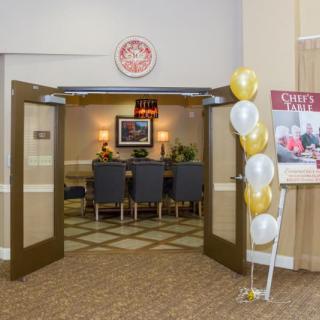
 Beautiful, welcoming setting with excellent dining and engaging activities.


 8 Key Indicators That Suggest It May Be Time to Transition from Assisted Living to Skilled Nursing Care
 Nourishing the Mind: Essential Dietary Approaches for Dementia
 Understanding Dementia Behaviors: Practical Insights and Strategies for Caregivers