10919 Mistletoe Drive, Thonotosassa, FL 33592
To contact a resident: (813) 982-1050
For more information about senior living options: (866) 208-4318
Lakeshore Living Inc Costs & Pricing
Lakeshore Living Inc offers competitive pricing for its residents compared to the broader market in Hillsborough County and across Florida. For a semi-private room, Lakeshore Living Inc charges $2,800 per month, which is notably more affordable than the county average of $3,096 and the state average of $3,009. Similarly, their studio accommodations are priced at $3,500, providing an attractive alternative to the county's average of $3,685 and Florida's average of $3,823. These rates reflect Lakeshore Living Inc's commitment to delivering quality care and comfortable living arrangements while ensuring that cost remains accessible for individuals seeking residence in a supportive community.
| Floor plans | Lakeshore Living Inc | Hillsborough County | Florida |
|---|---|---|---|
| Semi-Private | $2,800 | $3,096 | $3,009 |
| Studio | $3,500 | $3,685 | $3,823 |
Assisted Living communities with a similar price nearby
-
from -$300 / mo
Garden Oasis Alf
$2,500 to $3,500 / month10.1 miles away -
from +$200 / mo
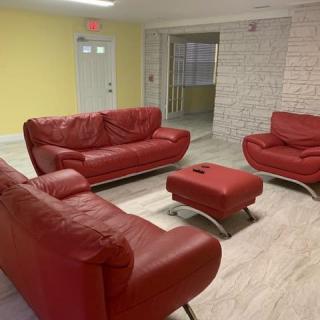
Mary's Assisted Living Facility House
$3,000 / month8.7 miles away -
from -$100 / mo
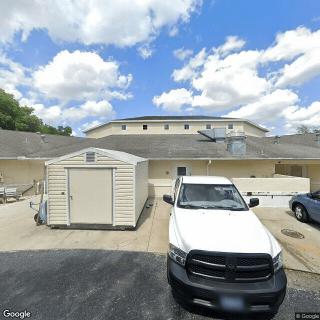
Alafia Village
$2,700 to $4,000 / month12.2 miles away -
from -$300 / mo

Mi Bello Hogar Living Facility
$2,500 / month13.7 miles away -
from +$295 / mo
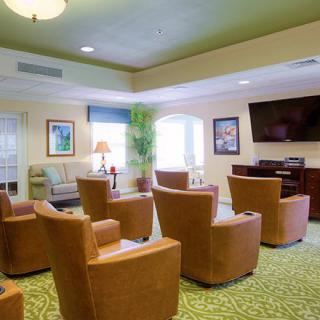
Homewood At Sun City Center
$3,095 to $6,500 / month24.3 miles away
Overall Review of Lakeshore Living Inc
Pros
 David the owner was very nice and willing to show visitors the place.
- The staff was knowledgeable and friendly.
- The CNAs were very helpful.
- The administrator there was great.
- Lakeshore Living had beautiful pictures on its website.
- It had a home-like, mom-and-pop feel.
Cons
 Lakeshore Living was an old place and kind of rundown.
- The owner was sweaty and not really ready for visitors.
- They had lost their license and were not licensed at the moment, with no residents there.
- The paperwork issue meant all residents were sent to other facilities, which disheartened them.
- The entry required going through the kitchen to reach the office, and from there it was all downhill.
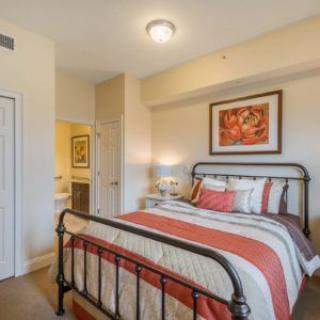
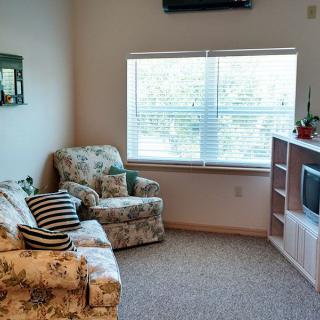
- The rooms were very small and everyone used the same bathroom.
- It wasn’t designed for assisted living and looked less professional than the others.
Review
Lakeshore Living Inc in Thonotosassa appears best suited for families seeking a very intimate, home-like setting where a small, family-style operation can deliver personal attention and quick responsiveness. It is likely to appeal to seniors who value direct access to a hands-on owner/administrator and who are comfortable with a setting that feels more like a house than a modern campus. However, this community is probably not ideal for those who require robust professional oversight, structured programming, or a facility built and staffed to contemporary assisted-living standards. For families prioritizing regulatory compliance, safety infrastructure, and a more professional atmosphere, alternatives should be strongly considered.
The strongest positives lie in the human touch. The staff, including the administrator and CNAs, were repeatedly described as knowledgeable, friendly, and genuinely helpful at getting a loved one what was needed in the moment. That personal attentiveness can translate into dependable day-to-day care, especially during short-term stays or transitions. The setting’s home-like character, embodied in a remodeled, non-institutional environment, can feel less intimidating for a resident who thrives on familiarity and a quieter pace. When intact, these features foster a sense of comfort and a feeling that caregivers know the resident’s preferences and routines.
Yet the cons are substantial and cannot be dismissed. The most decisive drag is regulatory: the facility reportedly lost its license at one point, sending residents to other facilities as a consequence. That kind of lapse is a meaningful red flag for safety, continuity of care, and future planning. Beyond regulatory concerns, Lakeshore Living presents a layout and ambiance more akin to a repurposed home than a purpose-built assisted-living community. Small rooms, a shared bathroom, and a kitchen-to-office entry create chronic privacy and dignity concerns. The physical footprint is not designed for scalable, everyday assisted living, which can translate into a cramped feel and a sense that residents do not have a private retreat of their own.
Social programming and professional polish also lag behind expectations for many families. The activity menu tends toward basic options, bingo, TV, without the breadth of programming that supports sustained engagement or cognitive stimulation. The overall aesthetic, less professional, more “mom-and-pop house”, may be charming to some, but it undermines the sense of a secure, consistently supervised environment. The reported path in through the kitchen to the office underscores a lack of logistical separation between staff operations and resident living space, which can raise concerns about privacy and safety. While the staff’s care quality can be strong, the facility’s structure and atmosphere do not reliably deliver the assurance many seeking long-term placement require.
The key balance, then, hinges on what a family values most. If personal attentiveness, flexibility, and a homey, low-stress environment are paramount, and if a short-term or transitional placement is contemplated, these advantages may offset some drawbacks. However, for families prioritizing consistent regulatory compliance, privacy, ample social programming, and a polished, professional setting, the cons outrun the pros. The license issue alone shifts the risk calculus; it suggests that Lakeshore Living should be approached with caution and treated as a potential stopgap rather than a long-term solution.
For families who still want to explore Lakeshore, concrete next steps are essential. Verify the current licensing status in writing and confirm a clear plan for any past lapses, including how care will be staffed and overseen. Schedule multiple tours that specifically inspect private versus shared spaces, bathroom arrangements, and safety features such as call systems and emergency protocols. Meet the administrator and a few CNAs to assess consistency, responsiveness, and communication. Ask for a detailed schedule of day-to-day activities and a sample menu to gauge nutritional support and stimulation. And compare with purpose-built, licensed assisted-living communities with stronger safety reputations and more robust activity programming to determine whether Lakeshore Living is a fitting short-term transition or a less optimal long-term choice.
In the end, Lakeshore Living offers undeniable warmth and hands-on care within a very modest, home-like frame. That combination can delight a subset of families and residents who prize personal attention over institutional polish. For the majority, those who need dependable regulatory compliance, greater privacy, structured social programming, and a more professional ambiance, the cons present a clear case to pursue other options first. The decision rests on aligning the resident’s needs for safety, privacy, and activity with the facility’s capacity to deliver reliable, long-term stability.
 Studio apartments
 Assisted Living
 Cats allowed
 Dogs allowed
 Activities on-site
 Beautician on-site
 Cable or satellite TV
 Devotional services off-site
 Dining room
 Financing advice
 Garden
 Guest parking
 Hiking trails
 Housekeeping services
 Indoor common areas
 Laundry
 Party space
 Respite or short term stays offered
 Security gate
 Wheelchair accessible showers
 Wi-Fi/high-speed internet available
 Tampa International (16 miles away)
 Transportation & parking
 Ambulatory care
 Diabetic care
 Medication management
 Physical therapy
 Meals provided
 Arts and crafts
 Book club
 Cooking club
 Educational speakers / life long learning
 Games
Games Live musical performances

 When to Transition from Assisted Living to Memory Care: Key Indicators, Steps, and Finding the Right Community
 Assisted Living and Memory Care: Understanding Their Core Differences
 Beyond the Bingo Hall: 50+ Enriching Activities for Seniors in Assisted Living