
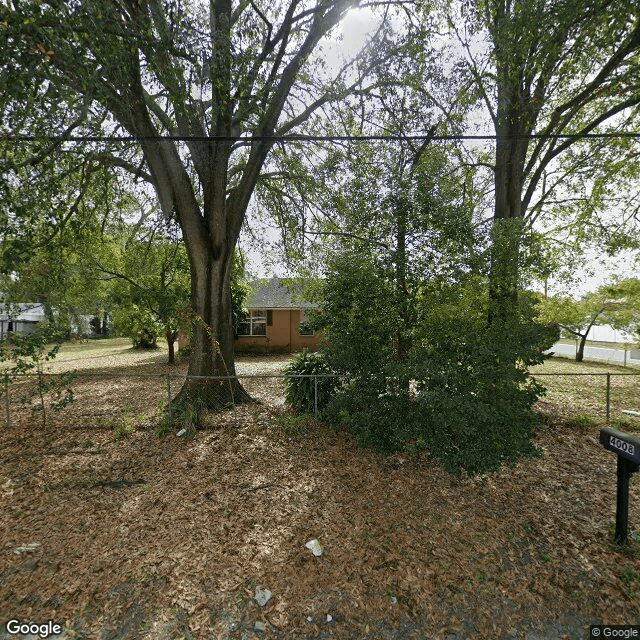
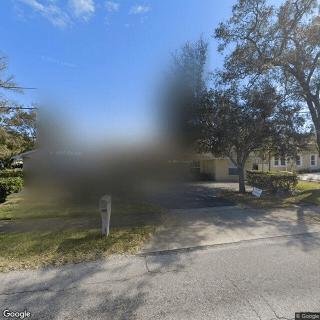
4008 West Broad Street, Tampa, FL 33614
To contact a resident: (813) 374-5033
For more information about senior living options: (866) 208-4318
Your House Assisted Living Facility Costs & Pricing
Your House Assisted Living Facility offers competitive pricing for its residents, with monthly costs distinctly more affordable than both Hillsborough County and the broader state of Florida. For semi-private accommodations, residents pay $2,000 per month, significantly lower than the county average of $3,096 and the state average of $3,009. Additionally, private rooms at Your House are available for $3,000 monthly, which still represents a considerable savings compared to Hillsborough County's average of $3,384 and Florida's average of $3,699. This thoughtful pricing structure not only reflects our commitment to providing accessible care but also positions us as an attractive option for families seeking quality assisted living services without compromising on financial stability.
| Floor plans | Your House Assisted Living Facility | Hillsborough County | Florida |
|---|---|---|---|
| Semi-Private | $2,000 | $3,096 | $3,009 |
| Private | $3,000 | $3,384 | $3,699 |
Overall Review of Your House Assisted Living Facility
Pros
 The staff are caring and friendly.
- The food offers a great variety.
- Residents stay active thanks to the available activities.
- Families would recommend this community for the good care and value it provides.
Review
Your House Assisted Living Facility in Tampa is best suited for seniors who prize a warm, attentive environment within a smaller, more personable setting. Families facing the daily realities of caregiving will find a home where staff are described as caring and friendly, and where a resident’s day can be filled with meaningful interaction. The single family experience highlights not only compassionate hands-on care but also a reassuring sense of community where meals and routine feel reliable. For a senior who values personal attention, steady companionship, and a straightforward, value-driven arrangement, this community checks a lot of boxes.
The strongest selling points are clear and concrete: a staff team that attendees describe as caring and friendly, high-quality, varied meals, and an active calendar of engaging activities. These elements translate into tangible day-to-day benefits, less worry about daily supervision, more enjoyment from dining, and opportunities to stay socially connected and physically engaged. The emphasis on activity is not cosmetic; it supports mobility, mood, and a sense of purpose, which are central to sustained quality of life for many seniors. In practical terms, these strengths align well with families seeking dependable daily structure and a warm, welcoming atmosphere.
From a decision-making perspective, these advantages offset common concerns about cost, personalization, and social engagement in a smaller community. A resident who thrives on consistent interaction with staff and peers tends to experience fewer lapses in attention to daily needs. The reported value, the balance of attentive care with a reasonable price point, matters when families weigh long-term affordability against the level of daily satisfaction and safety. In other words, where this community excels, it potentially reduces the stress families feel about ongoing care expenses while preserving dignity and enjoyment for the resident.
However, there are practical considerations that prospective families should weigh, even in the absence of explicit downsides in the available feedback. The limited data set, one glowing report, means that questions about peak-time staff coverage, real-world nurse or aide ratios, and consistency across shifts remain prudent. Families should probe whether transportation to appointments, medication management, and on-site clinical support meet the senior’s medical needs in day-to-day reality. For residents requiring more intensive monitoring, memory care, or rehabilitation services, the small-campus model may not deliver the breadth of clinical resources found at larger communities.
Ultimately, the decision hinges on the resident’s care demands and the family’s expectations for daily life. This community shines for those who want a friendly, attentive team, hearty, varied meals, and an active program embedded in a manageable, close-knit setting. Alternatives are worth considering for families prioritizing advanced medical oversight, specialized memory care, or broader program offerings and amenities that come with a larger facility. Potential movers should schedule thorough tours, request sample menus, observe mealtime staffing, and discuss trial periods or visitability to confirm that the pace, tone, and level of engagement align with the loved one’s preferences and needs.
In sum, Your House Assisted Living Facility emerges as a strong, practical choice for seniors who want genuine warmth, dependable daily care, good nutrition, and an engaging activity slate within a compact Tampa community. It is particularly well-suited for residents who value personal attention and family-friendly pricing. Families confronting more complex medical requirements, or those seeking expansive facilities with extensive specialized programming, may want to explore alternatives that can deliver higher levels of clinical support and broader service arrays. With clear questions and a focused tour, the fit becomes audible: the pros bolster a lived-in sense of security and joy, while the absence of documented drawbacks invites rigorous verification to ensure alignment with long-term care goals.
 6 resident community capacity
 Assisted Living
 Board and Care Home
 Memory Care
 Cats allowed
 Dogs allowed
 Activities on-site
 Beautician on-site
 Cable or satellite TV
 Dining room
 Fully furnished
 Garden
 Housekeeping services
 Indoor common areas
 Move-in coordination
 Outdoor common areas
 Private
 Respite or short term stays offered
 Telephone
 Wheelchair accessible showers
 Wi-Fi/high-speed internet available
 Tampa International (3 miles away)
 24-hour supervision
 Ambulatory care
 Assistance with bathing
 Assistance with dressing
 Assistance with transfers
 Diabetes diet
 Diabetic care
 Incontinence care
 Meal preparation and service
 Medication management
 Special dietary restrictions
 Transportation arrangement (medical)
 Transportation to doctors appointments

 Are Dementia and Alzheimer's Disease Lethal? A Comprehensive Exploration
 Exploring the Power of Reminiscence Therapy for Individuals With Dementia
 An In-Depth Look at Reminiscence Therapy in Dementia Care