
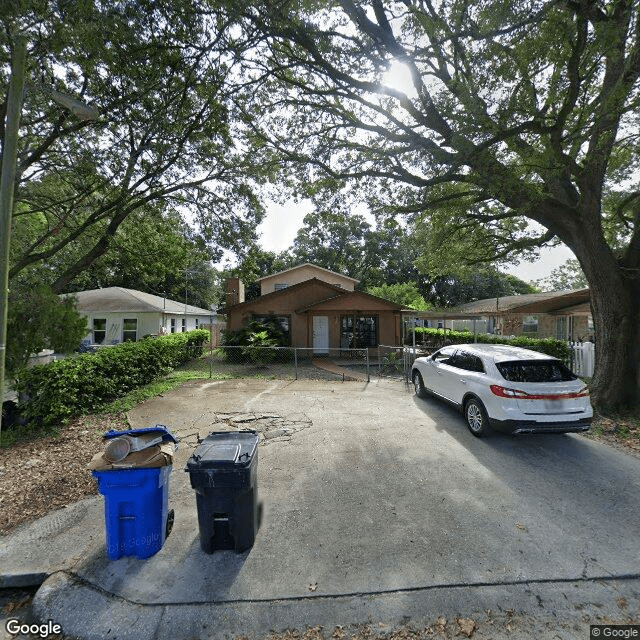
7525 N Cameron Avenue, Tampa, FL 33614
To contact a resident: (813) 443-1546
For more information about senior living options: (866) 208-4318
Caregivers Touch ALF II Costs & Pricing
Caregivers Touch ALF II offers competitive pricing for assisted living facilities in comparison to both Hillsborough County and the broader state of Florida. With a monthly cost of $2,000 for semi-private rooms, Caregivers Touch ALF II significantly undercuts the average cost of $3,096 in Hillsborough County and $3,009 statewide. Similarly, their private rooms are priced at $3,000, which remains more affordable than the county's average of $3,384 and the state's average of $3,699. This positions Caregivers Touch ALF II as an attractive option for those seeking quality care without straining their financial resources.
| Floor plans | Caregivers Touch ALF II | Hillsborough County | Florida |
|---|---|---|---|
| Semi-Private | $2,000 | $3,096 | $3,009 |
| Private | $3,000 | $3,384 | $3,699 |
Memory care communities with a similar price nearby
-
About the same
Caregivers Touch ALF
$2,000 to $3,000 / month1.3 miles away -
from +$200 / mo
Dorothy Cares Assisted Living Facility
$2,200 to $3,300 / month20.3 miles away -
About the same
Elderly Pride Assisted Living
$2,000 to $2,500 / month16.8 miles away -
About the same
Assisted Living Facility Morning Dew
$2,000 to $2,500 / month5.7 miles away -
from -$105 / mo
Grand Villa of New Port Richey
$1,895 to $3,595 / month19.8 miles away
Overall Review of Caregivers Touch ALF II
Pros
 Cameron ALF is described as an outstanding assisted living facility in Tampa, FL.
- The staff provide 100% excellent support and care to all residents.
- Diana, the manager, and the staff are praised for attentive, high-quality care.
- The facility stays spotless and odor-free, contributing to resident well-being.
- Residents are happy and engaging with one another under their care.
- Concerns are addressed promptly by the staff when raised.
Cons
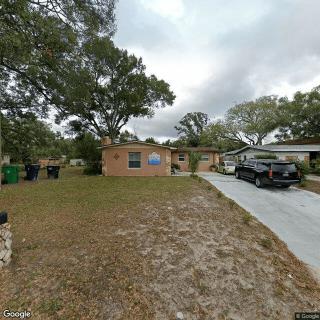
 The facility’s exterior appearance was not well kept.
- Staff members were standing around in the kitchen.
- The staff did not speak much English, which was a drawback.
- The reviewer did not feel it was the right place for her husband’s mother.
Review
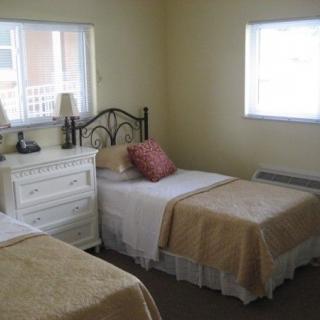
This community is best suited for families seeking a small, home-like assisted living setting where care is highly personal, consistent, and readily responsive. It suits parents who benefit from daily warmth from caregivers, a clean, odor-free environment, and a manager who is accessible and quick to address concerns. It works well for residents who engage with one another, enjoy predictable daily routines, and do not require heavy medical or memory-care overlays. In short, the model is ideal for seniors who thrive on intimate, hands-on attention from a stable caregiving team and a leadership style that prioritizes practical problem-solving over flash.
The strongest case rests on the pros that consistently appear in firsthand accounts. The caregiving staff delivers genuine, ongoing attention, and the manager's leadership, especially that of Diana, emerges as a decisive factor in high-quality daily life. Families repeatedly credit Diana and the front-line team with responsiveness and a culture of respect, where concerns are not merely heard but acted upon promptly. Cleanliness stands out as a tangible daily standard, facility interior is described as spotless with no odors, suggesting meticulous housekeeping and sanitation. Residents appear engaged and interactive, a sign that social opportunities and supervision are present rather than merely ceremonial. Taken together, these elements create a dependable understructure for daily living that many families value above upscale amenities.
Yet, there are clear caveats that should influence the decision. Exterior presentation is noted as not particularly well-kept, introducing a disparity between curb appeal and the quality inside. For families prioritizing first impressions, this can be a sticking point even if the interior is well run. A practical concern is observed staff activity, some moments where staff stand around in the kitchen, which may indicate uneven shift coverage or workflow quirks at certain times. The language barrier also surfaces as a concrete, real constraint: not speaking much English can complicate communication with the care team and hinder immediate, precise exchanges about daily needs. For households that rely on bilingual communication or require translation support, this could slow decision-making or coordination unless proactive steps are taken.
These strengths and weaknesses don’t cancel each other out; they redefine fit. The undeniable care quality and manager-driven responsiveness can offset exterior hesitations and occasional staffing quirks for families prioritizing intimate attention and quick problem-solving. The clean, odor-free environment and visible resident engagement amplify confidence that daily life remains predictable and safe, even if conversations require a touch more patience or translation support. In this balance, the core value proposition lies in dependable caregiving relationships and accessible leadership, rather than on-campus allure or expansive clinical resources.
For families evaluating alternatives, the decision hinges on care scope and communication preferences. If clinical oversight, memory-care specialization, or a large, bilingual staff are non-negotiables, other ALFs with bigger footprints and more robust medical staffing may be better fits. If curb appeal and institutional scale are less critical than warmth, hands-on care, and a manager who responds rather than defers, this community offers a compelling, practical option. The limited number of public reviews warrants direct diligence, schedule a visit, observe tone and interactions during mealtimes and activities, and verify language support, staffing consistency, and nighttime routines with actual staff.
Practical next steps should guide the final call. Arrange a tour and request a meet-and-greet with the manager plus frontline caregivers to gauge responsiveness and rapport with residents. Inquire specifically about language needs, how daily schedules are structured, and how night-time care is managed. Ask for current resident and family references and pull up state licensing or inspection records to verify compliance and safety standards. For families prioritizing a warmth-forward, cleanliness-first environment with strong leadership, this community is a sound fit. For those seeking more extensive medical oversight, broader programming, or a bilingual care team, it is prudent to explore alternatives and compare how each option aligns with long-term care goals.
 Board and Care Home
 Memory Care
 Cats allowed
 Dogs allowed
 Activities off-site
 Beautician on-site
 Devotional services off-site
 Indoor common areas
 Outdoor common areas
 Private
 Respite or short term stays offered
 Wheelchair accessible showers
 Tampa International (3 miles away)
 Ambulatory care
 Diabetic care
 Incontinence care
 Meals provided

 Understanding the Distinctions: Assisted Living and Memory Care Explained
 How to Communicate with a Loved One Living with Dementia: 10 Supportive Strategies
 Comprehensive Guide to VA Nursing Homes: A Crucial Long-Term Care Resource for Veterans