
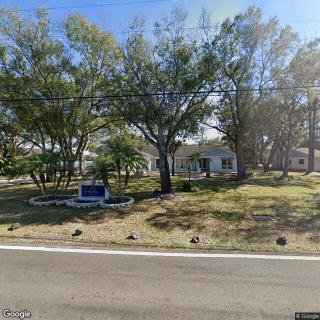
11008 Airview Drive, Tampa, FL 33625
For more information about senior living options: (866) 208-4318
Loving Care - ALF Costs & Pricing
Loving Care - ALF offers competitive pricing for its accommodations when compared to both Hillsborough County and the broader Florida state averages. For those seeking a semi-private room, Loving Care charges $2,500 per month, which is significantly lower than the county average of $3,096 and the state average of $3,009. Similarly, private rooms at Loving Care are priced at $3,000, well below Hillsborough County's average of $3,384 and the state's higher average of $3,699. Additionally, their 1-bedroom units also come in at an attractive $3,000 monthly fee compared to county and state averages of $3,786 and $3,864 respectively. These cost differences reflect Loving Care's commitment to providing affordable assisted living options without compromising on quality care.
| Floor plans | Loving Care - ALF | Hillsborough County | Florida |
|---|---|---|---|
| Semi-Private | $2,500 | $3,096 | $3,009 |
| Private | $3,000 | $3,384 | $3,699 |
| 1 Bedroom | $3,000 | $3,786 | $3,864 |
Overall Review of Loving Care - ALF
Pros
 They felt it would be a good fit for their mom.
- The facility was spotless around the clock.
- The staff were awesome, attentive, and caring toward residents and their families.
- Loving Care ALF was described as a tight-knit family that truly cares for its residents.
- The team was available around the clock to answer questions and address issues.
- The staff were hands-on and patient with the residents.
- They helped her take her medicine and eat her meals.
- The home felt like a real home—homelike, clean, and welcoming.
- The owners and administrator genuinely cared and kept families posted with photos and text messages.
- Many residents and staff spoke Spanish, creating a warm, inclusive environment.
Cons
 The reviewer felt it was an absolutely painful decision to admit they could not provide the level of care their mom with Alzheimer’s disease required.
- The family noted that their loved one did not take to the community or staff during her stay.
- There was one instance where communication was lacking.
Review
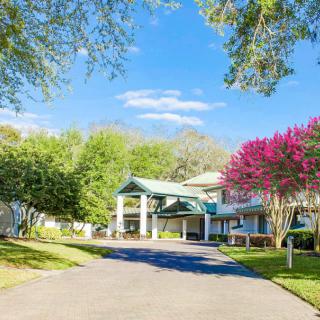
Loving Care ALF in Tampa is best suited for families seeking a small, home-like setting where memory-care needs can be met with attentive, personally driven care. The community shines for loved ones with Alzheimer’s or early cognitive decline who value a warm, family-spirited environment, where staff actively build relationships and residents feel known and cared for. It is especially well matched to households that prioritize language connection and cultural familiarity, because a substantial portion of the team speaks Spanish, and the home atmosphere is bright, welcoming, and easy to move through. Those who insist on a larger campus, a more clinical environment, or English-only staffing may want to consider alternatives.
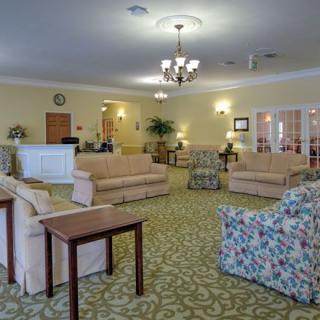
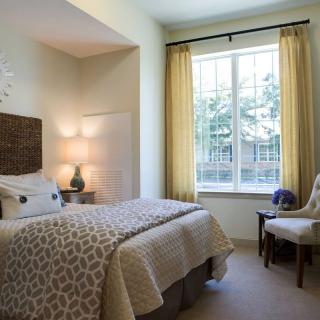
The strongest selling points are the people on the floor and the daily rhythm of care. Reviews consistently describe staff as hands-on, patient, and thoroughly involved in medication management, meals, and daily routines. The environment itself reinforces these strengths: the home is kept spotless around the clock, rooms are tidy, and the atmosphere feels homelike rather than institutional. Families repeatedly note that the owners and the team treat residents and family members with respect and warmth, turning care into a genuine relationship rather than a transactional service. For memory care, that level of personal attention can translate into less agitation, steadier routines, and more predictable days.
Communication and familial engagement emerge as another decisive advantage. Families report being able to reach staff at any time and receiving timely updates about their loved ones, sometimes through photos and text messages that help bridge the gap between visits. The administrator is described as personable and welcoming, with a clear commitment to sharing information and making families feel involved. A rare critique notes a temporary lapse in communication that was promptly addressed, reinforcing that ongoing responsiveness is a real strength here. The combination of transparency, accessibility, and visible care creates a level of trust that many families prize when entrusting a loved one with memory challenges.
From a memory-care perspective, the layout and daily structure support independence while preventing isolation. The home design allows residents to move around easily, and the environment has a comforting, music-friendly vibe with Spanish-speaking staff who can communicate in the resident’s preferred language. The care team’s emphasis on consistent routines, reliable meals, and clean, well-dressed residents contributes to a sense of normalcy that is difficult to achieve in larger facilities. Even where private rooms have been part of the experience, the overall feel remains cohesive and community-centered, which often reduces the anxiety that comes with a change in living situations.
However, potential buyers should consider alternatives if the situation requires heavier medical oversight or a broader clinical program. This setting operates best as a small, home-like assisted living option rather than a hospital-like memory-care campus. For families whose loved ones require intensive medical interventions, complex wound care, or around-the-clock clinical supervision, a larger, clinically oriented facility may be more appropriate. English-only environments may also be a decisive factor for some, and those seeking a very quiet, solitary living arrangement might prefer a different model that prioritizes private, high-acuity care.
In the end, Loving Care ALF stands out in Tampa as a compelling choice for families prioritizing warmth, personal attention, and a culturally resonant atmosphere for memory care. Its most persuasive offsets are the staff’s hands-on approach, the consistently clean and welcoming setting, and the robust lines of communication that keep families tied in. The few caveats, potentially limited clinical depth for high-needs medical cases and the reality that not every resident will immediately embrace the change, are manageable for many families when weighed against the value of a genuine, home-like community. For those prioritizing connection, language compatibility, and visible caregiver dedication, this community merits a hands-on, confident consideration.
 6 resident community capacity
 Assisted Living
 Board and Care Home
 Memory Care
 Respite Care
 Activities off-site
 Air-conditioning
 Cable or satellite TV
 Dining room
 Full kitchen
 Fully furnished
 Garden
 Housekeeping services
 Indoor common areas
 Move-in coordination
 Outdoor space
 Private
 Telephone
 Wi-Fi/high-speed internet available
 Tampa International (5 miles away)
 24-hour supervision
 Ambulatory care
 Assistance with bathing
 Assistance with dressing
 Assistance with transfers
 Diabetes diet
 Incontinence care
 Meal preparation and service
 Medication management
 Special dietary restrictions
 Transportation arrangement (medical)
 Transportation to doctors appointments
 BBQs or picnics
 Light therapy programs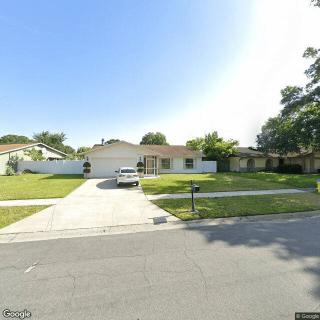

 22 Remarkable Caregiver Support Groups Available Online and In-Person
 Understanding Medicaid Coverage for Assisted Living: A Comprehensive Guide
 How and When Medicaid May Cover Assisted Living Costs