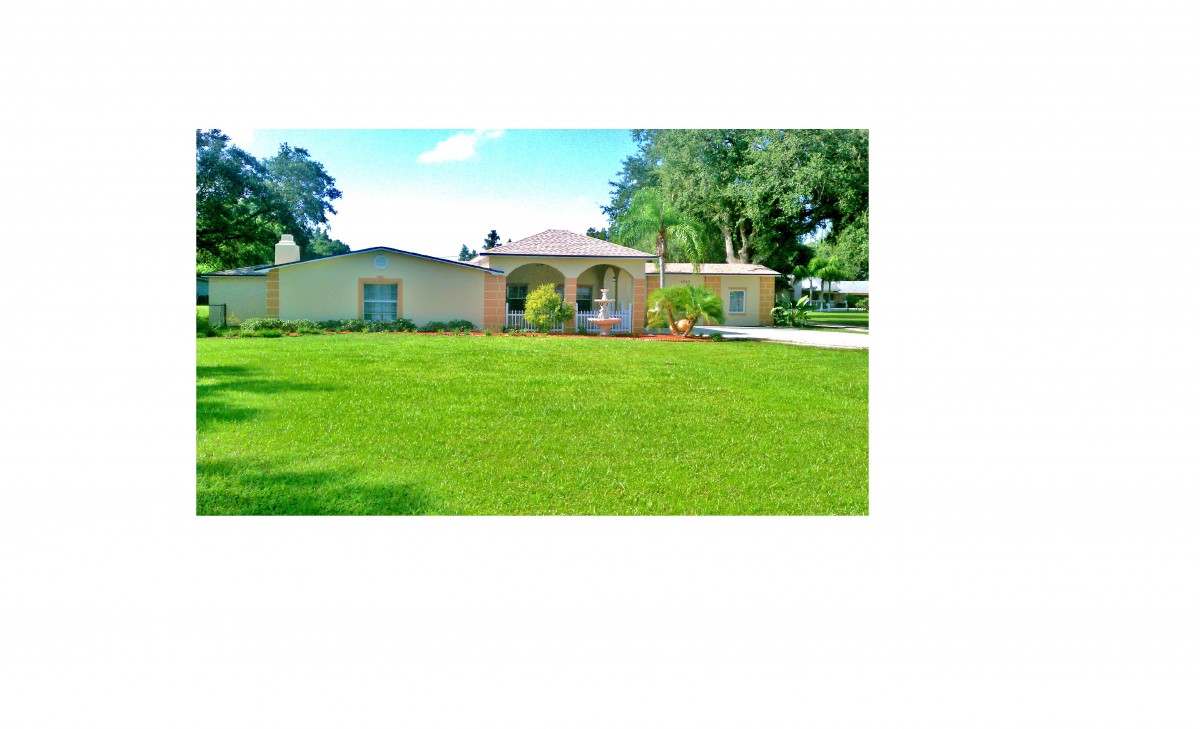

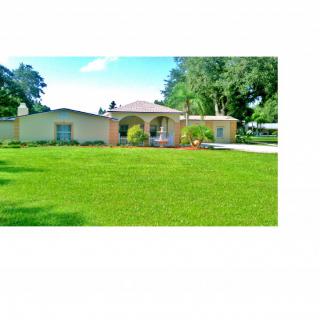
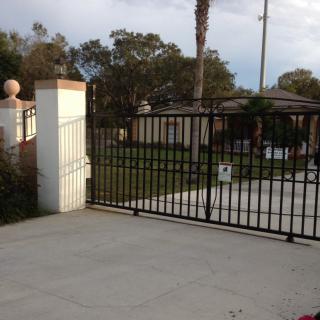

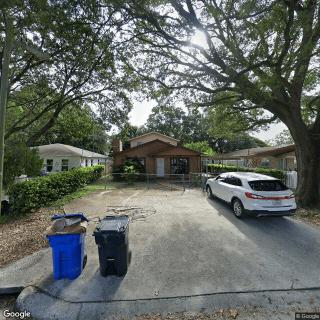
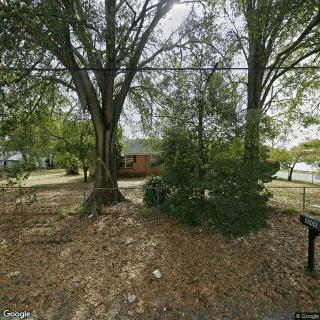
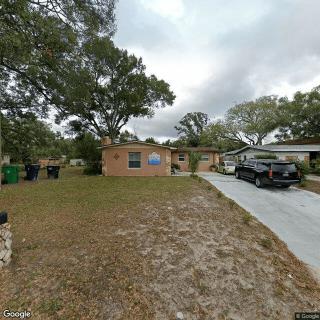
4010 West Humphrey Street, Tampa, FL 33614
For more information about senior living options: (866) 208-4318
Humphrey - ALF Costs & Pricing
Humphrey - ALF offers a private room at a monthly cost of $3,500, which is competitively priced when compared to the broader market. Within Hillsborough County, the average cost for similar accommodations is slightly lower at $3,384, while the state of Florida sees an average that rises to $3,699 for private rooms. This positions Humphrey - ALF as a middle-ground option within its local area and the state, providing residents with quality care in a comfortable setting at a cost that may be appealing for those seeking balance between affordability and quality services.
| Floor plans | Humphrey - ALF | Hillsborough County | Florida |
|---|---|---|---|
| Private | $3,500 | $3,384 | $3,699 |
Assisted Living communities with a similar price nearby
-
from -$500 / mo
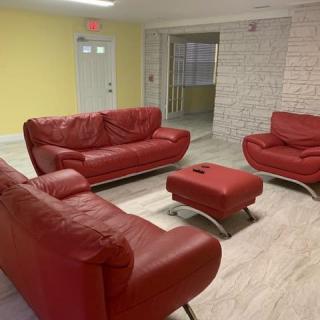
Mary's Assisted Living Facility House
$3,000 / month5.4 miles away -
from -$405 / mo
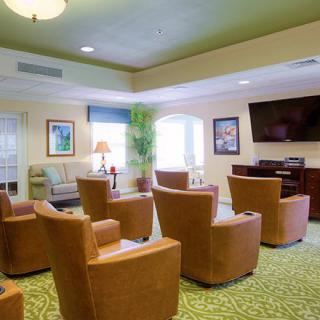
Homewood At Sun City Center
$3,095 to $6,500 / month23.4 miles away -
from +$200 / mo

The Meridian at Brandon
$3,700 to $5,900 / month12.0 miles away -
from -$500 / mo

Cabot Cove of Largo
$3,000 to $7,000 / month16.4 miles away -
from +$500 / mo

Ronny's Assisted Living
$4,000 / month4.4 miles away
Overall Review of Humphrey - ALF
Pros
 The Humphrey ALF is a small assisted living facility with a warm, family touch.
 - The staff are personable, professional, and genuinely care about residents.
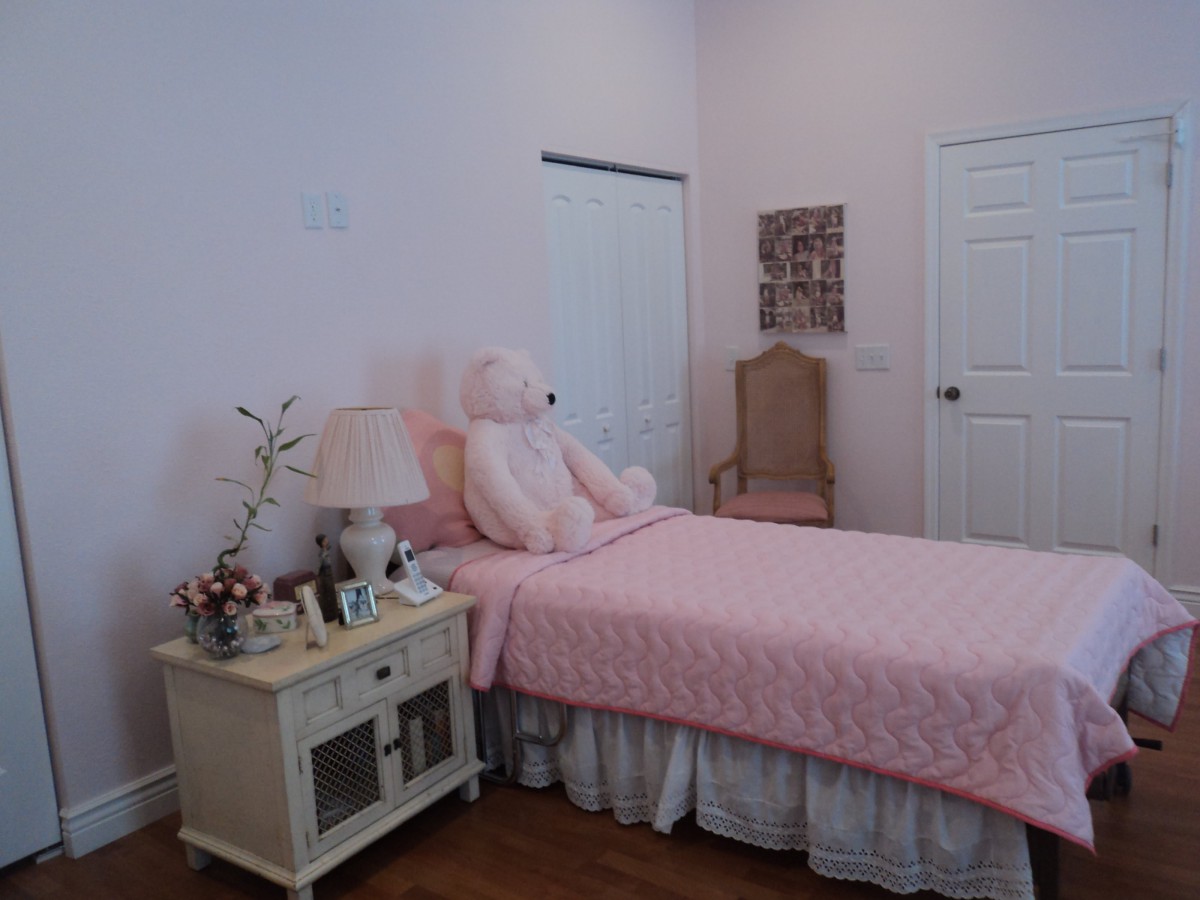
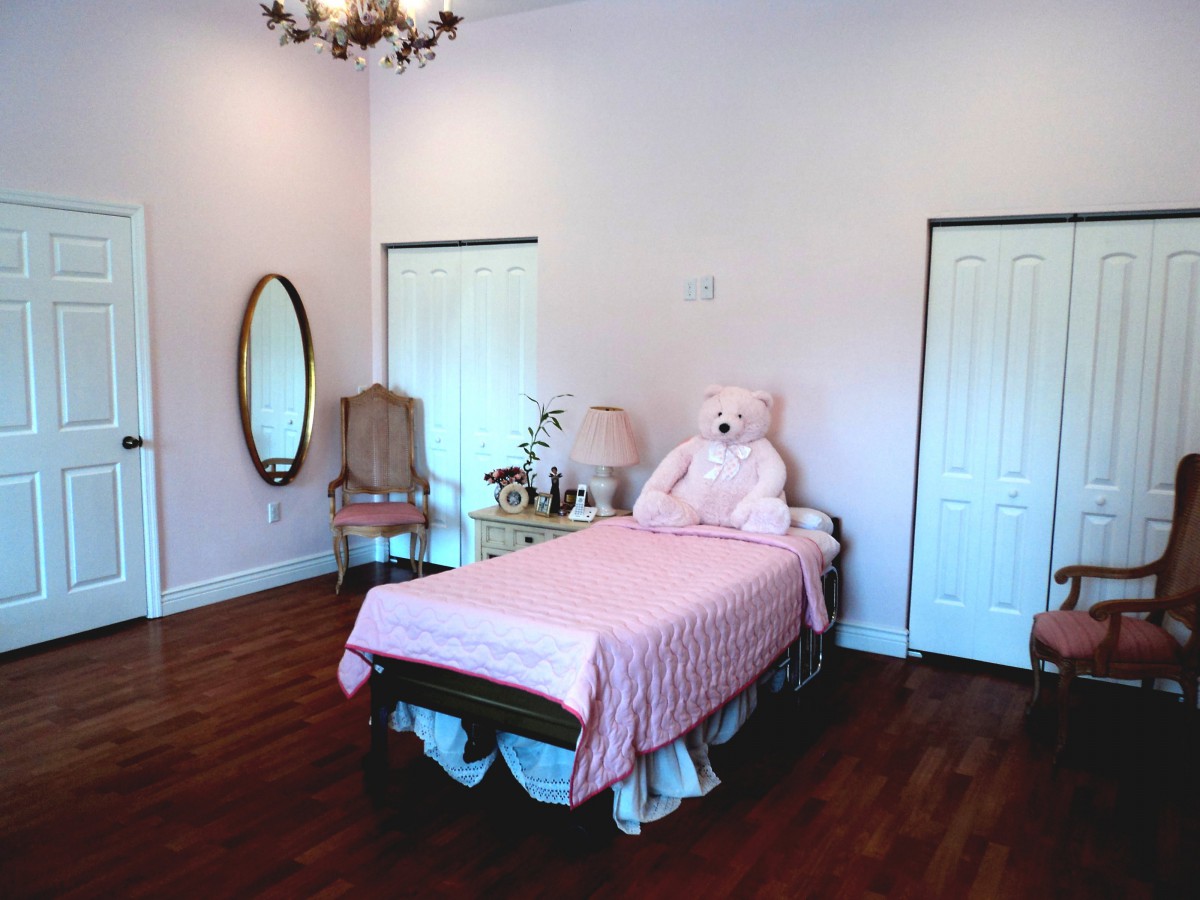
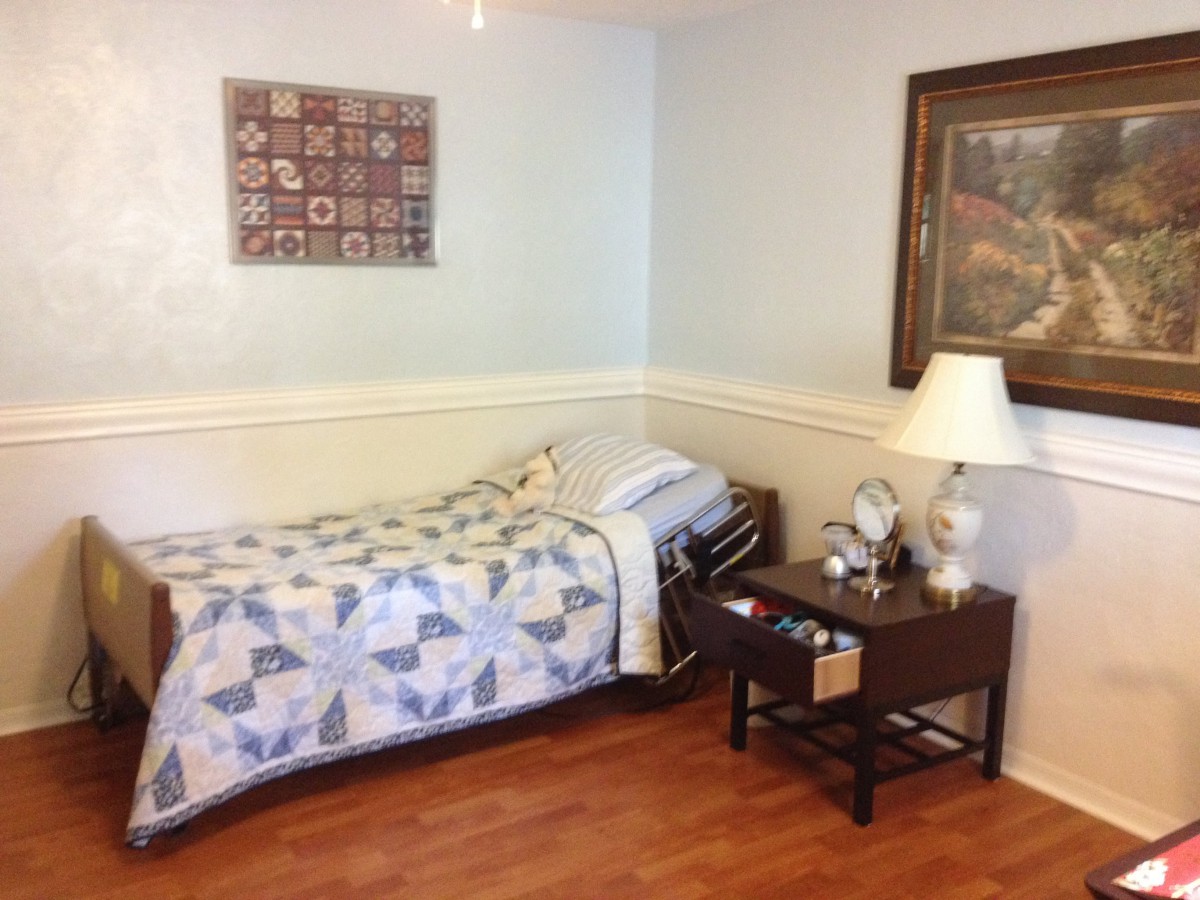
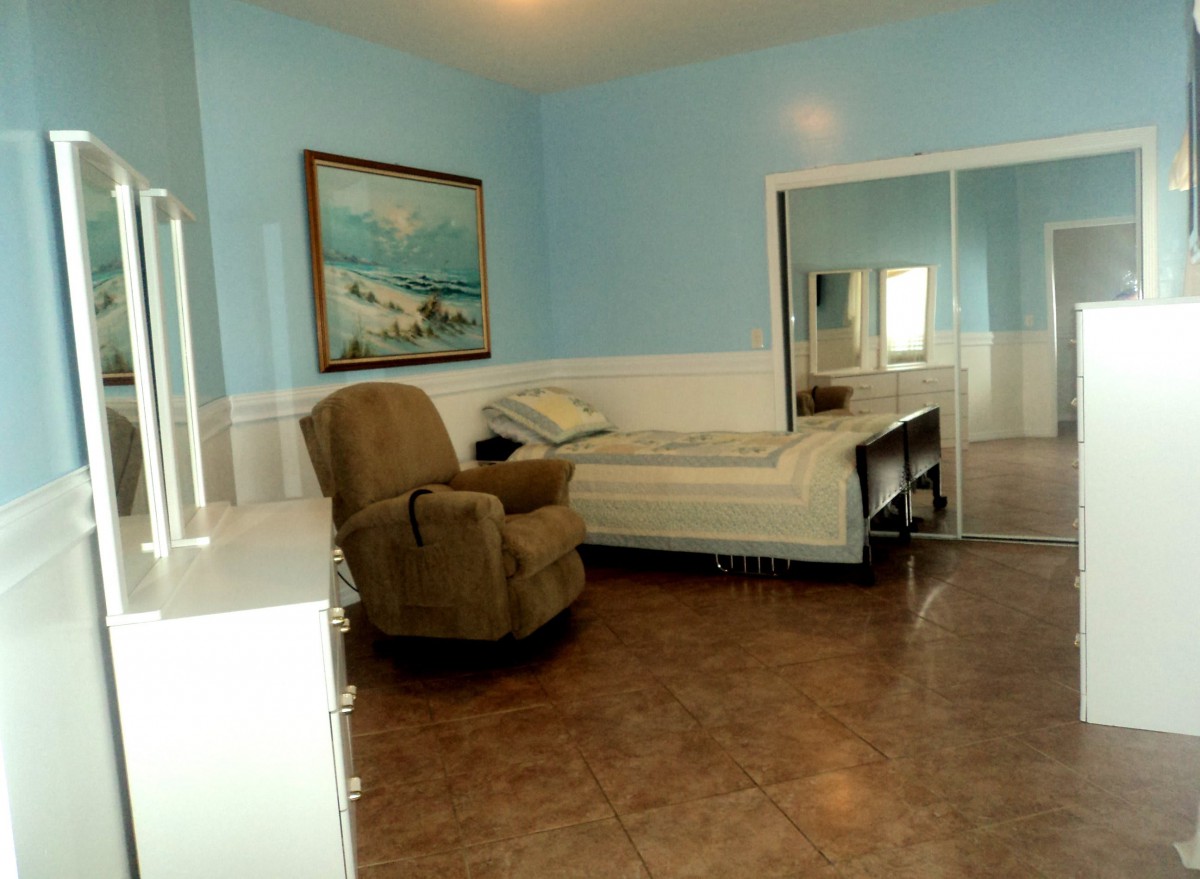
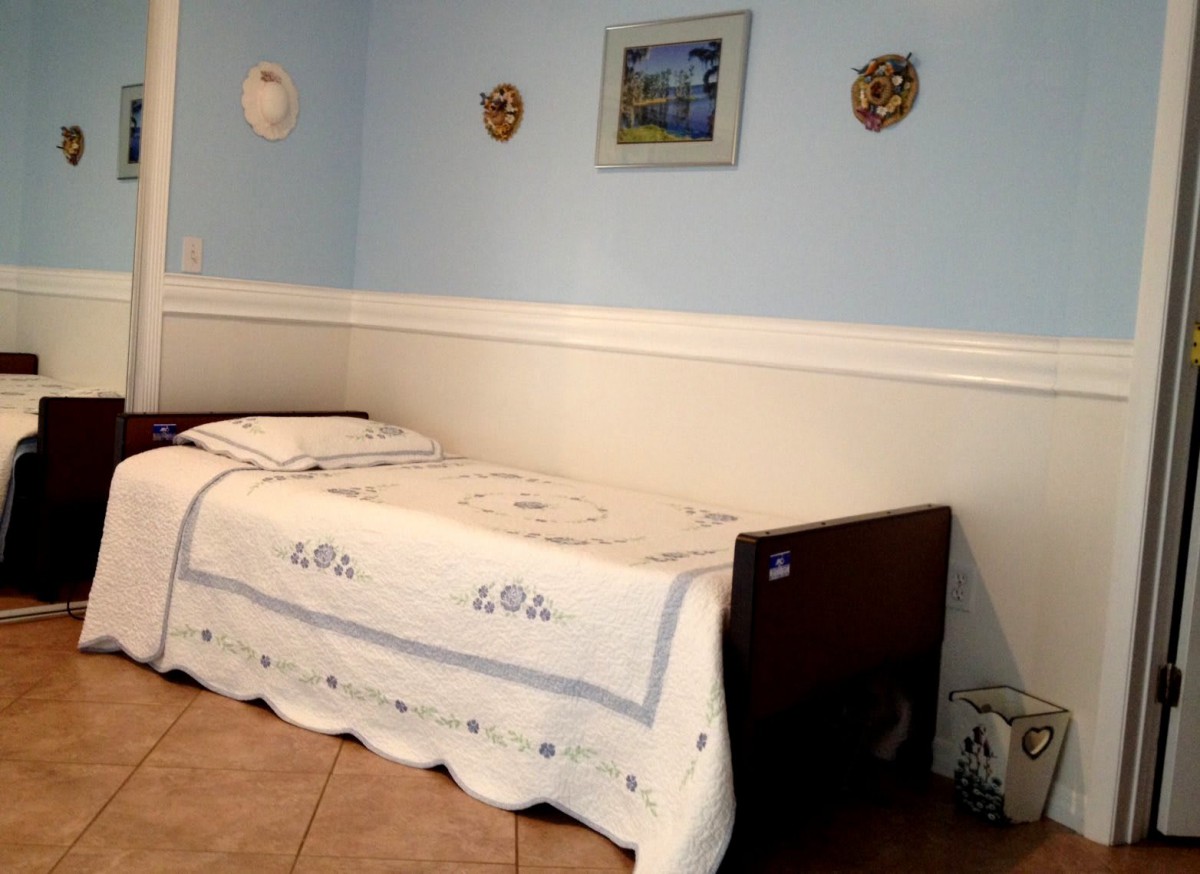
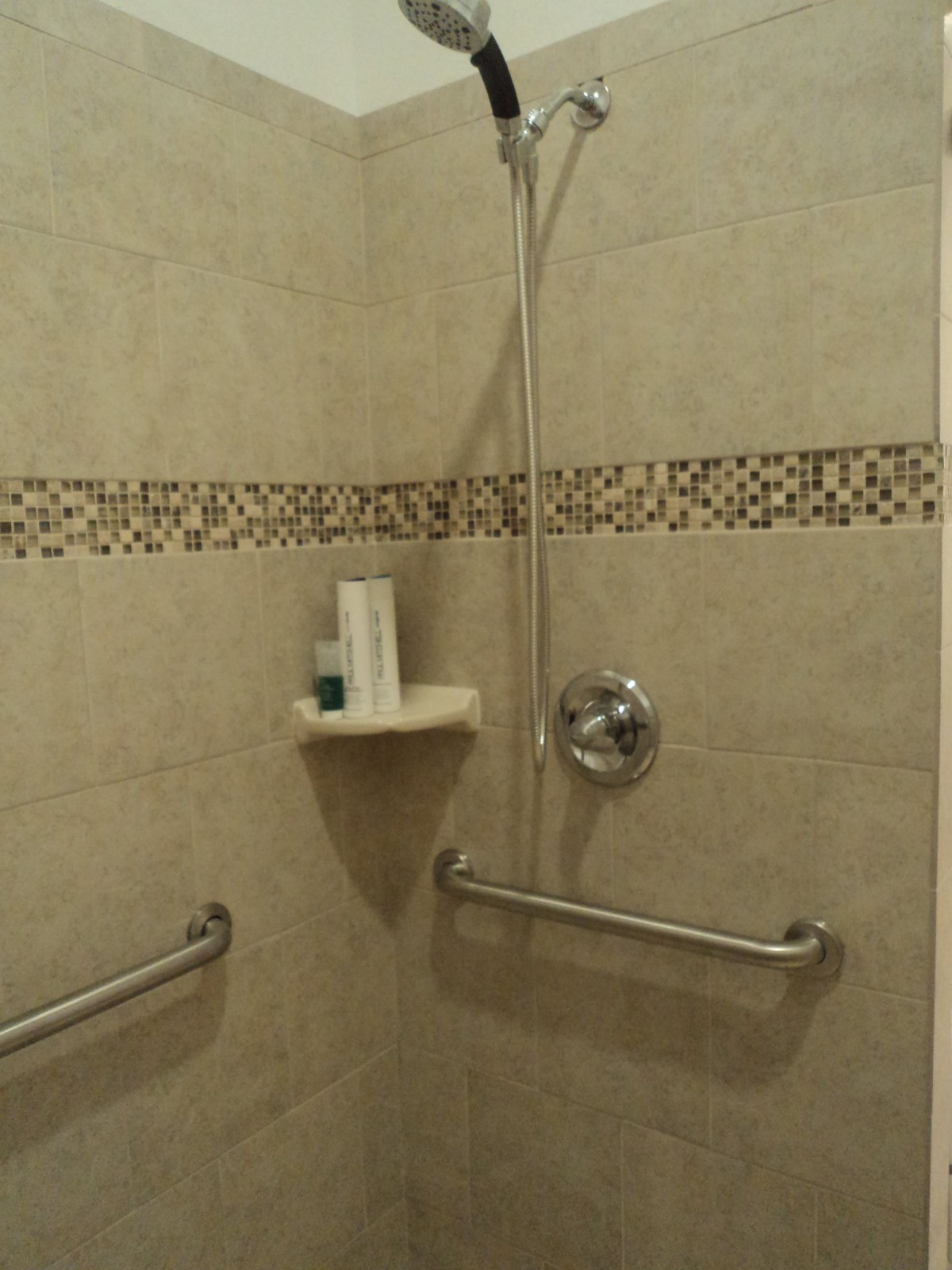
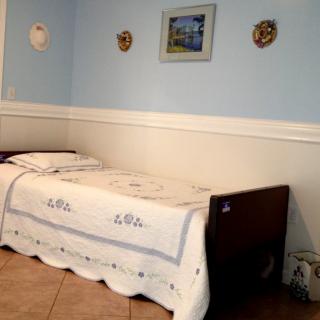
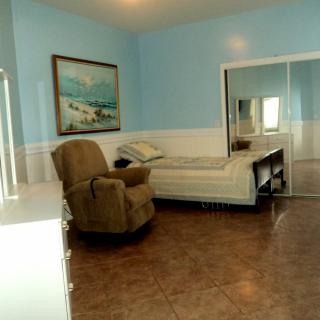
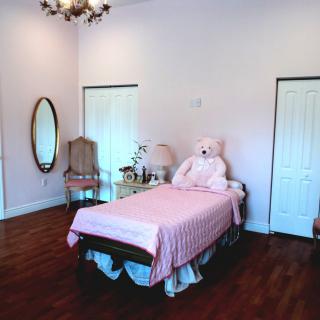
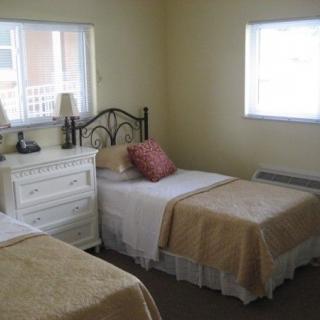
- The facility is spotless and well kept, with spacious rooms.
- The call system provides quick assistance, often within minutes or seconds.
- Medication is dispensed accurately, contributing to residents’ health stability.
- Families feel peace of mind knowing their loved ones are safe and well cared for.
- The environment feels like a home, with a caring, family atmosphere.
- Eric and BB run a five-star establishment that combines high-quality care with a loving home feel.
Cons
 The reviewer did not like the feel of the place at all.
- They dropped by unexpectedly and found that the staff did not seem prepared.
- They observed that things weren't clean and that the staff seemed suspicious and unfriendly during the visit.
Review
Humphrey ALF in Tampa is best suited for families seeking a small, home-like assisted living experience where care feels personal, attentive, and consistently kind. This community shines when residents prize a cozy, family atmosphere over a large, impersonal campus. It is especially well-matched for seniors who want daily interactions with staff who know them by name, who appreciate tidy surroundings, and who value timely help, good meals, and a sense that the home is run with genuine care. For those who want to feel like a member of a welcoming, close-knit household rather than a patient in a facility, Humphrey delivers in spades.
Those who may want to consider alternatives include families needing higher-acuity medical support on site, specialized memory care, or rapid placement with immediate availability. The Humphrey model centers on a nurturing, small-scale environment rather than a clinical, hospital-like setting, so residents requiring around-the-clock nursing, extensive rehabilitation services, or highly structured, program-driven schedules may be better served elsewhere. Additionally, anyone seeking a large campus with a wide range of on-site amenities and formal programming may find the pace and scale at Humphrey less optimal. A recent negative tour experience also suggests that consistency in presentation matters for some families, signaling that a provisional impression can still vary.
The core strengths create a compelling offset to the main drawbacks. The most striking pro is the genuine sense of a family home: owners and staff are described as caring, personable, and deeply committed to each resident, with care that feels individualized rather than procedural. Cleanliness and maintenance are repeatedly cited as standout, reinforcing the feeling of a safe, well-kept haven. The call system delivers rapid response times, and medication management is described as precise, supporting stability in residents’ health. These elements, trust, safety, and attentiveness, materialize in small, everyday moments: rooms that feel spacious and welcoming, nutritious home-cooked meals, and staff that seem to treat residents as cherished family members rather than tasks.
Dining, rooms, and the home atmosphere further amplify Humphrey’s appeal as a place where life continues with dignity and joy. Several reviews highlight meals that residents enjoy, private rooms with views, and a sunny vibe that makes residents feel comfortable inviting visitors. The personal touches, staff who go out of their way, occasions like sharing a favorite lunch, and a facility run “like a family home but with professional polish”, build a compelling case for families prioritizing emotional well-being alongside physical safety. For many, these advantages translate into reduced caregiver stress and stronger peace of mind about a loved one’s daily experience.
Yet one negative tour underscores that no option is flawless or universally fitting. A visit where the environment felt unprepared, with cleanliness and warmth in question, serves as a cautionary note: first impressions matter, and consistency in hospitality is essential. The reality that the facility can be fully occupied at times also means prospective residents may encounter wait lists or delays in moving in. These caveats aren’t fatal, but they do establish a practical threshold: this is not a guaranteed instant placement, and initial experiences can hinge on timing and the particular staff on duty.
In the end, Humphrey ALF stands out for families who value a heartfelt, small-scale home atmosphere backed by dependable, affectionate care. It easily offsets its potential drawbacks for residents who thrive on personal connection, steady routines, and visible pride in cleanliness and safety. For those who need broader clinical resources, immediate availability, or a more formalized programmatic structure, a measured comparison with larger options is prudent. Prospective families should plan a visit with a focus on consistency of daily life, meals, activities, and one-on-one attention, then discuss vacancy timelines, policy on private tours, and exact medication-management practices to confirm alignment with their loved one’s needs. The right fit will feel like stepping into a warmly run home rather than entering a generic facility, and that difference matters most when choosing where a senior will spend their best years.
 6 resident community capacity
 Assisted Living
 Board and Care Home
 Respite Care
 Activities on-site
 Bath tubs
 Beautician on-site
 Cable or satellite TV
 Devotional services off-site
 Dining room
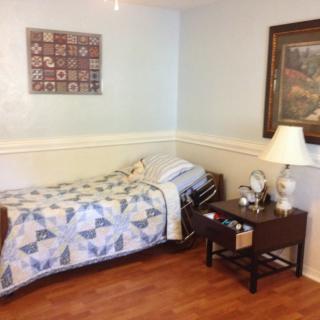
 Fully furnished
 Garden
 Housekeeping services
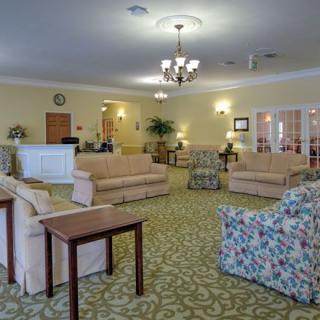
 Indoor common areas
 Move-in coordination
 Outdoor common areas
 Private
 Private bathrooms
 Telephone
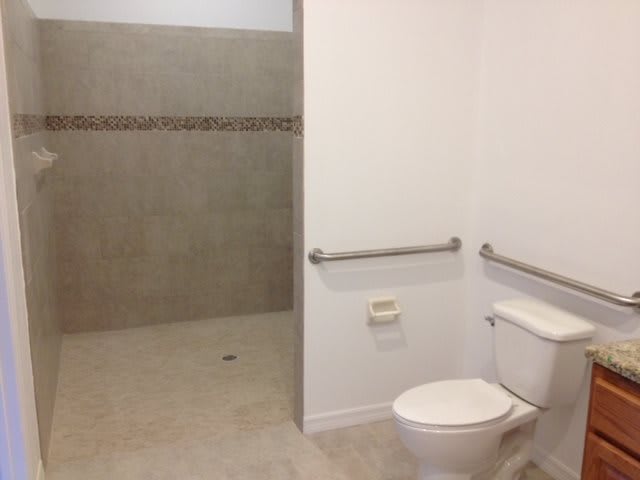
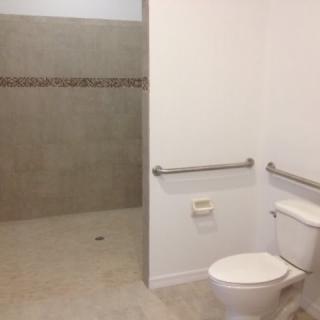
 Wheelchair accessible showers
 Wi-Fi/high-speed internet available
 Tampa International (4 miles away)
 24-hour supervision
 Ambulatory care
 Assistance with bathing
 Assistance with dressing
 Assistance with transfers
 Diabetes diet
 Incontinence care
 Meal preparation and service
 Medication management
 Special dietary restrictions
 Transportation arrangement (medical)
 Transportation to doctors appointments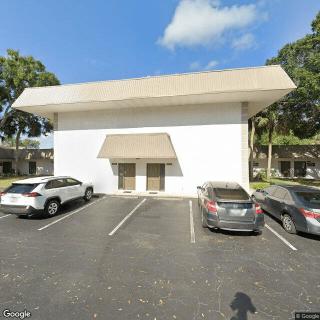

 Exploring the Contrasts Between Assisted Living and Skilled Nursing
 8 Key Indicators That Suggest It May Be Time to Transition from Assisted Living to Skilled Nursing Care
 Vibrant Senior Living: A Comprehensive Guide for Active Older Adults