Clean Recovery Centers II

1116 Dogwood Avenue, Tampa, FL 33613

For more information about senior living options: (844) 490-3973

4.4 from 100 reviews
5 stars
79
4 stars
6
3 stars
3
2 stars
2
1 stars
10

Assisted Living

Overall Review of Clean Recovery Centers II

Pros

  • pro The Virtual Inpatient/Outpatient Therapy class is life-changing, with Charles Robinson and Ashley McGill delivering an exceptional blend of group and individual therapy.
  • pro Clean Recovery Center is described as the best recovery center in America.
  • pro Brian, the supervisor, is outstanding, and the therapists are exceptional.
  • pro The program is outstanding, with staff providing excellent treatment and support.
  • pro Nick C., the owner and founder, is an amazing human being who helps many in recovery.
  • pro The staff and facilities help clients experience growth, including shifts in attitude toward the 12 steps and spiritual awakenings for some.
  • pro Group therapy classes are pivotal to recovery, and the community becomes like family.
  • pro The administrative staff, therapists, doctors, and techs all provide excellent care.
  • pro Jamie, the NPR Residential director, is a force in recovery and genuinely cares about patients' recovery.

Cons

  • pro The facility was chronically understaffed, and some employees lacked proper training in mental health support.
  • pro Medications were often administered late, and therapy access was denied on multiple days without explanation.
  • pro Communication with the administration was poor, especially regarding treatment plans or aftercare.
  • pro The reviewer would not recommend this center to others in need of serious support.
  • pro Families faced constant hurdles and staff were often unreachable, with visitations frequently late.
  • pro There was a push toward outpatient programs at the expense of family education and involvement.
  • pro Goals and treatment plans were not shared with families, causing disruption and confusion.
  • pro It was alleged that staff were chosen or paid to fit their personality rather than address patient needs.
  • pro There was no clear discharge date or consistent organizational planning, creating uncertainty about release timing.

Review

The collection of experiences shared about Clean Recovery Centers - from virtual inpatient/outpatient therapy programs to the Tampa, NPR, and nearby facilities - paints a vivid portrait of a program that many participants found life-changing. Across the board, the overarching message is one of deep appreciation for a blend of group dynamics and individualized attention. Several reviewers emphasized that the program's unique combination of group work, personal therapy, and accessible leadership created a learning environment that helped them grow in ways they hadn't anticipated. In particular, they highlighted the dedicated therapists who guide the process, the supportive staff who keep daily life in recovery running smoothly, and the sense of community that emerges among participants who walk through the doors with very different stories but a common goal: sobriety and personal healing.

A number of reviewers singled out specific leaders and clinicians who shaped their experiences in powerful ways. Charles Robinson and Ashley McGill were repeatedly commended for their leadership and their ability to fuse group and individual therapy into a cohesive experience. Their approach, described as a "unique blend," left a lasting impression on people who credit these clinicians with fostering insight, skill-building, and a sense of unconditional support. Others spoke highly of the program's supervisors and therapists, noting that the care they received went beyond formal treatment to include genuine care, empathy, and practical guidance. The messages consistently reflect gratitude for the knowledge, insight, and ongoing support provided by the clinical team.

The Tampa and NPR locations received particularly enthusiastic praise for the staff and the overall atmosphere. Reviewers praised the consistency and warmth of the team - supervisors like Brian were described as outstanding, with therapists such as Stephanie, Candace, Julianne, Jordan, Leah, Jasmine, Shamika, Beianna, Sofia, and many others earning repeated compliments for their understanding, patience, and expertise. Guests also highlighted the quality of non-clinical aspects - comfortable housing, good meals, supportive evening programs, and a sense that the community became family. One reviewer emphasized how, with effort and honesty, the program helped them achieve meaningful results and a genuine sense of progress in recovery.

In addition to the overwhelmingly positive accounts, there are a few more nuanced or critical voices within the pool of reviews. One reviewer - identified as Alexis Cox - raised concerns about manipulation and treatment practices, signaling that not every experience within the program feels universally positive. Another account, dated July 2025, described the facility as understaffed and lacking timely access to medications and therapy on several days, with insufficient communication about treatment plans or aftercare. This perspective underscores that, for some, systemic issues such as staffing, scheduling, and clear communication can meaningfully affect their experience and outcomes, reminding readers that no program is without its challenges and that expectations around pace, transparency, and supports matter a great deal.

Beyond the larger Tampa/NPR network, individual testimonials celebrate the practical and spiritual dimensions of recovery. A recurrent theme is the sense that the program has helped people experience a "spiritual awakening" and a renewed attitude toward the 12 steps, with gratitude directed toward the staff and, for some, to a higher power or personal faith. The language of gratitude - describing the staff, the facility, and the community as life-changing - recurs across multiple accounts, with references to God, personal growth, and a recommitment to sobriety. The affectionate tributes - from people who felt seen, heard, and supported during challenging moments - contribute to a shared sense of belief that Clean Recovery Centers can be a pivotal turning point for individuals who have struggled for years.

The most detailed narratives describe a journey through multiple facilities - detox, residential NPR, Tampa PHP, and beyond - where the patient experience encompassed not just therapy but the daily rhythms of living in recovery. Reviewers spoke of the kindness and competency of the techs, nurses, and housing staff, and they credited the entire ecosystem with creating a daily environment conducive to recovery. The praise extended to leadership figures like Nick, the founder, who was described as an impactful and caring presence; Jamie, the NPR Residential director, who consistently checked in with clients; and the dedicated therapeutic teams - Sofia, Kathy, and others - who contributed to meaningful group sessions and personalized care. These stories convey a sense of gratitude for a network that treated recovery as a holistic process, blending clinical work with practical support and human connection.

Despite the consistently positive tone, the reviews collectively acknowledge the reality that recovery services operate within complex systems that can strain under demand. Several reviewers emphasized the importance of active participation and personal responsibility - "you have to put in the work," as one reviewer put it - and those who embraced openness and honesty tended to report the most favorable outcomes. Even among the most glowing accounts, there's a clear reminder that success in recovery depends not only on a skilled clinical team but also on the patient's readiness to engage with therapy, adhere to aftercare plans, and collaborate with families and loved ones. Family members, in particular, spoke about the need for better communication, clear discharge milestones, and more inclusive planning that respects the family's role in the recovery process.

In the end, the chorus of stories offers a rich, multifaceted portrait of Clean Recovery Centers. For many, the program represents a catalyst for profound personal change, a place where skilled clinicians, supportive staff, and a community of peers help transform fear and uncertainty into hope, structure, and a practical path to lasting sobriety. The strongest threads across the narratives are gratitude, respect for the staff and therapists who made a difference, and a belief that the program can deliver a powerful, positive shift in someone's life when they engage with it fully. As with any complex care environment, there are cautions about staffing, communication, and consistency, but the overarching message remains one of life-affirming potential - evidence that, for countless individuals, Clean Recovery Centers has offered a doorway to a new beginning.

Features

Housing

  • 6 resident community capacity 6 resident community capacity

Types of Care

  • Assisted Living Assisted LivingAssisted living facilities provide crucial support and care for seniors who may need help with daily tasks such as medication management, bathing, and meal preparation. These communities offer a safe and comfortable environment where seniors can maintain their independence while receiving the assistance they need to thrive in their golden years.

Amenities

  • Cable or satellite TV Cable or satellite TVCable or satellite TV is important for seniors because it provides entertainment, news, and companionship, helping to combat loneliness and boredom. It also offers a wide range of programming options tailored to different interests and preferences.
  • Dining room Dining roomDining rooms are important for seniors as they provide a space for socialization, connection, and nutritious meals. They offer opportunities for residents to bond over shared meals, foster a sense of community, and promote healthy eating habits. Dining rooms also ensure that seniors have access to well-balanced meals tailored to their dietary needs and preferences.
  • Fully furnished Fully furnishedFully furnished senior living communities are important for seniors because they provide convenience, comfort, and a hassle-free moving experience. Seniors can easily settle into their new living space without the stress of having to buy and move furniture. This allows them to focus on enjoying their new home and community.
  • Garden GardenGardens are important for seniors as they provide a peaceful and therapeutic environment for relaxation, physical activity, and socialization. Being in nature has been shown to reduce stress, improve mood, and promote overall well-being. Gardens also offer opportunities for seniors to engage in gardening activities, which can improve mobility, flexibility, and cognitive function. Additionally, gardens create a sense of community and connection with others who share a passion for plants and outdoor spaces.
  • Housekeeping services Housekeeping servicesHousekeeping services are important for seniors because they help maintain a clean and safe living environment, promote independence, and reduce the risk of accidents or illnesses. Additionally, having assistance with household chores can alleviate physical strain and allow seniors to focus on other aspects of their well-being.
  • Move-in coordination Move-in coordinationMove-in coordination is important for seniors because it helps ease the transition into their new living environment. It ensures that all logistics, such as packing, organizing movers, and setting up utilities are taken care of, allowing seniors to focus on settling in and adjusting to their new home. Having a smooth move-in process can alleviate stress and anxiety, making the transition smoother and more enjoyable for seniors.
  • Outdoor space Outdoor spaceOutdoor spaces are important for seniors as they provide opportunities for physical activity, social interaction, exposure to natural light and fresh air, and a sense of connection to nature. Having access to outdoor spaces can improve overall well-being and quality of life for older adults living in senior communities.
  • Telephone TelephoneTelephones are important for seniors as they provide a lifeline for communication with loved ones, emergency services, and healthcare providers. They offer a sense of security and independence, enabling seniors to stay connected and access assistance when needed.
  • Wi-Fi/high-speed internet available Wi-Fi/high-speed internet availableWi-Fi/high-speed internet is important for seniors to stay connected with loved ones, access online resources, and participate in virtual activities to combat feelings of loneliness and isolation. It also allows them to easily manage healthcare needs, access entertainment, and engage in lifelong learning opportunities.

Transportation

  • Tampa International (8 miles away) Tampa International (8 miles away)
  • St. Petersburg-Clearwater International (18 miles away) St. Petersburg-Clearwater International (18 miles away)

Care Services

  • 24-hour supervision 24-hour supervision24-hour supervision is important for seniors to ensure their safety, well-being, and access to immediate assistance in case of emergencies or health issues. This constant support provides peace of mind for both seniors and their loved ones, allowing them to age in place with dignity and security.
  • Activities of daily living assistance Activities of daily living assistanceActivities of daily living assistance are important for seniors because they provide essential support with tasks such as eating, bathing, dressing, and mobility. This assistance helps seniors maintain their independence, dignity, and overall quality of life as they age.
  • Assistance with bathing Assistance with bathingAssistance with bathing is crucial for seniors as it helps maintain personal hygiene, prevents infections, and ensures their overall well-being and comfort. It also provides a sense of dignity and independence for seniors who may struggle with this task on their own.
  • Assistance with dressing Assistance with dressingAssistance with dressing is important for seniors because it helps maintain their independence, promotes personal hygiene, prevents accidents and injuries, and improves overall quality of life. This service ensures that seniors can continue to dress comfortably and confidently, despite any physical limitations they may have.
  • Assistance with transfers Assistance with transfersAssistance with transfers is crucial for seniors as it helps prevent falls and injuries, maintains their independence, and ensures they can safely navigate their living environment. It also provides peace of mind for both seniors and their loved ones.
  • Coordination with health care providers Coordination with health care providersCoordination with health care providers is crucial for seniors to ensure proper medical care, medication management, and overall well-being. This collaboration helps prevent overlapping treatments, track progress more effectively, and provide comprehensive support tailored to individual needs.
  • Diabetes diet Diabetes dietA diabetes diet is crucial for seniors as it helps manage blood sugar levels, reduce risks of complications, and improve overall health and well-being. By following a balanced and nutritious diet tailored to their specific needs, seniors can better control their diabetes and enhance their quality of life.
  • Meal preparation and service Meal preparation and serviceMeal preparation and service are crucial for seniors as they may have limited mobility or energy to cook nutritious meals. Having access to healthy and convenient food options can ensure they are getting the proper nutrition needed to maintain their overall health and well-being.
  • Medication management Medication managementMedication management is crucial for seniors to ensure they are taking the right medications at the correct dosages and times. This helps prevent adverse drug interactions, reduces the risk of medication errors, and promotes overall health and well-being. Proactive management also allows for adjustments as needed based on changing health conditions or new prescriptions.
  • Special dietary restrictions Special dietary restrictionsSpecial dietary restrictions are important for seniors because age-related changes in metabolism and health conditions can make it difficult for their bodies to process certain foods. By following a diet tailored to their specific needs, seniors can maintain their overall health and well-being, manage chronic conditions, and reduce the risk of complications such as malnutrition or food interactions with medications.
  • Transportation arrangement (medical) Transportation arrangement (medical)Transportation arrangements for medical purposes are essential for seniors as they may have difficulty driving themselves to appointments or accessing public transportation. Having reliable and safe transportation options ensures that seniors can receive timely medical care and maintain their health and well-being.
  • Transportation to doctors appointments Transportation to doctors appointmentsTransportation to doctors' appointments is crucial for seniors as it ensures they have access to necessary medical care and support for their health needs. Without reliable transportation, seniors may struggle to attend important appointments, leading to potential delays in treatment and health complications. Providing transportation services helps seniors maintain their overall well-being and quality of life.

Dining

  • Diabetes diet Diabetes dietA diabetes diet is crucial for seniors as it helps manage blood sugar levels, reduce risks of complications, and improve overall health and well-being. By following a balanced and nutritious diet tailored to their specific needs, seniors can better control their diabetes and enhance their quality of life.
  • Special dietary restrictions Special dietary restrictionsSpecial dietary restrictions are important for seniors because age-related changes in metabolism and health conditions can make it difficult for their bodies to process certain foods. By following a diet tailored to their specific needs, seniors can maintain their overall health and well-being, manage chronic conditions, and reduce the risk of complications such as malnutrition or food interactions with medications.

Activities

  • Community-sponsored activities Community-sponsored activitiesCommunity-sponsored activities are important for seniors as they provide opportunities for social interaction, mental stimulation, and physical activity. These activities can help improve overall well-being, combat loneliness and isolation, and promote a sense of belonging and purpose among older adults.
  • Scheduled daily activities Scheduled daily activitiesScheduled daily activities are important for seniors because they provide structure, socialization, mental stimulation, and physical activity. Engaging in regular activities can improve overall well-being and quality of life for seniors living in a community setting.

Description

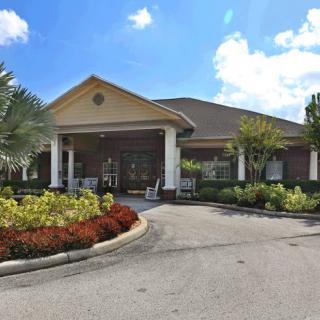
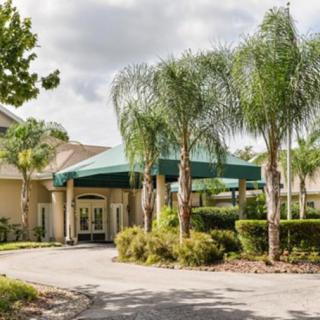
Clean Recovery Centers II is an assisted living community located in Tampa, FL. Our community offers a range of amenities to ensure the comfort and convenience of our residents. The dining room provides a pleasant environment for our residents to enjoy their meals, which are prepared and served by our staff. Each living space is fully furnished, providing a cozy and home-like atmosphere. Our community also features a beautiful garden and outdoor space where residents can relax and enjoy nature.

Housekeeping services are provided to ensure that the living spaces are clean and well-maintained. Move-in coordination is available to assist new residents with the transition process. Residents have access to telephone services as well as Wi-Fi/high-speed internet.

Our care services are designed to meet the individual needs of each resident. We provide assistance with activities of daily living such as bathing, dressing, and transfers. Our staff coordinates with health care providers to ensure that residents receive the necessary medical care. Special dietary restrictions such as diabetes diet are accommodated in our meal preparation and service. Medication management is also provided to ensure that residents take their medications properly.

Transportation arrangement for medical appointments is available for the convenience of our residents. Additionally, we provide transportation to doctors appointments when needed.

Our dining options cater to special dietary restrictions, ensuring that all residents receive appropriate meals suited to their needs.

We offer scheduled daily activities to keep our residents engaged and entertained. Nearby cafes, parks, pharmacies, physicians, restaurants, transportation options, places of worship, and hospitals provide easy access to various amenities and services for our residents.

At Clean Recovery Centers II in Tampa, FL, we strive to provide a comfortable and supportive environment where our residents can thrive while receiving the care they need.

Nearby Places of Interest

Pharmacies

  • CVS Pharmacy (0.6 miles)
  • Walgreens (0.9 miles)
  • Winn-Dixie (1 miles)
  • CVS Pharmacy (2.1 miles)
  • Walgreens (2.2 miles)
  • Winn-Dixie (2.2 miles)
  • Walgreens (2.4 miles)

Physicians

  • ForCare Medical Center (1 miles)
  • Innovision Eyecare & Eyeware (1.6 miles)
  • Newsom Eye - Carrollwood (2.3 miles)
  • Tampa Bay Bone & Joint Center (2.6 miles)
  • University Diagnostic Institute (3.4 miles)
  • Ambulatory Surgery Center - Tampa (3.7 miles)
  • Moffitt McKinley Outpatient Center (4 miles)

Places of Worship

  • St Paul Catholic Church (2.4 miles)
  • Idlewild Baptist Church (3.8 miles)
  • Vishnu Mandir (4.8 miles)
  • Grace Family Church (7.7 miles)

Restaurants

  • Portillo's Hot Dogs (2.7 miles)
  • Chick-Fil-A (2.7 miles)
  • Cracker Barrel (2.8 miles)
  • Cheddar's Scratch Kitchen (3 miles)
  • Chick-Fil-A (3.2 miles)
  • Acropolis Greek Taverna (3.6 miles)
  • McDonald's (4.5 miles)

Cafes

  • Starbucks (2.9 miles)
  • Starbucks (5.9 miles)
  • Starbucks (6.2 miles)
  • Starbucks (6.4 miles)
  • Panera Bread (7.1 miles)
  • King State (7.6 miles)

Hospitals

  • Florida Hospital Tampa (2.9 miles)
  • AdventHealth Tampa (3 miles)
  • H Lee Moffitt Cancer Center (3.2 miles)
  • St Joseph's Hospital (4.1 miles)
  • Florida Hospital Carrollwood (5.1 miles)

Parks

  • Carrollwood Village Park (3.5 miles)
  • Nye Park (4.5 miles)
  • Rivercrest Park (6.4 miles)

Transportation

  • Stanleyville Train Station (4.1 miles)
  • Nairobi Train Station (4.3 miles)
  • Starbuck's Airside E (7.7 miles)

Theaters

  • AMC Veterans 24 (5.5 miles)
  • Regal Cinemas Citrus Park 2 (6.5 miles)
  • AMC Highwoods 2 (7 miles)

Frequently Asked Questions

Where is Clean Recovery Centers II?

Nearby Communities

Related Resources

  • active senior livingVibrant Senior Living: A Comprehensive Guide for Active Older Adults

    Vibrant Senior Living emphasizes active senior living communities that promote independence and engagement through diverse amenities and activities, fostering wellness and social interaction among older adults. These communities range from independent to assisted living, with a focus on personal growth, family involvement, financial planning, and leveraging technology to enhance residents' experiences.

  • when to move from assisted living to memory careWhen to Transition from Assisted Living to Memory Care: Key Indicators, Steps, and Finding the Right Community

    Transitioning from assisted living to memory care is driven by an individual's cognitive decline and specific needs, requiring careful evaluation of indicators like increased confusion and wandering. The process involves consulting medical professionals, researching suitable communities, considering financial and legal aspects, and ensuring effective communication for personalized care plans.

  • assisted living vs memory careAssisted Living and Memory Care: Understanding Their Core Differences

    Assisted living provides moderate support for seniors seeking independence, while memory care offers specialized support for individuals with dementia or cognitive impairments through structured routines and trained staff. Key differences include care approaches, environment security measures, staff training levels, activity types, and cost considerations.