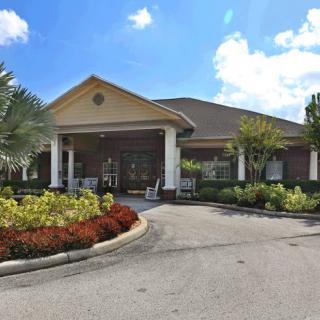
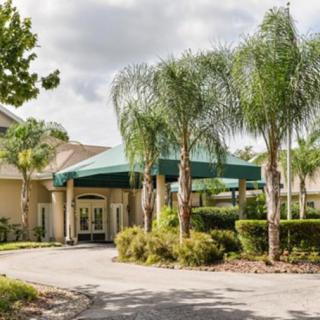
Clean Recovery Centers I in Tampa, FL

Information last verified:

14806 Wedgewood Drive, Tampa, FL 33613

For more information about senior living options: (844) 490-3973

4.5 from 110 reviews
5 stars
89
4 stars
6
3 stars
3
2 stars
2
1 stars
10

Overall Review of Clean Recovery Centers I

Pros

  • pro Clean Recovery is described as life-changing and life-saving for many clients.
  • pro The staff are described as absolutely amazing, caring, and deeply dedicated to recovery.
  • pro The programs balance one-on-one therapy, group work, and practical support, making them highly effective.
  • pro Clients report feeling safe, supported, and hopeful for a better life after treatment.
  • pro The facilities are praised for cleanliness, comfort, and a welcoming environment.
  • pro Nurses, therapists, and techs are consistently praised for their professionalism and helpfulness.
  • pro Alumni programs provide ongoing support and a strong sense of community.
  • pro Many clients credit Clean Recovery with helping them achieve long-term sobriety and personal growth.
  • pro The care teams address trauma, mental health, and spiritual aspects as part of recovery.
  • pro Former clients highly recommend Clean Recovery as a top choice for treatment.

Cons

  • pro The July 2025 review states the experience was far from promised: the facility was understaffed, some staff lacked proper mental-health training, medications were often given late, therapy access was denied on multiple days, and administration communication was poor.
  • pro A review alleges Clean Recovery Tampa misleads clients, claiming they pay for housing with no real counseling, and that staff like the nurse and case managers are ineffective or dishonest, making clients feel treated like prisoners.
  • pro Brian is described as unprofessional and unable to adapt to clients' needs, and Heather as lacking patience and care.
  • pro The offered counseling does not deeply address trauma, consisting mainly of basic group discussions.
  • pro The Largo Center is criticized for lacking professionalism, with an email response that was worse than the treatment.
  • pro The case manager is accused of not performing her job and only caring about aftercare logistics.
  • pro Leaving AMA is described as resulting in belongings being held for 24 hours, which the reviewer claims is illegal.

Review

Clean Recovery Centers I in Tampa is best suited for adults who want a comprehensive, trauma-informed path to sobriety that blends strong medical support with intensive psychotherapy and a durable aftercare network. The program offers detox, residential treatment, PHP, and IOP, with an emphasis on one-on-one therapy, group work, and trauma processing as essential parts of recovery. Clients who prize accountability, structure, and continuity across a Florida-based network tend to find that the clinical core supports meaningful change. Language accessibility has been noted by some reviewers as a strength, so families should verify current options if language support is a critical factor. In practical terms, this center aims for lasting life change rather than quick fixes, and that orientation shows in the depth of therapy and the breadth of aftercare options.

Alternatives deserve careful consideration for anyone who cannot tolerate variability in staffing or inconsistent communication. A notable thread across reviews is that staffing levels and responsiveness can vary by location and day, leading to delays in medications or therapy sessions and slower administrative follow-up. Some accounts describe miscommunications around discharge timing, insurance-driven decisions, or paperwork, which can undermine confidence in the plan and the sense of safety during treatment. For families seeking a highly transparent, family-inclusive process with predictably managed discharge dates, these dynamics can be a decisive factor. Those who prefer non-12-step modalities or a looser structure may also want to compare options, since Clean Recovery’s program remains firmly anchored in traditional recovery curricula and clearly delineated pathways to aftercare.

On the positives, the program’s therapeutic engine is repeatedly praised. Individuals report that deep, individualized therapy and trauma-informed group work help them unlock insights that translate into durable life changes. The integration of mental health care with addiction treatment creates a sturdy framework for relapse prevention, supported by attentive nurses, physicians, and treatment technicians who demonstrate genuine care. The alumni program stands out as a practical lifeline, with ongoing events and check-ins that help graduates stay connected and accountable. A generally clean, comfortable living environment, reliable meals, and organized daily rhythms further reinforce the capacity to focus on recovery. Taken together, these elements produce real momentum, clients often emerge with clearer coping skills and a concrete aftercare plan that supports long-term sobriety.

Yet the center is not without notable caveats. Several reviewers describe understaffing at the Tampa site and related gaps in service delivery, with missed appointments, slow responses, or uneven engagement from some staff members. There are also cautions about miscommunication or administrative friction around discharge decisions, and a few accounts touch on personal boundaries or safety concerns within the treatment setting. A recurring theme is the tension between program rigidity and the need for individualized pacing, particularly when families expect timely coordination of transportation or the retrieval of belongings after discharge. These issues do not erase the achievements reported by many, but they do underscore the importance of proactive, transparent oversight and a responsive care team.

Despite these concerns, the experience of many clients points to meaningful, lasting gains. Reports of sustained sobriety, improved mental health, and renewed life purpose are common, especially when clients engage fully with therapy, group work, and the aftercare infrastructure. The program’s structure, detox through residential care, followed by PHP and IOP options, with ongoing alumni engagement, helps translate clinical breakthroughs into daily practice and long-term commitments. The Tampa network’s reach across nearby locations also offers continuity for families who may need to transition within Clean Recovery’s system, while the emphasis on peer support and alumni involvement creates a practical support net that persists after discharge. The overall trajectory, for many, is a significant positive turn toward hopeful, stable living.

Bottom line: Clean Recovery Centers I represents a powerful choice for those seeking a rigorous, therapy-rich route to sobriety with trauma-focused care and robust aftercare. It is less ideal for families or individuals prioritizing flawless staffing reliability, granular family involvement at every step, or non-traditional treatment modalities. Prospective entrants should schedule a candid tour, pressing for specifics on current staffing levels, therapy availability, and aftercare planning, and speaking with alumni about their experiences. Verify language needs, obtain a clear discharge timeline, and insist on a detailed, written aftercare plan. With clear expectations and proactive engagement, Clean Recovery Centers I can deliver substantial, lasting change, leveraging its clinical strengths and alumni network while navigating the legitimate concerns raised by a minority of reviews.

Features

Housing

  • 6 resident community capacity 6 resident community capacity

Types of Care

  • Assisted Living Assisted LivingAssisted living facilities provide crucial support and care for seniors who may need help with daily tasks such as medication management, bathing, and meal preparation. These communities offer a safe and comfortable environment where seniors can maintain their independence while receiving the assistance they need to thrive in their golden years.

Amenities

  • Cable or satellite TV Cable or satellite TVCable or satellite TV is important for seniors because it provides entertainment, news, and companionship, helping to combat loneliness and boredom. It also offers a wide range of programming options tailored to different interests and preferences.
  • Dining room Dining roomDining rooms are important for seniors as they provide a space for socialization, connection, and nutritious meals. They offer opportunities for residents to bond over shared meals, foster a sense of community, and promote healthy eating habits. Dining rooms also ensure that seniors have access to well-balanced meals tailored to their dietary needs and preferences.
  • Fully furnished Fully furnishedFully furnished senior living communities are important for seniors because they provide convenience, comfort, and a hassle-free moving experience. Seniors can easily settle into their new living space without the stress of having to buy and move furniture. This allows them to focus on enjoying their new home and community.
  • Garden GardenGardens are important for seniors as they provide a peaceful and therapeutic environment for relaxation, physical activity, and socialization. Being in nature has been shown to reduce stress, improve mood, and promote overall well-being. Gardens also offer opportunities for seniors to engage in gardening activities, which can improve mobility, flexibility, and cognitive function. Additionally, gardens create a sense of community and connection with others who share a passion for plants and outdoor spaces.
  • Housekeeping services Housekeeping servicesHousekeeping services are important for seniors because they help maintain a clean and safe living environment, promote independence, and reduce the risk of accidents or illnesses. Additionally, having assistance with household chores can alleviate physical strain and allow seniors to focus on other aspects of their well-being.
  • Move-in coordination Move-in coordinationMove-in coordination is important for seniors because it helps ease the transition into their new living environment. It ensures that all logistics, such as packing, organizing movers, and setting up utilities are taken care of, allowing seniors to focus on settling in and adjusting to their new home. Having a smooth move-in process can alleviate stress and anxiety, making the transition smoother and more enjoyable for seniors.
  • Outdoor space Outdoor spaceOutdoor spaces are important for seniors as they provide opportunities for physical activity, social interaction, exposure to natural light and fresh air, and a sense of connection to nature. Having access to outdoor spaces can improve overall well-being and quality of life for older adults living in senior communities.
  • Telephone TelephoneTelephones are important for seniors as they provide a lifeline for communication with loved ones, emergency services, and healthcare providers. They offer a sense of security and independence, enabling seniors to stay connected and access assistance when needed.
  • Wi-Fi/high-speed internet available Wi-Fi/high-speed internet availableWi-Fi/high-speed internet is important for seniors to stay connected with loved ones, access online resources, and participate in virtual activities to combat feelings of loneliness and isolation. It also allows them to easily manage healthcare needs, access entertainment, and engage in lifelong learning opportunities.

Transportation

  • Tampa International (8 miles away) Tampa International (8 miles away)
  • St. Petersburg-Clearwater International (18 miles away) St. Petersburg-Clearwater International (18 miles away)

Care Services

  • 24-hour supervision 24-hour supervision24-hour supervision is important for seniors to ensure their safety, well-being, and access to immediate assistance in case of emergencies or health issues. This constant support provides peace of mind for both seniors and their loved ones, allowing them to age in place with dignity and security.
  • Activities of daily living assistance Activities of daily living assistanceActivities of daily living assistance are important for seniors because they provide essential support with tasks such as eating, bathing, dressing, and mobility. This assistance helps seniors maintain their independence, dignity, and overall quality of life as they age.
  • Assistance with bathing Assistance with bathingAssistance with bathing is crucial for seniors as it helps maintain personal hygiene, prevents infections, and ensures their overall well-being and comfort. It also provides a sense of dignity and independence for seniors who may struggle with this task on their own.
  • Assistance with dressing Assistance with dressingAssistance with dressing is important for seniors because it helps maintain their independence, promotes personal hygiene, prevents accidents and injuries, and improves overall quality of life. This service ensures that seniors can continue to dress comfortably and confidently, despite any physical limitations they may have.
  • Assistance with transfers Assistance with transfersAssistance with transfers is crucial for seniors as it helps prevent falls and injuries, maintains their independence, and ensures they can safely navigate their living environment. It also provides peace of mind for both seniors and their loved ones.
  • Coordination with health care providers Coordination with health care providersCoordination with health care providers is crucial for seniors to ensure proper medical care, medication management, and overall well-being. This collaboration helps prevent overlapping treatments, track progress more effectively, and provide comprehensive support tailored to individual needs.
  • Diabetes diet Diabetes dietA diabetes diet is crucial for seniors as it helps manage blood sugar levels, reduce risks of complications, and improve overall health and well-being. By following a balanced and nutritious diet tailored to their specific needs, seniors can better control their diabetes and enhance their quality of life.
  • Meal preparation and service Meal preparation and serviceMeal preparation and service are crucial for seniors as they may have limited mobility or energy to cook nutritious meals. Having access to healthy and convenient food options can ensure they are getting the proper nutrition needed to maintain their overall health and well-being.
  • Medication management Medication managementMedication management is crucial for seniors to ensure they are taking the right medications at the correct dosages and times. This helps prevent adverse drug interactions, reduces the risk of medication errors, and promotes overall health and well-being. Proactive management also allows for adjustments as needed based on changing health conditions or new prescriptions.
  • Special dietary restrictions Special dietary restrictionsSpecial dietary restrictions are important for seniors because age-related changes in metabolism and health conditions can make it difficult for their bodies to process certain foods. By following a diet tailored to their specific needs, seniors can maintain their overall health and well-being, manage chronic conditions, and reduce the risk of complications such as malnutrition or food interactions with medications.
  • Transportation arrangement (medical) Transportation arrangement (medical)Transportation arrangements for medical purposes are essential for seniors as they may have difficulty driving themselves to appointments or accessing public transportation. Having reliable and safe transportation options ensures that seniors can receive timely medical care and maintain their health and well-being.
  • Transportation to doctors appointments Transportation to doctors appointmentsTransportation to doctors' appointments is crucial for seniors as it ensures they have access to necessary medical care and support for their health needs. Without reliable transportation, seniors may struggle to attend important appointments, leading to potential delays in treatment and health complications. Providing transportation services helps seniors maintain their overall well-being and quality of life.

Dining

  • Diabetes diet Diabetes dietA diabetes diet is crucial for seniors as it helps manage blood sugar levels, reduce risks of complications, and improve overall health and well-being. By following a balanced and nutritious diet tailored to their specific needs, seniors can better control their diabetes and enhance their quality of life.
  • Special dietary restrictions Special dietary restrictionsSpecial dietary restrictions are important for seniors because age-related changes in metabolism and health conditions can make it difficult for their bodies to process certain foods. By following a diet tailored to their specific needs, seniors can maintain their overall health and well-being, manage chronic conditions, and reduce the risk of complications such as malnutrition or food interactions with medications.

Activities

  • Community-sponsored activities Community-sponsored activitiesCommunity-sponsored activities are important for seniors as they provide opportunities for social interaction, mental stimulation, and physical activity. These activities can help improve overall well-being, combat loneliness and isolation, and promote a sense of belonging and purpose among older adults.
  • Scheduled daily activities Scheduled daily activitiesScheduled daily activities are important for seniors because they provide structure, socialization, mental stimulation, and physical activity. Engaging in regular activities can improve overall well-being and quality of life for seniors living in a community setting.

Description

Clean Recovery Centers I in Tampa, FL is a premier assisted living community that offers a wide range of amenities and care services to ensure the comfort and well-being of our residents. Our facility boasts a beautiful dining room where delicious meals are served daily. Each living space is fully furnished, providing a comfortable and homely atmosphere for our residents. We also have a lovely garden and outdoor space where residents can relax and enjoy the fresh air.

Our dedicated housekeeping staff ensures that our community remains clean and tidy at all times, allowing residents to focus on enjoying their time with us. Additionally, we offer move-in coordination services to make the transition to our community as smooth as possible.

At Clean Recovery Centers I, we prioritize the health and safety of our residents. Our highly trained caregivers provide assistance with activities of daily living such as bathing, dressing, and transfers. We also coordinate with healthcare providers to ensure that each resident receives the appropriate care they need.

For residents with specific dietary needs, we offer diabetes diets, special dietary restrictions, and meal preparation services. Medication management is also provided to ensure that each resident is taking their medications as prescribed.

Transportation arrangement for medical purposes is available for our residents, as well as transportation to doctors' appointments. This ensures that our residents can easily access necessary medical care when needed.

In terms of nearby amenities, there are several cafes, parks, pharmacies, physicians' offices, restaurants, transportation options, places of worship, and hospitals located near our community. This allows our residents to conveniently explore their surroundings or seek additional services when desired.

To promote an active lifestyle and social engagement among our residents, we offer scheduled daily activities for everyone to participate in and enjoy.

Clean Recovery Centers I is committed to providing exceptional care in a comfortable environment where our residents can thrive physically, mentally, and emotionally.

Nearby Places of Interest

Pharmacies

  • CVS Pharmacy (0.5 miles)
  • Walgreens (1.1 miles)
  • Winn-Dixie (1.2 miles)
  • CVS Pharmacy (1.9 miles)
  • Walgreens (2 miles)
  • Winn-Dixie (2.1 miles)
  • Walgreens (2.4 miles)

Physicians

  • ForCare Medical Center (1 miles)
  • Innovision Eyecare & Eyeware (1.4 miles)
  • Newsom Eye - Carrollwood (2.2 miles)
  • Tampa Bay Bone & Joint Center (2.6 miles)
  • University Diagnostic Institute (3.6 miles)
  • Ambulatory Surgery Center - Tampa (3.9 miles)
  • Moffitt McKinley Outpatient Center (4.2 miles)

Places of Worship

  • St Paul Catholic Church (2.4 miles)
  • Idlewild Baptist Church (3.6 miles)
  • Vishnu Mandir (4.8 miles)
  • Grace Family Church (7.8 miles)

Restaurants

  • Chick-Fil-A (2.9 miles)
  • Portillo's Hot Dogs (2.9 miles)
  • Cracker Barrel (2.9 miles)
  • Cheddar's Scratch Kitchen (3.1 miles)
  • Chick-Fil-A (3.4 miles)
  • Acropolis Greek Taverna (3.7 miles)
  • McDonald's (4.7 miles)

Cafes

  • Starbucks (3 miles)
  • Starbucks (6.1 miles)
  • Starbucks (6.2 miles)
  • Starbucks (6.3 miles)
  • Panera Bread (7.3 miles)
  • King State (7.8 miles)

Hospitals

  • Florida Hospital Tampa (3.1 miles)
  • AdventHealth Tampa (3.1 miles)
  • H Lee Moffitt Cancer Center (3.4 miles)
  • St Joseph's Hospital (3.9 miles)
  • Florida Hospital Carrollwood (5.2 miles)

Parks

  • Carrollwood Village Park (3.4 miles)
  • Nye Park (4.3 miles)
  • Rivercrest Park (6.5 miles)

Transportation

  • Stanleyville Train Station (4.4 miles)
  • Nairobi Train Station (4.6 miles)

Theaters

  • AMC Veterans 24 (5.5 miles)
  • Regal Cinemas Citrus Park 2 (6.4 miles)
  • AMC Highwoods 2 (7 miles)

Frequently Asked Questions

Where is Clean Recovery Centers I?

Nearby Communities

  • Clean Recovery Centers II

    Clean Recovery Centers II

    Tampa, FL

    4.4 from 101 reviews
     

    pro Small, intimate assisted living with personalized care, furnished spaces, meals, and medical transport.



  • Haven ALF

    Haven ALF

    Tampa, FL

    5 from 1 review
     

    pro Intimate 6-bed board-and-care with comprehensive daily living support and modern amenities.

  • Maydel Alf 2

    Maydel Alf 2

    Tampa, FL


    pro Intimate board-and-care with 24-hour supervision, ADL support, and diabetes-friendly meals.

  • L&Y Paradise ALF

    L&Y Paradise ALF

    Tampa, FL

    5 from 6 reviews
     

    pro Intimate 6-resident setting with 24-hour supervision, ADL support, meals, housekeeping, and medical transport.

  • Angels Senior Living at North Tampa

    Angels Senior Living at North Tampa

    Tampa, FL

    4 from 36 reviews
    $2,500 to $3,600 / month

    pro Extensive on-site activities and comprehensive care services, plus transportation and Wi-Fi access.

  • Kristianna's

    Kristianna's

    Tampa, FL


    pro Small, intimate facility (22 beds) with 24/7 staff and personalized assisted living and respite care, plus on-site dining, garden, library, and activities.

  • Sodalis Tampa

    Sodalis Tampa

    Tampa, FL

    4.5 from 204 reviews
    $2,800 to $4,800 / month

    pro Friendly, attentive staff; clean, well-maintained environment with engaging activities.

  • Northdale Rehabilitation Center

    Northdale Rehabilitation Center

    Tampa, FL

    4 from 134 reviews
     

    pro Caring staff with engaging activities and strong therapy services.

  • Renaissance North Tampa

    Renaissance North Tampa

    Tampa, FL

    4.4 from 180 reviews
    $3,250 to $5,495 / month

    pro Welcoming, clean facility with attentive staff and a variety of on-site activities.

Related Resources

  • assisted living costUnderstanding the True Cost of Assisted Living in 2025: A Comprehensive Guide

    Assisted living in 2025 offers a crucial balance of independence and support for seniors, with costs varying from $2,500 to over $7,000 per month based on factors such as location and care level. Understanding pricing complexities, including regional differences and potential hidden fees, is essential for families to plan financially while ensuring quality care for their loved ones.

  • does medicaid pay for assisted livingUnderstanding Medicaid Coverage for Assisted Living: A Comprehensive Guide

    The guide outlines the complexities of Medicaid coverage for assisted living, highlighting significant state-to-state variations, limited coverage often restricted to personal care services, and the existence of specialized waivers for certain needs like memory care. It advises families to consult local Medicaid offices for options while emphasizing the importance of understanding state-specific regulations and facility policies.

  • does medicaid pay for assisted livingHow and When Medicaid May Cover Assisted Living Costs

    Medicaid coverage for assisted living varies by state and is primarily available to low-income individuals, with eligibility dependent on strict income and asset limits. Some states offer HCBS waivers for specific services in assisted living, but families must generally cover room and board costs, and should verify facility acceptance of Medicaid while considering potential waiting lists.