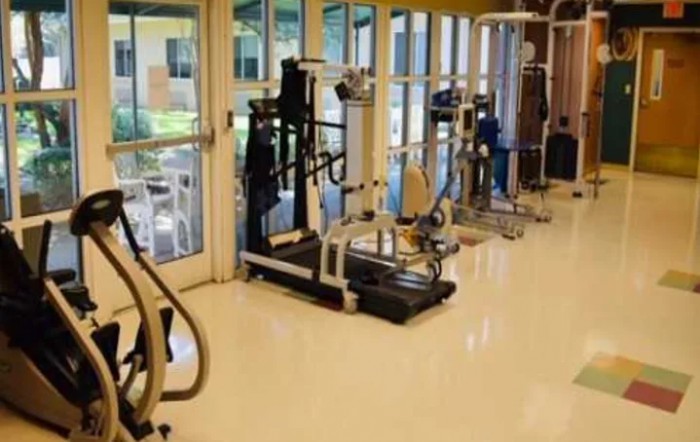
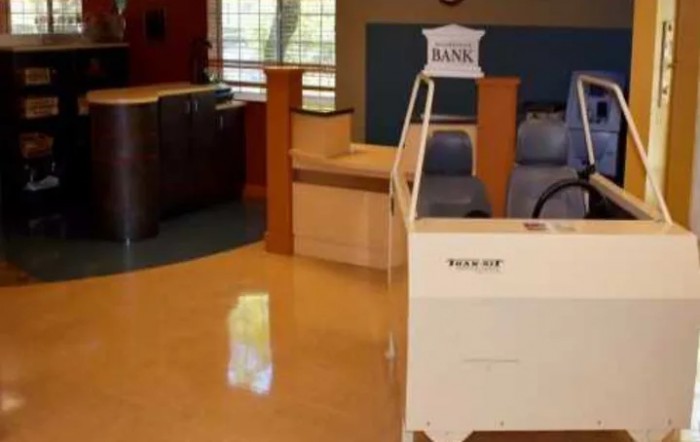
Rehab therapy receives standout praise from multiple residents and families.
A recurring theme is that the physical and occupational therapy teams help residents make progress and feel supported. Several reviewers single out specific therapists for paying attention, pushing with care, and keeping people motivated. In the negative reviews, therapy is still described as the part that worked best, even when other aspects of the stay fell short.
common28 reviews mention this
Staff care is a mixed picture
Many families describe staff as kind and attentive.
Many reviews emphasize a respectful, attentive approach from nurses, CNAs, social services, and front-desk staff. Several families also describe frequent check-ins and help with needs, including updates through care meetings. At the same time, other reviews describe unresponsive call lights, irritated interactions, and residents being left without timely assistance.
common10 reviews mention this
Dining draws strong reactions
Dining is consistently discussed, with both praise and complaints.
Some residents and families say the food is surprisingly good or like home cooking, and a few mention staff helping with diet needs for picky eaters. Others complain that meals arrive cold and that the food is unappetizing or hard to eat during recovery. A few negative reviews connect food quality to diet restrictions and the way choices are handled.
caveat8 reviews mention this
Cleanliness and odors vary
Cleanliness and odor concerns come up in multiple reviews.
Several reviewers describe the building as clean and well kept, sometimes calling out bright, orderly areas. However, multiple others report strong odors that they associate with urine, along with pests or reports of bugs in rooms. A few also mention housekeeping and hygiene not being addressed quickly enough during their stay.
caveat11 reviews mention this
Call response and communication issues
Communication and response times are questioned by some families.
A number of reviews mention limited updates, missed calls, or difficulty getting help promptly when a call button is used. Some families describe nurses taking too long to respond unless a family member is present. There are also complaints that care plans, medication timing, and discharge planning communication were inconsistent, even when therapy staff were described positively.
common6 reviews mention this
Activities help residents stay engaged
Activities are repeatedly described as keeping people engaged.
Several reviews mention scheduled daily activities, resident-run or social events, and a sense that people had something to do during the day. Some reviewers describe day trips, fitness programs, and group events that families could attend. A few critical reviews say activities were limited, but the overall pattern is that many residents benefited from the programs offered.
How we summarize
Counts show how many written reviews mention each theme; a review can touch several themes, and only frequently mentioned themes are displayed.
Features
Housing
120 resident community capacity
Types of Care
Skilled Nursing Facility
Amenities
Air-conditioning
Beauty salon
Cable or satellite TV
Computer center
Dining room
Fitness room
Fully furnished
Gaming room
Garden
Housekeeping services
Kitchenette
Move-in coordination
Outdoor space
Private bathrooms
Restaurant-style dining
Small library
Telephone
Wellness center
Wi-Fi/high-speed internet available
Transportation
Tampa International (8 miles away)
St. Petersburg-Clearwater International (17 miles away)
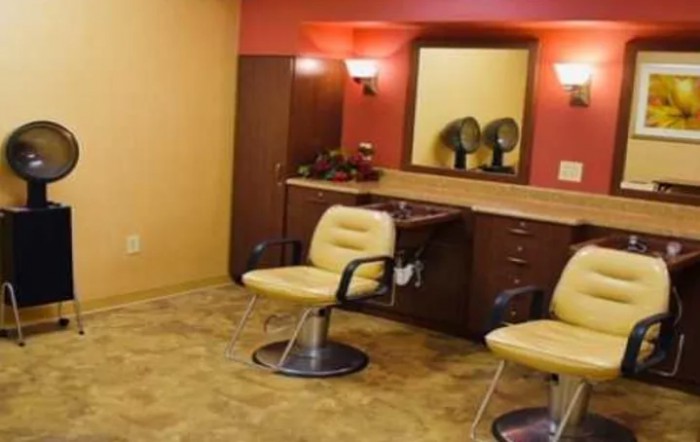
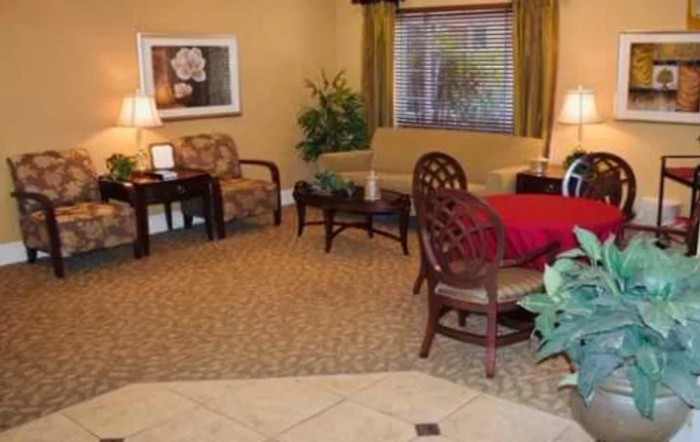
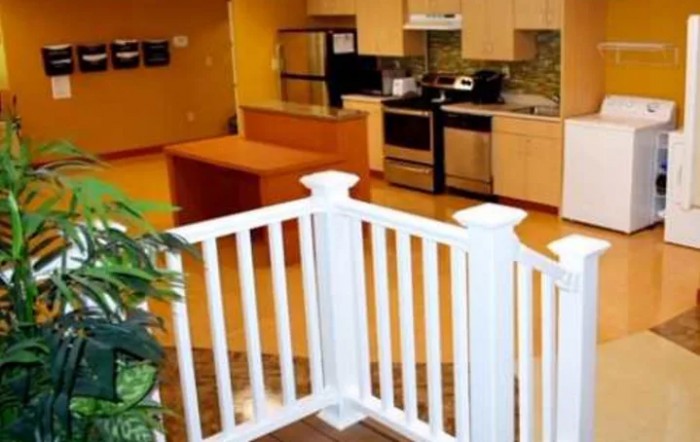
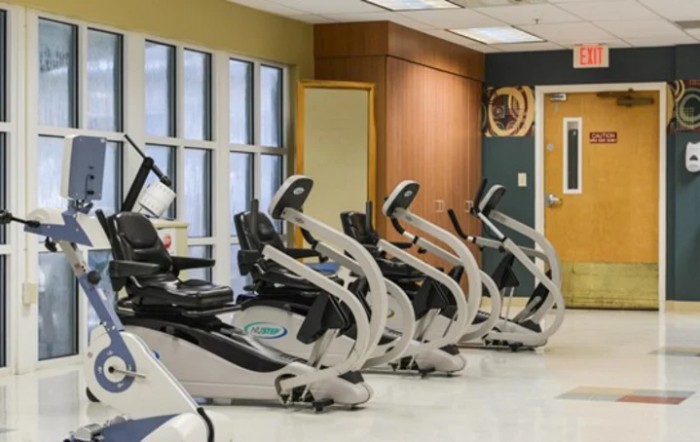
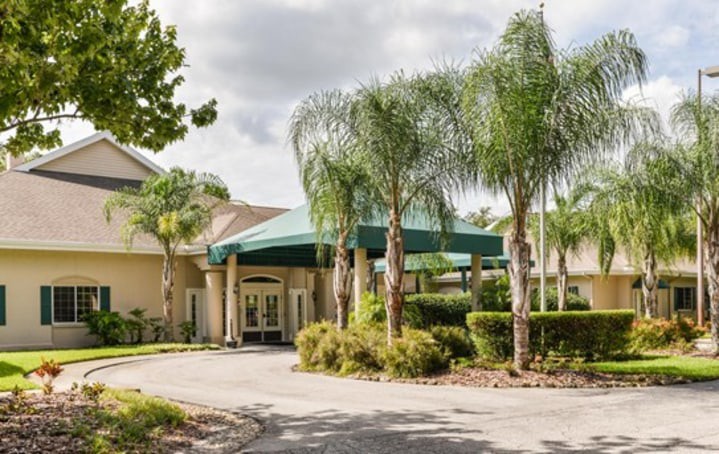
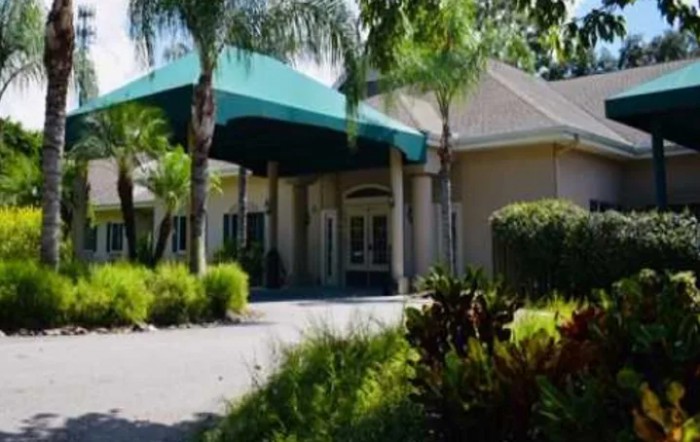
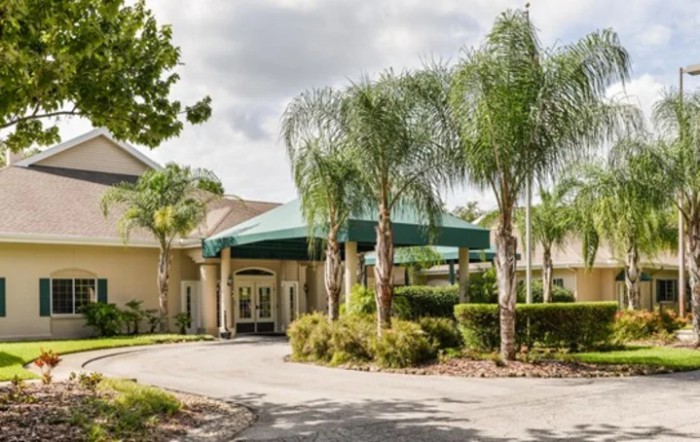
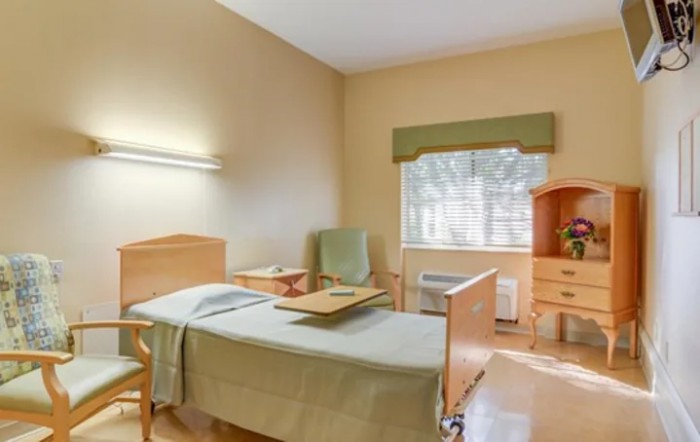
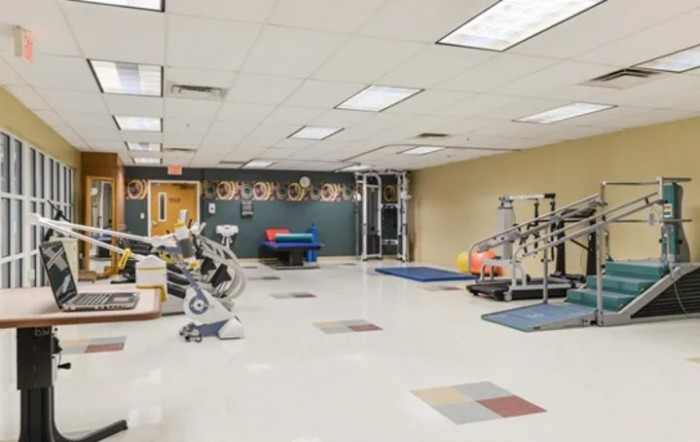
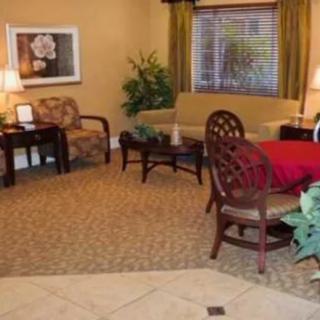
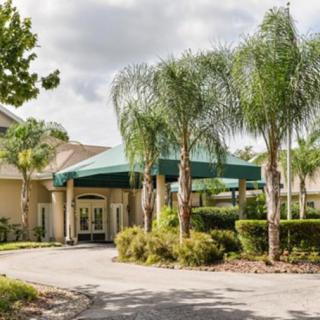
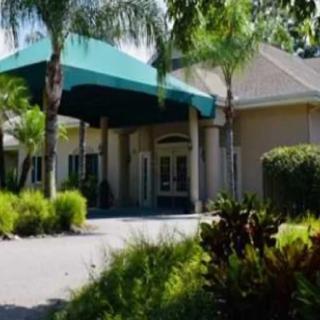
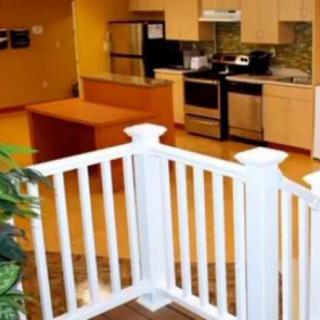
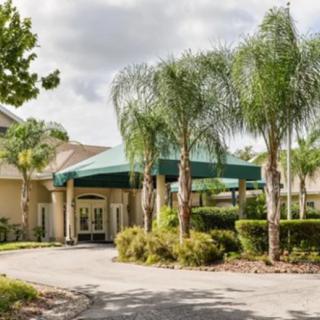
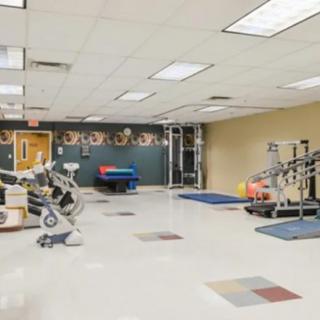
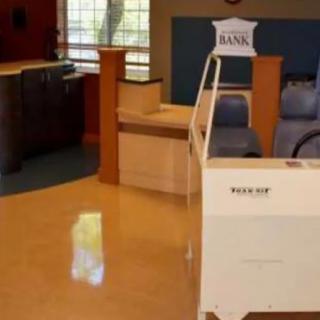
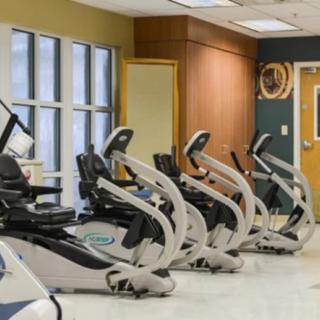
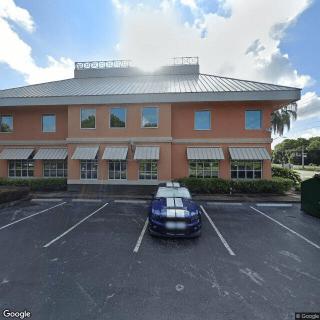
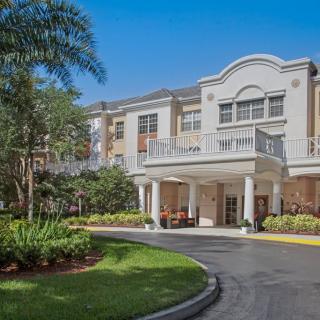
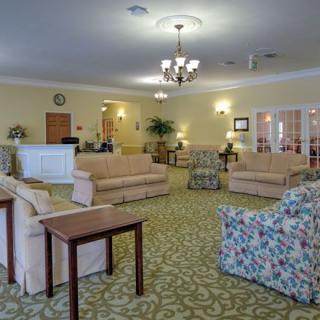
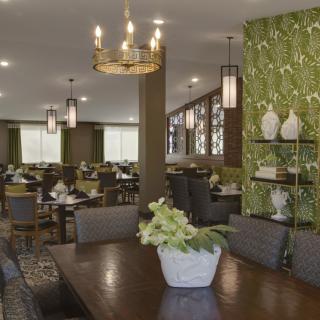
Northdale Rehabilitation Center on seniors.fyi includes 11 photos including images showing interior, exercise equipment, building, entrance, palm trees, landscaping, gym, healthcare, and more.
Nearby Communities
The Colonnade at Northdale
Tampa, FL
4.3 from 110 reviews
$1,995 to $4,690 / month
Clean, friendly staff and engaging dining/activities in a cozy setting.
Sodalis Tampa
Tampa, FL
4.5 from 213 reviews
$2,800 to $4,800 / month
Friendly, attentive staff; clean, well-maintained environment with engaging activities.
La Bella Vida ALF III
Tampa, FL
3.9 from 13 reviews
$2,300 to $2,500 / month
Welcoming appearance and a generally safe environment.
HomeWell Care Services Tampa
Tampa, FL
5 from 31 reviews
Consistent, compassionate support and reliable help for loved ones.
Gentiva Health Svc
Tampa, FL
Convenient location with nearby parks, pharmacies, physicians, dining, worship, theaters, and a hospital for comprehensive care.
Haven ALF
Tampa, FL
5 from 1 review
Intimate 6-bed board-and-care with comprehensive daily living support and modern amenities.
Tampa Gardens Senior Living
Tampa, FL
4.6 from 218 reviews
$2,500 to $4,100 / month
Friendly, attentive staff with well-maintained facilities and engaging activities.
The Colonnade at Carrollwood
Tampa, FL
4.5 from 143 reviews
$2,500 to $5,000 / month
Caring staff, clean facility, and engaging activities.
Renaissance North Tampa
Tampa, FL
4.4 from 190 reviews
$3,250 to $5,495 / month
Welcoming, clean facility with attentive staff and a variety of on-site activities.
Senior move management provides specialized support for older adults relocating by assisting with logistics, emotional challenges, and downsizing decisions to ensure a smooth transition to new living environments. These services address the unique needs of seniors and have become increasingly important as baby boomers retire and seek to downsize.
Weight training is vital for seniors to maintain muscle mass, bone density, and overall health, combating age-related declines through customized resistance exercises that enhance balance and well-being. Safe routines should start with realistic goals and proper form, while emphasizing gradual progress and consultations with healthcare providers to ensure safety and effectiveness.
The Sandwich Generation comprises adults managing the dual responsibilities of caring for aging parents and raising children, leading to significant emotional, logistical, and financial challenges. This situation is exacerbated by longer life expectancies and cultural expectations, necessitating effective coping strategies and support resources to alleviate caregiver stress and burnout.
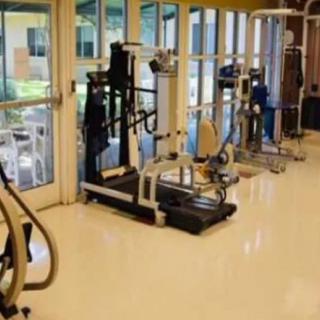
Rehabilitation, Physical Therapy, and Therapy Room
Treadmill, Fitness Center, and Workout Space
Awning
Workout Room
Get PricingAsk A QuestionSchedule A TourContact Senior Advisor
By clicking submit, you agree to our Partner's Terms of Use. You
also consent to receive calls and texts, which may be autodialed, from our Partner. Your consent is not a condition to
using our Partner's service. Please visit our Partner's Privacy Policy for information about their privacy practices.


 120 resident community capacity
 Skilled Nursing Facility
 Air-conditioning
 Beauty salon
 Cable or satellite TV
 Computer center
 Dining room
 Fitness room
 Fully furnished
 Gaming room
 Garden
 Housekeeping services
 Kitchenette
 Move-in coordination
 Outdoor space
 Private bathrooms
 Restaurant-style dining
 Small library
 Telephone
 Wellness center
 Wi-Fi/high-speed internet available
 Tampa International (8 miles away)
 Community operated transportation
 12-16 hour nursing
 24-hour call system
 Activities of daily living assistance
 Assistance with bathing
 Assistance with dressing
 Assistance with transfers
 Diabetes diet
 Medication management
 Mental wellness program
 Special dietary restrictions
 Concierge services
 Planned day trips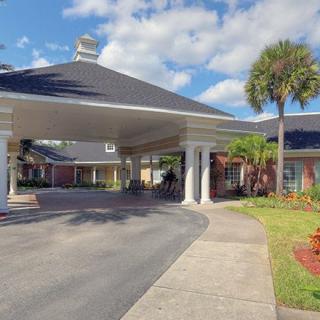
 Clean, friendly staff and engaging dining/activities in a cozy setting.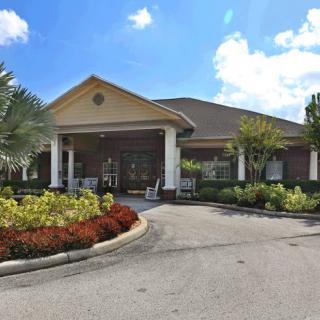


 Senior Move Management: Understanding the Role, Value, and Associated Costs
 Weight Training for Seniors: Building Strength and Vitality
 Understanding the Sandwich Generation: Stress and Responsibilities for Multigenerational Caregivers