
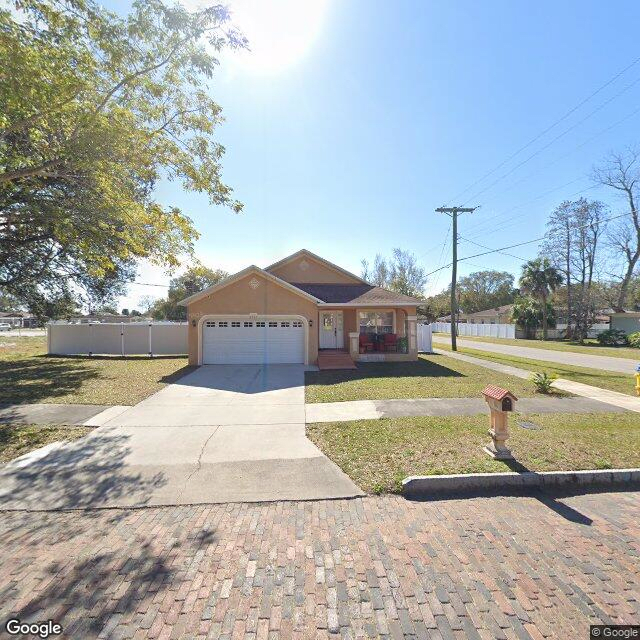
2934 W Chestnut St, Tampa, FL 33607
To contact a resident: (813) 263-3500
For more information about senior living options: (866) 208-4318
Adult Home Assisting Center Costs & Pricing
The costs associated with the Adult Home Assisting Center reveal a nuanced landscape compared to both Hillsborough County and the broader state of Florida. For semi-private rooms, the center charges $3,500 per month, which is notably higher than the county's average of $3,096 and slightly above the state average of $3,009. When considering private rooms, the difference becomes even more pronounced; at $4,500 per month, the center's rates exceed both Hillsborough County's charge of $3,384 and Florida's average of $3,699. These figures suggest that while the Adult Home Assisting Center offers tailored services potentially justifying its higher pricing, prospective residents may find more economical options within the county and state for similar care needs.
| Floor plans | Adult Home Assisting Center | Hillsborough County | Florida |
|---|---|---|---|
| Semi-Private | $3,500 | $3,096 | $3,009 |
| Private | $4,500 | $3,384 | $3,699 |
Senior living communities with a similar price nearby
-
from -$500 / mo
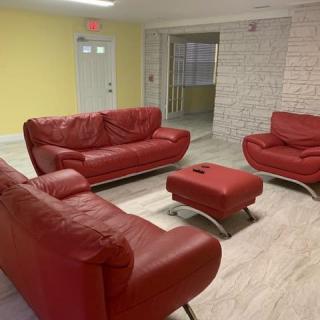
Mary's Assisted Living Facility House
$3,000 / month8.0 miles away -
About the same
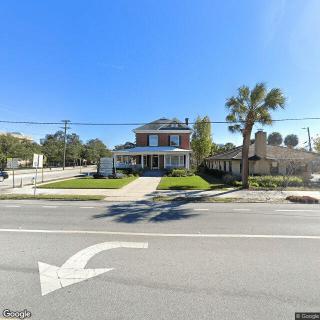
A Care Connection - Tampa, FL
$3,435 to $3,450 / month2.2 miles away -
from +$340 / mo

Arbor Terrace Citrus Park Independent Living
$3,840 to $4,440 / month9.8 miles away -
from -$405 / mo
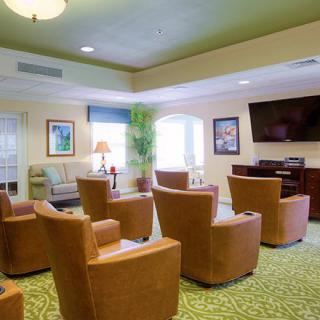
Homewood At Sun City Center
$3,095 to $6,500 / month18.5 miles away -
from +$200 / mo
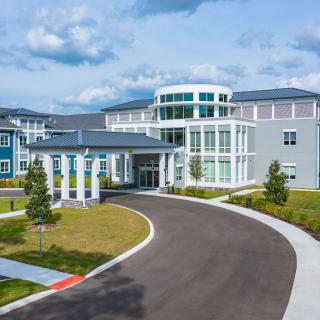
The Meridian at Brandon
$3,700 to $5,900 / month8.7 miles away
Overall Review of Adult Home Assisting Center
Pros
 The staff are compassionate, loving, and attentive to residents.
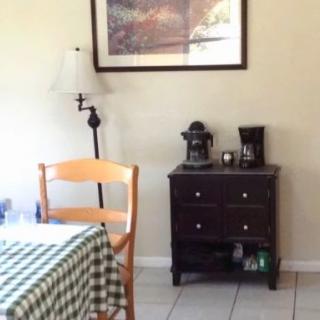
- The facility is clean, well-maintained, bright, and welcoming.
- The care provided is exceptional, personalized, and respectful of each resident's dignity.
- The owner/director is involved, supportive, and communicates regularly with families.
- Families receive timely, clear updates about their loved ones' health and well-being.
- The activities program is engaging, with music therapy and opportunities for socialization.
- The environment feels like home, with rooms that are clean and personalized with family touches.
- The care is affordable.
Cons
 One reviewer described Aguila Assisted Living as a horrible place and said they would not recommend it.
Review
This Tampa community is best suited for families seeking a small, intimate assisted-living option where warmth, hands-on caregiving, and steady family communication are non-negotiable. The reviews consistently describe a homey, clean environment with caregivers who treat residents with genuine kindness, patience, and respect. The setting favors memory-care-like support and daily routines that feel individualized rather than institutional, with an emphasis on meals that residents enjoy and a calm, welcoming atmosphere. For families prioritizing a personal touch, predictable daily rhythms, and ongoing family updates, this is the option that should be seriously considered.
Those who may want to consider alternatives include families with a need for robust, on-site medical oversight beyond an on-call nurse and occasional doctor visits. Some reviewers flagged the language dynamic, noting that staff primarily speak Spanish but can communicate with English-speaking residents, which can matter if language compatibility is essential for comfort and care planning. For families seeking a larger campus with more formalized medical programming, or for residents who require around-the-clock nursing staff and a broader slate of on-site specialists, exploring other communities may yield a better fit. In short, this option excels on warmth and personalization but may not satisfy every level of clinical rigor or language preference.
The strongest positives here lie in the care culture and the environment. Caregivers are repeatedly praised for being attentive, gentle, and engaged, particularly with residents who have dementia or memory-care needs. The facility is described as beautifully maintained, clean, and safe, with wide hallways and thoughtfully arranged spaces that support social interaction while preserving individual dignity. Family communication stands out as a core strength: families feel informed and involved, with updates available by phone or in person. The program also leans into meaningful engagement, music therapy, movie nights, and structured activities that foster connection without overwhelming residents.
On the downside, the main concerns revolve around scale and consistency rather than intent or capability. A smaller operation can bring variability in staffing across shifts, and although there is on-call medical coverage, the absence of constant on-site physicians may be a drawback for families who want higher-intensity medical management or who worry about rapid changes in health status. Language dynamics can also pose a hurdle for some families or residents who require consistently English-only communication. One review that labeled the place as “horrible” serves as a reminder that experiences can be highly individualized, and expectations about pace, communication style, and clinical oversight will shape satisfaction.
Yet the strengths effectively offset these potential drawbacks when aligned with resident needs. The personal attention, tied to a likely smaller, more cohesive staff, translates into a higher likelihood of timely assistance with activities of daily living, medication prompts, and daily living planning. The availability of on-site services through mobile professionals, such as optometry and podiatry, plus access to an on-call doctor and nurse, reduces the burden on families to coordinate external care and provides a smoother continuity of care. For residents who thrive in a stable routine and for families who prize transparency and relationship-building with caregivers and ownership, these offsets matter a great deal.
Decision guidance follows a clear path. Choose this community if the goal is a warm, home-like setting with attentive staff, meaningful daily activities, and proactive family involvement, all at a more affordable price point. Use caution if there is a strict requirement for 24/7 on-site medical staff, if language consistency is critical for daily care planning, or if the resident requires a larger campus with extensive medical programming. Before committing, request a tour and a written outline of daily schedules, staff-to-resident ratios by shift, and the exact scope of on-site medical services. Verify how care plans are customized for dementia or memory-care needs, and ask for examples of how families are kept informed during health changes. Finally, check references from multiple families to gauge consistency across shifts and seasons of care, this is the kind of due diligence that confirms whether warmth and reliability will endure over time.
 Board and Care Home
 Activities on-site
 Air-conditioning
 Bath tubs
 Cable or satellite TV
 Fireplaces
 Handicap accessible
 Indoor common areas
 Outdoor common areas
 Private
 Private bathrooms
 Wi-Fi/high-speed internet available
 Tampa International (3 miles away)
 Ambulatory care
 High acuity care
 Medication management
 Meals provided
 Art classes
 BBQs or picnics
 Birthday parties
 Day trips and outings
 Tai Chi
 A Comprehensive Exploration of Common Misunderstandings about Powers of Attorney
 Senior Move Management: Understanding the Role, Value, and Associated Costs
 Weight Training for Seniors: Building Strength and Vitality