
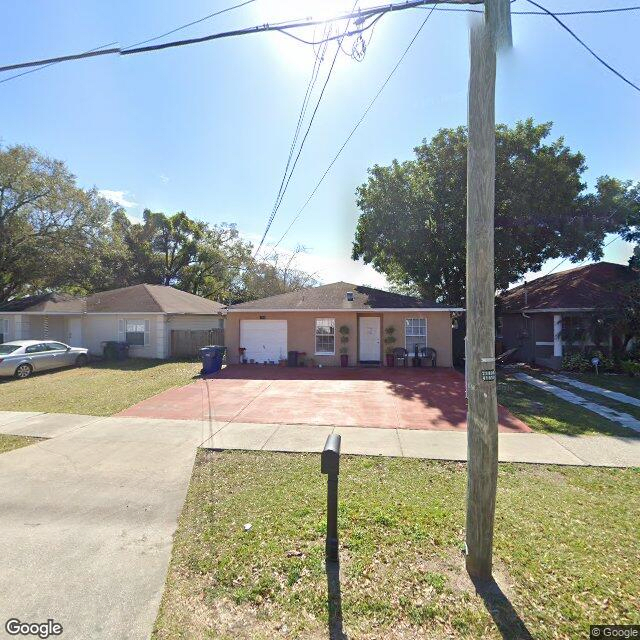
3328 West Spruce Street, Tampa, FL 33607
For more information about senior living options: (866) 208-4318
Golden Age ALF Of Tampa Bay Costs & Pricing
Golden Age ALF of Tampa Bay offers competitive pricing for its residents, making it an appealing choice for those seeking assisted living in the area. For semi-private rooms, the cost is $2,500 per month, which is notably lower than both the average rates in Hillsborough County ($3,096) and across Florida ($3,009). The private room option is equally attractive at $3,000 per month, compared to the county's average of $3,384 and Florida's average of $3,699. These pricing structures not only highlight Golden Age ALF's commitment to affordability but also position it as a favorable alternative for families considering assisted living options without compromising on quality care.
| Floor plans | Golden Age ALF Of Tampa Bay | Hillsborough County | Florida |
|---|---|---|---|
| Semi-Private | $2,500 | $3,096 | $3,009 |
| Private | $3,000 | $3,384 | $3,699 |
Memory care communities with a similar price nearby
-
from -$300 / mo
Dorothy Cares Assisted Living Facility
$2,200 to $3,300 / month16.8 miles away -
from +$200 / mo
Alafia Village
$2,700 to $4,000 / month13.4 miles away -
from -$300 / mo
Mary Dunbar Assisted Living Facility
$2,200 to $2,800 / month8.6 miles away -
About the same
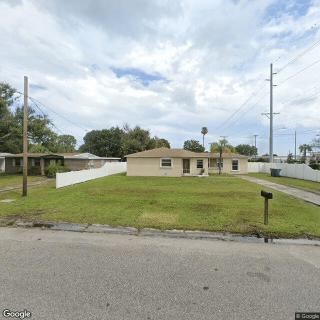
Consuelo's Assisted Living Facility
$2,500 to $4,500 / month4.9 miles away -
from +$100 / mo
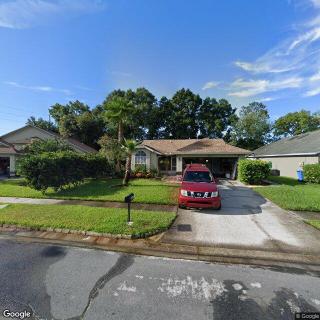
Hilda's Home Care Alf
$2,600 to $2,800 / month9.0 miles away
Overall Review of Golden Age ALF Of Tampa Bay
Pros
 The place is the best for a loved one, with great food and very good staff.
- It is the best place the reviewer visited in Tampa, noted for clean facilities, good food, and good staff.
- The staff are friendly, and the community seemed nice overall, with cleanliness and good upkeep.
- The site is awesome and well-run.
- Golden Age ALF is the best the reviewer has found, with the owner described as accommodating.
Cons
 They don’t have a bed available for a dad.
- The place would not be a great fit; it felt more institutional and less homey.
- The bathing facilities need to be more patient-friendly.
- There should be more activities or personal interaction with the clients.
- The food should be geared toward a healthier overall diet, with less salt and sugar.
- The help should take a course on caring for persons with dementia.
- The reviewer says their other four experiences were a nightmare, and life in the ALF world can be a nightmare for the person who pays thousands for mediocrity.
Review
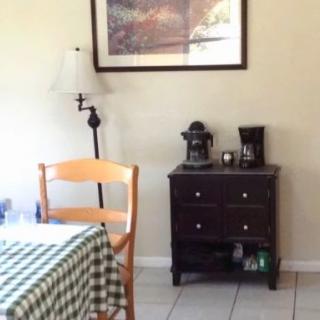
Golden Age ALF Of Tampa Bay is best suited for families seeking a dependable, clean, well-run assisted living option in central Tampa where reliable staff and solid daily meals matter most, and where bed availability and a home-like, residential vibe are secondary concerns. This community fits families with modest budgets who value safety, straightforward operations, and a predictable care environment over a boutique, intimate feel. It works for those who prioritize a practical, workmanlike atmosphere and are comfortable with a more institutional rhythm rather than a quaint, homelike setting.
Those who may want to consider alternatives include families seeking a deeply homelike, residential ambiance or a highly active calendar of daily engagements designed to spark social interaction. The reviews flag a sense of institution and a mid-city location that isn’t ideal for residents craving a cozier, village-like feel. Immediate bed availability is another potential hurdle, so families needing a move-in within days may need to look elsewhere. Additionally, for families prioritizing robust dementia-focused programming and staff trained specifically in dementia care, this community may fall short relative to more specialized offerings.
On the plus side, the strongest assets are clear: the facility is clean and well kept, and staff members are consistently described as friendly and attentive. The cooking earns praise in several notes, delivering satisfactory meals that lift daily life for residents. An owner who makes an effort to accommodate families adds a practical, problem-solving dimension to the experience, signaling that practical needs can be addressed without excessive friction. Taken together, these advantages create a stable, low-variance environment where families can feel confident that basic care and daily routines will be handled competently.
Yet the most meaningful drawbacks temper enthusiasm. The setting tends toward an institutional appearance rather than a warm, homey residence, which can deter relatives seeking a more intimate atmosphere. Bathing facilities are flagged as in need of modernization to be more user-friendly for residents with mobility or cognitive challenges. Activities and personal interaction with clients are identified as areas for growth, suggesting that residents may spend less time engaged than desired. The combination of limited dementia-focused training for staff and a relatively sparse activity program means that families coping with memory care needs may need to supplement care with external programming or choose a community with stronger specialized support.
Decision-making should be anchored in a few targeted checks. First, verify current bed availability and the typical wait time, because real-world occupancy can determine whether a move is feasible in the near term. Second, tour at varying times to observe staff engagement and resident interactions beyond the surface impressions. Third, request a concrete plan for activities, meaningful social opportunities, and dementia care training for caregivers, then weigh whether those offerings meet individualized needs. Fourth, inspect the bathing facilities and discuss potential upgrades or accommodations to support comfort and safety. Finally, review the menu options and dietary adaptations to ensure nutrition aligns with medical and personal preferences.
In the end, Golden Age ALF Of Tampa Bay delivers solid, dependable day-to-day care with clean surroundings, friendly staff, and reasonable pricing. It is a sensible fit for families prioritizing reliability and value over a homey, intimate ambiance, provided there is flexibility around bed availability and a willingness to accept a more institutional feel. For those seeking a warmer residential vibe, richer dementia programming, or immediate admission, it’s prudent to compare other Tampa options that emphasize a cozier atmosphere, more robust activity schedules, and stronger memory-care training. The right match hinges on balancing the importance of a clean, well-run base with the desire for warmth, engagement, and a home-like daily rhythm.
 8 resident community capacity
 Assisted Living
 Board and Care Home
 Memory Care
 Respite Care
 Cable or satellite TV
 Dining room
 Fully furnished
 Garden
 Housekeeping services
 Move-in coordination
 Outdoor space
 Private
 Telephone
 Wi-Fi/high-speed internet available
 Tampa International (2 miles away)
 24-hour supervision
 Activities of daily living assistance
 Assistance with bathing
 Assistance with dressing
 Assistance with transfers
 Diabetes diet
 Diabetic care
 High acuity care
 Meal preparation and service
 Medication management
 Special dietary restrictions
 Transportation arrangement (medical)
 Transportation to doctors appointments

 Memory Care Pathways: A Holistic Guide to Dementia Support
 Comprehending Evening Confusion in Dementia: Causes, Manifestations, and Support
 Delirium and Dementia: Unraveling the Key Differences