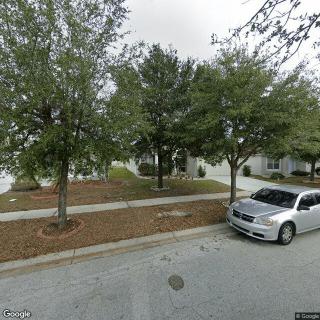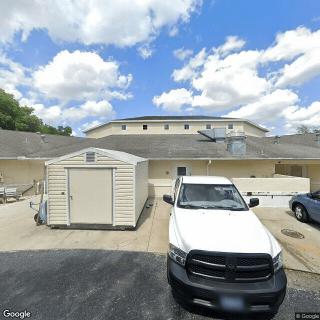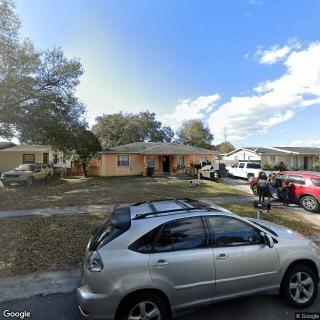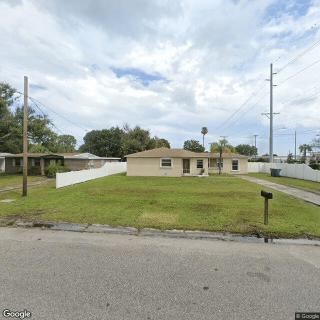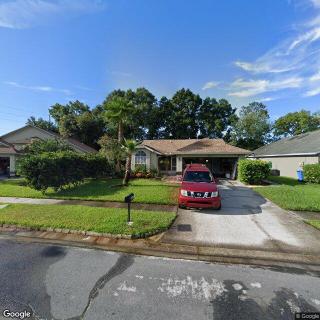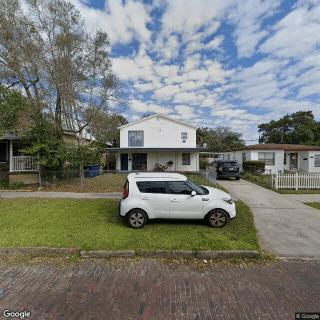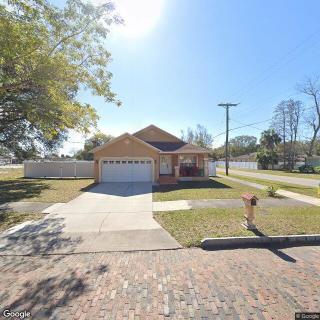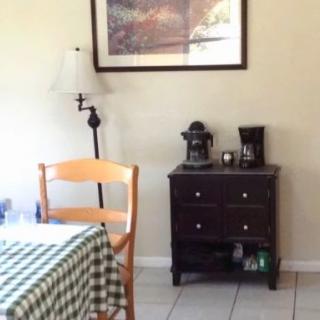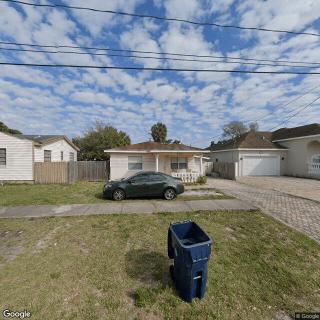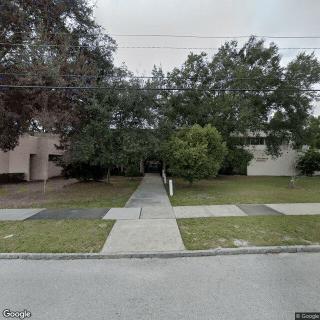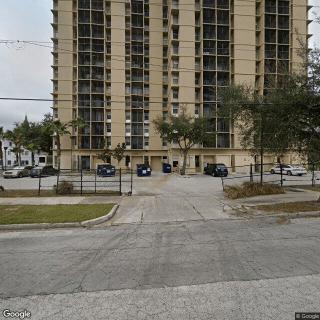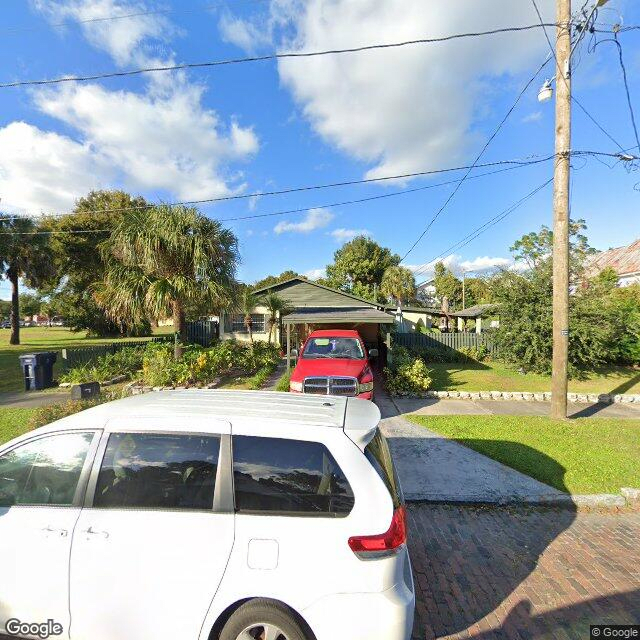
Deanna Adult Family Care Home in Tampa, FL

Save
Deanna Adult Family Care Home

Deanna Adult Family Care Home in Tampa, FL

2325 West Pine Street, Tampa, FL 33607

For more information about senior living options: (844) 490-3973

2.3 from 3 reviews
5 stars
1
4 stars
0
3 stars
0
2 stars
0
1 stars
2

Board and Care Home Memory Care

Deanna Adult Family Care Home Costs & Pricing

Deanna Adult Family Care Home offers competitive pricing for its residents compared to the broader market in Hillsborough County and the state of Florida. For a semi-private room, the cost at Deanna is $2,500 per month, significantly lower than the county average of $3,096 and the state average of $3,009. Similarly, for those seeking private accommodations, Deanna's rate of $3,500 is more affordable than both Hillsborough County's average of $3,384 and Florida's state average of $3,699. This positioning not only reflects Deanna's commitment to providing quality care but also highlights their focus on making supportive living accessible for families seeking adult care options.

Floor plansDeanna Adult Family Care HomeHillsborough CountyFlorida
Semi-Private$2,500$3,096$3,009
Private$3,500$3,384$3,699

Overall Review of Deanna Adult Family Care Home

Pros

  • pro The facility is described as nice and clean.

Cons

  • pro The people in charge were not very nice.
  • pro They were verbally abusive.
  • pro Patients were not allowed to eat inside; they had to eat outside regardless of the weather.
  • pro Residents were left unsupervised on several occasions as caregivers left the premises.
  • pro Night-time medications were missed because the caregiver wasn't on the premises.
  • pro The reviewer would not recommend this place.
  • pro The care provided was terrible.
  • pro A grandmother had a bed sore that went untreated.
  • pro By the time they got to St Joseph's Hospital, the infection had reached her bones.
  • pro The ER doctor said she was extremely malnourished.

Review

Deanna Adult Family Care Home in Tampa presents a setting that only families who value a small, home-like environment should seriously consider, and even then with eyes wide open. This community is best viewed as a place where daily life may feel comfortable on a surface level, but where the care delivery hinges on highly active family involvement to safeguard safety and quality. It is not the right fit for residents who require steady medical oversight, reliable medication management, or professional wound and malnutrition care. In short, this is a scenario where the family becomes an essential part of the care team, and where the lack of consistent on-site supervision can translate into meaningful risk if vigilance lapses.

On the positive side, the setting is described as clean and domestically arranged, which can appeal to families seeking a quieter, less institutional atmosphere. The appeal here rests primarily on the idea of a homelike environment rather than a clinical campus. For some residents, especially those who can tolerate a small-scale operation and who do not demand complex clinical services day-to-day, that warmth and simplicity can provide a measure of comfort. However, cleanliness and a pleasant ambiance do not compensate for fundamental gaps in care oversight and safety practices, so this pro is inherently limited in its protective value.

The weighty downsides are precisely where risk becomes real. Several reviews recount episodes of verbal abuse by those in charge, which is a red flag for emotional safety and resident dignity. Beyond interpersonal issues, there are acute safety and care deficiencies: residents reportedly left unsupervised when caregivers are not on the premises, medications occasionally go missed at night, and there are alarming medical consequences tied to neglect - untreated bed sores and severe malnutrition cited by a hospital ER team. An outdoor dining rule that forces residents to eat outside regardless of weather further signals a rigidity that can undermine comfort and routine, and underscores a lack of resident-centered adaptability. Taken together, these factors create a care environment where serious lapses in supervision and clinical standards are plausible rather than exceptional.

In weighing the pros against these cons, the advantages feel insufficient to offset the core risks. The attractive, homey feel does little to mitigate the reality that essential medical tasks - medication administration, wound care, nutritional monitoring, and timely responses to health concerns - appear at best inconsistent and at worst dangerously neglected. For families facing cognitive or physical health needs, the gaps in oversight can quickly erode trust and safety. The single best argument in favor of this setting - the comfortable ambiance - loses its meaning when resident safety and dignity are in jeopardy due to staffing and supervision weaknesses.

For anyone evaluating options, alternatives should be strongly considered if the priority is reliable, professional care delivered with accountability. Look for facilities with transparent staffing models, consistent medication administration protocols, on-site licensed nursing support, and documented wound and nutrition care plans. State inspection histories and verified care plans provide crucial reassurance that a community can maintain both safety and respect in daily operations. In particular, consider larger assisted living communities or memory-care environments where formal supervision, structured meals, and proactive medical oversight are standard, not exceptional.

The practical takeaway is clear. Deanna Adult Family Care Home may hold appeal for those who prize a home-like ambiance and are prepared to invest significant time and effort into advocating for a loved one's care. However, for families prioritizing consistent safety, respectful treatment, and reliable clinical care, it is wise to pursue stronger options first. Conductively, prospective residents should demand a thorough tour focused on caregiver-to-resident ratios, on-site nurse availability, medication administration processes, incident logs, and a current care plan addressing wounds and nutrition. If those assurances cannot be furnished, the prudent move is to explore alternatives and avoid aligning with a setting where safety and dignity hinge on vigilant family involvement rather than dependable professional oversight.

Features

Types of Care

  • Board and Care Home Board and Care HomeBoard and care homes provide a smaller, more intimate setting for seniors who require assistance with daily tasks but do not need the level of care offered by a nursing home. They offer personalized care, meals, and social activities in a homelike environment, ensuring that seniors receive individualized attention and support in their golden years.
  • Memory Care Memory CareMemory care is crucial for seniors as it provides specialized support and services for individuals with dementia or Alzheimer's disease. These programs offer a safe and secure environment where residents receive personalized care, cognitive stimulation, and help with daily activities. Memory care helps seniors maintain their independence, quality of life, and dignity while also providing peace of mind for their families.

Amenities

  • Activities off-site Activities off-siteEngaging in off-site activities is crucial for seniors to maintain social connections, stay active, and stimulate their minds. It promotes overall well-being and helps combat feelings of isolation and loneliness.
  • Activities on-site Activities on-siteActivities on-site are important for seniors because they provide opportunities for socialization, mental stimulation, physical activity, and overall well-being. Engaging in activities can help seniors stay active, maintain their independence, and improve their quality of life.
  • Air-conditioning Air-conditioningAir conditioning is important for seniors as they are more vulnerable to heat-related illnesses and may have underlying health conditions that make it difficult for them to regulate their body temperature. It helps to keep them comfortable, safe, and healthy in hot weather.
  • Cable or satellite TV Cable or satellite TVCable or satellite TV is important for seniors because it provides entertainment, news, and companionship, helping to combat loneliness and boredom. It also offers a wide range of programming options tailored to different interests and preferences.
  • Devotional services off-site Devotional services off-siteDevotional services off-site are important for seniors as they provide spiritual nourishment, social engagement, and a sense of community outside of the senior living facility. This can enhance overall well-being and help combat feelings of isolation and loneliness often experienced by older adults.
  • Ground floor units Ground floor unitsGround floor units are important for seniors because they provide easy accessibility, reduced risk of falls and injuries, and convenience for those with mobility issues. Seniors can avoid climbing stairs or using elevators, making daily tasks and activities more manageable and enjoyable.
  • Indoor common areas Indoor common areasIndoor common areas are crucial for seniors as they provide a space for socialization, recreation, and community engagement, promoting overall well-being and reducing feelings of isolation and loneliness.
  • Outdoor common areas Outdoor common areasOutdoor common areas are important for seniors as they provide a space for socialization, physical activity, and relaxation. Being outside in nature can improve mood and overall well-being, while also encouraging movement and engagement with others. These spaces can help combat feelings of isolation and promote a sense of community among residents.
  • Private PrivatePrivacy is important for seniors as it allows them to maintain their independence, dignity, and sense of control over their own lives. It also gives them the space and freedom to relax, reflect, and engage in activities that bring them joy and fulfillment. Creating private spaces within senior living facilities is crucial for promoting overall well-being and quality of life.
  • Respite or short term stays offered Respite or short term stays offeredRespite or short term stays provide seniors with a temporary solution when their regular caregiver is unavailable, offering them the opportunity to receive additional care and support during times of need, while also giving caregivers a chance to rest and recharge.

Transportation

  • Tampa International (3 miles away) Tampa International (3 miles away)
  • St. Petersburg-Clearwater International (13 miles away) St. Petersburg-Clearwater International (13 miles away)

Care Services

  • Ambulatory care Ambulatory care"Ambulatory care services provide essential medical support and treatment to seniors without requiring hospitalization, allowing them to maintain their independence and quality of life while managing chronic conditions or receiving routine medical care."
  • Diabetic care Diabetic careDiabetic care is crucial for seniors as they are more susceptible to developing diabetes due to aging and other health conditions. Proper management of diabetes can help prevent complications such as heart disease, vision loss, and nerve damage, improving the overall quality of life for seniors in senior living communities.
  • High acuity care High acuity careHigh acuity care is important for seniors because it provides specialized medical attention and support for individuals with complex medical needs. This level of care ensures that seniors receive the appropriate treatment and assistance to maintain their health and quality of life as they age.
  • Incontinence care Incontinence careIncontinence care is essential for seniors to maintain their dignity, hygiene, and overall quality of life. By addressing incontinence issues promptly and effectively, seniors can enjoy a sense of independence and comfort in their daily activities.
  • Medication management Medication managementMedication management is crucial for seniors to ensure they are taking the right medications at the correct dosages and times. This helps prevent adverse drug interactions, reduces the risk of medication errors, and promotes overall health and well-being. Proactive management also allows for adjustments as needed based on changing health conditions or new prescriptions.

Dining

  • Meals provided Meals provided"Meals provided" are crucial for seniors in assisted living communities as it ensures they have access to nutritious, balanced meals without the stress of meal planning and preparation. This can help promote overall health and well-being for seniors who may have limited mobility or cognitive abilities.

Activities

  • Activities off-site Activities off-siteEngaging in off-site activities is crucial for seniors to maintain social connections, stay active, and stimulate their minds. It promotes overall well-being and helps combat feelings of isolation and loneliness.
  • Activities on-site Activities on-siteActivities on-site are important for seniors because they provide opportunities for socialization, mental stimulation, physical activity, and overall well-being. Engaging in activities can help seniors stay active, maintain their independence, and improve their quality of life.
  • BBQs or picnics BBQs or picnicsBBQs or picnics provide seniors with social interaction, enjoyment of the outdoors, and a sense of community, contributing to their overall well-being and quality of life.
  • Birthday parties Birthday partiesBirthday parties are important for seniors as they provide an opportunity for celebration, socialization, and joy. They allow seniors to feel special and appreciated, boosting their mood and overall well-being. Additionally, birthday parties can help combat feelings of isolation and loneliness by fostering connections with friends, family, and community members.
  • Community service programs Community service programsCommunity service programs are important for seniors because they provide opportunities for social engagement, physical activity, and mental stimulation. These programs also allow seniors to give back to their communities and maintain a sense of purpose and fulfillment in their lives.
  • Day trips and outings Day trips and outingsDay trips and outings are important for seniors as they provide opportunities for socialization, mental stimulation, physical activity, and a break from daily routines. These experiences can enhance overall well-being and quality of life for older adults living in senior communities.

  • Devotional activities offsite Devotional activities offsiteDevotional activities offsite are important for seniors because they provide social engagement, spiritual growth, and a sense of community outside of their living environment. This can improve overall well-being, mental health, and combat feelings of isolation or loneliness.
  • Holiday parties Holiday partiesHoliday parties are important for seniors because they provide opportunities for socialization, community involvement, and mental stimulation. These festive events offer a sense of belonging and connection during a time that can be lonely for many older adults. Additionally, participating in holiday celebrations can boost mood and overall well-being for seniors living in senior living communities.

Description

Deanna Adult Family Care Home in Tampa, FL is an assisted living community that specializes in Memory Care. Our facility offers a range of amenities to ensure the comfort and wellbeing of our residents. With air-conditioning and cable or satellite TV in each unit, our residents can relax in their private spaces. Additionally, they have access to indoor and outdoor common areas where they can socialize and engage in various activities.

At Deanna Adult Family Care Home, we provide top-quality care services to meet the specific needs of our residents. Our dedicated staff offers diabetic care, high acuity care, incontinence care, and medication management to ensure the health and safety of all individuals under our care.

We believe in promoting an active lifestyle for our residents and offer a variety of engaging activities on-site. From BBQs or picnics to birthday parties and holiday celebrations, we strive to create a vibrant community where residents can enjoy themselves. We also organize day trips and outings as well as community service programs for those who wish to give back.

Our location is highly convenient with numerous amenities nearby. There are 11 cafes, 5 parks, 21 pharmacies, 8 physicians' offices, 27 restaurants, and 9 transportation options within close proximity to our facility. Additionally, there is a hospital nearby for any emergency medical needs that may arise.

Deanna Adult Family Care Home is committed to providing compassionate care and creating a comfortable environment for individuals needing memory care assistance.

Nearby Places of Interest

This part of Tampa, Florida, offers a convenient and diverse range of amenities for seniors looking to relocate. With multiple pharmacies, cafes, restaurants, and physicians within a short distance, access to healthcare services and daily necessities is easily accessible. The presence of parks such as Curtis Hixon Waterfront Park and Rivercrest Park allows for opportunities to enjoy outdoor activities and scenic views. Additionally, the proximity to Tampa International Airport provides convenient access for travel needs. With hospitals like Florida Hospital Carrollwood nearby, quality healthcare services are readily available. Overall, this area presents a well-rounded community with various resources that cater to the needs and preferences of seniors seeking a comfortable living environment.

Pharmacies

  • CVS Pharmacy (0.6 miles)
  • CVS Pharmacy (1.6 miles)
  • Winn-Dixie (1.7 miles)
  • CVS Pharmacy (1.7 miles)
  • CVS Pharmacy (1.8 miles)
  • Walgreens (1.8 miles)
  • Walgreens (1.9 miles)

Cafes

  • Caffeine Roasters (1.1 miles)
  • Buddy Brew Coffee (1.2 miles)
  • Starbucks (1.3 miles)
  • Starbucks | UT (1.5 miles)
  • Panera Bread (1.6 miles)
  • Buddy Brew (1.8 miles)
  • King State (2 miles)

Restaurants

  • Acropolis Greek Taverna (1.2 miles)
  • Armature Works (1.2 miles)
  • McDonald's (1.3 miles)
  • McDonald's (1.3 miles)
  • Shake Shack (1.3 miles)
  • Ulele (1.3 miles)
  • Burger King (1.3 miles)

Physicians

  • South Tampa Medical Center (1.5 miles)
  • Moffitt Cancer Center at International Plaza (1.8 miles)
  • Tower Radiology Centers - Habana (1.8 miles)
  • Tampa Bay Cardi Ovascular (2.2 miles)
  • Medical Village Surgical Center (2.5 miles)
  • Shady Grove Fertility (2.9 miles)
  • Women's Care Florida (3.7 miles)

Parks

  • Curtis Hixon Waterfront Park (1.6 miles)
  • Rivercrest Park (2.2 miles)
  • Beach Park (3 miles)
  • McKay Bay Nature Park (3.9 miles)
  • Ballast Point Park (5 miles)
  • Grant Park (5.5 miles)

Transportation

  • National Car Rental (3.1 miles)
  • TSA Screening (3.1 miles)
  • Airside A (3.1 miles)
  • Hertz Rent A Car (3.2 miles)
  • Starbuck's Airside E (3.3 miles)
  • Tampa International Airport (TPA) (3.3 miles)
  • Main Terminal Tpa Tampa (3.3 miles)

Hospitals

  • Florida Hospital Carrollwood (3.8 miles)
  • Tampa Community Hospital (6.2 miles)

Theaters

  • AMC Veterans 24 (6.1 miles)

Frequently Asked Questions

How much does it cost to live at Deanna Adult Family Care Home in Tampa, FL?
Where is Deanna Adult Family Care Home?
Does Deanna Adult Family Care Home provide care for residents with dementia or Alzheimer's disease?

Nearby Communities

  • El Oasis Adult Care

    El Oasis Adult Care

    Tampa, FL


    pro Small, intimate 6-resident community with comprehensive care.

  • Jones,  Erma

    Jones, Erma

    Tampa, FL


    pro Excellent access to nearby dining, parks, pharmacies, physicians, hospitals, and transportation.

  • Adult Home Assisting Center

    Adult Home Assisting Center

    Tampa, FL

     
    $3,500 to $4,500 / month

    pro Extensive amenities and care services (private rooms, high acuity care, medication management) with active social programs.

  • Mirella's Assisted Living

    Mirella's Assisted Living

    Tampa, FL


    pro 24/7 supervision with ADL support, medication management, and healthcare coordination, plus personalized meals and engaging activities.

  • Alimar Assisted Living

    Alimar Assisted Living

    Tampa, FL

    4.3 from 35 reviews
     

    pro Caring staff in a home-like, affordable setting that accepts Medicaid.

  • Senior Care ALF

    Senior Care ALF

    Tampa, FL

     
    $2,500 to $4,200 / month

    pro Specialized memory care with compassionate, personalized care and private rooms at an affordable price.

  • St Elizabeth Convent

    St Elizabeth Convent

    Tampa, FL

     
    $2,200 to $2,850 / month

    pro Competitive pricing for semi-private ($2,200) and private ($2,850) rooms relative to local averages.

  • Aguila Adult Care Center II

    Aguila Adult Care Center II

    Tampa, FL

    4.5 from 20 reviews
    $2,200 to $3,500 / month

    pro Personalized, attentive care in a clean, homelike setting.

  • Palm Ave Baptist Tower

    Palm Ave Baptist Tower

    Tampa, FL

    4.6 from 10 reviews
     

    pro Welcoming community with organized activities and well-maintained, appliance-equipped apartments.

Related Resources

  • assisted living vs nursing homeChoosing the Right Senior Care: A Detailed Exploration of Assisted Living and Nursing Homes

    Choosing between assisted living and nursing homes involves evaluating emotional and financial factors, with assisted living offering independence and support for daily activities at a lower cost, while nursing homes provide intensive medical care for individuals with significant health needs. The decision is influenced by personal preferences, health status, cognitive function, and varying Medicaid coverage across states.

  • how to prevent memory loss in old ageSafeguarding Your Memory Through the Golden Years: Eight Ways to Preserve Cognitive Health

    The article presents eight strategies for preserving cognitive health and memory in older adults, emphasizing a nutrient-rich diet, regular exercise, intellectually stimulating activities, adequate sleep, social connections, stress management techniques, limiting harmful substances, and regular medical checkups to mitigate age-related memory decline.

  • activities of daily livingComprehensive Insights into Activities of Daily Living (ADLs) and Their Assessment

    Activities of Daily Living (ADLs) are fundamental tasks vital for an individual's independence, particularly in older adults over 85, and include functions like bathing and dressing; assessing ADLs alongside Instrumental Activities of Daily Living (IADLs) helps determine the level of required assistance due to age-related health challenges. Tailored support plans, involving family and community resources, are essential for maintaining dignity and autonomy in assisted living environments.