
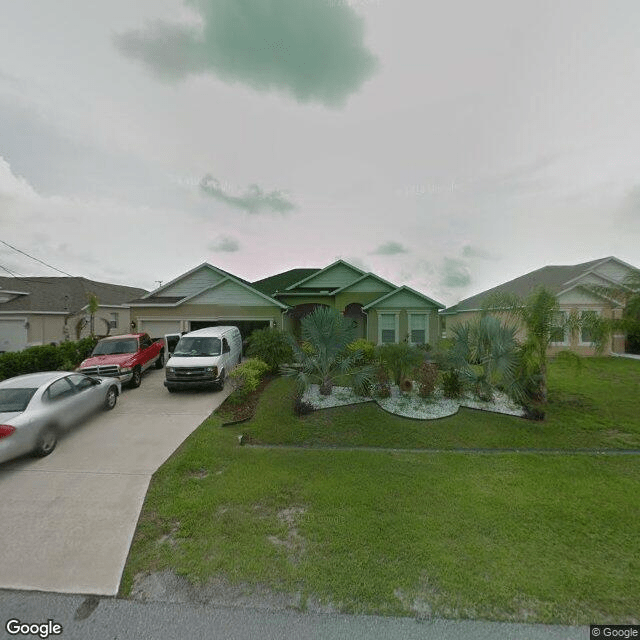
6233 NW Gisela St., Port St. Lucie, FL 34986
To contact a resident: (772) 307-0705
For more information about senior living options: (866) 208-4318
Overall Review of Shaneada's Time To Care LLC
Pros
 Christine Davis and her professional staff provide compassionate, personalized care for Tilly.
- Tilly receives more individualized attention than at larger care facilities during her declining state with dementia.
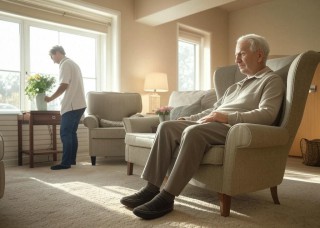
- The team—Donna, Chrissonia, Sean, Sandra, and chef Claire—watch over Tilly day and night to prevent her from falling or getting hurt.
- The caregivers’ effort and love for caregiving are recognized as they earn every penny for their challenging job.
- A Touch of Class offers a warm, family‑like environment that gives families peace of mind.
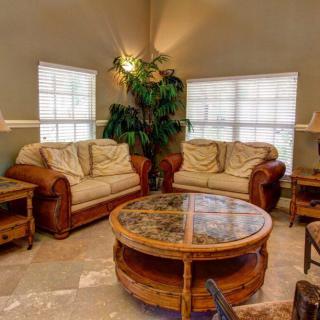
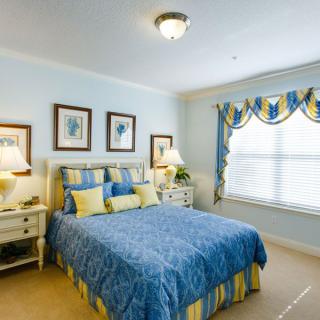
- Families describe the facility as a beautiful home filled with wonderful people, where their loved ones are cared for with respect, kindness, and love.
Cons
 Tilly needed more individualized attention than larger care establishments could provide during her decline with dementia and Alzheimer's.
- Large, fancy facilities could not offer the level of personalized care Tilly required.
- The competing corporate care facilities showed a lag in experienced staff, which could compromise care quality.
- The previous facility did not have enough staff to properly care for residents.
Review
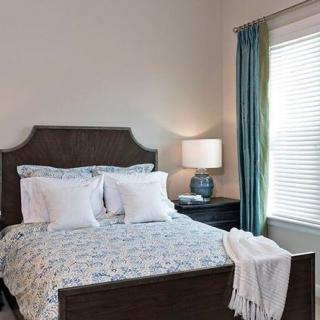
Shaneada's Time To Care LLC, operating as A Touch of Class in Port St. Lucie, Florida, is best suited for families seeking a highly personalized, memory-care focused setting where dementia care is delivered with visible devotion and a warm, home-like atmosphere. This community shines when a loved one needs constant supervision, intimate daily routines, and the feeling of belonging rather than being treated as a number. It is the choice for families who value hands-on attention, deep caregiver relationships, and a setting that emphasizes dignity, respect, and emotional security.
Those evaluating alternatives should consider whether a larger campus with broader medical staffing, more formal rehabilitation options, or a more clinical feel better matches the care goals. A larger center may offer extensive on-site therapies, more structured programming, and expansive amenities that a small residential model cannot replicate. For residents who require aggressive medical oversight, frequent physician visits, or highly specialized equipment, other facilities may deliver the level of clinical infrastructure that this smaller home-like setting does not emphasize. Budget, desired pace of life, and preferences for social stimulus beyond a family-style home will also guide the decision toward alternatives for some families.
The strongest pros here are substantial and directly address the core needs of many dementia care candidates. The environment feels like a private home, not a hospital, which helps residents stay calmer and more engaged. A devoted, consistent care team knows each resident’s preferences, routines, and warning signs, providing around-the-clock vigilance that reduces risk of falls and confusion. Families repeatedly describe the staff as an extension of the family, creating a sense of welcome, trust, and mutual respect that eases the emotional burden of placement. Longevity of the caregiving team adds stability; residents aren’t shuffled between unfamiliar faces, and families gain confidence that the people caring for their loved one truly understand their history. A on-site chef adds not just nutrition but normalcy and pleasure to daily life, reinforcing a homelike experience rather than a sterile care setting.
Still, the small scale comes with trade-offs that require careful weighing. The most apparent constraint is the narrower medical and rehab footprint compared with larger facilities; fewer on-site specialists and limited high-intensity therapies may matter for residents whose needs evolve rapidly or who require robust, rapid-response clinical services. However, this shortfall is largely offset by the depth of personal attention and the high caregiver-to-resident touch, which translates into meticulous daily supervision, proactive safety measures, and a communicative partnership with families. The reviews consistently note that care is delivered with warmth and respect, which mitigates the stress of caregiving decisions and makes transitions smoother for both residents and relatives.
For families actively comparing options, practical evaluation should center on observable interactions and care planning. Observe how staff communicate with residents and with family members, and ask for specifics about dementia progression management, fall-prevention strategies, nighttime staffing continuity, and how daily routines are tailored to individual needs. Request a transparent overview of the care plan, how often it is updated, and who leads the coordination with outside providers. Meticulous attention to meal planning, activity options that align with preferences, and opportunities for family participation will reveal how deeply the community’s philosophy translates into daily life.
In summary, Shaneada's Time To Care LLC stands out for dementia care anchored in empathy, continuity, and a genuine sense of family. It is a compelling recommendation for families prioritizing warmth, safety, and a highly personalized approach over clinical grandeur or expansive amenity packages. Those seeking a larger, more medically dense environment or more expansive rehab offerings should consider alternatives, since those resources are not the primary strength here. For caretakers and loved ones who want to minimize the sense of abandonment and maximize day-to-day quality of life through steady relationships, this community delivers with clarity and confidence.




 A Closer Look at Private Pay Home Care
 Comprehensive Approaches for Arthritis: A Detailed Guide to Symptoms, Causes, and Care
 Comprehensive Insights and Practical Strategies to Help Older Adults Avoid Falls