
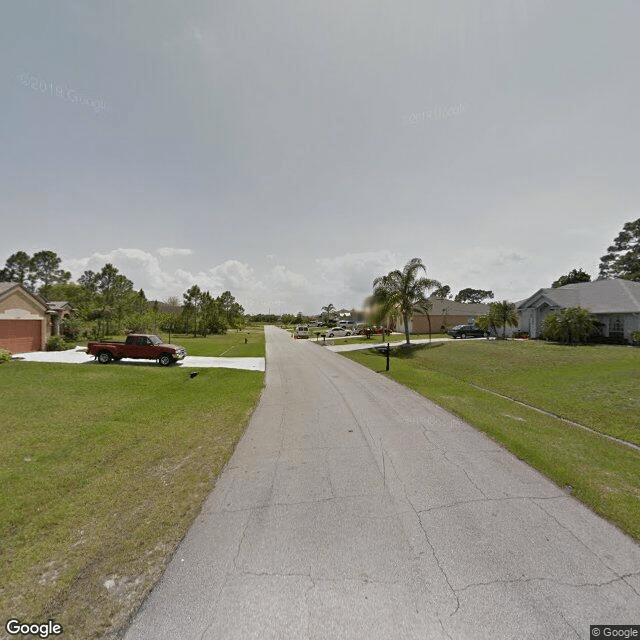
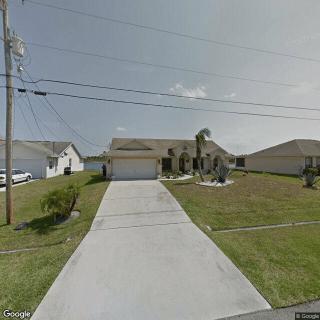
17766 SW Colombia St., Port St Lucie, FL 34987
To contact a resident: (954) 729-0166
For more information about senior living options: (866) 208-4318
Overall Review of Live Love Laugh
Pros
 The staff treated her with love, kindness, and respect every day.
- They truly made her feel like family.
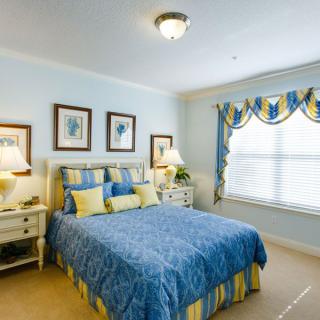
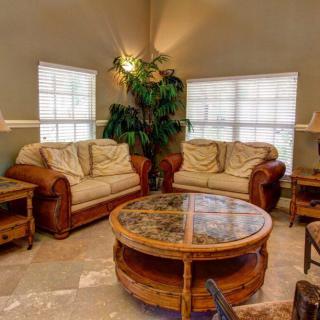
- The environment was always clean, welcoming, and full of compassion.
- They went above and beyond to ensure she was comfortable and cared for, even in her final days.
- The staff's dedication and warmth were deeply appreciated by the family.
Review
Live Love Laugh in Port St. Lucie, Florida, is best suited for families seeking a warm, family-style assisted living home where residents are treated with steady kindness and dignity. The strongest voice in the account is a relative whose grandmother lived there for more than seven years, a span that underscores stability and continuity rather than episodic care. The environment is described as clean, welcoming, and imbued with genuine compassion. This is not a facility that relies on glossy programming or impersonal routines; it proves that a long-tenured staff can build trust, ease transitions, and create a sense of belonging. For seniors who prize emotional support, consistent caregiving, and a home-like atmosphere over clinical polish, Live Love Laugh stands out as a practical, compelling option to compare against more institutional settings.
Those whose care needs include robust medical oversight, specialized memory care, or highly structured activity calendars may want to explore other options. The single, strongly positive review highlights warmth and personal attention, but it does not demonstrate the depth of clinical resources or dementia-specific programs that some families require. If round-the-clock nursing supervision, on-site therapy teams, or a campus with extensive amenities and social programming are priorities, alternatives could deliver the level of medical reassurance or the breadth of stimulation that a larger operation might guarantee. Cost structure and location convenience are practical filters too; while Port St. Lucie is accessible, families should confirm that the daily rate aligns with anticipated services and long-term affordability.
The core strengths in the review center on the relational heart of the operation: staff who treat residents with love, kindness, and respect; residents who feel like part of a family; and a culture that prioritizes dignity even in the final days. Cleanliness and a welcoming atmosphere reinforce daily comfort and reduce anxiety, especially for residents who value familiar surroundings. The account notes that staff went above and beyond to ensure comfort during end-of-life moments, a telling indication of deep commitment and moral clarity. When a community can sustain that level of emotional engagement over more than seven years, it mitigates common concerns about turnover and impersonality. Those elements together create a foundation where personal preferences, routines, and familiar rituals are honored, which matters greatly for long-term residency decisions.
Seven years of residency speaks loudly about stability and trust. For families, that kind of continuity translates into predictable days, known caregivers, and a shared memory of resident histories. The implication is not merely sentimental; it reduces stress for residents who fear abrupt care changes and helps families feel confident that their loved one will be greeted by familiar faces who know their preferences. In practice, that translates into smoother transitions, more accurate symptom observation, and a care plan that can be adjusted with a level of relational intelligence that often eludes larger campuses. In short, the setting appears to provide the relational equity that makes aging in place more feasible and less fraught.
Prospective residents should verify the day-to-day reality during tours and ask pointed questions about staffing, response times, and the availability of on-site medical oversight. Observe how caregivers interact across shifts and whether residents appear comfortable and engaged. In addition to warmth, gather specifics on how personal preferences are recorded and honored, how medical appointments are coordinated, and what happens when a resident needs more help than initially anticipated. The review’s emphasis on a family-like environment suggests a strong, attentional culture; confirm that such culture persists across different times and days and that families receive timely, transparent updates about care decisions and changes in condition.
Overall, Live Love Laugh is a strong contender for families prioritizing warmth, continuity, and a home-like atmosphere in assisted living. If the resident values a steady, affectionate caregiving presence and a long-standing, stable staff, this community should be prioritized for closer comparison. If, however, the priority leans toward clinical acuity, dementia-specific programming, or a wider array of on-site services, alternatives deserve side-by-side evaluation. The clear takeaway is practical: warmth and consistency matter as much as, if not more than, glossy amenities, and Live Love Laugh delivers on those fronts in a way that can decisively influence a family’s decision when they value dignity and belonging above all.
 Board and Care Home


 Understanding the Full Cost of 24/7 In-Home Care: A Detailed Overview
 Exploring the World of Home Health Nurses: Qualifications, Roles, and Hiring Tips
 Navigating Medicare Coverage for In-Home Care Services