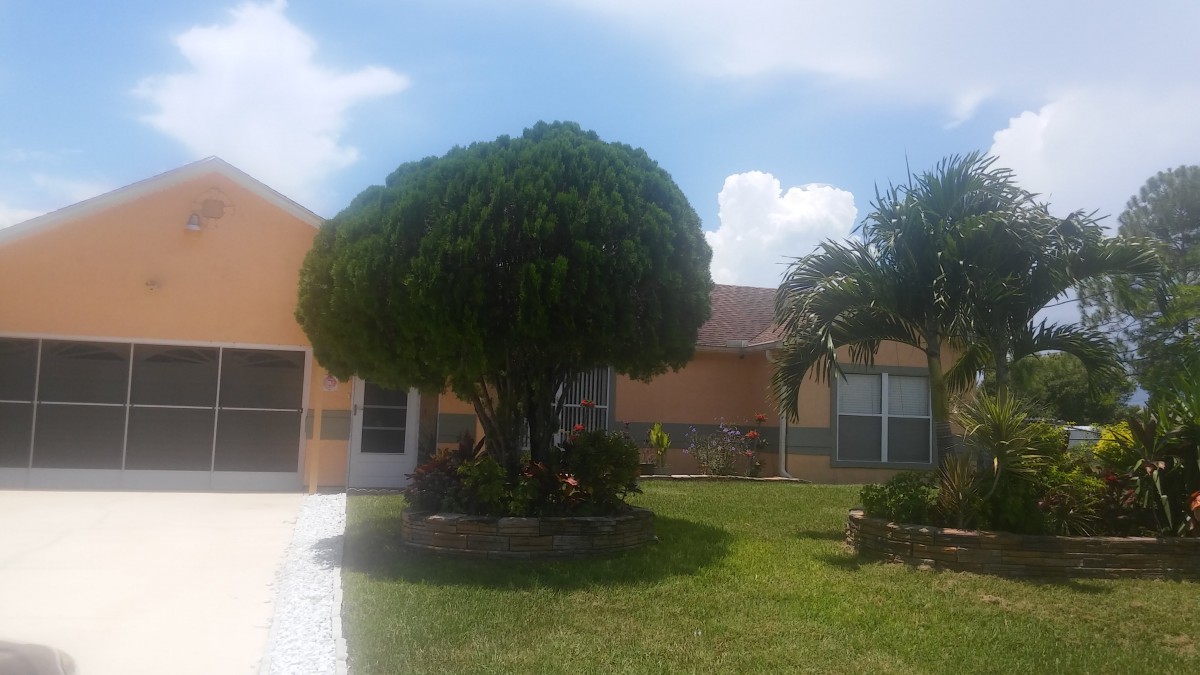
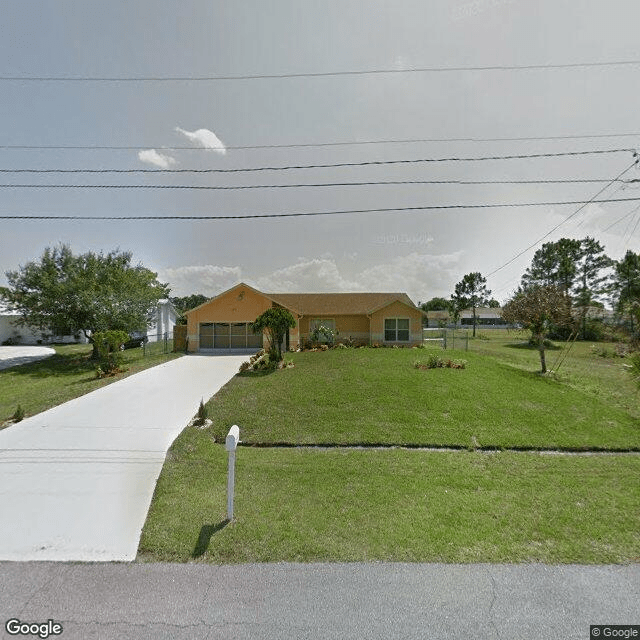
2366 SW Webster Ln, Port Saint Lucie, FL 34953
To contact a resident: (772) 336-8441
For more information about senior living options: (866) 208-4318
El Shaddi Adult Care Costs & Pricing
El Shaddi Adult Care offers competitive monthly rates for its residents, making it an attractive option within the senior care sector. The cost for a semi-private room at El Shaddi is $2,500, which is notably lower than the average rate of $2,717 in St. Lucie County and the state average of $3,009. Similarly, those seeking private accommodations will find El Shaddi's price of $2,700 to be substantially more affordable compared to St. Lucie County's average of $3,665 and Florida's overall average of $3,699. These cost advantages highlight El Shaddi Adult Care's commitment to providing quality services while maintaining reasonable pricing for families navigating their elder care options.
| Floor plans | El Shaddi Adult Care | St. Lucie County | Florida |
|---|---|---|---|
| Semi-Private | $2,500 | $2,717 | $3,009 |
| Private | $2,700 | $3,665 | $3,699 |
Senior living communities with a similar price nearby
-
About the same

Caring Hands of the Treasure Coast
$2,500 to $3,000 / month4.0 miles away -
from -$200 / mo
Nelisha Family Home
$2,300 to $4,500 / month4.0 miles away -
from -$174 / mo
Discovery Village Vero Beach
$2,326 to $3,400 / month24.6 miles away -
from +$200 / mo
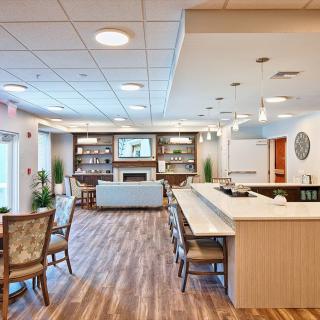
Sonata Vero Beach
$2,700 to $4,350 / month24.6 miles away -
from +$400 / mo
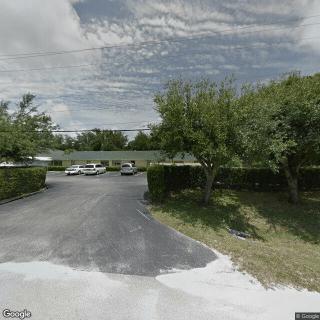
Broadmoor ALF
$2,900 to $3,200 / month10.2 miles away
Overall Review of El Shaddi Adult Care
Pros
 The family member had a comfortable stay during respite care.
- The family felt worry-free during the respite stay.
- The family member spent three weeks in respite care at the facility.
- The services provided to her were impressive.
- They are considering full care and would return to El Shaddi Adult Care.
- They were grateful for the chance to be away without worrying.
Review
El Shaddi Adult Care in Port Saint Lucie, Florida is best suited for families seeking a dependable respite option that can serve as a smoother bridge to full-time care if needs evolve. The narratives point to a calm, comfortable environment where a loved one can spend days or weeks with a sense of normalcy, safety, and daily routine that leads to real peace of mind for relatives who must be away. When the goal is a worry-free trial period that may become a longer placement, this community presents as a credible, low-stress option.
Those considering alternatives should note that the available reviews do not paint a picture of high-acuity medical support or specialized memory-care programming. For residents with complex medical needs, intensive wound care, ventilator assistance, or strong dementia-related requirements, more robust medical oversight or a facility with explicit memory-care offerings may be necessary. Families facing significant cognitive or medical escalation should explore options with clearly defined clinical capabilities and dedicated brain-health programming to avoid gaps in care.
The primary strengths highlighted are the predictable, comfortable stay and the reassurance that comes with a worry-free experience. The respite stays are described as comfortable, with families feeling at ease as they are away, knowing their loved one is in good hands. The repetition of positive outcomes, three weeks of respite that left relatives impressed and willing to consider full-time care, speaks to a consistent baseline of service and a reliable daily rhythm. In practical terms, these pros translate into a viable test-run for homes contemplating a longer commitment: if the first impression is measured by comfort, routine, and a sense of security, El Shaddi delivers on those fronts.
How the strengths offset potential drawbacks is clear, but not automatic. The absence of explicit detail about medical staffing levels, emergency response protocols, or memory-care specifics in the available feedback could be a concern for families with higher care needs. Yet the strong messages of comfort, worry-free respite, and readiness to extend the arrangement into full-time care mitigate those concerns for many. A practical interpretation is that El Shaddi excels as a proving-ground for compatibility: if a loved one thrives in a calm, predictable setting and relatives gain confidence during a temporary stay, the facility has earned credibility as a long-term option, provided medical complexity remains within its demonstrated capacity.
From a decision-making standpoint, prospective families should approach a tour with a focused checklist. Confirm the scope of respite services and what a full-time transition would entail in terms of staffing, daily structure, and medical oversight. Inquire about staffing ratios during different shifts, the availability of on-site nursing, and how medications are managed. Request a breakdown of costs for respite versus permanent placement, and obtain clarity on what is included (meals, activities, transportation, care plan updates) to avoid sticker-shock later. If memory care or higher-level clinical needs may arise, demand explicit information about programming, staff training, and emergency procedures tailored to those conditions.
Ultimately, El Shaddi Adult Care stands out as a solid, confidently recommended option for families prioritizing a worry-free respite that can evolve into full-time care. Its demonstrated ability to deliver comfort and continuity during temporary stays provides a substantial foundation for trust and ongoing engagement. For families with loved ones who do not require intensive medical intervention or specialized memory support, the facility offers a practical path to a smoother transition into permanent care. Where medical acuity is higher or memory-care needs are central, alternatives with clearer clinical capabilities should be pursued concurrently to ensure alignment with the elderā€™s evolving requirements.
 Board and Care Home
 Activities off-site
 Air-conditioning
 Bath tubs
 Cable or satellite TV
 Devotional services off-site
 Indoor common areas
 Outdoor common areas
 Private
 Respite or short term stays offered
 Wheelchair accessible showers
 Ambulatory care
 Diabetic care
 Incontinence care
 Low / no sodium
 Birthday parties
 Trivia games


 Exploring Palliative Care in the Home: A Comprehensive Overview
 Comprehensive Insights into Palliative Home Care: What It Is and What to Expect
 Skilled Nursing Facilities vs. Nursing Homes: Making Sense of the Differences