

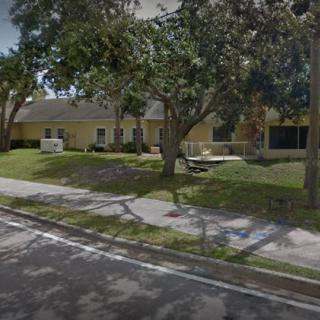
1832 SE Port Saint Lucie Blvd, Port St. Lucie, FL 34952
To contact a resident: (772) 335-3245
For more information about senior living options: (866) 208-4318
Overall Review of Access Home Health
Pros
 Many of the individual care providers were very good.
- Grant is one of the best PTs—knowledgeable and caring.
- Concierge provided wonderful nursing care; Jane is thorough, kind and attentive.
- This home health is the best you can find; they are professional and experienced.
- Grant showed patients how to stay safe and return to regular activities after hip replacement.
Cons
 The company uses subcontractors rather than employees to care for patients and fails to provide necessary supplies, forcing providers to purchase their own.
- In-home nursing care was not available promptly; it took 29 hours for a nurse to arrive, while a virtual nurse was later offered.
- A caregiver was exceptionally rude to the 82-year-old patient, and another provider bullied the patient into agreeing to unwanted medical care and refused to leave.
- The reviewer believes Concierge is extremely bad and would not recommend them.
- Therapists stopped showing up without explanation, and communications were ghosted.
- The phone staff were unprofessional and unethical, failing to identify themselves or explain why they were calling.
- Occupational therapists are very rude and unprofessional.
Review
Access Home Health in Port St. Lucie is best suited for families seeking in-home skilled services, nursing, physical and occupational therapy, and post-op support, for an elderly loved one and who can tolerate a contractor-based care model. The care hinges on which independent clinicians are assigned and how well the family steps in to coordinate supplies, visits, and communications. When the right clinician is on site, care can be technically proficient and compassionate, but the overall experience rests on the ability to navigate scheduling gaps and variable bedside manner.
Conversely, those who prioritize predictability and turnkey coordination should consider alternatives. This agency’s model yields uneven continuity: reviews repeatedly flag missed appointments, late arrivals, and therapists who vanish without explanation. Families needing two to three weekly visits from employed staff, with a centralized scheduling backbone and clear accountability, will likely feel let down. If a seamless, proactive approach to care matters, one that minimizes administrative friction and ensures every visit is a reliable, well-communicated event, look elsewhere.
On the upside, individual clinicians can deliver substantial value. Several nurses are described as thorough, attentive, and capable of guiding recovery with confidence. A post-op nurse in particular has been cited as both competent and reassuring, helping patients navigate discomfort and restoration. A standout physical therapist, Grant, earns repeated praise for practical, safety-focused instruction that supports meaningful regained function after surgery. In the right pairing, these clinicians show the agency’s genuine potential to drive real improvement for an at-home rehabilitation plan.
Yet the strongest benefits are undermined by persistent operational gaps. The contractor model means supplies often must be purchased by the caregivers themselves, creating an extra burden and potential delays in care. Scheduling issues are frequent: therapists start and then stop showing up, orders from physicians are not reliably communicated, and administrators fail to provide timely updates. The tone and responsiveness of some office staff, ridicule from a manager, unclear explanations about appointments, and general miscommunication, erode trust and complicate the caregiving process. When patients cannot rely on timely in-home coverage, even solid clinical skill cannot consistently translate into better outcomes.
Coordination challenges with payers and internal processes further complicate care. Families report conflicting information about visits and coverage, which disrupts continuity and makes it harder to maintain a steady rehab rhythm. There is a tendency to substitute virtual contact for urgent in-person needs, which can feel reactive rather than deliberately planned. The positive moments, Jane, the diligent nurse, and Grant, the effective PT, demonstrate genuine capability, but those moments require continuous, concerted effort from a management and scheduling team that consistently delivers.
In the end, the decision hinges on risk tolerance and the willingness to stay actively involved. Access Home Health can be a viable option for families that are comfortable directing care, advocating for preferred clinicians, and managing supply logistics while chasing reliable visits. It is essential to demand a dedicated case manager, explicit visit windows, and a firm commitment to punctuality and follow-through. If those capabilities are not assured, or if the priority is steady, respectful interactions and minimal administrative headaches, consider alternatives with more integrated staffing and clearer accountability. For many families, the balance will tilt toward a more consistently reliable operator; for others, the agency’s demonstrated clinical strengths, when aligned with proactive oversight, may still make sense as part of a broader, negotiated care plan.








 Effective Strategies for Keeping Seniors' Minds Active: A Deep Dive into Brain Games and Apps
 In-Depth Look at the VA Aid and Attendance Program
 Nurturing Our Loved Ones: A Daughter's Journey in Caring for Her Mother