
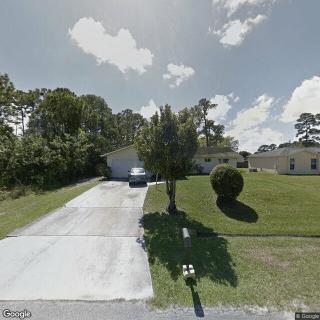
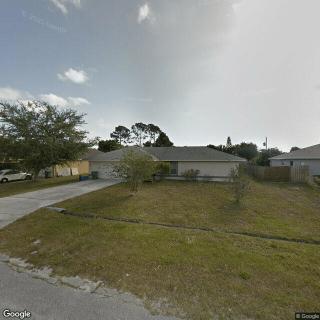
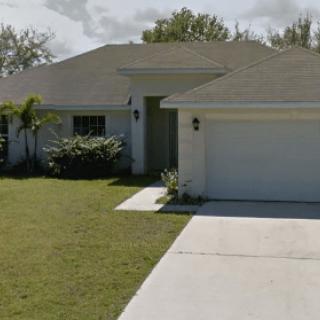
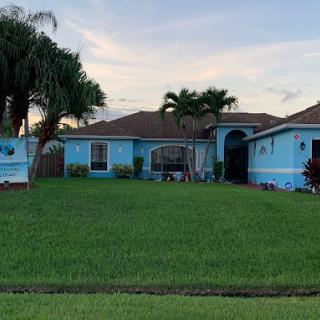
658 North West Avens Street, Port Saint Lucie, FL 34983
For more information about senior living options: (866) 208-4318
Overall Review of A Touch Of Class 1 Adult Care
Pros
 Tilly has enjoyed compassionate care from Christine Davis and her professional staff for two years.
- They provide individualized attention that larger facilities cannot match.
- The staff monitor residents day and night to prevent falls and injuries.
- The team is dedicated and hardworking, earning the gratitude of families.
- A Touch of Class treats residents as family, giving loved ones peace of mind.
- The staff are warm, respectful, and caring, making residents feel safe and valued.
- The home feels like a warm, welcoming place where residents are happy and well cared for.
- Families feel relief and gratitude knowing their loved ones are in good care.
Cons
 The reviewer concluded that larger care establishments cannot provide the individualized attention Tilly needs.
- The reviewer noted that larger facilities risk leaving residents lost among the numbers due to insufficient staff.
- The reviewer expressed concern about a lag of experienced employees across competing corporations, implying potential declines in care quality.
- The reviewer said that placing a loved one in a home with strangers is not easy.
Review
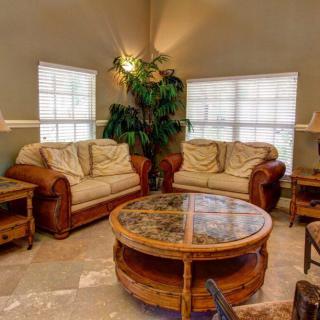
This community is best suited for families seeking a highly personalized, home-like setting for a loved one facing dementia or Alzheimer’s who needs vigilant, hands-on supervision. A Touch of Class 1 operates as a small, residential-style home rather than a sprawling campus, and residents benefit from a sense of family that permeates daily life. Staff members know residents by name, monitor safety around the clock, and intervene promptly when concerns arise. The reviews consistently describe warmth, trust, and a level of attention that larger facilities struggle to sustain. In short, the environment is designed for deeply attentive care where residents do not feel like numbers.
Those who may want alternatives are families prioritizing expansive medical services, routine rehabilitation on site, or a facility with a broader menu of amenities and activity options. A larger community might offer more structured programs, more on-site specialists, and a wider range of social opportunities, but often at the cost of reduced individualized attention. If medical complexity or frequent, on-demand clinical oversight is non-negotiable, it is essential to verify what on-site capabilities exist and who coordinates care on weekends and holidays. The compact, intimate setup excels in daily caregiving, potentially at the expense of breadth of services.
Key advantages center on the hands-on, family-style care that permeates every shift. Consistent staff presence allows for meticulous safety monitoring, quick escalation of issues, and a familiarity that eases anxiety for both residents and families. The care team is repeatedly praised for dedication, with Christine at the helm guiding a cohesive group that includes Donna, Chrissonia, Sean, and Sandra, plus a chef who ensures meals feel special. This cohesion translates into residents appearing happier, more comfortable, and less isolated. In dementia and Alzheimer’s scenarios, that level of attentiveness translates into meaningful daily stability and trust for caregivers outside the facility.
Even with these strengths, the small, intimate model has potential trade-offs. Pros offset them through near-immediate oversight and a felt sense of home, but questions remain about the scope of medical and rehabilitative services and the ability to scale for sudden changes in health. Prospective families should confirm staffing continuity, turnover rates, and the availability of outside specialists when needed. The staff’s experience is evident, yet it is prudent to inquire about on-call coverage, how care plans are updated, and how families are kept informed. The reality is that a family-like setting can be more personally reassuring than institutional plans, but it must align with the resident’s medical and therapy requirements.
Practical due diligence during a visit should focus on how care plans are created and updated, how resident preferences are incorporated, and how safety and dignity are maintained during daily routines. Observe interactions between caregivers and residents; meet Christine’s team and the residents themselves; request to speak with families who have loved ones there for longer periods. Examine meal quality and dietary accommodations, activity schedules, and opportunities for meaningful engagement. Confirm medication management processes, incident reporting, and coordination with any external healthcare providers. Every positive review point should be validated in person to ensure expectations match reality.
In sum, A Touch Of Class 1 stands out as a rare, family-like setting that delivers deeply personal dementia care and steady reassurance to families who value closeness, warmth, and consistent staffing. The strongest fit is for residents who thrive on individualized attention, a calm home atmosphere, and a care team that feels like an extended family. Those seeking a larger continuum of medical services or a more clinical environment should consider alternatives that prioritize breadth over intimacy. For families ready to lean into a trusting, hands-on model, a structured tour and frank conversations with Christine and her team will reveal whether this community aligns with the resident’s needs and the family’s comfort level.
 5 resident community capacity
 Assisted Living
 Board and Care Home
 Cable or satellite TV
 Dining room
 Fully furnished
 Garden
 Housekeeping services
 Move-in coordination
 Outdoor space
 Telephone
 Wi-Fi/high-speed internet available
 24-hour supervision
 Activities of daily living assistance
 Assistance with bathing
 Assistance with dressing
 Assistance with transfers
 Diabetes diet
 Meal preparation and service
 Medication management
 Special dietary restrictions
 Transportation arrangement (medical)
 Transportation to doctors appointments



 Exploring the Path to Senior Living: A Comprehensive Look at Independent Living and Assisted Living
 Is Assisted Living Deductible on Your Taxes? Understanding the Complexities of Assisted Living Expenses and Deductions
 Assisted Living Support for Veterans: A Complete and Detailed Overview