
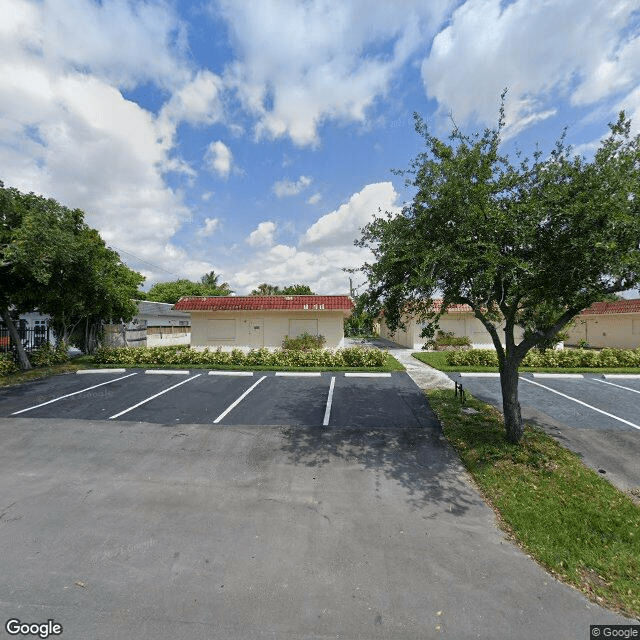
501 SW 2nd Pl, Pompano Beach, FL 33060
To contact a resident: (954) 782-8903
For more information about senior living options: (866) 208-4318
Overall Review of Pompano Retirement Village
Pros
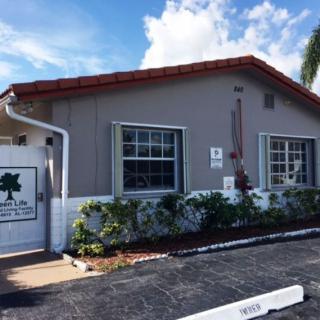
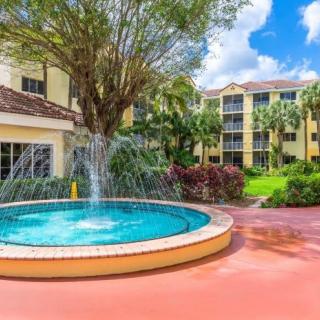
 The Pompano Retirement Village is well-maintained and inviting.
- The atmosphere around the grounds is pleasant and peaceful with ample seating.
- The main foyer is lovely, like a country bed and breakfast.
- The facility accommodates all ambulation levels.
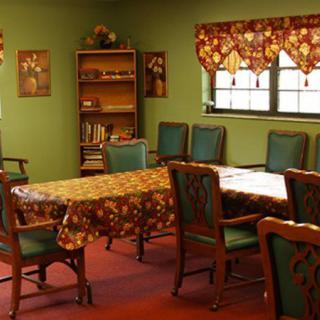
- The dining room is spacious, bright, and offers nutritious, delicious food with snacks available continually.
- Residents enjoy a variety of activities, from reading to socializing and games.
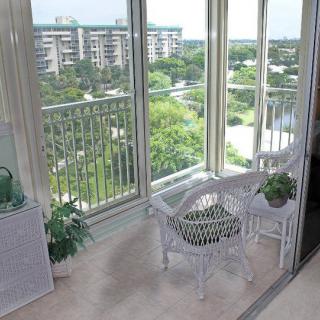
- Private living spaces are well-sized, nicely decorated, and temperature-controlled.
- Residents appear content and cared for by attentive staff.
Review
Pompano Retirement Village in Pompano Beach, Florida is best suited for active seniors who prize a warm, home-like atmosphere, easy access to a broad slate of social and cultural activities, and a setting that invites frequent family visits. The community shines for residents who want a well-maintained environment with a country-bed-and-breakfast feel, where both indoor spaces and outdoor grounds provide places to linger, socialize, and feel at ease. It works well for families that are spread out and need a place that accommodates regular visits, meals together, and participation in a lively calendar of events. For seniors whose primary need is intensive medical oversight, memory-care programming, or highly structured clinical routines, alternatives may better match those demands. The location itself supports easy excursions to nearby amenities, which can be a real plus for continuity with long-distance relatives.
On the most tangible notes, the pros are substantial and clearly aligned to a social, comfortable lifestyle. The grounds come across as well-kept and tranquil, with seating areas that invite spontaneous conversations or quiet reading. The main foyer’s charm contributes to a sense of welcome and safety, reinforcing confidence in the staff’s ability to care for residents across mobility levels. Communal spaces are designed with accessibility in mind, allowing residents to participate in reading groups, games, or casual chats without friction. Dining appears to be a strong point, bright, spacious, and offering nutritious options with regular snacks, helping to sustain routine and encourage social dining experiences. The breadth of scheduled events, from art and libraries to exercise and fine dining outings, creates a robust rhythm to days, reducing isolation and supporting a sense of purpose for residents.
Those advantages, however, come with a clear caveat: the reviews do not emphasize on-site medical depth. The facility’s capacity to handle “all levels of ambulation” is a definite asset, and private living spaces with individual climate control support ongoing independence, but there is no explicit detail about on-site nursing intensity, rehabilitation services, or memory-care programming. For families evaluating medical needs or dementia care, this lack of explicit clinical scaffolding matters. The absence of concrete information about nurse availability, care plans, or emergency response expectations means potential residents with higher acuity should seek precise assurances before committing. In short, the overall experience described leans toward a well-supported, social, and comfortable assisted-living lifestyle rather than a clinically driven environment.
Another meaningful strength lies in the social architecture that makes family involvement natural and appealing. Residents seem content, and staff are described as caring and attentive, which can translate into reliable daily oversight and warmth, an important offset to the less explicit medical details. The communal culture, monthly parties, resident-led activities, and easy guest participation, facilitates ongoing connection with loved ones, an often decisive factor for families choosing care settings. Yet this same vibrant social calendar may not align with families seeking a quieter, more prescriptive routine or a facility with highly structured programming for memory care. Potential residents should weigh how much social stimulation versus clinical rigor they require on a typical day.
If a decision hinges on specific needs, certain benchmarks become decisive. Those prioritizing medical oversight, post-acute rehab, or memory-care specialization should compare Pompano Retirement Village with facilities dedicated to higher-acuity care or with defined memory-care wings. Prospective residents who value a strong sense of community, personalized attention, and a home-like ambiance will likely find this village a compelling option, provided the level of clinical support matches expectations. Price and inclusions, as well as transportation, housekeeping, and ancillary services, warrant explicit clarification to prevent surprises later in the process. For families intent on a facility that blends comfort, sociability, and attentive staff with broad activity options, this community stands out as a prudent choice to shortlist.
In the end, the practical decision centers on balance. Pompano Retirement Village delivers a warm, well-kept, activity-rich environment where residents appear content and staff are responsive. It excels for families who want frequent in-person contact, diverse programming, and a stylish yet comfortable home base that supports independence. The fit becomes less clear for those whose loved one requires intensive medical care, sustained rehabilitation, or dementia-specific programming on a daily basis. Those families should pursue direct conversations with the administration about clinical staffing, therapy offerings, memory-care capabilities, and transparent fee structures. A thoughtful tour, urgent questions about care levels, and a comparison with memory-care-oriented or higher-acuity communities will crystallize the best path forward.
 Assisted Living
 Independent Living
 Activities on-site
 Devotional services off-site
 Indoor common areas
 Fort Lauderdale-Hollywood International (11 miles away)
 Ambulatory care
 Diabetic care
 Meals provided



 Choosing the Right Senior Care: A Detailed Exploration of Assisted Living and Nursing Homes
 Understanding the True Cost of Assisted Living in 2025: A Comprehensive Guide
 Understanding Medicaid Coverage for Assisted Living: A Comprehensive Guide