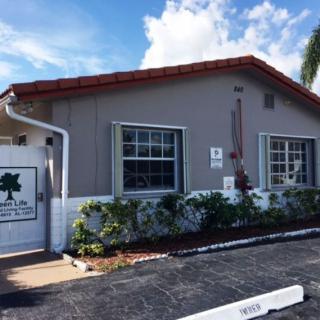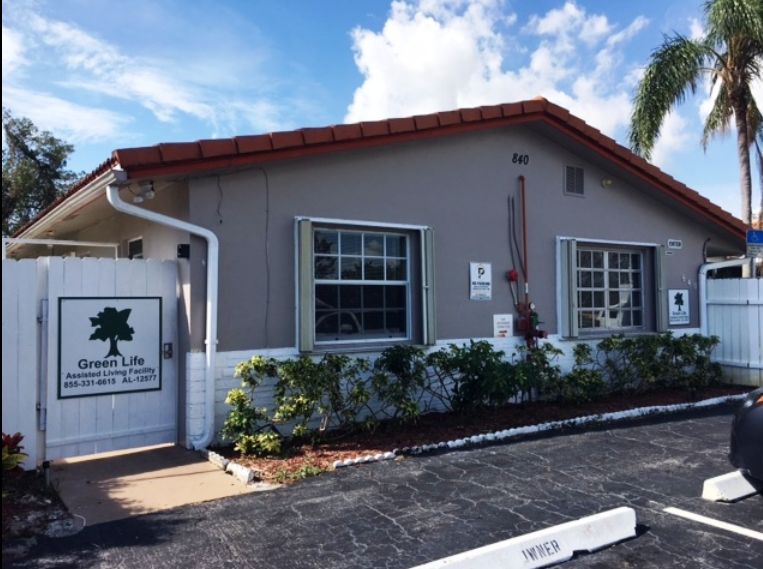
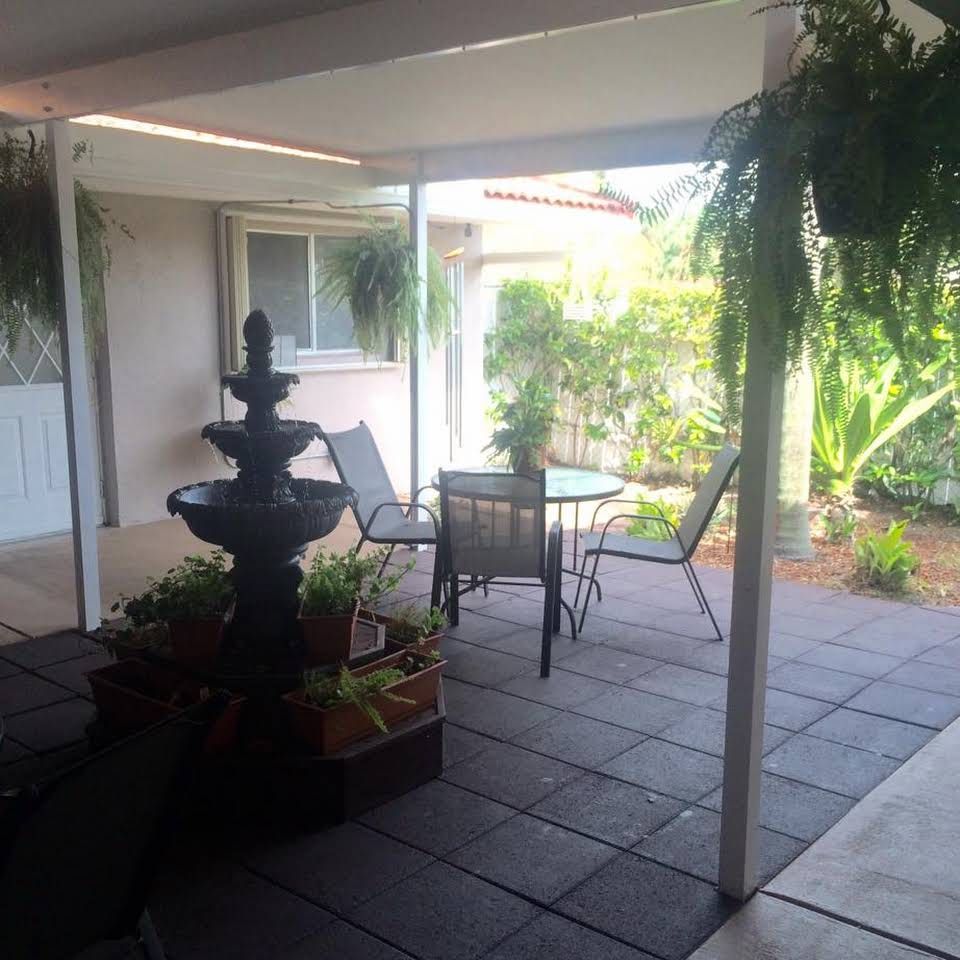
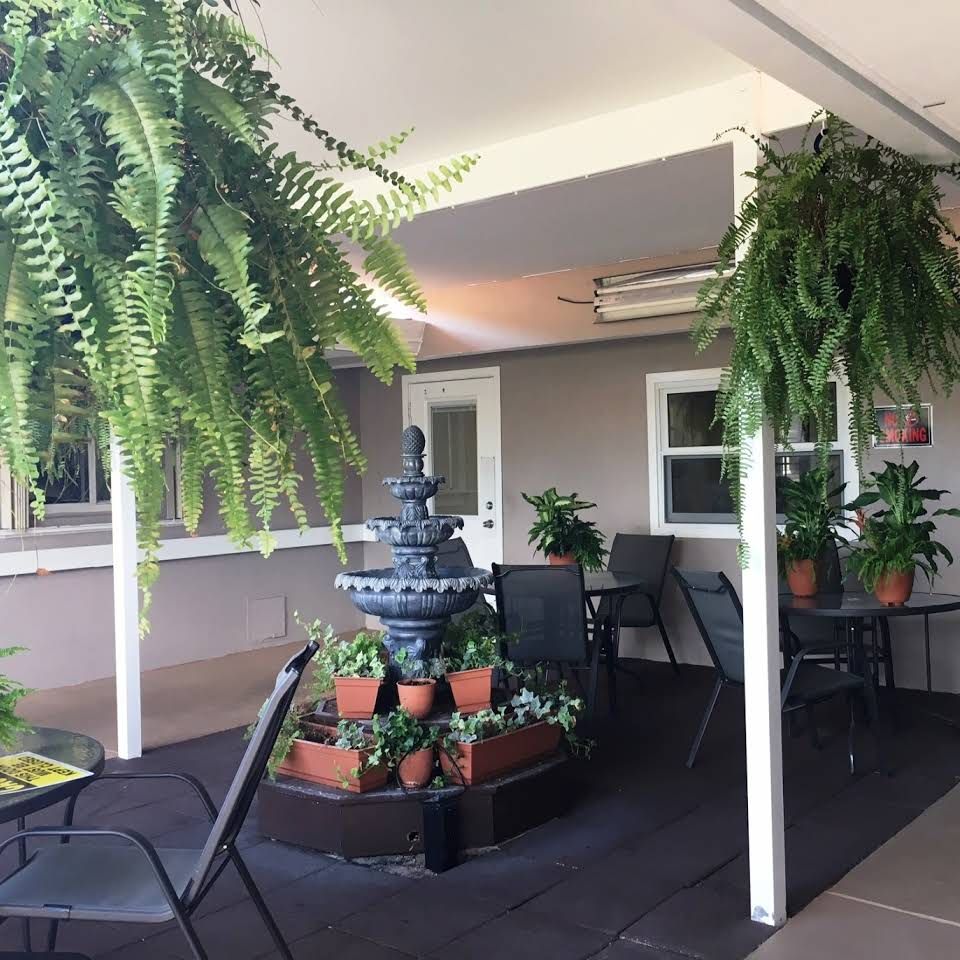
840 South West 8Th Street, Pompano Beach, FL 33060
For more information about senior living options: (866) 208-4318
Green Life Assisted Living Facility Costs & Pricing
Green Life Assisted Living Facility offers competitive pricing for its services, particularly in comparison to the broader market in Broward County and across Florida. For a semi-private room, residents can expect to pay $1,900 per month, which is significantly lower than the average costs of $2,902 in Broward County and $3,009 at the state level. Similarly, those opting for a studio will find Green Life's monthly rate of $3,500 quite appealing compared to the county average of $3,601 and the state average of $3,823. This pricing structure positions Green Life as a cost-effective choice for families seeking quality assisted living options without compromising on care or comfort.
| Floor plans | Green Life Assisted Living Facility | Broward County | Florida |
|---|---|---|---|
| Semi-Private | $1,900 | $2,902 | $3,009 |
| Studio | $3,500 | $3,601 | $3,823 |
Assisted Living communities with a similar price nearby
-
from +$295 / mo
Grand Villa Of Delray East
$2,195 to $4,495 / month16.6 miles away -
from +$100 / mo
Tender Touch Home Care
$2,000 to $3,000 / month16.6 miles away -
from +$95 / mo
Grand Villa Of Boynton Beach
$1,995 to $3,295 / month20.7 miles away -
from +$295 / mo
Grand Villa of Deerfield Beach
$2,195 to $2,995 / month5.8 miles away -
from +$295 / mo

Pacifica Senior Living Sunrise
$2,195 to $3,195 / month8.6 miles away
Overall Review of Green Life Assisted Living Facility
Pros
 The administrator and staff are caring, kind, and professional, and well versed in mental health.
- The staff are very accommodating to the needs and well-being of residents.
- Paige, the manager, is passionate about her work and is loved by residents like family.
- The owner fixed up the place and weeded out unprofessional staff, making Green Life a clean and comfortable facility.
- The owners are invested in the residents’ wellbeing and continually update and improve the facility.
- The staff are attentive, kind, professional, and caring, and residents are content in their homelike surroundings.
- The facility is described as one of the best experiences for families and as a home for their loved ones.
Cons
 They report that the owner has not responded to inquiries for four days.
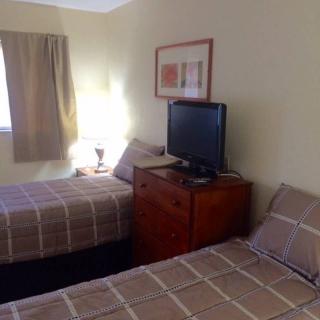
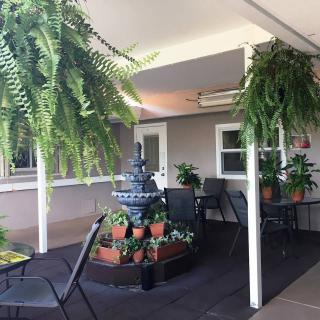
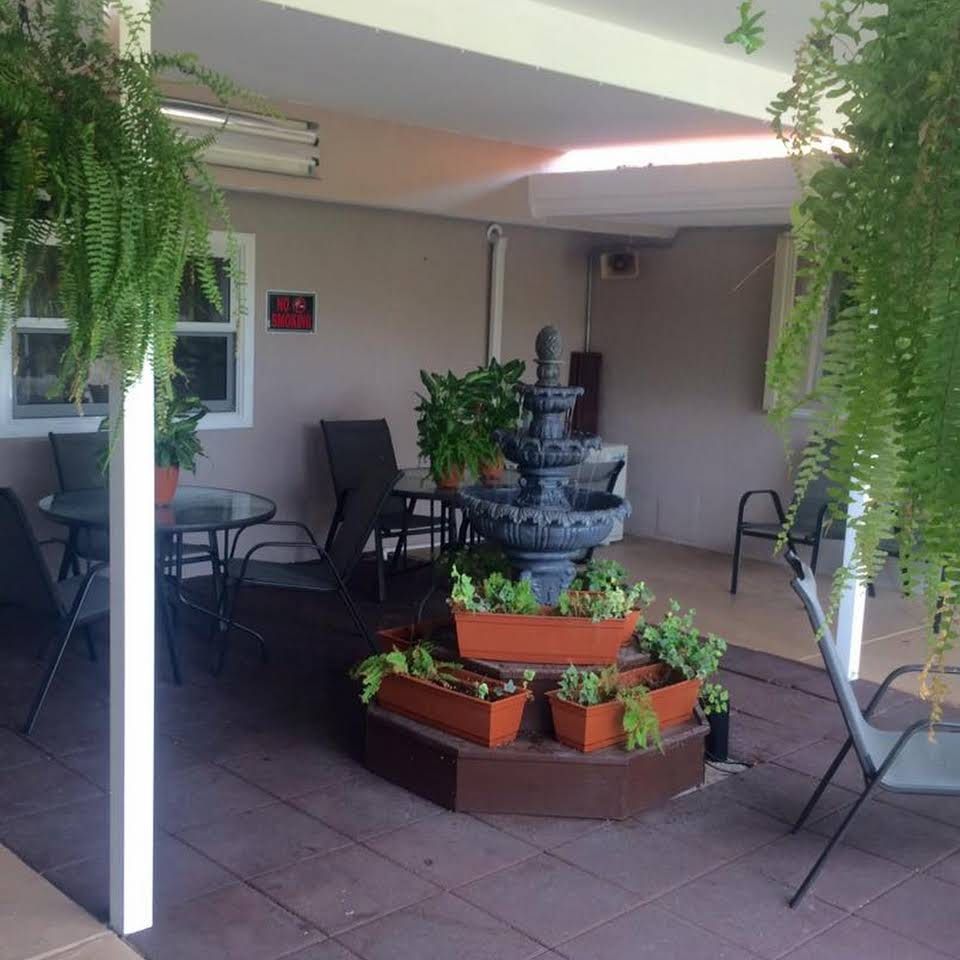
- They warn to keep loved ones away because the facility looks nothing like the pictures and resembles a drug rehab center.
- There were reports of missing money and several phones, and the resident's health deteriorated.
- There was feces and urine in a bucket in the resident's room.
- A staff member allegedly went through the resident's belongings, and the resident's phone went missing again.
- The facility is described as a nightmare with a horrible smell and dark rooms.
- They state residents' safety was at risk and that the resident feared for his life there.
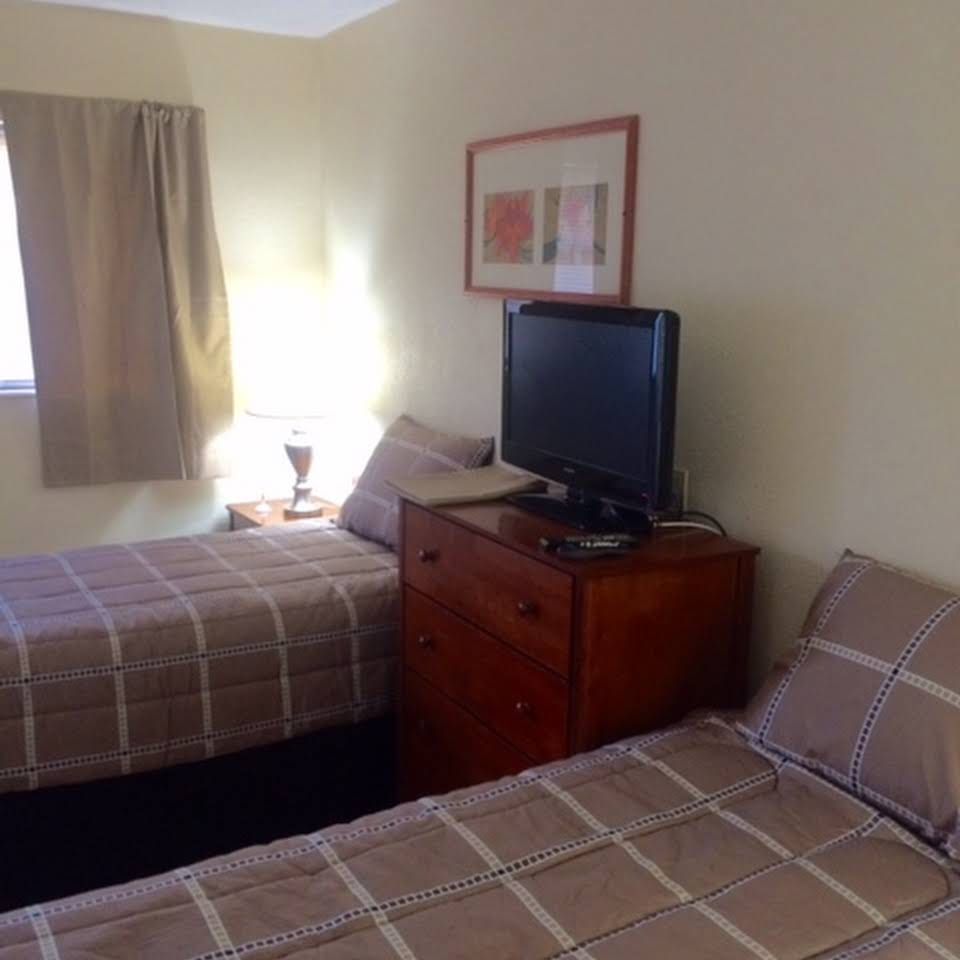
- It is criticized for lack of privacy, with hospital-style rooms and communal bathrooms, and for high pricing.
Review
This community is best suited for families seeking a hands-on, home-like environment where staff are visibly engaged with residents' emotional and mental well-being. Green Life is well-matched to seniors who benefit from a caregiving culture that prioritizes warmth, accessibility to management, and ongoing family communication. The setting tends to resonate with those who value a tightly run operation where administrators and the caregiving team are present, responsive, and oriented toward individualized attention. It is less ideal for families seeking very private accommodations, a strict assisted-living model with private rooms, or a facility that operates more like a traditional nursing home with pronounced clinical oversight.
Owners and staff here earn credibility through demonstrated caregiving commitment and direct involvement in daily life at the community. Multiple reviews highlight a caring, professional team that is comfortable addressing mental health needs and maintaining open lines of communication with families. Paige, the manager noted in several accounts, is presented as a standout leader who leads by example and fosters a culture where residents feel valued and treated like family. The improvement trajectory cited by supporters, owner-led updates, the removal of unprofessional staff, and ongoing facility enhancements, adds credibility to a setting that is responsive to feedback and intent on steady betterment. For families prioritizing emotional warmth, consistent caregiver contact, and visible accountability, this is a compelling fit.
Yet the picture carries notable caveats that cannot be ignored. A smaller portion of reviews contains grave safety and privacy concerns, including reports of missing personal items, financial disputes, and resistance from leadership in addressing problems. Some call the environment more akin to a nursing home than a typical assisted-living setting, pointing to hospital-style rooms, shared spaces, and a lack of room dividers, factors that seriously affect privacy and resident autonomy. Pricing is another flashpoint in the mix, with critics arguing that the cost alignment does not clearly reflect the level of privacy or the nursing-home-like configuration, which can leave value-sensitive families feeling misled. Taken together, these concerns are not mere footnotes; they represent fundamental questions about safety, dignity, and what constitutes a satisfactory living arrangement.
The strongest pro-to-con offset comes from the care ethos and family-centric communication. When the staff is aligned, residents report feeling cherished, well-cared-for, and connected to their families through regular updates and collaborative care planning. The clean, homelike ambiance and ongoing improvements contribute to a sense of steady progress that many families value highly. In environments where management remains present, residents often experience more predictable routines, better meal service, and staff who remember preferences, which can translate into meaningful daily quality of life. In short, the pros, genuine warmth, attentive mental-health support, and accountable leadership, can significantly offset concerns if the facility maintains consistency, privacy considerations are addressed, and pricing is transparent.
Those weighing alternatives should consider privacy, licensing, and the severity of medical needs. For families who require real private rooms, explicit dividers, or the option to avoid shared bathrooms, this community may not deliver. For residents needing substantial medical or skilled-nursing services on a 24/7 basis, or for caregivers who want a facility clearly functioning as a traditional nursing home with a well-demarcated medical model, other options may suit better. Scrupulous due diligence is essential: verify the current license category (assisted living versus skilled nursing), request exact room configurations, obtain a detailed, all-inclusive price sheet, and ask for recent inspection or survey summaries. A candid conversation with the administrator about any past incidents and current safeguards is also critical before committing.
Bottom line: Green Life can be a strong match for families that prize a compassionate, hands-on atmosphere, open family communication, and a leadership team visibly invested in residents’ daily happiness and mental-health support. The very real caveats, privacy limitations, hospital-like accommodations, and questions about pricing structure, mean this option warrants a thorough evaluation against alternatives that offer more private space or different funding models. Prospective families should insist on a current tour with specific attention to room layout, a transparent pricing outline, and a candid discussion about any past incidents and the steps taken to prevent recurrences. If those elements align with priorities and comfort thresholds, Green Life stands out as a practical, capable choice in a market where genuine care and hands-on leadership often determine everyday quality of life.
 71 resident community capacity
 Assisted Living
 Respite Care
 Activities on-site
 Air-conditioning
 Beauty salon
 Cable or satellite TV
 Computer center
 Devotional services off-site
 Dining room
 Fitness room
 Fully furnished
 Gaming room
 Garden
 Housekeeping services
 Indoor common areas
 Kitchenette
 Move-in coordination
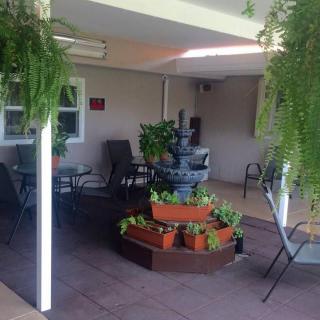
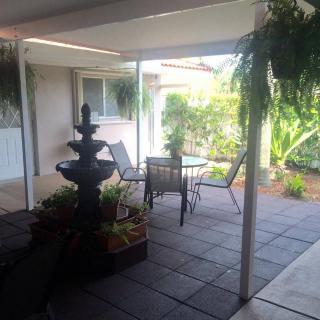
 Outdoor space
 Private bathrooms
 Restaurant-style dining
 Small library
 Telephone
 Wellness center
 Wi-Fi/high-speed internet available
 Fort Lauderdale-Hollywood International (10 miles away)
 Community operated transportation
 12-16 hour nursing
 24-hour call system
 Ambulatory care
 Assistance with bathing
 Assistance with dressing
 Assistance with transfers
 Diabetes diet
 Diabetic care
 Medication management
 Mental wellness program
 Special dietary restrictions
 Concierge services
 Planned day trips




 Social Security Benefits and Assisted Living: Navigating Options Across the U.S.
 An Extensive Exploration of the VA Aid and Attendance Benefit
 Senior Transition Services: Understanding Their Role, Cost, and Importance