
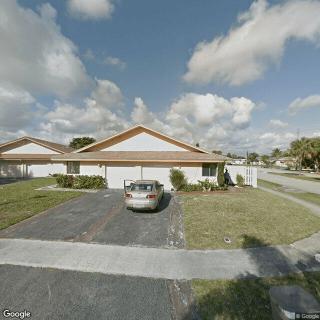
1510 South West 68Th Avenue, Pompano Beach, FL 33068
For more information about senior living options: (866) 208-4318
Overall Review of Genesis Assisted Living Facility
Pros
 The facility provided constant around-the-clock care.
- The facility was clean, and the staff were very helpful and attentive.
- The staff were wonderful and took very good care of her.
- The staff were very helpful, and the reviewer was pleased to have them provide care.
- The staff are kind and often go above and beyond to help.
- Through physical therapy, she became more mobile, more social, and generally happier.
Cons
 The facility abuses its patients.
- The reviewer cautions others not to send their loved ones to this facility.
Review
Genesis Assisted Living Facility in Pompano Beach is best suited for seniors who need substantial daily assistance and want reliable, around-the-clock caregiving in a clean, supportive setting. The clearest strength is a caregiving culture that prioritizes attentiveness and hands-on help, with multiple accounts of staff staying with residents through difficult days and coordinating care with family members. For families seeking peace of mind that a loved one won’t be left unattended, this community often feels like a sturdy option, especially for residents who benefit from mobility support, physical therapy, and ongoing social engagement. However, a serious caveat exists: a single negative report alleging abuse requires rigorous due diligence before any commitment. Prospective residents should insist on direct conversations with leadership, a detailed tour, and a clear review of safety policies before deciding.
On the positive side, the narratives consistently highlight cleanliness, responsive staff, and a staff-to-resident dynamic that feels intimate rather than transactional. Families describe staff as kind, attentive, and willing to go above and beyond to enable mobility and social interaction. Residents appear to benefit from structured physical therapy and daily encouragement to stay mobile, which translates to improved mood and a sense of independence for longer. The stories of long-tenured residents, both parents and a partner, offer a persuasive signal that the facility can sustain quality care over months and years, not just weeks. In short, the environment supports ongoing caregiving needs, with tangible improvements in mobility, happiness, and daily functioning.
Yet the negative review cannot be dismissed. It stands as a stark counterpoint to the otherwise favorable experiences and raises critical questions about resident safety and abuse prevention. Even a single allegation can indicate deeper issues in supervision, reporting, or staff training that should be explored before admission. The presence of this warning means families must probe governance, incident reporting, and the facility’s safeguarding measures in detail. It is not enough to rely on anecdotal warmth; a rigorous, data-driven evaluation of safety policies, staff background checks, and grievance resolution processes is essential.
With those concerns in mind, alternatives become worth considering for families who prioritize airtight oversight and transparent accountability. Other communities in the same market may offer comparable levels of care but with different reputational signals around safety, staffing stability, and formalized complaint handling. When evaluating options, look for facilities with clear, published abuse and safety policies, independent quality ratings, low staff turnover, and opportunities to meet direct care teams in action. If the priority is to minimize risk while preserving access to around-the-clock care and meaningful activity, this is a sensible filter to apply early in the search.
The core advantages, consistent, compassionate care; clean, well-maintained surroundings; and an emphasis on mobility and social engagement, do offset the main con only when a family remains actively involved and conducts thorough due diligence. The 24/7 attention relieves families from constant worry about overnight needs, and the positive accounts of staff who “go above and beyond” create a practical foundation for reliable daily life. Mobility gains from physical therapy and the resulting improvements in social participation are tangible benefits that can translate into longer periods of autonomy and a more fulfilling daily routine. Still, a prudent decision-maker should not minimize the potential risk signaled by the abuse allegation; the offset here relies on transparent safeguards and ongoing, proactive oversight.
In practical terms, a disciplined decision process is advised. Schedule an in-person tour with a focus on safety protocols, staff-to-resident ratios, and how the team handles concerns or complaints. Request to review the facility’s formal policies on abuse prevention, incident reporting, and family communication, and ask to speak with the administrator and several direct-care staff about their training and supervision routines. In parallel, interview residents and family members from current or recent stays to gauge consistency of care and responsiveness over time. If the answers satisfy concerns and the daily quality of life remains demonstrably strong, Genesis can be a solid choice for those needing reliable, empathetic care. If not, consulting additional options with clearer safety histories will serve the best interests of a vulnerable loved one.
 6 resident community capacity
 Assisted Living
 Board and Care Home
 Respite Care
 Cable or satellite TV
 Dining room
 Fully furnished
 Garden
 Housekeeping services
 Move-in coordination
 Outdoor space
 Telephone
 Wi-Fi/high-speed internet available
 Fort Lauderdale-Hollywood International (10 miles away)
 24-hour supervision
 Activities of daily living assistance
 Assistance with bathing
 Assistance with dressing
 Assistance with transfers
 Diabetes diet
 Meal preparation and service
 Medication management
 Special dietary restrictions
 Transportation arrangement (medical)
 Transportation to doctors appointments






 Comprehensive Insights into Activities of Daily Living (ADLs) and Their Assessment
 Medicare Coverage for Assisted Living: An In-Depth Exploration
 Choosing the Right Senior Care: A Detailed Exploration of Assisted Living and Nursing Homes