

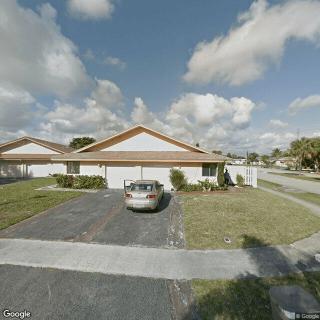
6821 SW 8th CT, North Lauderdale, FL 33068
For more information about senior living options: (866) 208-4318
Overall Review of Lindo's House of Care
Pros
 Fay was a godsend to the wife after surgery.
- Affordable Home Healthcare is one of the best agencies the family has chosen for their mother, with amazing service and caregivers who are caring, kind, loving, and patient.
- Linda C. was knowledgeable and found the perfect aide for the mom, giving the family peace of mind.
- The Affordable team provided attentive and caring home care for the dad, with ongoing follow-ups and coordinated care for both parents with hospice.
- They were a pleasure to work with, with everyone being extremely helpful, and the mom really liked her aide.
- The company is sincere, honest, and trustworthy, and the reviewer would refer their services to anyone seeking care.
- God Bless Affordable Home Healthcare.
Cons
 The agency was very unprofessional.
- The staff were rude.
- They warned others not to use the agency, claiming it takes anyone off the street.
- The agency suddenly had no staff available when the discharge was due.
Review
Lindo’s House of Care in North Lauderdale is best suited for families seeking in-home care tied to hospital discharge planning, where a hands-on coordinator can shepherd the process and match an aide to a recovering loved one. The strongest fit is for those who value personal attention from a designated liaison and appreciate the ability to coordinate with hospice services when needed. Clients who want quick placement, ongoing administrative follow-up, and a caregiver team assembled with attention to individual needs will likely find the most benefit here. This agency works best when families are comfortable with a highly involved intake and ongoing oversight rather than a fully hands-off arrangement.
Those who may want to consider alternatives are precisely the families for whom reliability on a strict schedule and consistently professional frontline staff is non-negotiable. Several reviews flag scheduling fragility, particularly around discharge dates, with instances of staff unavailability at crucial moments. Complaints about rude or unprofessional behavior from some caregivers add a warning sign for households that require seamless, high-trust interactions. For anyone needing a rock-solid guarantee of continuity, especially in complex medical situations or with very high care needs, it is wise to explore agencies with deeper bench strength, more standardized staffing protocols, and stronger escalation processes.
On balance, the positives tend to cluster around caregiver matching and ongoing oversight. Multiple reviewers highlight the ability to find an aide who genuinely fits the patient’s needs, even for challenging situations like post-surgical recovery. Linda, in particular, emerges as a dependable touchpoint who facilitates introductions, explains options, and stays engaged with families after placement. The capacity to coordinate with home hospice when necessary, and to assemble and reassign aides as the care plan evolves, delivers real peace of mind for families scattered across distances. These strengths matter: when the relationship with a competent, attentive caregiver holds, the benefits can outweigh periodic scheduling hiccups and occasional rough interpersonal moments.
Still, the cons are tangible and must be weighed carefully. The most glaring risk is the potential for last-minute gaps in staffing that derail discharge plans or daily routines. Reports of “unprofessional” behavior and outright rude conduct from some staff add a quality-of-service dimension that cannot be ignored, especially for families handling fragile recoveries or high-stress caregiving dynamics. There are also mixed signals about eligibility criteria and candidate screening, with one review warning to be cautious about the personnel pool. These factors do not render the agency unusable, but they do demand proactive governance: explicit expectations, backup plans, and a clear escalation path when a caregiver falls short.
To make this partnership work, approach it with a safety-first mindset. Insist on a written care plan that identifies the primary caregiver, back-up personnel, and exact coverage times. Request a dedicated coordinator as the main point of contact, and confirm a rapid escalation protocol if staffing becomes unstable. Ask for caregiver profiles and references ahead of placement, and negotiate a trial period with a concrete performance review. Ensure there is a plan to coordinate with hospice or other specialists, and clarify how changes in health status will trigger reassignment or escalation. These steps transform potential scheduling instability into manageable risk.
Ultimately, this agency offers meaningful value for families prioritizing responsive intake, thoughtful caregiver matching, and proactive oversight, especially when hospital discharge logistics are involved. If reliability on a day-to-day basis and consistently courteous frontline service are non-negotiable, consider evaluating additional options or arranging more stringent service guarantees. For households comfortable with active governance, a capable liaison, and a willingness to validate staff fit and performance, Lindo’s House of Care can be a practical, trustworthy choice. The decision hinges on tolerance for scheduling variability versus the assurance of a highly involved, person-centered care pathway.
 Board and Care Home
 Fort Lauderdale-Hollywood International (11 miles away)






 Top Canine Companions for Older Adults
 Comprehensive Guide to Blood Pressure Charts for Older Adults: Understanding Normal and High Readings by Age
 Financing Long-Term Nursing Home Care Through Social Security: A Thorough Exploration