
8090 Tippin Avenue, Pensacola, FL 32514
For more information about senior living options: (866) 208-4318
House Of Honor The Westbrooks Costs & Pricing
House Of Honor The Westbrooks presents a competitive pricing structure for its residential care offerings when compared to the average costs in Escambia County and throughout Florida. For semi-private rooms, residents can expect to pay $4,019 per month, which is notably higher than both county and state averages of $3,209 and $3,009 respectively. In the case of private accommodations, the monthly fee at House Of Honor is $4,822 - slightly below Escambia County's average of $4,881 but exceeding the state's average of $3,699. Finally, for studio units, the cost is set at $5,224, which surpasses both local and state averages ($4,277 and $3,823 respectively). This pricing suggests that while House Of Honor The Westbrooks may be on the higher end compared to local alternatives, it likely offers an elevated level of service or amenities that justifies this investment.
| Floor plans | House Of Honor The Westbrooks | Escambia County | Florida |
|---|---|---|---|
| Semi-Private | $4,019 | $3,209 | $3,009 |
| Private | $4,822 | $4,881 | $3,699 |
| Studio | $5,224 | $4,277 | $3,823 |
Assisted Living communities with a similar price nearby
-
from +$201 / mo
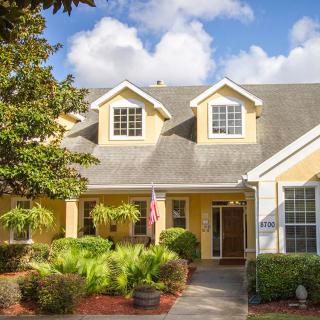
Brookdale Pensacola
$4,220 to $4,590 / month1.7 miles away -
from +$131 / mo

The Blake at Pensacola
$4,150 to $6,725 / month2.6 miles away -
from -$519 / mo
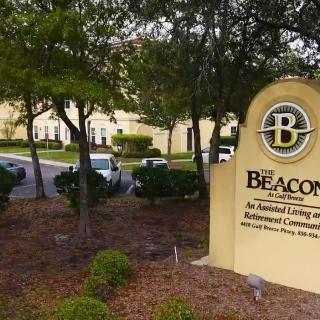
The Beacon at Gulf Breeze
$3,500 to $4,700 / month12.3 miles away -
from -$569 / mo
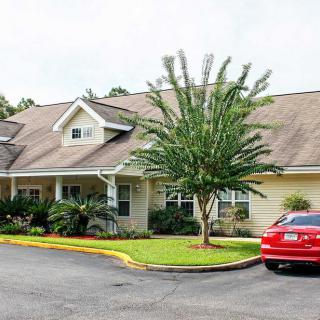
Forsyth House
$3,450 / month11.3 miles away -
About the same
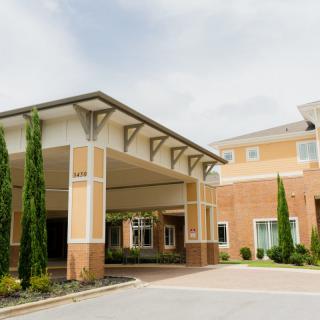
Summer Vista
$3,975 to $6,200 / month3.4 miles away
Overall Review of House Of Honor The Westbrooks
Pros
 The Honor HER Foundation is a great place that serves women veterans who are homeless or at risk, offering a safe place to stay and access to resources as they transition to stability and self-sufficiency.
- Since 2016, the organization has beautiful vegetable gardens, colorful flowers, and a peaceful atmosphere, making it a sanctuary for female veterans to bond.
- The place is awesome and does a lot for veteran women.
- The staff and volunteers are wonderful and lovely.
- The women there are described as amazing, and the experience is uplifting.
- The organization is an up-and-coming force dedicated to female veterans.
- It serves as a home for women veterans and helps them get back on their feet.
- The work being done is amazing and impactful.
Cons
 No negative statements are present in the reviews provided.
Review
This community is best suited for female veterans who are homeless or at imminent risk of homelessness and who need more than a bed , they require a structured pathway to safety, resources, and eventual self-sufficiency. In Pensacola, FL, House Of Honor The Westbrooks operates under The Honor HER Foundation and earns high marks for creating a sanctuary-like setting where residents can regain stability while connecting with peers who understand military service. The reviews show a clear consensus: this is a place where a fresh start becomes possible because shelter, support, and a sense of belonging are built into everyday life.
Those considering alternatives should keep in mind that this model centers on transition and community rather than on long-term medical or highly supervised care. Individuals who need ongoing, in-depth clinical treatment, 24/7 medical oversight, or private accommodations with intensive daily assistance may be better served by facilities designed for long-term, high-level care. The emphasis here is empowerment, camaraderie, and resources to re-enter stable housing and employment, rather than a traditional senior-living or clinical setting. Also, it may not be ideal for anyone seeking a strictly formal, corporate-feel program or for those not comfortable with a mission-driven, up-and-coming organization that relies heavily on volunteers and donations.
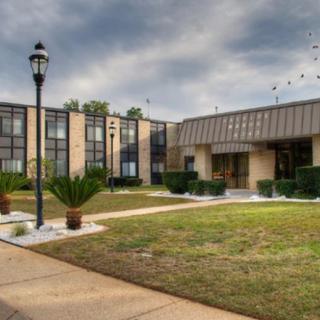
The strongest pros are hard to overlook. The sheltering environment is described as peaceful, with gardens and beauty that create a nurturing backdrop for recovery and growth. Residents gain access to a range of resources and assistance that support transition back to stability and self-sufficiency, including practical help with daily needs and help navigating systems for housing, employment, and services. The sense of community among female veterans is repeatedly highlighted as a powerful driver of resilience; the staff and fellow residents become a built-in support network, offering encouragement and accountability. Donors and volunteers are seen as essential lifelines, providing clothes, supplies, and other essentials that blunt one major pain point for people moving from crisis to independent living.
But every strength comes with caveats. The main practical con is capacity and consistency: as an up-and-coming organization relying on donations and volunteer effort, there can be fluctuation in resources and timeframes for assistance. The reviews imply that while the culture and mission are compelling, the availability of services may ebb and flow with funding and staffing levels. For families weighing options, this translates into choosing a program with strong mission fit and immediate shelter benefits, while accepting that some services or wait times may vary and long-term guarantees are not as fixed as in more mature programs.
Those tensions are not fatal when viewed through the lens of the target population. For female veterans in urgent housing need who prize peer connection, purpose-driven support, and a clearly scoped pathway to independence, the pros materially offset the cons. The gardens, the peaceful atmosphere, and the palpable sense of belonging combine with practical support to reduce the risk of homelessness and to accelerate transition into stability. The critique, limited capacity, reliance on philanthropy, and variability tied to growth, matters less when the immediate goal is securing a safe place to sleep, access to resources, and a community that understands the veteran experience.
Decision-wise, the takeaways are practical and actionable. If the priority is a veteran-specific, female-focused environment that doubles as a springboard back to self-sufficiency, this community is a compelling option in Pensacola. Prospective residents or their families should confirm eligibility for housing and resources, ask about typical wait times, and request clarity on the case-management approach, including which services are included and which are dependently funded. It is prudent to inquire how long residents typically stay, what metrics define progress, and what post-residency support looks like. A campus visit will illuminate the mood, the daily rhythm, and the degree of peer cohesion that makes the program stand out.
In the end, the House Of Honor Westbrooks/ Honor HER Foundation stands out as a standout choice for women veterans seeking shelter with purpose, community, and a practical route to independence. It is not a fit for those requiring heavy medical supervision or long-term institutional care, but for those who want safety, dignity, and a community that actively works toward stable self-reliance, the orientation, atmosphere, and proven peer-support framework deliver meaningful, real-world impact. The high overall rating reflects consistent fulfillment of its core mission: to provide a safe home, practical resources, and a hopeful path forward for female veterans facing homelessness.
 10 resident community capacity
 Assisted Living
 Board and Care Home
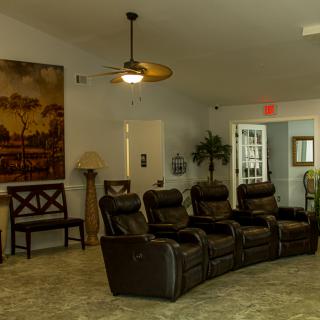
 Cable or satellite TV
 Dining room
 Fully furnished
 Garden
 Housekeeping services
 Move-in coordination
 Outdoor space
 Telephone
 Wi-Fi/high-speed internet available
 Pensacola Regional (3 miles away)
 24-hour supervision
 Activities of daily living assistance
 Assistance with bathing
 Assistance with dressing
 Assistance with transfers
 Diabetes diet
 Meal preparation and service
 Medication management
 Special dietary restrictions
 Transportation arrangement (medical)
 Transportation to doctors appointments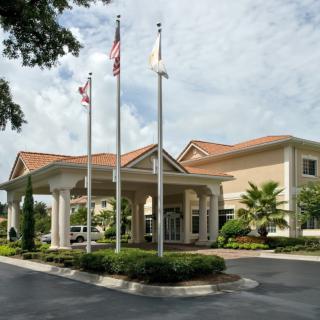




 Comprehensive Supportive Living Arrangements for Adults with Disabilities
 Funding and Affording Assisted Living: A Thorough Overview
 Assisted Living Expenses and Long-Term Care Insurance: A Comprehensive Exploration