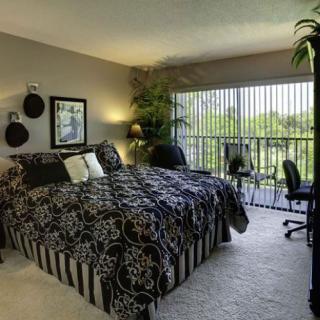
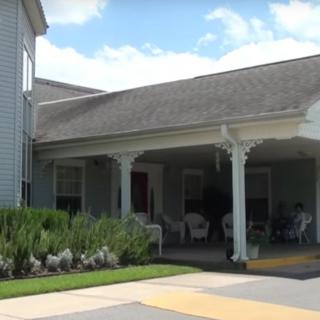
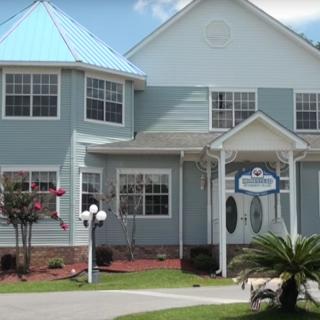
Homestead Village Retirement Community in Pensacola, FL

Save
Homestead Village Retirement Community Homestead Village Retirement Community Homestead Village Retirement Community

Homestead Village Retirement Community in Pensacola, FL

Information last verified:

7830 Pine Forest Road, Pensacola, FL 32526

For more information about senior living options: (844) 490-3973

3.7 from 66 reviews
5 stars
40
4 stars
5
3 stars
1
2 stars
4
1 stars
16

Seniors.FYI Elite Community Awards

Top 5% Senior Living Community in 2017

Add this award to your website

Overall Review of Homestead Village Retirement Community

Pros

  • pro The staff are kind, professional, and attentive, making residents feel truly cared for and respected.
  • pro The facility is clean, comfortable, and well maintained, with a warm and welcoming atmosphere.
  • pro The director, Sam, is outstanding, compassionate, and deeply dedicated to the residents and the quality of care.
  • pro The activities team is phenomenal, offering fun outings and engaging daily activities that keep residents active.
  • pro Families note clear, consistent communication from the facility, bringing peace of mind.
  • pro The cottages provide a cozy, homelike environment that makes residents feel at home.
  • pro The community is loving, friendly, and supportive, with staff who treat loved ones like family.
  • pro Many reviewers feel grateful and believe Homestead Village is an asset to the community.

Cons

  • pro They promised memory care and physical therapy but did not deliver.
  • pro They drugged the resident with psychotropic medications, allegedly to control him.
  • pro The drugs worsened his dementia and left him unable to talk, walk, or feed himself.
  • pro They left him wet and unclean on weekends, with soiled clothes.
  • pro They lied about what they were paid for and did not take responsibility.
  • pro They ignored family concerns and did not respond to emails or texts.
  • pro The facility was dirty with bugs, bed bugs, mold, and outdated safety equipment.
  • pro The emergency call pendants and safety devices did not work reliably.
  • pro The food quality deteriorated and meals were terrible.
  • pro There was a perceived lack of leadership and accountability, with management described as non-existent.

Review

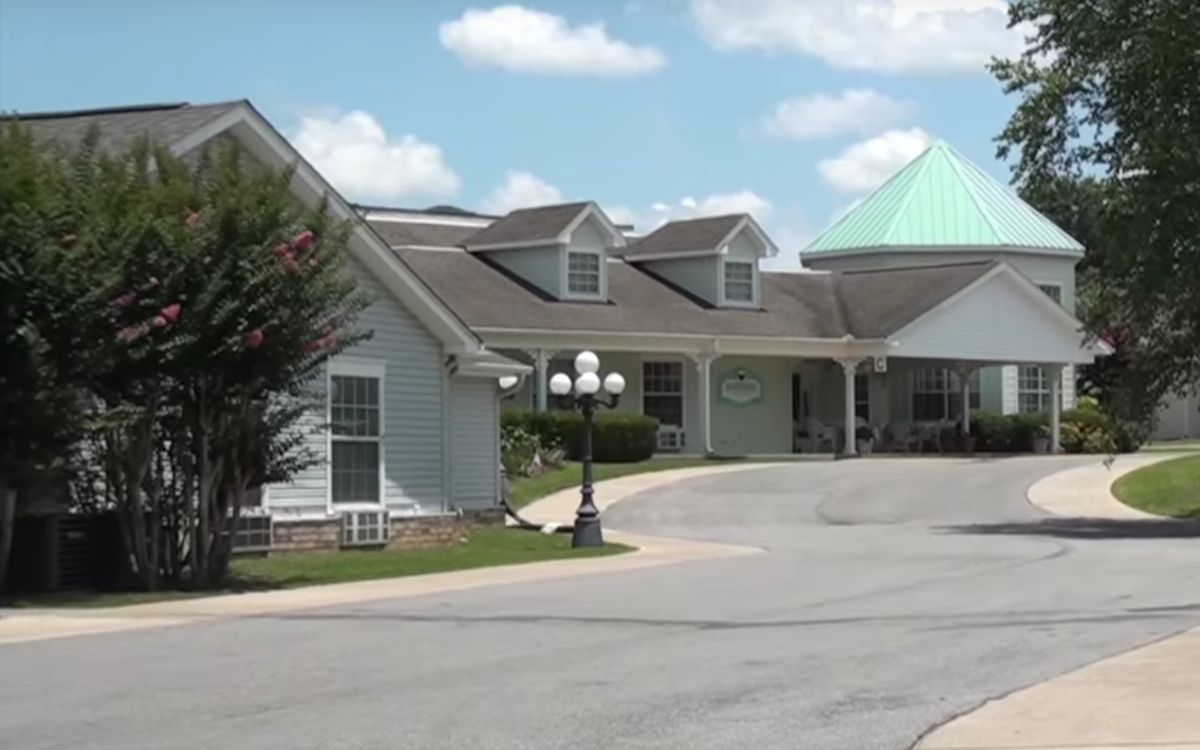
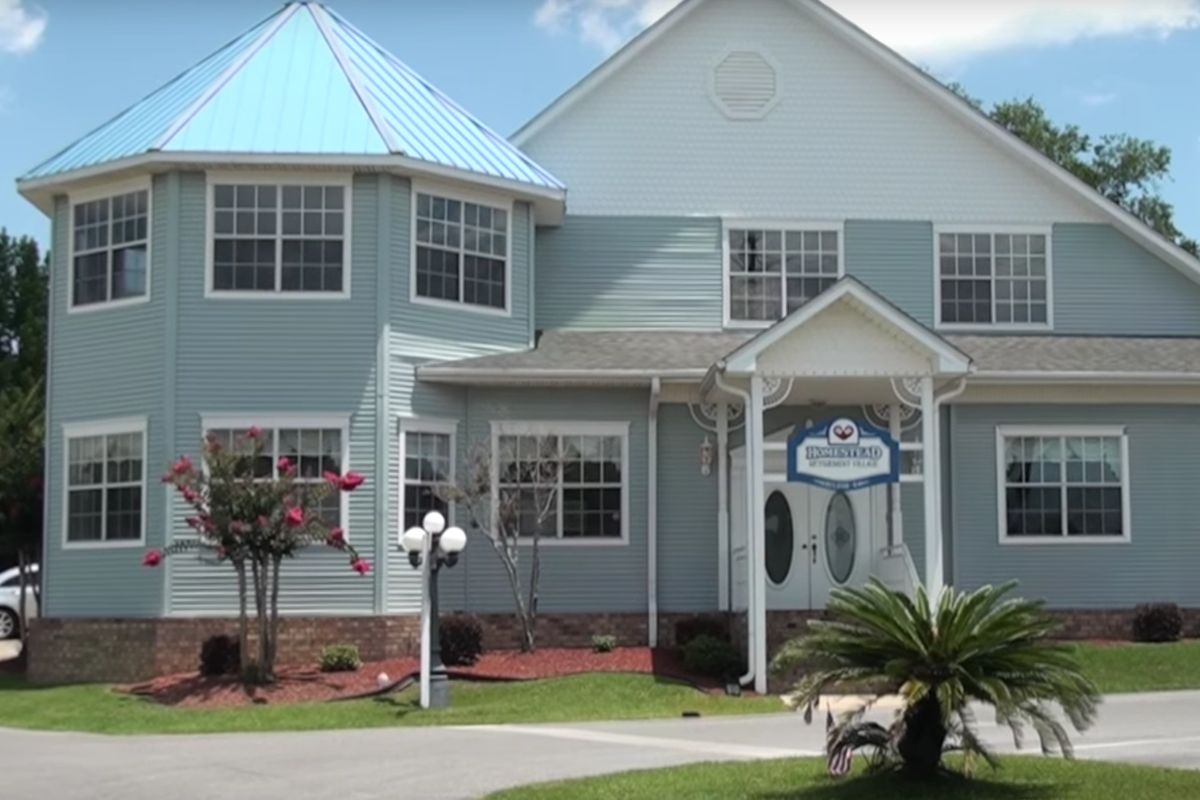
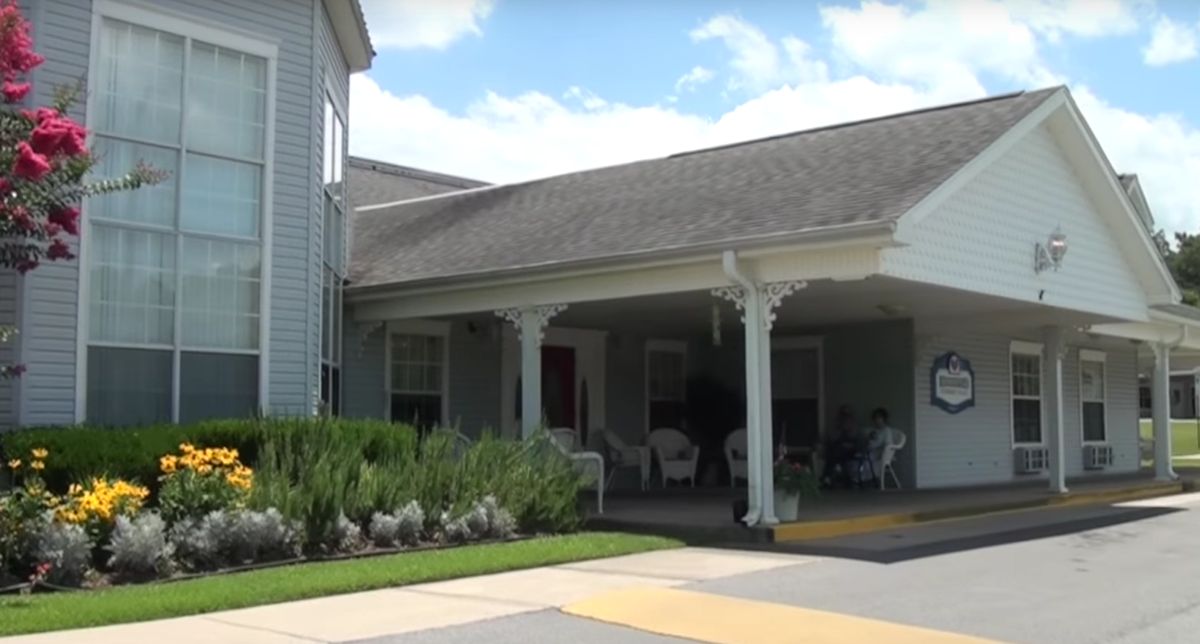
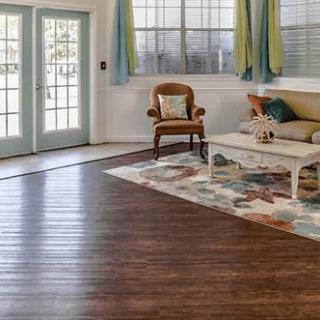
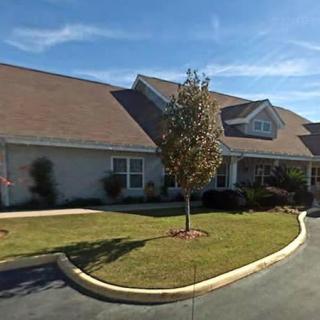
Homestead Village in Pensacola is best suited for families seeking a warm, homelike, cottage-style community where care runs along a continuum from independent living through assisted living and memory care, all on one campus. The property’s veritable village feel, rocking chairs on porches, small, walkable cottages, and an emphasis on intimate, homey living, appeals to families who want residents to remain connected to neighbors, routines, and a social calendar. Positive testimony repeatedly highlights clean facilities, well-maintained grounds, and a staff that can feel genuinely caring, with residents and families mentioning the atmosphere as a major strength. When the goal is an engaged daily life with plentiful activities, and when the family can prioritize consistent, hands-on caregiving within a familiar setting, Homestead Village often delivers.

That said, this community is not a fit for everyone, and especially not for families prioritizing faultless operations, transparent leadership, and fault-free safety practices. A substantial share of reviews flag serious management and communication gaps, with accounts of unresponsive leadership, delayed or missing responses to concerns, and claims that promises were not kept. Several families describe disquieting experiences around safety and health management, including reports of unreliable emergency devices, maintenance lapses, and even infestations or mold in some spaces. There are strong suspicions in multiple reviews that some positive testimonials might come from employees or those with a financial stake. For families needing rigorous oversight, immediate issue resolution, and watertight financial transparency, more scrutiny or alternatives may be prudent.

The core advantages, a welcoming, family-like culture, robust social programming, and attentive caregivers, do stand up against the friction points only when properly managed. Numerous residents or their families insist the staff genuinely cares, with frequent praise for the director and for caregivers who go above and beyond in daily routines, meals, and activities. The activity calendar is cited again and again as a lifeline for staying engaged: trips, outings, fitness programs, games, and group events create a sense of purpose and belonging. Cleanliness and upkeep frequently surface as strengths, and several families report that the environment feels safe, comfortable, and well-kept. In short, for families who value warmth, personal attention, and an active schedule, the pros can outweigh the cons if leadership and daily operations stay aligned with resident needs.

When memory care is the priority, Homestead Village offers a recognizable advantage in its integrated campus layout, with memory care in separate yet accessible spaces and a framework intended to tailor plans to individual needs. Some reviewers praise the care team for building personalized arrangements and for staff who truly listen to families. Yet even here the record is mixed: some residents thrive under attentive supervision and well-managed medications, while other families recount episodes of late response to needs, concerns about medication management, and gaps in safety monitoring. The strongest caution is this: memory-care success depends on ongoing, proactive oversight and a clear, responsive care plan, not just the assumption that a “care team” exists. Families should verify staffing levels, review medication protocols, and press for concrete, regular updates before committing.

Financial considerations shape the decision as strongly as care quality. Comments range from “affordable for the level of service” in some cases to “very expensive” in others, especially for memory care. Several reviews raise red flags about deposits, refunds, and billing practices, including claims that funds were not refunded promptly or in line with contract terms. Such reports underscore the need for meticulous contract review, clear explanations of what is included in monthly rates, and explicit policies on pro-rated refunds and end-of-stay charges. Prospective residents must demand transparent pricing, a documented care plan, and a written escalation path for any billing disputes. In a facility with strong social value but contested administrative transparency, the financial decision becomes a hinge point.

Bottom line: Homestead Village can be an excellent fit for families seeking a home-like, activity-rich environment with a visible emphasis on resident relationships and daylight, social living. It is less well matched for families who require ironclad reliability in safety systems, unambiguous communication, and fully transparent governance. For those attracted to the community’s warmth and multi-care-level model, the key is to engage early and aggressively, tour with a checklist, request current care plans and safety metrics, speak directly with multiple residents and families, and test the emergency systems on site. Demand specifics: pendant and alarm reliability, response times, staffing ratios by shift, maintenance logs, and a verbatim summary of what the memory-care team is actively implementing for each resident.

In considering alternatives, weigh the importance of consistent leadership and concrete accountability against the value of a close-knit, activity-forward ecosystem. If safety, prompt issue resolution, and unwavering communication are non-negotiables, explore other local options with verifiable performance metrics and fewer anecdotal alarms. If, however, the priority is a nurturing environment where caregivers treat residents like family and where daily life feels intentional, Homestead Village deserves a serious look, paired with a demanding, upfront inquiry process to ensure promises align with daily reality. For families ready to invest due diligence, the path forward is clear: visit, verify, and keep the conversation open with both staff and residents to determine whether this community will deliver the consistent, compassionate living experience sought.

Features

Housing

  • 180 resident community capacity 180 resident community capacity
  • 1-bedroom apartments 1-bedroom apartments1-bedroom apartments are important for seniors because they provide a sense of independence, privacy, and autonomy while still offering the necessary space for comfortable living. These apartments allow seniors to maintain their own personal space and lifestyle preferences in a supportive community setting.
  • 2-bedroom apartments 2-bedroom apartments2-bedroom apartments are important for seniors because they provide extra space for guests, hobbies, and caregivers, as well as potential for additional income through roommates or rental.
  • Studio apartments Studio apartmentsStudio apartments are important for seniors because they offer a smaller, more manageable living space that is easier to navigate and maintain as physical abilities decline. Additionally, studio apartments provide seniors with independence and privacy while still being part of a community that offers support and social opportunities.

Types of Care

  • Assisted Living Assisted LivingAssisted living facilities provide crucial support and care for seniors who may need help with daily tasks such as medication management, bathing, and meal preparation. These communities offer a safe and comfortable environment where seniors can maintain their independence while receiving the assistance they need to thrive in their golden years.
  • Memory Care Memory CareMemory care is crucial for seniors as it provides specialized support and services for individuals with dementia or Alzheimer's disease. These programs offer a safe and secure environment where residents receive personalized care, cognitive stimulation, and help with daily activities. Memory care helps seniors maintain their independence, quality of life, and dignity while also providing peace of mind for their families.

Amenities

  • Air-conditioning Air-conditioningAir conditioning is important for seniors as they are more vulnerable to heat-related illnesses and may have underlying health conditions that make it difficult for them to regulate their body temperature. It helps to keep them comfortable, safe, and healthy in hot weather.
  • Beautician on-site Beautician on-siteHaving a beautician on-site at a senior living community is important for seniors as it allows them to easily access grooming and personal care services, boosting their self-esteem and overall well-being. It also provides convenience and helps seniors maintain their sense of independence and personal style.
  • Beauty salon Beauty salonBeauty salons are important for seniors because they provide a space for them to feel pampered, socialize, and maintain their personal grooming and hygiene. Regular visits to a beauty salon can help boost seniors' self-esteem and overall well-being.
  • Cable or satellite TV Cable or satellite TVCable or satellite TV is important for seniors because it provides entertainment, news, and companionship, helping to combat loneliness and boredom. It also offers a wide range of programming options tailored to different interests and preferences.
  • Computer center Computer centerA computer center is essential for seniors as it provides access to technology, communication tools, and resources that can enhance their daily lives. It allows them to stay connected with loved ones, engage in online activities, and learn new skills, ultimately promoting socialization and mental stimulation.
  • Dining room Dining roomDining rooms are important for seniors as they provide a space for socialization, connection, and nutritious meals. They offer opportunities for residents to bond over shared meals, foster a sense of community, and promote healthy eating habits. Dining rooms also ensure that seniors have access to well-balanced meals tailored to their dietary needs and preferences.
  • Fitness room Fitness roomHaving a fitness room in a senior living community is essential for seniors to stay active, maintain their physical health, and improve their overall well-being. Regular exercise can help prevent falls, reduce the risk of chronic diseases, and promote mental sharpness. It also provides social opportunities for residents to connect with others and enjoy a sense of community.
  • Full kitchen Full kitchenHaving a full kitchen in a senior living facility is important for seniors because it allows them to maintain their independence and prepare their own meals. This promotes healthy eating habits, saves money on dining out, and provides a sense of familiarity and comfort for residents.
  • Fully furnished Fully furnishedFully furnished senior living communities are important for seniors because they provide convenience, comfort, and a hassle-free moving experience. Seniors can easily settle into their new living space without the stress of having to buy and move furniture. This allows them to focus on enjoying their new home and community.
  • Gaming room Gaming roomGaming rooms are important for seniors as they provide a fun and engaging environment for socializing, cognitive stimulation, and physical activity. Games can improve memory, problem-solving skills, and overall mental well-being while fostering friendships and reducing feelings of isolation.
  • Garden GardenGardens are important for seniors as they provide a peaceful and therapeutic environment for relaxation, physical activity, and socialization. Being in nature has been shown to reduce stress, improve mood, and promote overall well-being. Gardens also offer opportunities for seniors to engage in gardening activities, which can improve mobility, flexibility, and cognitive function. Additionally, gardens create a sense of community and connection with others who share a passion for plants and outdoor spaces.
  • Housekeeping services Housekeeping servicesHousekeeping services are important for seniors because they help maintain a clean and safe living environment, promote independence, and reduce the risk of accidents or illnesses. Additionally, having assistance with household chores can alleviate physical strain and allow seniors to focus on other aspects of their well-being.
  • Kitchenette KitchenetteKitchenettes are important for seniors living in senior living communities because they provide the convenience and independence of being able to prepare simple meals and snacks in the comfort of their own living space. This can help promote a sense of autonomy and well-being for seniors, allowing them to maintain some level of control over their dietary choices and daily routines.
  • Laundry LaundryLaundry services are important for seniors as they may have difficulty with physical tasks such as bending, lifting, or carrying heavy loads. Having access to laundry services can help seniors maintain personal hygiene, cleanliness, and independence in their daily lives.
  • Move-in coordination Move-in coordinationMove-in coordination is important for seniors because it helps ease the transition into their new living environment. It ensures that all logistics, such as packing, organizing movers, and setting up utilities are taken care of, allowing seniors to focus on settling in and adjusting to their new home. Having a smooth move-in process can alleviate stress and anxiety, making the transition smoother and more enjoyable for seniors.
  • Outdoor space Outdoor spaceOutdoor spaces are important for seniors as they provide opportunities for physical activity, social interaction, exposure to natural light and fresh air, and a sense of connection to nature. Having access to outdoor spaces can improve overall well-being and quality of life for older adults living in senior communities.
  • Private bathrooms Private bathroomsPrivate bathrooms are important for seniors in senior living communities because they provide independence, dignity, and comfort. Having a private bathroom allows seniors to maintain their personal hygiene routines without the need for assistance, promoting a sense of autonomy and privacy. Additionally, private bathrooms help prevent the spread of infections and provide a safe and clean environment for seniors to navigate safely.
  • Restaurant-style dining Restaurant-style diningRestaurant-style dining is important for seniors because it allows them to enjoy delicious, nutritious meals in a social and upscale setting. This enhances their dining experience, promotes healthy eating habits, and fosters socialization with fellow residents, ultimately contributing to their overall well-being and quality of life.
  • Security gate Security gateSecurity gates provide an added layer of protection and peace of mind for seniors living in a community. They help prevent unauthorized entry, deter potential intruders, and create a sense of security for residents. This extra security measure can make seniors feel safe and secure in their living environment.
  • Small library Small librarySmall libraries are important for seniors as they provide access to a variety of reading materials, including books, newspapers, and magazines. This can help stimulate their minds, keep them engaged, and provide a sense of community through book clubs and other social activities. Additionally, reading has been shown to improve cognitive function and overall mental well-being in older adults.
  • Telephone TelephoneTelephones are important for seniors as they provide a lifeline for communication with loved ones, emergency services, and healthcare providers. They offer a sense of security and independence, enabling seniors to stay connected and access assistance when needed.
  • VA Benefits Consultation VA Benefits ConsultationVA Benefits Consultations are important for seniors because they provide valuable information on the benefits and resources available to them as veterans. These consultations can help seniors access financial assistance, healthcare services, and other support that can greatly improve their quality of life in their later years.
  • Wellness center Wellness centerWellness centers are important for seniors because they offer a variety of programs and services that promote physical, mental, and emotional well-being. These centers provide opportunities for exercise, socialization, education, and relaxation, helping seniors maintain their overall health and quality of life.
  • Wi-Fi/high-speed internet available Wi-Fi/high-speed internet availableWi-Fi/high-speed internet is important for seniors to stay connected with loved ones, access online resources, and participate in virtual activities to combat feelings of loneliness and isolation. It also allows them to easily manage healthcare needs, access entertainment, and engage in lifelong learning opportunities.

Transportation

  • Pensacola Regional (8 miles away) Pensacola Regional (8 miles away)
  • Community operated transportation Community operated transportationCommunity operated transportation is crucial for seniors as it provides them with the means to access essential services, social activities, and medical appointments. It allows seniors to maintain their independence and quality of life by ensuring they can participate in activities outside of their homes. Additionally, community-operated transportation services offer a safe and reliable way for seniors to travel without having to rely on family or friends for assistance.
  • Transportation & parking Transportation & parkingTransportation and parking are vital for seniors as they offer access to essential services, activities, and social interactions. Reliable transportation options can help seniors maintain independence, stay connected within their community, and enjoy a higher quality of life. Additionally, convenient parking facilities ensure that seniors can easily access necessary resources and amenities without added stress or difficulty.
  • Transportation arrangement Transportation arrangementTransportation arrangements are crucial for seniors as they may face challenges with driving, mobility, or access to public transportation. Having reliable transportation services ensures that seniors can easily attend appointments, social activities, and maintain their independence and quality of life.
  • Transportation arrangement (non-medical) Transportation arrangement (non-medical)Transportation arrangements are essential for seniors as they provide access to essential services, activities, and social interactions outside the home. This service helps maintain independence, mobility, and overall well-being for seniors who may have limited transportation options.
  • Transportation to doctors appointments Transportation to doctors appointmentsTransportation to doctors appointments is crucial for seniors as it ensures they have access to necessary medical care and support, promoting their health and well-being. It allows them to receive timely treatment, monitor existing conditions, and address any new health concerns efficiently. Additionally, transportation services can help seniors maintain their independence and quality of life by enabling them to stay connected with their healthcare providers.

Care Services

  • 12-16 hour nursing 12-16 hour nursing12-16 hour nursing care is crucial for seniors in order to ensure around-the-clock monitoring, timely medication administration, and prompt response to any health concerns or emergencies. This level of care helps to promote the overall well-being and safety of seniors living in senior living communities.
  • 24-hour call system 24-hour call system24-hour call systems are important for seniors because they provide peace of mind and immediate assistance in case of emergencies. This technology ensures that help is always available, promoting safety and security for elderly individuals living alone or in assisted living facilities.
  • 24-hour supervision 24-hour supervision24-hour supervision is important for seniors to ensure their safety, well-being, and access to immediate assistance in case of emergencies or health issues. This constant support provides peace of mind for both seniors and their loved ones, allowing them to age in place with dignity and security.
  • Activities of daily living assistance Activities of daily living assistanceActivities of daily living assistance are important for seniors because they provide essential support with tasks such as eating, bathing, dressing, and mobility. This assistance helps seniors maintain their independence, dignity, and overall quality of life as they age.
  • Assistance with bathing Assistance with bathingAssistance with bathing is crucial for seniors as it helps maintain personal hygiene, prevents infections, and ensures their overall well-being and comfort. It also provides a sense of dignity and independence for seniors who may struggle with this task on their own.
  • Assistance with dressing Assistance with dressingAssistance with dressing is important for seniors because it helps maintain their independence, promotes personal hygiene, prevents accidents and injuries, and improves overall quality of life. This service ensures that seniors can continue to dress comfortably and confidently, despite any physical limitations they may have.
  • Assistance with transfers Assistance with transfersAssistance with transfers is crucial for seniors as it helps prevent falls and injuries, maintains their independence, and ensures they can safely navigate their living environment. It also provides peace of mind for both seniors and their loved ones.
  • Blood work Blood workRegular blood work is essential for seniors as it allows healthcare providers to monitor and detect any potential health issues early on, such as diabetes, high cholesterol, anemia, and kidney function. This proactive approach helps seniors maintain their overall health and well-being as they age.
  • Diabetes diet Diabetes dietA diabetes diet is crucial for seniors as it helps manage blood sugar levels, reduce risks of complications, and improve overall health and well-being. By following a balanced and nutritious diet tailored to their specific needs, seniors can better control their diabetes and enhance their quality of life.
  • Meal preparation and service Meal preparation and serviceMeal preparation and service are crucial for seniors as they may have limited mobility or energy to cook nutritious meals. Having access to healthy and convenient food options can ensure they are getting the proper nutrition needed to maintain their overall health and well-being.
  • Medication management Medication managementMedication management is crucial for seniors to ensure they are taking the right medications at the correct dosages and times. This helps prevent adverse drug interactions, reduces the risk of medication errors, and promotes overall health and well-being. Proactive management also allows for adjustments as needed based on changing health conditions or new prescriptions.
  • Mental wellness program Mental wellness programMental wellness programs are essential for seniors as they promote cognitive stimulation, emotional support, and social engagement. These programs help prevent isolation, depression, and cognitive decline, ultimately enhancing the overall quality of life for older adults.
  • Physical therapy Physical therapyPhysical therapy is essential for seniors to maintain and improve their mobility, strength, and overall quality of life. It helps reduce pain, prevent falls, and enhance independence in daily activities. By promoting movement and function, physical therapy can help seniors stay active, healthy, and engaged in their communities.
  • Special dietary restrictions Special dietary restrictionsSpecial dietary restrictions are important for seniors because age-related changes in metabolism and health conditions can make it difficult for their bodies to process certain foods. By following a diet tailored to their specific needs, seniors can maintain their overall health and well-being, manage chronic conditions, and reduce the risk of complications such as malnutrition or food interactions with medications.
  • Walking wheelchair assistance Walking wheelchair assistanceWalking wheelchair assistance is vital for seniors as it helps them maintain their independence and mobility. It provides support and stability, allowing them to safely navigate their surroundings and engage in daily activities without fear of falling or injury. This assistance can significantly improve their quality of life and overall well-being.

Dining

  • Diabetes diet Diabetes dietA diabetes diet is crucial for seniors as it helps manage blood sugar levels, reduce risks of complications, and improve overall health and well-being. By following a balanced and nutritious diet tailored to their specific needs, seniors can better control their diabetes and enhance their quality of life.
  • Special dietary restrictions Special dietary restrictionsSpecial dietary restrictions are important for seniors because age-related changes in metabolism and health conditions can make it difficult for their bodies to process certain foods. By following a diet tailored to their specific needs, seniors can maintain their overall health and well-being, manage chronic conditions, and reduce the risk of complications such as malnutrition or food interactions with medications.

Activities

  • Activities off-site Activities off-siteActivities off-site are crucial for seniors as they provide opportunities for socialization, mental stimulation, and physical activity outside of their usual routine. This helps combat feelings of isolation and boredom, promotes overall well-being, and allows seniors to remain engaged in the community.
  • Arts and crafts Arts and craftsEngaging in arts and crafts activities provides seniors with a creative outlet, promotes cognitive function, enhances dexterity and fine motor skills, fosters social interaction, and boosts overall well-being and mental health.
  • Community-sponsored activities Community-sponsored activitiesCommunity-sponsored activities are important for seniors as they provide opportunities for social interaction, mental stimulation, and physical activity. These activities can help improve overall well-being, combat loneliness and isolation, and promote a sense of belonging and purpose among older adults.
  • Concierge services Concierge servicesConcierge services are essential for seniors as they provide assistance with daily tasks and errands, enhance their quality of life by offering convenience and personalized care, and promote a sense of safety and security.
  • Fitness programs Fitness programsFitness programs are crucial for seniors as they help improve strength, flexibility, balance, and overall well-being. Staying active can reduce the risk of chronic diseases, improve mental health, and enhance quality of life in older adults.
  • Games GamesGames are an essential part of senior living as they help promote cognitive function, social interaction, and overall well-being. Playing games can improve memory, concentration, and decision-making skills while also providing a fun and engaging way to connect with others. Seniors who participate in games regularly tend to experience higher levels of satisfaction and happiness in their daily lives.
  • Live musical performances Live musical performancesLive musical performances can provide seniors with a sense of joy, nostalgia, and connection. Music has the power to evoke emotions and memories, improve mood and cognitive function, and foster social interaction among seniors. It can also serve as a form of therapy and stress relief for older adults, making it an important activity to include in senior living communities.
  • Planned day trips Planned day tripsPlanned day trips are important for seniors because they offer opportunities for socialization, mental stimulation, and physical activity. They provide a change of scenery and help seniors stay engaged and connected to their community, promoting overall well-being and quality of life.
  • Religious services Religious servicesReligious services provide seniors with a sense of community, support, and spiritual fulfillment, which can improve their overall well-being and mental health. It also offers them opportunities for socialization and connection with others who share their beliefs.
  • Resident-run activities Resident-run activitiesResident-run activities are important for seniors as they encourage social interaction, creativity, and a sense of autonomy. These activities empower seniors to stay engaged and active in their community while fostering meaningful connections with their peers.
  • Scheduled daily activities Scheduled daily activitiesScheduled daily activities are important for seniors because they provide structure, socialization, mental stimulation, and physical activity. Engaging in regular activities can improve overall well-being and quality of life for seniors living in a community setting.

Languages Spoken

  • English EnglishEnglish is important for seniors as it allows them to communicate effectively with healthcare providers, understand important information related to their health and medications, stay connected with loved ones, and engage in social activities within their communities. It also opens up opportunities for lifelong learning and intellectual stimulation.

Description

Homestead Village Retirement Community in Pensacola, FL is a vibrant and comfortable assisted living community that offers a range of housing options and care services for seniors. Residents can choose between spacious 2-bedroom apartments or cozy studio apartments.

One of the key features of Homestead Village is their specialized memory care program, which provides dedicated assistance and support for individuals with memory impairments.

The community boasts a wide array of amenities to enhance the residents' quality of life. They have an on-site beautician and beauty salon, ensuring that residents can easily maintain their grooming routines. Cable or satellite TV is available in each apartment, keeping residents entertained and connected to the outside world. Community-operated transportation makes it convenient for residents to go out and explore the city, while a computer center allows them to stay digitally connected.

Meals are served in a spacious dining room with restaurant-style dining options, offering delicious and nutritious meals prepared by expert chefs. Each apartment has a full kitchen for those who prefer to cook their own meals. Housekeeping services ensure that all common areas are well-maintained.

Homestead Village also offers several opportunities for recreation and socialization. Residents can enjoy activities such as arts and crafts, fitness programs, games, live musical performances, planned day trips, religious services, and resident-run activities. The community even has a small library where residents can indulge their love for reading.

Care services at Homestead Village include 24-hour call systems and supervision to ensure the safety of all residents. Assistance with daily activities like bathing, dressing, transfers, and walking wheelchair assistance is provided as needed. Medication management is available to help residents take their medications timely and accurately. Physical therapy services cater to those needing rehabilitation or exercise regimens.

Close proximity to cafes, pharmacies, physicians' offices, and restaurants make it convenient for both residents and their families to access necessary services.

Overall, Homestead Village Retirement Community prides itself on providing a comfortable, supportive, and engaging environment for seniors, ensuring their well-being and happiness.

Nearby Places of Interest

Restaurants

  • Burger King (0.3 miles)
  • Cracker Barrel (0.7 miles)
  • Waffle House (2.6 miles)
  • McDonald's (2.9 miles)
  • McDonald's (3.1 miles)
  • Culver's (3.6 miles)
  • McDonald's (3.7 miles)

Physicians

  • West Florida Primary Care, Pine Forest Medical Center, Family Practice (0.8 miles)
  • Cantonment Family Medicine PA (3.8 miles)
  • West Florida Medical Group - W Street (3.9 miles)
  • Boyd Douglas K OD (4 miles)
  • West Florida Primary Care (4.3 miles)
  • Florida Pediatric Clinic (4.4 miles)
  • Sacred Heart Health System-Family Practice (5 miles)

Pharmacies

  • Walgreens (1.4 miles)
  • Rx Advantage (1.5 miles)
  • Walmart Pharmacy (2.4 miles)
  • Walmart Pharmacy (2.5 miles)
  • Walgreens (2.5 miles)
  • Ensley Pharmacy (2.5 miles)
  • Winn-Dixie (3.3 miles)

Cafes

  • Maynard's Donut Co. (3.9 miles)
  • Panera Bread (5.4 miles)
  • Coffee Guy Cafe (5.4 miles)
  • Starbucks (6.3 miles)

Places of Worship

  • Gulf Coast Christian Church (5 miles)
  • Olive Baptist Church (5.2 miles)
  • Gateway Church of Christ (5.6 miles)

Hospitals

  • Davita Kidney Care (5.4 miles)
  • Fairvue Family Wellness (5.5 miles)
  • West Florida Regional Medical Center (5.5 miles)
  • Baptist Medical Group (5.5 miles)
  • Sacred Heart Diagnostics (6.2 miles)
  • Baptist Health Care Lab (6.2 miles)

Theaters

  • 4180 Amc Bayou 15 (6.2 miles)

Frequently Asked Questions

What floor plans and room types does Homestead Village Retirement Community offer?
Where is Homestead Village Retirement Community?
Does Homestead Village Retirement Community provide care for residents with dementia or Alzheimer's disease?
What photos are available for Homestead Village Retirement Community in Pensacola, Florida?

Nearby Communities

  • Homestead Village of Pensacola

    Homestead Village of Pensacola

    Pensacola, FL

    3.9 from 79 reviews
    $1,000 to $3,500 / month

    pro Kind, attentive staff in a home-like setting with engaging activities.

  • Retirement Center

    Retirement Center

    Pensacola, FL


    pro Excellent access to nearby pharmacies, physicians, restaurants, and places of worship.

  • Sabal House

    Sabal House

    Cantonment, FL

    4.8 from 6 reviews
     

    pro Caring, loving environment with attentive staff and dementia care expertise.

  • Sodalis Cantonment

    Sodalis Cantonment

    Cantonment, FL

    4.8 from 76 reviews
    $2,600 to $3,900 / month

    pro Welcoming atmosphere with attentive staff, clean facilities, engaging activities, and quality meals.

  • Prisyco Manor

    Prisyco Manor

    Pensacola, FL


    pro Fully furnished apartments with meals, 24/7 supervision, medication management, diabetes care, and medical transportation.

  • Smith,  Jacqueline

    Smith, Jacqueline

    Pensacola, FL


    pro Excellent access to nearby amenities (cafes, pharmacies, physicians, restaurants, places of worship, and hospitals).

  • Veranda of Pensacola

    Veranda of Pensacola

    Pensacola, FL

    4.3 from 87 reviews
     

    pro Welcoming atmosphere with friendly staff and a wide range of amenities.

  • Emerald Gardens

    Emerald Gardens

    Pensacola, FL

    3.2 from 21 reviews
     

    pro Caring staff in a clean, comfortable setting.

  • Azalea Trace

    Azalea Trace

    Pensacola, FL

    4.4 from 78 reviews
     

    pro Beautiful grounds, friendly staff, and extensive amenities and housing options.

Assisted Living in Nearby Cities

Related Resources

  • does medicaid pay for assisted livingUnderstanding Medicaid Coverage for Assisted Living: A Comprehensive Guide

    The guide outlines the complexities of Medicaid coverage for assisted living, highlighting significant state-to-state variations, limited coverage often restricted to personal care services, and the existence of specialized waivers for certain needs like memory care. It advises families to consult local Medicaid offices for options while emphasizing the importance of understanding state-specific regulations and facility policies.

  • does medicaid pay for assisted livingHow and When Medicaid May Cover Assisted Living Costs

    Medicaid coverage for assisted living varies by state and is primarily available to low-income individuals, with eligibility dependent on strict income and asset limits. Some states offer HCBS waivers for specific services in assisted living, but families must generally cover room and board costs, and should verify facility acceptance of Medicaid while considering potential waiting lists.

  • assisted living waiver programA Detailed Exploration of Assisted Living Medicaid Waivers Across the United States
    Medicaid waivers for assisted living services provide vital support for seniors and individuals with disabilities in need of long-term care, with varying state-specific eligibility criteria and benefits. These waivers cover personal care and case management but often do not fully cover room and board, leading to waiting lists for many applicants.