Homestead Village of Pensacola offers competitive monthly costs for various room types when compared to both Escambia County and the broader state of Florida. For instance, a studio apartment at Homestead Village is priced at $1,000, significantly lower than the county average of $4,277 and the state average of $3,823. Similarly, a one-bedroom unit is available for $1,600, which again contrasts sharply with the county's $4,040 and the state's $3,864. For those seeking more space, the two-bedroom option at Homestead Village is priced at $2,600 - this is notably less than Escambia County's $5,752 and Florida's $4,711 averages. Even for private accommodations priced at $3,500, Homestead Village remains competitively positioned against Escambia County's average of $4,881 while undercutting Florida's average of $3,699. Overall, these figures reflect Homestead Village as an economically viable choice for residents seeking quality living without exceeding their budget in comparison to surrounding areas.
Floor plans
Homestead Village of Pensacola
Escambia County
Florida
Studio
$1,000
$4,277
$3,823
1 Bedroom
$1,600
$4,040
$3,864
2 Bedrooms
$2,600
$5,752
$4,711
Private
$3,500
$4,881
$3,699
Overall Review of Homestead Village of Pensacola
common24 reviews mention this
Care staff are often praised
Many residents and families describe the caregivers as kind and attentive.
Across many reviews, people thank the staff for showing compassion, taking time to get to know residents, and creating individualized support plans. Several also mention medication management help and feeling more at ease because staff are handling care details. A number of others highlight particular caregivers by name, and one review credits the nursing team with helping a resident remain content through memory care. Not every review agrees—some describe neglect or lack of leadership—but the positive caregiver theme is repeated often.
caveat13 reviews mention this
Dining quality is mixed
Dining gets conflicting feedback, from positive meal enjoyment to serious complaints about quality.
Some reviews say the food is enjoyable and that residents are eating well, including stories of weight gain and improved appetite after moving in. Others describe meals as poor quality, including specific concerns about portions and repetitive, unappetizing service. A few reviews also connect dining experiences to cleanliness issues in dining areas, while separate comments mention residents eating on paper plates with plastic utensils. Overall, dining seems to vary significantly by reviewer and circumstance.
caveat12 reviews mention this
Maintenance and safety issues recur
Multiple reviews describe breakdowns in maintenance and safety response.
Several negative reviews focus on cleanliness and pests, including reports of bed bugs and mold, along with complaints that rooms and areas were not properly cleaned. Others raise safety and response concerns such as emergency pull cords/pagers not working and needing outside emergency help. There are also comments about repairs and equipment—like lighting and laundry equipment—going unattended for too long, plus worries about maintenance being slow to address problems. A few positive reviews mention clean, cared-for cottages, but the complaints about safety and upkeep show up often in the less favorable accounts.
common14 reviews mention this
Activities and community life matter
Residents are described as having frequent activities and social options.
Many reviews point to activities as a reason residents stay engaged, including bingo, outings, and scheduled events that bring residents together. Several mention an activities team or calendars with a steady rhythm of what’s happening in the community. Even in reviews that are otherwise positive or mixed, activities and day-to-day engagement are often singled out as a strength. This lines up with the community offering on-site programming and structured group activities, along with religious and educational events.
How we summarize
Counts show how many written reviews mention each theme; a review can touch several themes, and only frequently mentioned themes are displayed.
Features
Housing
1-bedroom apartments
2-bedroom apartments
Studio apartments
Types of Care
Assisted Living
Independent Living
Memory Care
Pets
Cats allowed
Dogs allowed
Amenities
Activities on-site
Air-conditioning
Bath tubs
Beautician on-site
Cable or satellite TV
Devotional services off-site
Dining room
Full kitchen
Garden
Ground floor units
Handicap accessible
Housekeeping services
Indoor common areas
Laundry
Private bathrooms
Respite or short term stays offered
Security gate
VA Benefits Consultation
Wheelchair accessible showers
Wi-Fi/high-speed internet available
Transportation
Pensacola Regional (8 miles away)
Transportation & parking
Care Services
Ambulatory care
Assistance with bathing
Assistance with dressing
Blood work
Diabetic care
Incontinence care
Meal preparation and service
Medication management
Physical therapy
Walking wheelchair assistance
Dining
Guest meals
Meals provided
Professional chef
Restaurant style dining
Room service
Special dietary restrictions
Activities
Activities off-site
Activities on-site
Art classes
Arts and crafts
Birthday parties
Community service programs
Day trips and outings
Devotional activities offsite
Educational speakers / life long learning
Fitness programs
Games
Intergenerational programs
Live musical performances
Religious services
Stretching classes
Trivia games
Yoga / chair yoga
Languages Spoken
English
Nearby Places of Interest
This part of Pensacola, Florida, offers a range of amenities that cater to the needs and preferences of senior citizens. With various dining options such as Burger King, Cracker Barrel, and Waffle House within close proximity, residents can enjoy convenient access to delicious meals. Additionally, there are several pharmacies and physicians' offices nearby including West Florida Primary Care and Walgreens, ensuring easy access to healthcare services. For those seeking spiritual fulfillment, there are multiple places of worship such as Gulf Coast Christian Church and Olive Baptist Church in the area. In case of emergencies or medical needs, several hospitals like West Florida Regional Medical Center and Sacred Heart Diagnostics are located within a short distance. Overall, this neighborhood provides a comfortable and convenient environment for seniors looking for a peaceful retirement lifestyle in Pensacola.
Restaurants
Burger King (0.3 miles)
Cracker Barrel (0.7 miles)
Waffle House (2.6 miles)
McDonald's (2.9 miles)
McDonald's (3.1 miles)
Culver's (3.6 miles)
McDonald's (3.6 miles)
Physicians
West Florida Primary Care, Pine Forest Medical Center, Family Practice (0.8 miles)
Cantonment Family Medicine PA (3.8 miles)
West Florida Medical Group - W Street (3.9 miles)
Boyd Douglas K OD (4 miles)
West Florida Primary Care (4.4 miles)
Florida Pediatric Clinic (4.4 miles)
Sacred Heart Health System-Family Practice (5 miles)
Homestead Village of Pensacola offers competitive monthly costs for various room types when compared to both Escambia County and the broader state of Florida. For instance, a studio apartment at Homestead Village is priced at $1,000, significantly lower than the county average of $4,277 and the state average of $3,823. Similarly, a one-bedroom unit is available for $1,600, which again contrasts sharply with the county's $4,040 and the state's $3,864. For those seeking more space, the two-bedroom option at Homestead Village is priced at $2,600 - this is notably less than Escambia County's $5,752 and Florida's $4,711 averages. Even for private accommodations priced at $3,500, Homestead Village remains competitively positioned against Escambia County's average of $4,881 while undercutting Florida's average of $3,699. Overall, these figures reflect Homestead Village as an economically viable choice for residents seeking quality living without exceeding their budget in comparison to surrounding areas.
Homestead Village of Pensacola offers a range of features that significantly enhance the quality of life for residents with dementia or Alzheimer's disease. Assistance with bathing and dressing provides essential support, ensuring personal hygiene and comfort while promoting dignity. Incontinence care is delivered compassionately, reducing anxiety for both residents and families by managing this sensitive issue discreetly. Meal preparation and service focus on nutritional needs, offering balanced meals tailored to individual preferences, which is crucial for maintaining physical health. Medication management ensures that residents receive their prescriptions accurately and timely, minimizing the risk of confusion or missed doses. Lastly, physical therapy aids in maintaining mobility and strength, which can be particularly beneficial in improving overall cognitive function and preventing additional health complications associated with immobility. Together, these services create a supportive environment conducive to enhancing the well-being of individuals facing memory challenges.
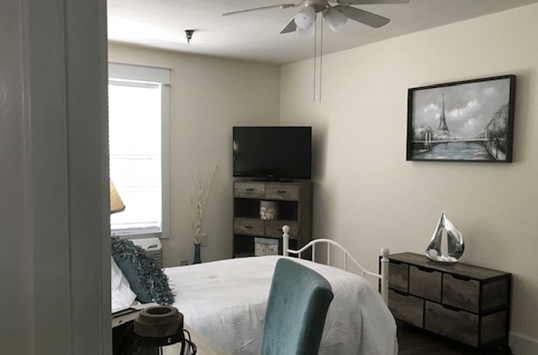
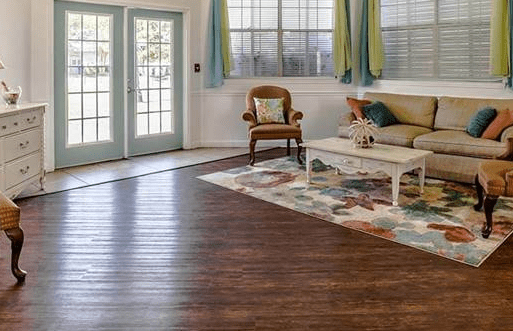
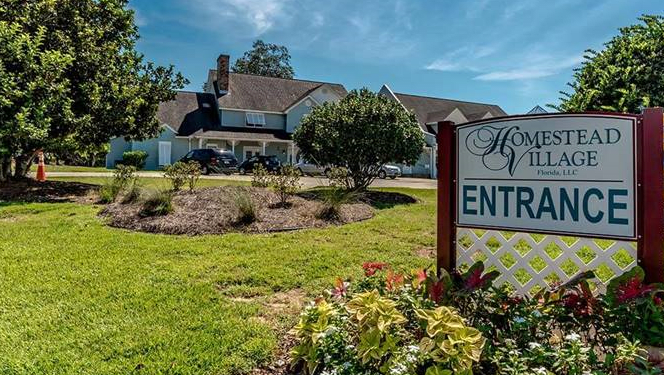
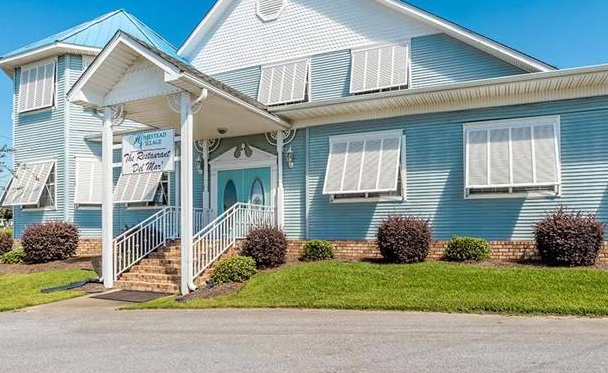
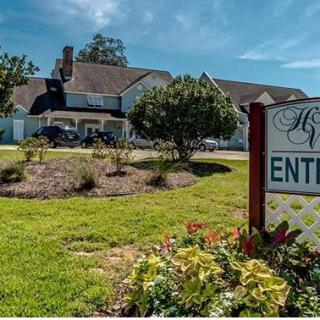
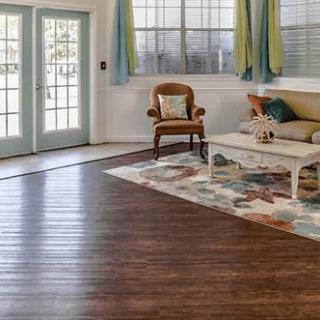
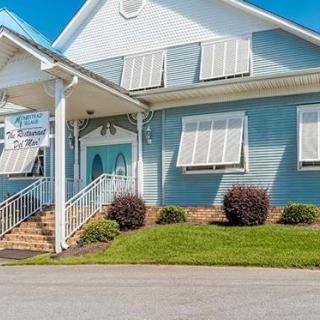
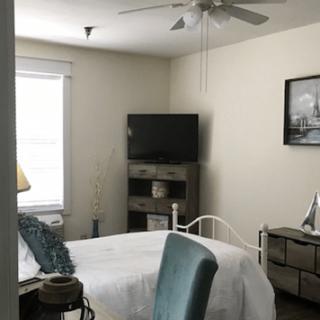
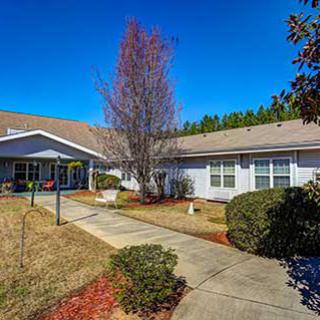
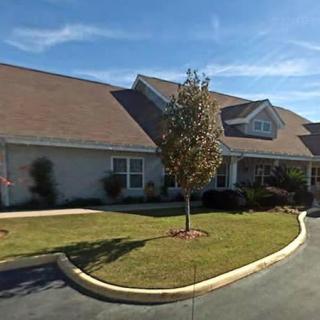
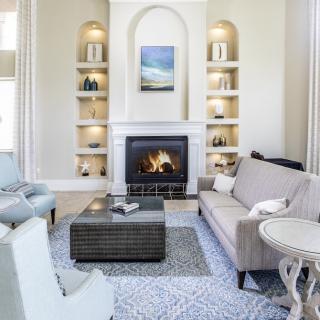
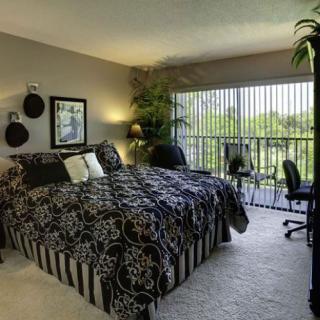
Homestead Village of Pensacola on seniors.fyi includes 7 photos including images showing interior, decor, building, landscaping, bedroom, dining, kitchen, pendant lights, and more.
Nearby Communities
Homestead Village Retirement Community
Pensacola, FL
3.6 from 71 reviews
Strong memory care program with extensive amenities and engaging activities.
Retirement Center
Pensacola, FL
Excellent access to nearby pharmacies, physicians, restaurants, and places of worship.
Prisyco Manor
Pensacola, FL
Fully furnished apartments with meals, 24/7 supervision, medication management, diabetes care, and medical transportation.
Sabal House
Cantonment, FL
4.8 from 6 reviews
Caring, loving environment with attentive staff and dementia care expertise.
Sodalis Cantonment
Cantonment, FL
4.8 from 81 reviews
$2,600 to $3,900 / month
Welcoming atmosphere with attentive staff, clean facilities, engaging activities, and quality meals.
Specialty Health And Rehabilitation Center
Pensacola, FL
2.9 from 80 reviews
Clean facility with caring staff and good meals.
Veranda of Pensacola
Pensacola, FL
4.3 from 87 reviews
Welcoming atmosphere with friendly staff and a wide range of amenities.
Emerald Gardens
Pensacola, FL
3.3 from 22 reviews
Caring staff in a clean, comfortable setting.
Azalea Trace
Pensacola, FL
4.4 from 78 reviews
Beautiful grounds, friendly staff, and extensive amenities and housing options.
The guide outlines the complexities of Medicaid coverage for assisted living, highlighting significant state-to-state variations, limited coverage often restricted to personal care services, and the existence of specialized waivers for certain needs like memory care. It advises families to consult local Medicaid offices for options while emphasizing the importance of understanding state-specific regulations and facility policies.
Medicaid coverage for assisted living varies by state and is primarily available to low-income individuals, with eligibility dependent on strict income and asset limits. Some states offer HCBS waivers for specific services in assisted living, but families must generally cover room and board costs, and should verify facility acceptance of Medicaid while considering potential waiting lists.
Medicaid waivers for assisted living services provide vital support for seniors and individuals with disabilities in need of long-term care, with varying state-specific eligibility criteria and benefits. These waivers cover personal care and case management but often do not fully cover room and board, leading to waiting lists for many applicants.
Get PricingAsk A QuestionSchedule A TourContact Senior Advisor
By clicking submit, you agree to our Partner's Terms of Use. You
also consent to receive calls and texts, which may be autodialed, from our Partner. Your consent is not a condition to
using our Partner's service. Please visit our Partner's Privacy Policy for information about their privacy practices.





 1-bedroom apartments
 Assisted Living
 Independent Living
 Memory Care
 Cats allowed
 Dogs allowed
 Activities on-site
 Air-conditioning
 Bath tubs
 Beautician on-site
 Cable or satellite TV
 Devotional services off-site
 Dining room
 Full kitchen
 Garden
 Ground floor units
 Handicap accessible
 Housekeeping services
 Indoor common areas
 Laundry
 Private bathrooms
 Respite or short term stays offered
 Security gate
 VA Benefits Consultation
 Wheelchair accessible showers
 Wi-Fi/high-speed internet available
 Pensacola Regional (8 miles away)
 Transportation & parking
 Ambulatory care
 Assistance with bathing
 Assistance with dressing
 Blood work
 Diabetic care
 Incontinence care
 Meal preparation and service
 Medication management
 Physical therapy
 Special dietary restrictions
 Art classes
 Birthday parties
 Day trips and outings
 Educational speakers / life long learning
 Fitness programs
 Games
Games Intergenerational programs
 Live musical performances
 Stretching classes
 Trivia games
 English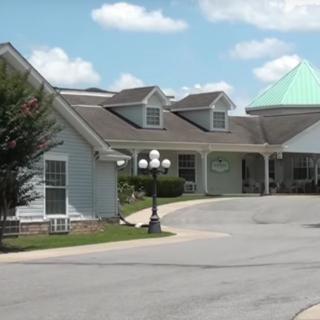
 Strong memory care program with extensive amenities and engaging activities.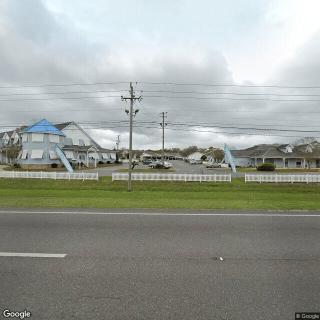


 Understanding Medicaid Coverage for Assisted Living: A Comprehensive Guide
 How and When Medicaid May Cover Assisted Living Costs
 A Detailed Exploration of Assisted Living Medicaid Waivers Across the United States