M.A.E. AFCH in Palm Coast, FL

Save
M.A.E. AFCH

M.A.E. AFCH in Palm Coast, FL

Information last verified:

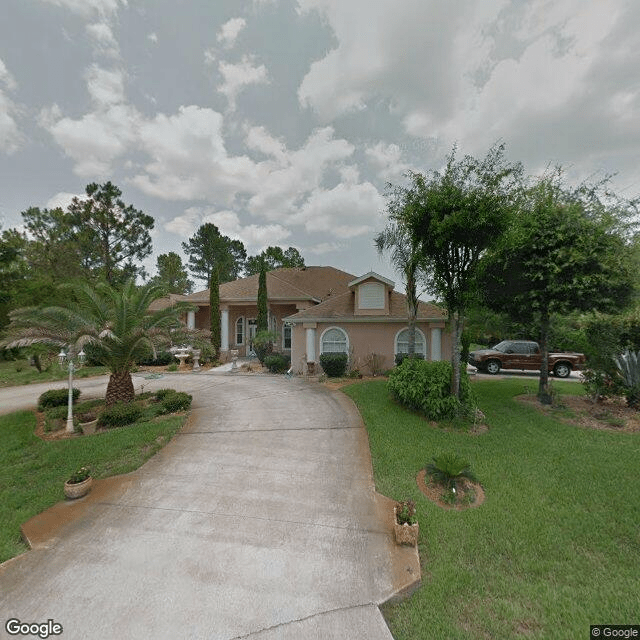
145 Whispering Pine Drive, Palm Coast, FL 32164

For more information about senior living options: (844) 490-3973

2.8 from 6 reviews
5 stars
2
4 stars
1
3 stars
0
2 stars
0
1 stars
3

M.A.E. AFCH Costs & Pricing

M.A.E. Adult Family Care Home (AFCH) offers competitive pricing for its services compared to both Flagler County and the broader state of Florida. In the semi-private room category, M.A.E. AFCH is priced at $1,800 per month, which reflects a significant savings when contrasted with Flagler County's average of $2,700 and Florida's statewide average of $3,009. For those seeking more privacy, the private room option at M.A.E. AFCH is available for $3,600 per month, slightly higher than Flagler County's rate of $3,034 yet still lower than the state average of $3,699. Overall, M.A.E. AFCH provides a cost-effective choice for families looking for quality adult care while ensuring residents enjoy comfortable living accommodations in a supportive environment.

Floor plansM.A.E. AFCHFlagler CountyFlorida
Semi-Private$1,800$2,700$3,009
Private$3,600$3,034$3,699

Overall Review of M.A.E. AFCH

Pros

  • pro Dr. Kretsch & his team are amazing; they are compassionate and extremely knowledgeable.
  • pro Dr. Kretsch takes the time to listen to patients’ concerns and questions, and does not treat them like numbers but like people who matter.
  • pro Patients are happy to have Dr. Kretsch as their doctor.

Cons

  • pro The reviewer found the practice unprofessional for weeks of leaving messages without a callback.
  • pro The scheduling team needs better coaching.
  • pro The practice is very hard to reach.
  • pro They were baffled to see a provider from Advent working there.
  • pro UF medical school in Gainesville was rated last among 50 medical colleges in the USA.

Review

This community in Palm Coast, FL is best suited for seniors who place a premium on a trusted, physician-led care relationship and are willing to tolerate some administrative friction. The standout asset is the medical care delivered by Dr. Kretsch and his team, described as compassionate, patient-centered, and deeply knowledgeable. Several reverberating themes in the feedback praise the clinician’s willingness to listen, take time with concerns, and treat patients as individuals rather than numbers. For families seeking continuity over quick scheduling wins, this practice can be a stabilizing medical anchor, especially for chronic or complex conditions that benefit from a long-running, trusted relationship with a single provider.

At the same time, this community is not for everyone. Those who demand flawless, consistently reliable scheduling and administrative responsiveness should look elsewhere. Several reviews flag persistent difficulty reaching the scheduling team, slow callback times, and a sense that appointment logistics can derail care planning. The perception of churn, providers coming and going, and even the surprise inclusion of outside clinicians, adds uncertainty and can erode confidence in the continuity that many seniors rely on. For families prioritizing administrative predictability and a stable, easily navigated intake process, alternatives will likely feel less frustrating.

The core pros center on medical quality and personal attention. When Dr. Kretsch or his team are involved, care quality is described as high, with clinicians who listen, address questions thoughtfully, and tailor care to the individual. The warmth and depth of knowledge are repeatedly highlighted, and the sentiment that patients are treated as real people who matter carries substantial weight for residents with ongoing health concerns. For families wrestling with chronic disease management, rehabilitation planning, or routine preventive care, this kind of clinician-led, relationship-rich approach is a meaningful differentiator that can translate into better day-to-day management.

Yet the main cons temper that appeal. Administrative friction, tough-to-reach schedulers, inconsistent callbacks, and confusion around staffing, can undermine the overall value proposition. The impression that new-patient access is uneven, exemplified by reports of waiting months for appointments, creates real risk in scenarios where timely evaluation or follow-up is essential. The sense that provider stability may drift, with outside clinicians filling roles, further complicates the decision for a family weighing continuity against the potential for smoother scheduling elsewhere.

Given these trade-offs, the doctor-led strength may offset the downsides for a subset of families, but not all. The decisive factor becomes whether the resident’s health needs justify wrestling with logistical headaches in exchange for superior medical rapport. If a family can rely on a designated contact who can navigate scheduling quirks, and if Dr. Kretsch’s ongoing care remains available and stable, the upside in patient outcomes and personal attention can be significant. However, without a clear plan to manage or mitigate administrative gaps, the friction risks diminishing the overall experience and, over time, potentially affecting adherence to care plans.

Practical next steps for families: verify the current roster and the status of Dr. Kretsch to ensure continuity, and ask for a dedicated care coordinator or point person who can shepherd scheduling and follow-ups. Inquire about back-up clinicians who will remain consistent if Dr. Kretsch is unavailable, and request a detailed explanation of how new-patient intake is handled and how long typical wait times actually are. Consider arranging a meet-and-greet or trial visit to assess whether the administrative flow can be managed effectively and whether the care team’s philosophy aligns with the resident’s expectations. If scheduling reliability and rapid access matter most, it is prudent to compare with options known for steadier administrative performance, even if their medical personalities differ.

In the end, this Palm Coast community stands out for serious-minded families who prize a physician-led, respectful care dynamic and can tolerate the occasional scheduling challenge. For those who require unfailing administrative efficiency or a perfectly stable staff roster, alternatives should be on the short list. The recommendation is to lean into the strength, the doctor-patient alliance, while actively establishing a concrete plan to navigate scheduling and staffing realities. If that plan is solid, this community can be a strong fit; if not, it’s wiser to explore other assisted-living-adjacent options with more predictable operational performance.

Features

Types of Care

  • Board and Care Home Board and Care HomeBoard and care homes provide a smaller, more intimate setting for seniors who require assistance with daily tasks but do not need the level of care offered by a nursing home. They offer personalized care, meals, and social activities in a homelike environment, ensuring that seniors receive individualized attention and support in their golden years.

Amenities

  • Activities off-site Activities off-siteEngaging in off-site activities is crucial for seniors to maintain social connections, stay active, and stimulate their minds. It promotes overall well-being and helps combat feelings of isolation and loneliness.
  • Activities on-site Activities on-siteActivities on-site are important for seniors because they provide opportunities for socialization, mental stimulation, physical activity, and overall well-being. Engaging in activities can help seniors stay active, maintain their independence, and improve their quality of life.
  • Bath tubs Bath tubsBath tubs are important for seniors because they provide a safe and relaxing way to bathe, helping to prevent slips and falls while promoting independence and overall well-being.
  • Beautician on-site Beautician on-siteHaving a beautician on-site at a senior living community is important for seniors as it allows them to easily access grooming and personal care services, boosting their self-esteem and overall well-being. It also provides convenience and helps seniors maintain their sense of independence and personal style.
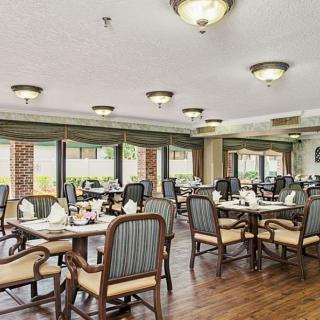
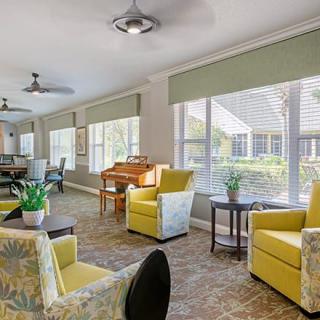
  • Indoor common areas Indoor common areasIndoor common areas are crucial for seniors as they provide a space for socialization, recreation, and community engagement, promoting overall well-being and reducing feelings of isolation and loneliness.
  • Outdoor common areas Outdoor common areasOutdoor common areas are important for seniors as they provide a space for socialization, physical activity, and relaxation. Being outside in nature can improve mood and overall well-being, while also encouraging movement and engagement with others. These spaces can help combat feelings of isolation and promote a sense of community among residents.
  • Private PrivatePrivacy is important for seniors as it allows them to maintain their independence, dignity, and sense of control over their own lives. It also gives them the space and freedom to relax, reflect, and engage in activities that bring them joy and fulfillment. Creating private spaces within senior living facilities is crucial for promoting overall well-being and quality of life.
  • Private bathrooms Private bathroomsPrivate bathrooms are important for seniors in senior living communities because they provide independence, dignity, and comfort. Having a private bathroom allows seniors to maintain their personal hygiene routines without the need for assistance, promoting a sense of autonomy and privacy. Additionally, private bathrooms help prevent the spread of infections and provide a safe and clean environment for seniors to navigate safely.
  • Respite or short term stays offered Respite or short term stays offeredRespite or short term stays provide seniors with a temporary solution when their regular caregiver is unavailable, offering them the opportunity to receive additional care and support during times of need, while also giving caregivers a chance to rest and recharge.
  • Swimming pool / hot tub Swimming pool / hot tubSwimming pools and hot tubs are important for seniors as they provide a safe and enjoyable way to stay active, improve mobility, reduce joint pain, and promote relaxation. Regular use of these amenities can contribute to overall well-being and quality of life for older adults living in senior communities.

Care Services

  • Diabetic care Diabetic careDiabetic care is crucial for seniors as they are more susceptible to developing diabetes due to aging and other health conditions. Proper management of diabetes can help prevent complications such as heart disease, vision loss, and nerve damage, improving the overall quality of life for seniors in senior living communities.
  • High acuity care High acuity careHigh acuity care is important for seniors because it provides specialized medical attention and support for individuals with complex medical needs. This level of care ensures that seniors receive the appropriate treatment and assistance to maintain their health and quality of life as they age.
  • Incontinence care Incontinence careIncontinence care is essential for seniors to maintain their dignity, hygiene, and overall quality of life. By addressing incontinence issues promptly and effectively, seniors can enjoy a sense of independence and comfort in their daily activities.
  • Medication management Medication managementMedication management is crucial for seniors to ensure they are taking the right medications at the correct dosages and times. This helps prevent adverse drug interactions, reduces the risk of medication errors, and promotes overall health and well-being. Proactive management also allows for adjustments as needed based on changing health conditions or new prescriptions.

Dining

  • Kosher KosherKosher options are important for seniors because they adhere to dietary laws that are significant to many Jewish individuals, providing them with peace of mind and an opportunity to maintain their cultural traditions and beliefs while living in a senior living community.
  • Meals provided Meals provided"Meals provided" are crucial for seniors in assisted living communities as it ensures they have access to nutritious, balanced meals without the stress of meal planning and preparation. This can help promote overall health and well-being for seniors who may have limited mobility or cognitive abilities.
  • Vegetarian VegetarianA vegetarian diet is important for seniors because it can help lower the risk of chronic diseases, maintain a healthy weight, and provide essential nutrients needed for aging bodies. Additionally, plant-based diets are often easier on digestive systems and can contribute to overall well-being in older adults.

Activities

  • Activities off-site Activities off-siteEngaging in off-site activities is crucial for seniors to maintain social connections, stay active, and stimulate their minds. It promotes overall well-being and helps combat feelings of isolation and loneliness.
  • Activities on-site Activities on-siteActivities on-site are important for seniors because they provide opportunities for socialization, mental stimulation, physical activity, and overall well-being. Engaging in activities can help seniors stay active, maintain their independence, and improve their quality of life.

Description

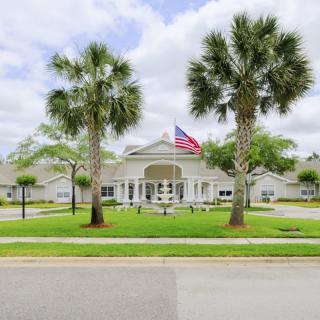
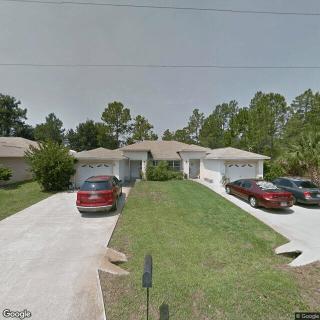
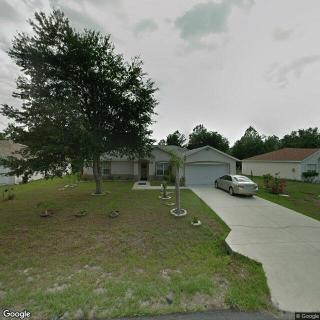
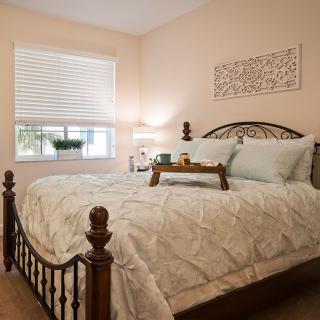
M.A.E. AFCH in Palm Coast, FL is an assisted living community that offers a wide range of amenities and care services to meet the needs of its residents. The community boasts various on-site activities to keep residents engaged and entertained, as well as indoor and outdoor common areas for socializing and relaxation. Private accommodations with private bathrooms are available for residents' comfort and privacy.

M.A.E. AFCH also provides respite or short term stays for individuals who require temporary care. For those who enjoy swimming or soaking in a hot tub, there is a swimming pool / hot tub available on the premises.

The community takes care of residents' well-being by offering high acuity care, medication management, and incontinence care services. Meals are provided for residents, including options for vegetarian diets.

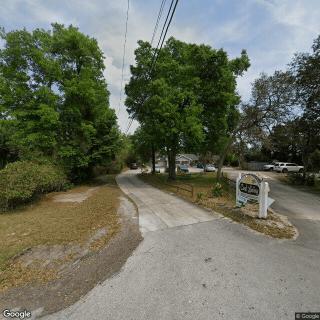
For convenience, M.A.E. AFCH is located close to various amenities such as cafes, parks, pharmacies, physicians' offices, restaurants, transportation options, places of worship, and hospitals.

Overall, M.A.E. AFCH in Palm Coast, FL is an inviting assisted living community that prioritizes its residents' comfort and care while ensuring convenient access to nearby amenities.

Nearby Places of Interest

This area of Palm Coast, Florida offers a variety of amenities that cater to seniors looking for convenience and comfort. There are several places of worship nearby for spiritual enrichment, as well as reputable physicians and healthcare facilities such as Borland-Groover Clinic and Flagler Hospital for medical care. Residents can enjoy outdoor activities at Belle Terre Park and have easy access to pharmacies like Epic Pharmacies and ONE Pharmacy for their medication needs. With a selection of restaurants like Dominic's Deli & Eatery and transportation services provided by Alliance Taxi & Shuttle Service, seniors can maintain an active lifestyle while enjoying the convenience of living in this peaceful neighborhood.

Places of Worship

  • Palm Coast Haitian-Mission Group (0.4 miles)
  • Palm Coast Bible Church (0.8 miles)
  • Journey At Palm Coast (0.9 miles)
  • Zion Baptist Church of Palm Coast (1.5 miles)
  • Temple Beth Shalom At Palm Coast (1.5 miles)
  • St Elizabeth Ann Seton Catholic Church (1.7 miles)
  • Chabad of Palm Coast (1.7 miles)

Physicians

  • Borland-Groover Clinic (0.5 miles)
  • Skin Dermatology and Cosmetic Services (1.8 miles)
  • Anastasia Medical Group Palm Coast (1.8 miles)
  • Cypress Point Oral Surgery and Dental Implants (1.9 miles)
  • Atlantic Hearing, Balance, & Tinnitus Center (1.9 miles)
  • Florida Hospital Flagler Prompt Care (2 miles)
  • San Augustin Eye Foundation - William J Oktavec MD (2 miles)

Parks

  • Belle Terre Park (1.1 miles)

Hospitals

  • Flagler Hospital (1.8 miles)
  • DocMJ (2.7 miles)

Pharmacies

  • Epic Pharmacies (1.9 miles)
  • ONE Pharmacy (1.9 miles)
  • Winn-Dixie (2 miles)
  • Palm Coast Pharmacy (2 miles)
  • CVS Pharmacy (2 miles)
  • Ratner Store Albertsons At Palm Coast (2.1 miles)
  • Walgreens (2.1 miles)

Restaurants

  • Dominic's Deli & Eatery (1.9 miles)
  • McDonald's (1.9 miles)
  • Mamaling Asian Street Food (1.9 miles)
  • Wendy's (1.9 miles)
  • Subway (2 miles)
  • Burrito Works Taco Shop (2.1 miles)
  • Steak 'n Shake (2.1 miles)

Transportation

  • Alliance Taxi & Shuttle Service (2.1 miles)

Cafes

  • Delicias of Portugal Bakery (2.7 miles)
  • Metro Diner (2.8 miles)
  • Starbucks (2.9 miles)

Frequently Asked Questions

How much does it cost to live at M.A.E. AFCH in Palm Coast, FL?
Where is M.A.E. AFCH?

Nearby Communities

  • Lexelle Assisted Living Facility Inc. II

    Lexelle Assisted Living Facility Inc. II

    Palm Coast, FL


    pro Convenient location with nearby healthcare, dining, parks, and places of worship; intimate board-and-care setting.

  • M H Tender Care I

    M H Tender Care I

    Palm Coast, FL

    3 from 1 review
    $2,000 to $2,400 / month

    pro Affordable multi-type care (AL, memory, respite) in a small, intimate setting.

  • S & B Kingdom Care

    S & B Kingdom Care

    Palm Coast, FL

    4.9 from 15 reviews
    $3,000 to $3,500 / month

    pro Intimate setting enables personalized, attentive care with strong family communication.

  • Cindy's Care Home

    Cindy's Care Home

    Palm Coast, FL

    3 from 6 reviews
    $1,500 to $1,800 / month

    pro Clean, welcoming facility with caring staff

  • Loving Angels Assisted Living

    Loving Angels Assisted Living

    Palm Coast, FL


    pro Intimate, small-community setting for personalized care.

  • Golden House Senior Living

    Golden House Senior Living

    Palm Coast, FL

    2.3 from 6 reviews
    $2,500 to $3,500 / month

    pro Attentive caregivers and a clean, well-maintained environment.

  • Sancerre at Palm Coast

    Sancerre at Palm Coast

    Palm Coast, FL

    4.4 from 61 reviews
    $4,420 to $7,145 / month

    pro Immaculately maintained, modern facility with diverse on-site amenities and responsive staff.

  • Brookdale Palm Coast

    Brookdale Palm Coast

    Palm Coast, FL

    4.5 from 72 reviews
    $3,660 to $4,160 / month

    pro Friendly staff in a clean, welcoming environment with good dining.

  • The Windsor of Palm Coast

    The Windsor of Palm Coast

    Palm Coast, FL

    4.5 from 146 reviews
    $4,335 to $7,440 / month

    pro Inviting, well-maintained apartments with friendly staff and engaging activities.

Related Resources

  • what does the sandwich generation meanUnderstanding the Sandwich Generation: Stress and Responsibilities for Multigenerational Caregivers
    The Sandwich Generation comprises adults managing the dual responsibilities of caring for aging parents and raising children, leading to significant emotional, logistical, and financial challenges. This situation is exacerbated by longer life expectancies and cultural expectations, necessitating effective coping strategies and support resources to alleviate caregiver stress and burnout.

  • assistive devices for elderly8 Essential Assistive Devices for Older Adults
    The article highlights eight essential assistive devices that improve the independence and safety of older adults, addressing issues related to mobility, balance, vision, hearing, and dexterity. It emphasizes the importance of proper selection guided by healthcare professionals to enhance seniors' quality of life while allowing them to age in place.

  • how to pay for nursing homeNavigating the Financial Road to Nursing Home Care: In-Depth Guidance and Resources

    The article offers detailed guidance on the financial complexities of nursing home care, covering costs, payment methods, and alternative funding strategies while emphasizing the importance of proactive planning and legal considerations for individuals and families making care decisions.