For more information about senior living options: (866) 208-4318
4.8 from 25 reviews
5 stars
24
4 stars
0
3 stars
0
2 stars
0
1 stars
1
Ionie's Assisted Living II Costs & Pricing
Ionie's Assisted Living II offers competitive pricing for its services, especially when compared to the broader market trends in Orange County and Florida. For a private room, residents can expect to pay $1,900 per month, significantly lower than the county average of $3,441 and the state average of $3,699. Similarly, the semi-private room rate at Ionie's is set at $2,400 per month, which also undercuts both the county ($3,041) and state ($3,009) averages. This pricing structure positions Ionie's Assisted Living II as an attractive option for families seeking quality care without the financial strain often associated with assisted living facilities in more expensive regions.
Floor plans
Ionie's Assisted Living II
Orange County
Florida
Private
$1,900
$3,441
$3,699
Semi-Private
$2,400
$3,041
$3,009
Memory care communities with a similar price nearby
Residents and families describe a supportive, attentive care team.
Many reviewers say the caregivers and owner are consistently helpful, supportive, and respectful, with residents treated with dignity. Several families also mention day-to-day responsiveness, including updates and quick answers to questions. One reviewer is sharply critical of staff interactions, but most comments focus on care being attentive to individual needs.
common12 reviews mention this
Cleanliness stands out in reviews
Multiple reviews emphasize the facility stays clean and orderly.
A significant number of reviewers describe the home as neat, clean, and orderly, including comments that it is spotless. Even among critical feedback, cleanliness is acknowledged, despite other concerns. Overall, cleanliness appears as one of the more consistent themes across experiences.
caveat3 reviews mention this
Dining quality is mixed
Dining reviews are split between praise and strong complaints.
Some reviewers mention home-cooked meals or say they have no complaints about food quality. Others are strongly negative, describing poor-quality meals and even malnutrition concerns. The community does provide meals and supports special diets, which aligns with the idea that nutrition can be a key part of residentsā€™ experiences.
How we summarize
Counts show how many written reviews mention each theme; a review can touch several themes, and only frequently mentioned themes are displayed.
Features
Housing
6 resident community capacity
Types of Care
Assisted Living
Board and Care Home
Day Program
Memory Care
Respite Care
Amenities
Activities off-site
Activities on-site
Bath tubs
Cable or satellite TV
Devotional services off-site
Dining room
Fully furnished
Garden
Housekeeping services
Indoor common areas
Move-in coordination
Outdoor common areas
Outdoor space
Private
Private bathrooms
Respite or short term stays offered
Telephone
Wheelchair accessible showers
Wi-Fi/high-speed internet available
Transportation
Orlando International (15 miles away)
Care Services
24-hour supervision
Activities of daily living assistance
Ambulatory care
Assistance with bathing
Assistance with dressing
Assistance with transfers
Coordination with health care providers
Diabetes diet
Diabetic care
High acuity care
Incontinence care
Meal preparation and service
Medication management
Special dietary restrictions
Transportation arrangement (medical)
Transportation to doctors appointments
Dining
Diabetes diet
Kosher
Meals provided
Special dietary restrictions
Vegetarian
Activities
Activities off-site
Activities on-site
Community-sponsored activities
Devotional activities offsite
Scheduled daily activities
Nearby Places of Interest
This part of Orlando, Florida is a bustling and convenient area with a variety of amenities nearby. There are several pharmacies within a few miles, making it easy to access medication and healthcare services. Places of worship such as Oak Level Baptist Church and Orlando Filipino Seventh-Day Adventist Church offer opportunities for spiritual growth and community involvement. For medical needs, there are reputable physicians' offices like Orlando Health - Cancer Institute and Florida Hospital Medical Plaza within a short drive. In the event of emergencies, hospitals like Health Central Hospital ER and AdventHealth Apopka are easily accessible. Additionally, there are plenty of dining options ranging from fast food chains like Chick-Fil-A to cafes like Starbucks for social outings. The area also offers recreational opportunities with parks like Lake Eola Park nearby. Overall, this vibrant neighborhood provides convenience and essential services for seniors looking to settle in a well-rounded community in Orlando.
Pharmacies
Walgreens (0.8 miles)
Walgreens (1.9 miles)
Walgreens (2.4 miles)
Walgreens (2.9 miles)
CVS Pharmacy (3.3 miles)
Walgreens (4.3 miles)
CVS Pharmacy (4.3 miles)
Places of Worship
Oak Level Baptist Church (3.4 miles)
Orlando Filipino Seventh-Day Adventist Church (5.2 miles)
Ionie's Assisted Living II offers competitive pricing for its services, especially when compared to the broader market trends in Orange County and Florida. For a private room, residents can expect to pay $1,900 per month, significantly lower than the county average of $3,441 and the state average of $3,699. Similarly, the semi-private room rate at Ionie's is set at $2,400 per month, which also undercuts both the county ($3,041) and state ($3,009) averages. This pricing structure positions Ionie's Assisted Living II as an attractive option for families seeking quality care without the financial strain often associated with assisted living facilities in more expensive regions.
Ionie's Assisted Living II offers a comprehensive suite of features designed to support residents with dementia or Alzheimer's disease, ensuring their safety and comfort while promoting independence. Assistance with dressing, bathing, and transfers helps residents maintain dignity and hygiene, which can significantly enhance their self-esteem. Medication management ensures adherence to prescribed regimens, reducing the risk of health complications. Meal preparation and service cater to nutritional needs, making dining a pleasurable experience rather than a challenge. Transportation arrangements for medical appointments alleviate stress for both residents and families while ensuring continuity of care through coordination with healthcare providers. Additionally, 24-hour supervision provides peace of mind regarding safety, while activities of daily living assistance addresses essential needs that may become overwhelming due to cognitive decline. Incontinence care further supports personal comfort and hygiene, contributing to an overall supportive environment tailored to the unique challenges faced by individuals with memory impairments.
Nearby Communities
Centy's Assisted Living Facility
Orlando, FL
Comprehensive care with engaging activities and pleasant surroundings.
Silver Star Village
Orlando, FL
3.8 from 108 reviews
Friendly neighbors and improved administration.
All Seniors Assisted Living
Orlando, FL
4.9 from 28 reviews
Staff provide dignified and respectful care.
Prestige Care Assisted Living
Orlando, FL
4.9 from 50 reviews
Convenient access to dining, healthcare, worship, and hospitals nearby.
Almark Health Services 3
Orlando, FL
4.9 from 47 reviews
Comprehensive care with meals, housekeeping, medication management, transport, and daily activities.
Blessed Heart Happy Home
Orlando, FL
$1,400 to $3,050 / month
Affordably priced memory care (semi-private and studio options) with convenient access to pharmacies, doctors, dining, worship, and hospitals.
Beggs Pointe Assisted Living
Orlando, FL
4.4 from 5 reviews
$2,400 to $3,200 / month
Competitive pricing for the area with extensive on-site amenities and activities.
Courtyards Of Orlando Care Center
Orlando, FL
4 from 73 reviews
Friendly, caring staff with engaging activities
Solaris Healthcare Windermere
Orlando, FL
3.8 from 84 reviews
Clean, well-maintained facility with attentive staff and strong leadership.
Reminiscence therapy helps individuals with dementia recall past memories through structured discussions and meaningful objects, enhancing mood, relationships, and sense of identity while celebrating their lives. It can be practiced in formal settings or at home, requiring sensitivity to personal histories and cultural backgrounds.
Reminiscence therapy is a structured method for older adults, especially those with dementia, to share life stories using prompts and sensory cues, fostering emotional well-being, social engagement, and self-identity. It aims to improve quality of life by enhancing interpersonal connections and cognitive stimulation while requiring careful facilitation to avoid distressing memories.
Dementia, particularly Lewy body dementia, often involves hallucinations that can significantly distress both patients and caregivers due to disruptions in sensory processing and neurotransmitter imbalances. Effective management includes compassionate communication, environmental adjustments, and a multidisciplinary approach to care while addressing the emotional needs of caregivers.
Get PricingAsk A QuestionSchedule A TourContact Senior Advisor
By clicking submit, you agree to our Partner's Terms of Use. You
also consent to receive calls and texts, which may be autodialed, from our Partner. Your consent is not a condition to
using our Partner's service. Please visit our Partner's Privacy Policy for information about their privacy practices.

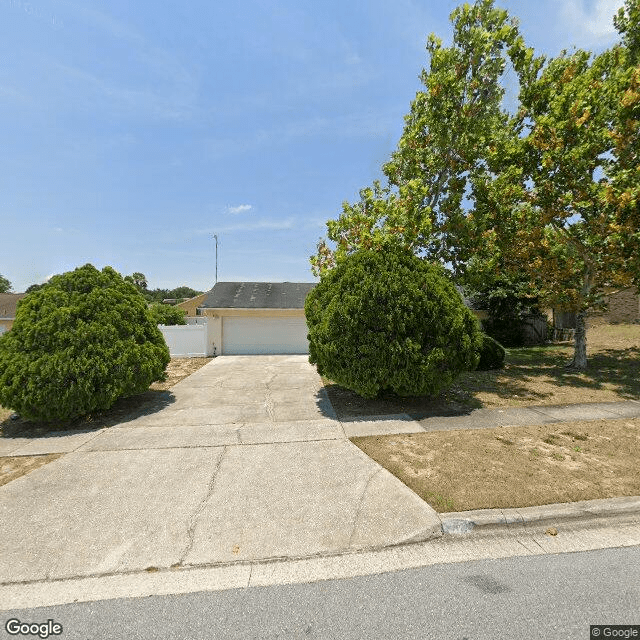
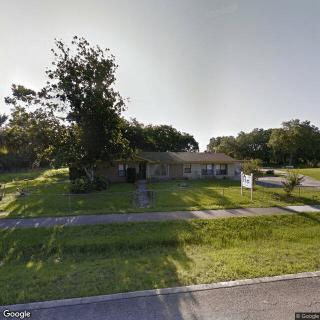
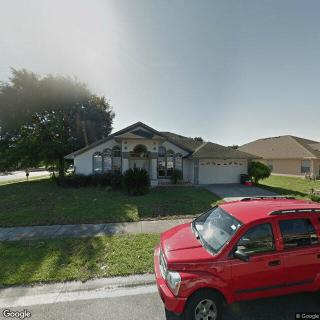
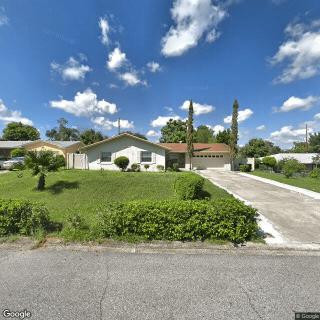
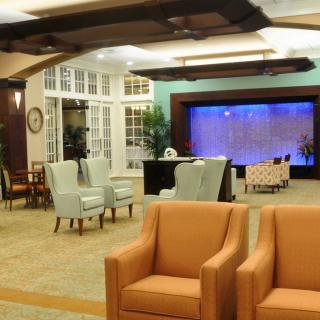
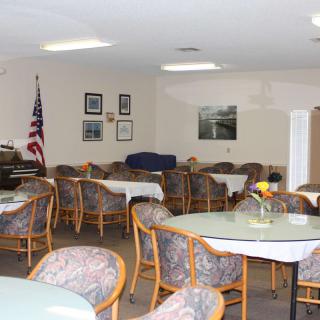
 6 resident community capacity
 Assisted Living
 Board and Care Home
 Day Program
 Memory Care
 Respite Care
 Bath tubs
 Cable or satellite TV
 Devotional services off-site
 Dining room
 Fully furnished
 Garden
 Housekeeping services
 Indoor common areas
 Move-in coordination
 Outdoor common areas
 Private
 Private bathrooms
 Telephone
 Wheelchair accessible showers
 Wi-Fi/high-speed internet available
 Orlando International (15 miles away)
 24-hour supervision
 Ambulatory care
 Assistance with bathing
 Assistance with dressing
 Assistance with transfers
 Diabetes diet
 Diabetic care
 High acuity care
 Incontinence care
 Meal preparation and service
 Medication management
 Special dietary restrictions
 Transportation arrangement (medical)
 Transportation to doctors appointments
 Comprehensive care with engaging activities and pleasant surroundings.
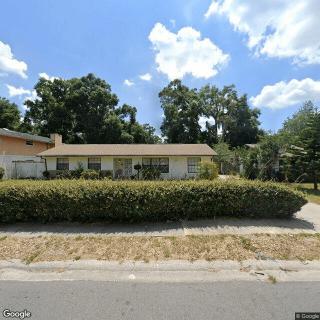
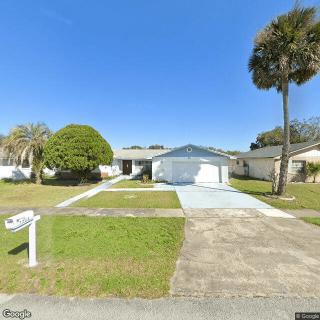

 Exploring the Power of Reminiscence Therapy for Individuals With Dementia
 An In-Depth Look at Reminiscence Therapy in Dementia Care
 Dementia-Related Hallucinations: Causes, Experiences, and Practical Approaches