Green Tree Assisted Living presents a competitive pricing structure for its services compared to both Orange County and the broader state of Florida. For those seeking a semi-private room, Green Tree offers a monthly rate of $2,500, significantly lower than the Orange County average of $3,041 and also more affordable than the statewide figure of $3,009. For residents preferring a studio apartment, the cost at Green Tree is set at $4,500, which remains slightly above Orange County's average of $4,288 but notably higher than Florida's statewide average of $3,823. Overall, Green Tree Assisted Living stands out by providing cost-effective options in the semi-private category while maintaining reasonable rates in comparison to regional trends for studio accommodations.
Floor plans
Green Tree Assisted Living
Orange County
Florida
Semi-Private
$2,500
$3,041
$3,009
Studio
$4,500
$4,288
$3,823
Overall Review of Green Tree Assisted Living
differentiator2 reviews mention this
Pricing feels unusually affordable
Residents’ families describe the pricing as unusually affordable for the care they receive.
A couple of reviewers highlight affordability, saying they were able to find a decent option within their target budget. This lines up with the community’s pricing position, which runs well below county and state benchmarks across unit types.
common16 reviews mention this
Cleanliness stands out to visitors
Many reviewers specifically call out the facility’s cleanliness and lack of odors.
Clean conditions come up repeatedly, with multiple reviewers describing a spotless building, clean rooms, and no foul smell during visits. Reviewers also mention residents looking well-groomed. A smaller number of reviews go the other direction, including complaints about bad odors and one memory-care visit describing filthy clothing.
caveat6 reviews mention this
Food praise vs. harsh criticism
Food is one of the most split topics, with reports ranging from “good” to “terrible.”
Some reviewers say the food is good, nutritious, and even something they asked about during tours. Others report the meals are horrible and blame food on weight loss. Several of these comments directly connect dining quality to overall satisfaction or dissatisfaction.
common23 reviews mention this
Staff kindness is widely mentioned
Residents and families frequently describe the staff as kind, friendly, and attentive.
Across the reviews, many people say the staff is welcoming and caring, and that nurses and caregivers are responsive when families have questions. Several reviewers frame the experience as respectful, professional, and supportive for both residents and visitors. A minority of negative reviews disagree, including claims of residents being ignored or not receiving adequate attention.
common3 reviews mention this
Activities are available, but involvement varies
Reviewers describe a range of activities, including arts-focused options.
Some residents and visitors mention art and crafts and describe meaningful activities while living there. One reviewer notes activities are offered but that their loved one may not get involved. This matches the community’s focus on scheduled activities and on-site programming.
caveat6 reviews mention this
Safety and memory care get mixed reviews
Safety experiences vary, with both reassurance and concerns about supervision and falls.
Several families say they feel confident about safety and describe their loved ones as taken care of, including after storms. At the same time, multiple critical reviews—especially related to dementia/memory care—raise concerns about supervision, residents being ignored, and a higher risk of falls. One negative memory-care account also describes serious issues observed during a visit.
How we summarize
Counts show how many written reviews mention each theme; a review can touch several themes, and only frequently mentioned themes are displayed.
Features
Housing
76 resident community capacity
Types of Care
Assisted Living
Memory Care
Amenities
Activities off-site
Activities on-site
Air-conditioning
Beauty salon
Cable or satellite TV
Computer center
Devotional services off-site
Dining room
Fitness room
Fully furnished
Gaming room
Garden
General store
Ground floor units
Guasts at mealtime
Guest parking
Housekeeping services
Indoor common areas
Kitchenette
Laundry
Move-in coordination
Outdoor common areas
Outdoor space
Overnight guests
Party space
Private bathrooms
Resident parking
Respite or short term stays offered
Restaurant-style dining
Security gate
Small library
TV room
Telephone
VA Benefits Consultation
Wellness center
Wheelchair accessible showers
Wi-Fi/high-speed internet available
Transportation
Orlando International (15 miles away)
Community operated transportation
Transportation & parking
Transportation arrangement
Care Services
24-hour call system
24-hour supervision
Activities of daily living assistance
Ambulatory care
Assistance with bathing
Assistance with dressing
Assistance with transfers
Diabetes diet
Incontinence care
Meal preparation and service
Medication management
Physical therapy
Special dietary restrictions
Dining
Diabetes diet
Meals provided
Room service
Special dietary restrictions
Vegetarian
Activities
Activities off-site
Activities on-site
Art classes
Arts and crafts
BBQs or picnics
Birthday parties
Community-sponsored activities
Concierge services
Devotional activities offsite
Educational speakers / life long learning
Fitness programs
Gardening club
Happy hour
Holiday parties
Karaoke
Live musical performances
Planned day trips
Religious services
Resident-run activities
Scheduled daily activities
Stretching classes
Trivia games
Yoga / chair yoga
Languages Spoken
English
Nearby Places of Interest
This part of Orlando, Florida, is a diverse and convenient area with a range of amenities suitable for senior living. With several hospitals and medical facilities nearby, residents have access to quality healthcare services. Additionally, there are numerous physicians' offices in the vicinity, providing easy access to primary care and specialized medical treatments. The area offers a variety of dining options including traditional American fare at Chick-Fil-A and Miller's Ale House, as well as international cuisine at An Tobar and Kiwi's Pub & Grill. Residents can also enjoy coffee at various Starbucks locations or relax at The Glass Knife cafe. For recreation, there are parks such as Cranes Roost Park and Lake Eola Park within a short distance. With public transportation options like the Lynx Central Station and Altamonte Springs SunRail Station nearby, getting around the area is convenient. Overall, this neighborhood provides a comfortable and well-connected environment for seniors looking to settle in Orlando.
Hospitals
Adventist Health System (0.7 miles)
Florida Hospital Altamonte (3.6 miles)
FH Engineering Services (4.6 miles)
Florida Hospital (4.7 miles)
Florida Hospital Womens Center (4.7 miles)
Florida Hospital- South Campus (4.7 miles)
Florida Hospital Ginsburg Tower (4.8 miles)
Physicians
RDV Sportsplex Pediatrics (0.9 miles)
Central Florida Endocrine (2.9 miles)
Orlando Heart Specialists (3 miles)
Cabrera, Alicia Neurology of Central Florida (3.1 miles)
Florida Eye Clinic (3.3 miles)
Altamonte Family Practice (3.6 miles)
Hunt Club Pediatrics (3.6 miles)
Restaurants
An Tobar (1.4 miles)
Kiwi's Pub & Grill (2.4 miles)
Chick-Fil-A (2.5 miles)
McDonald's (2.5 miles)
Twin Peaks (2.5 miles)
Kappy's (3.1 miles)
Miller's Ale House - Altamonte Springs (3.3 miles)
Pharmacies
CVS Pharmacy (1.9 miles)
CVS Pharmacy (2 miles)
Winn-Dixie (2.5 miles)
CVS Pharmacy (2.5 miles)
Walgreens (3.1 miles)
Walgreens (3.3 miles)
CVS Pharmacy (3.5 miles)
Places of Worship
Orlando Filipino Seventh-Day Adventist Church (2.5 miles)
Green Tree Assisted Living presents a competitive pricing structure for its services compared to both Orange County and the broader state of Florida. For those seeking a semi-private room, Green Tree offers a monthly rate of $2,500, significantly lower than the Orange County average of $3,041 and also more affordable than the statewide figure of $3,009. For residents preferring a studio apartment, the cost at Green Tree is set at $4,500, which remains slightly above Orange County's average of $4,288 but notably higher than Florida's statewide average of $3,823. Overall, Green Tree Assisted Living stands out by providing cost-effective options in the semi-private category while maintaining reasonable rates in comparison to regional trends for studio accommodations.
The features offered at Green Tree Assisted Living are meticulously designed to create a supportive environment for residents facing the challenges of dementia or Alzheimer's disease. The 24-hour supervision ensures constant monitoring, promoting safety and providing peace of mind for both residents and their families. Assistance with activities of daily living, including bathing and dressing, helps maintain personal hygiene and dignity, which can be particularly important for those experiencing cognitive decline. The support during transfers minimizes the risk of falls, further enhancing safety. Incontinence care is handled with sensitivity and respect, allowing residents to feel comfortable in their surroundings. Meal preparation and service ensure that residents receive nutritious meals tailored to their dietary needs, while medication management effectively prevents errors that could exacerbate health issues. Additionally, physical therapy encourages mobility and strengthens physical capabilities, helping to improve overall well-being and quality of life for individuals in varying stages of memory impairment.
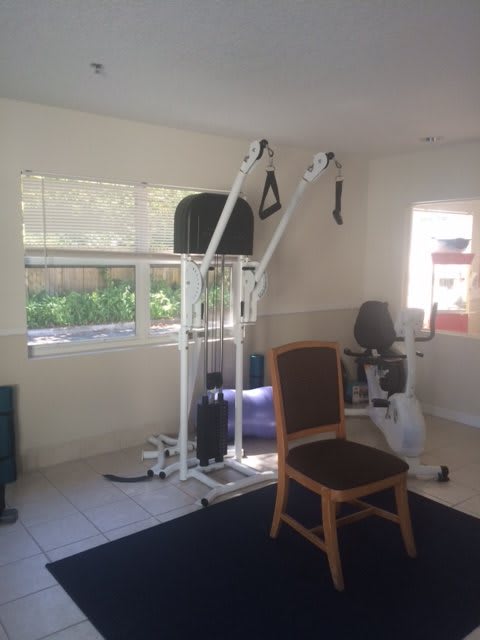
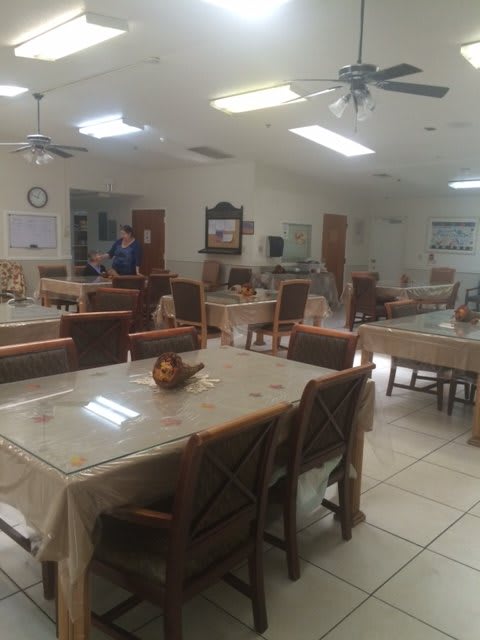
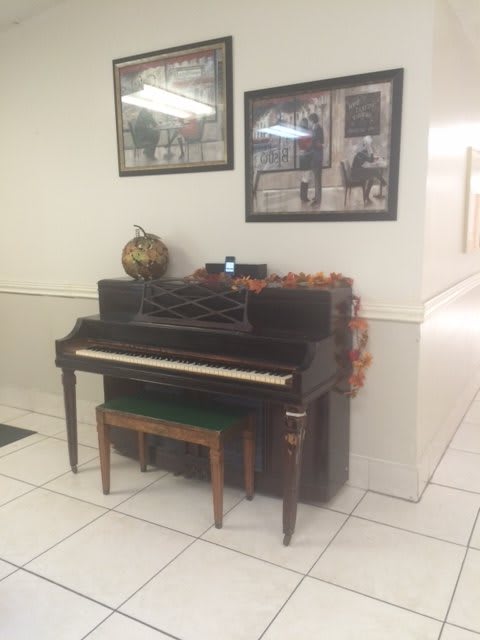
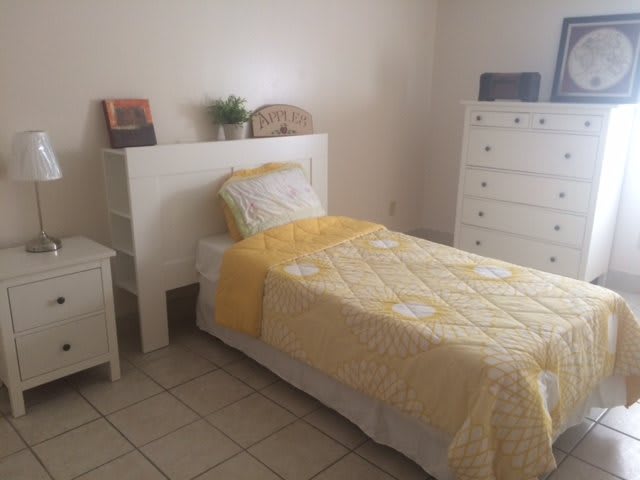
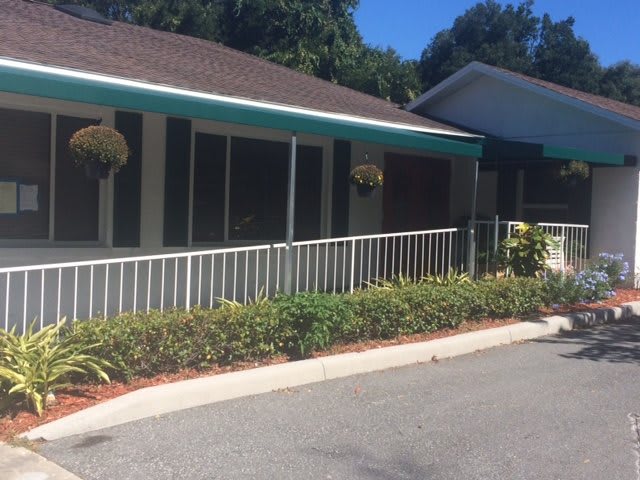
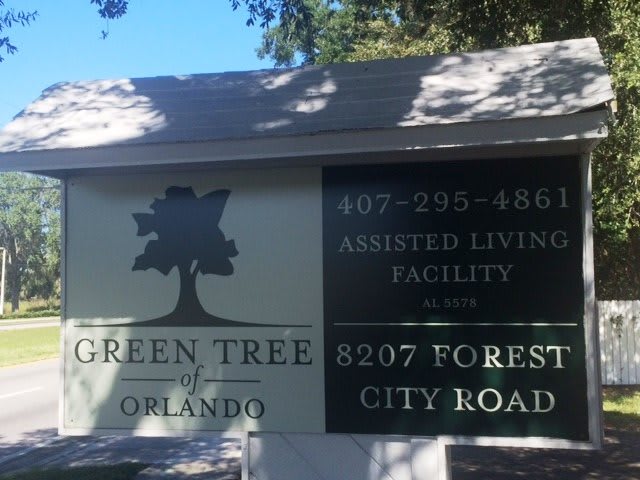
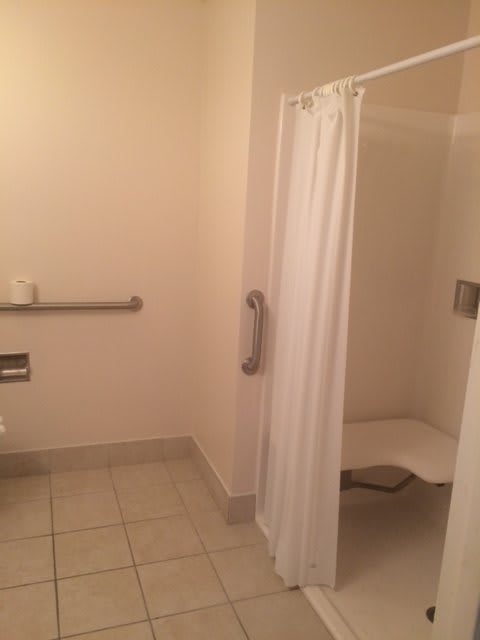
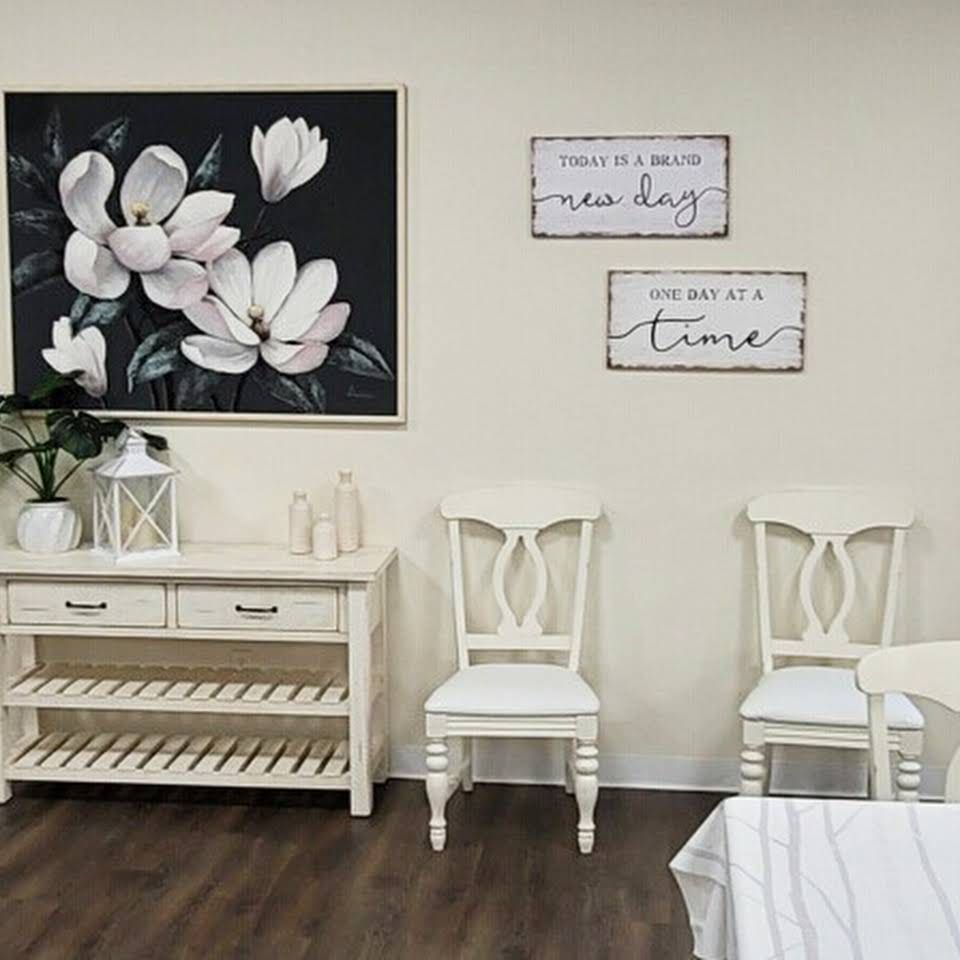
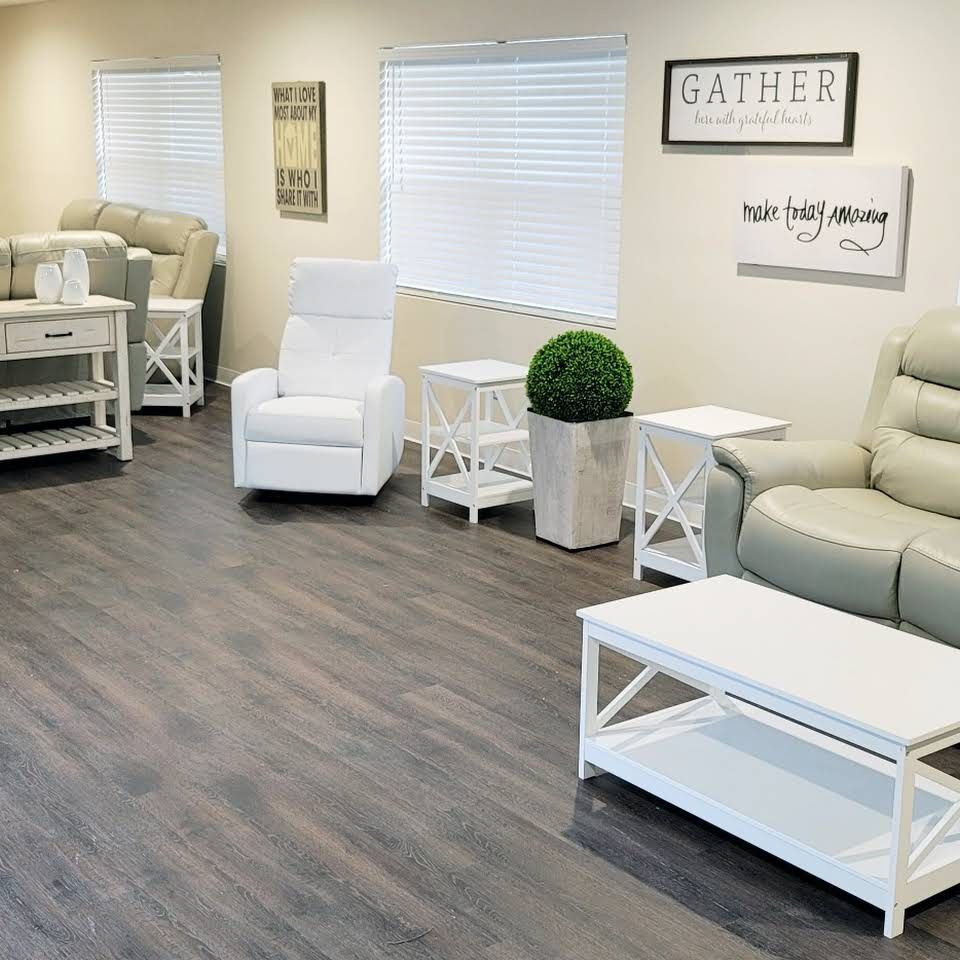
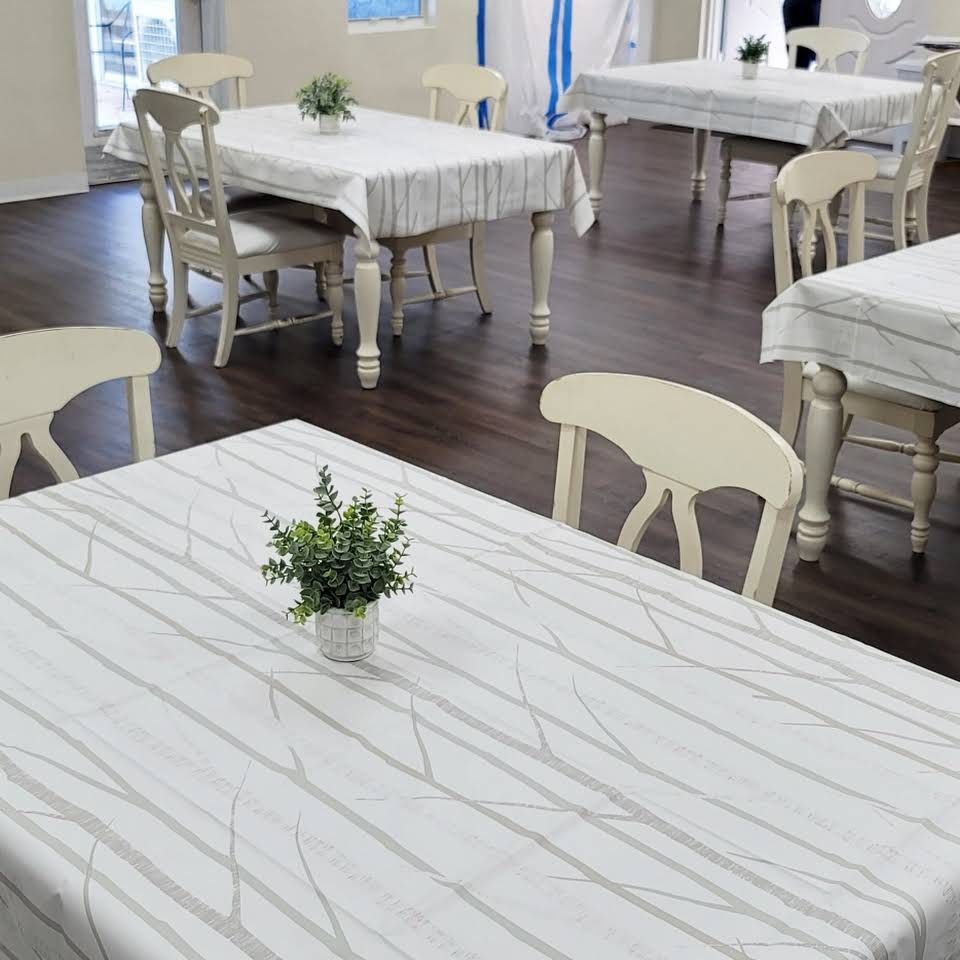
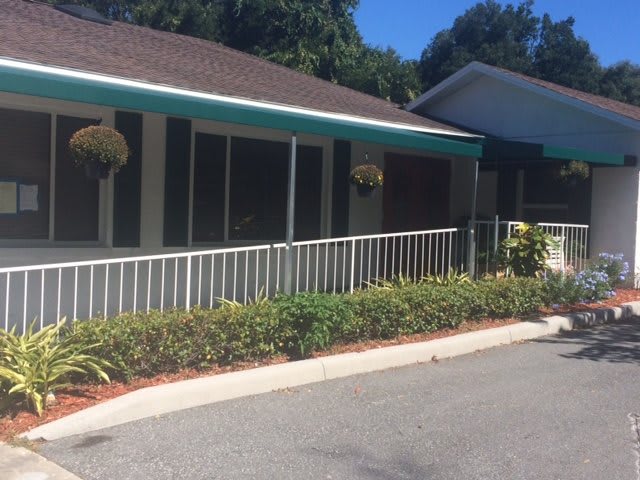
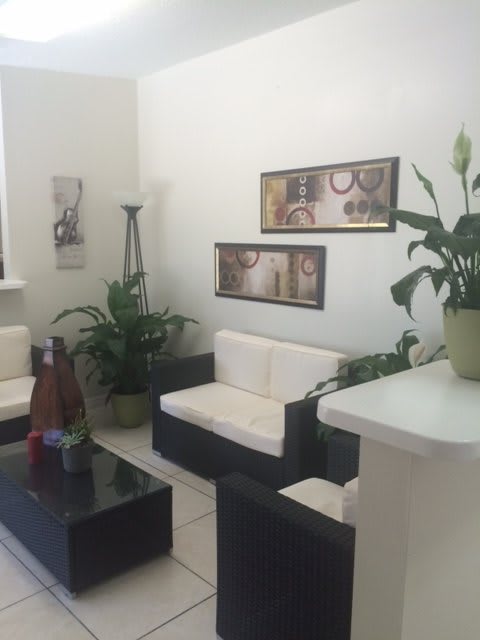
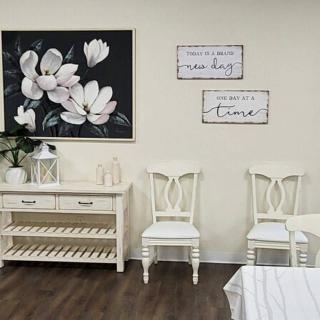
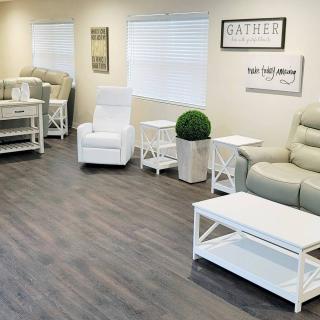
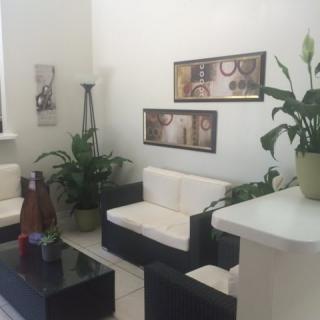
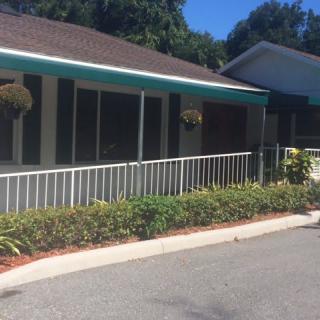
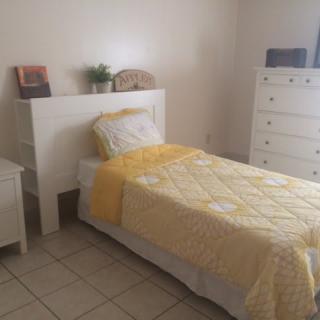
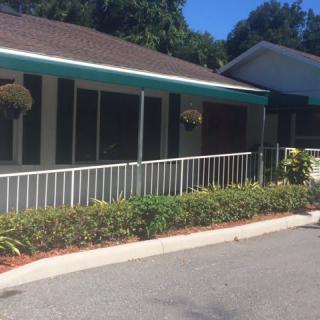
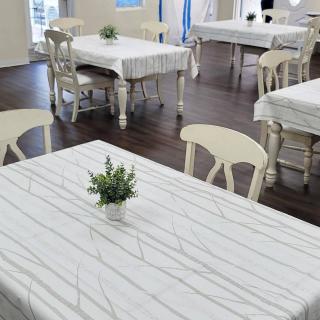
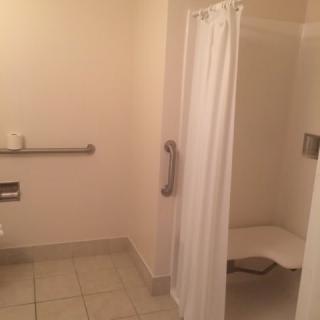
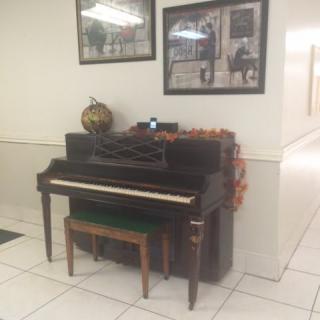
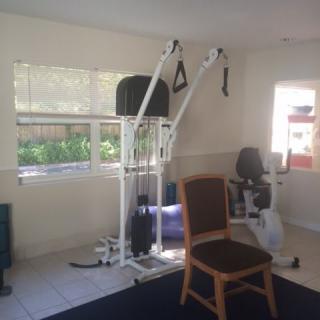
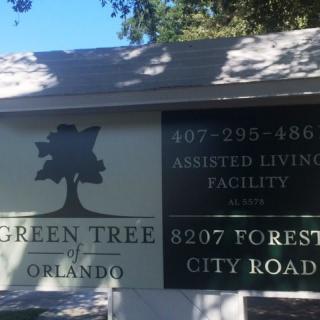
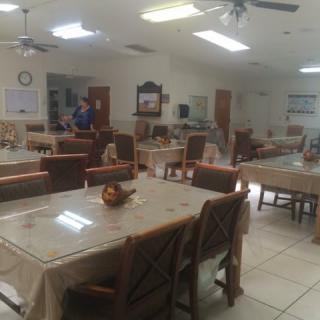
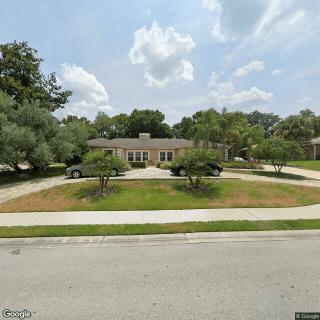
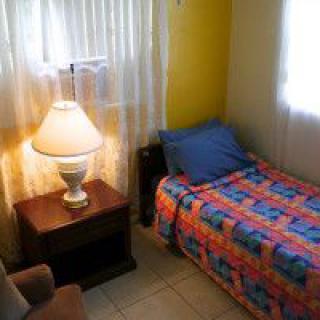
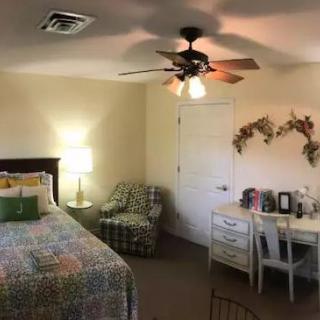
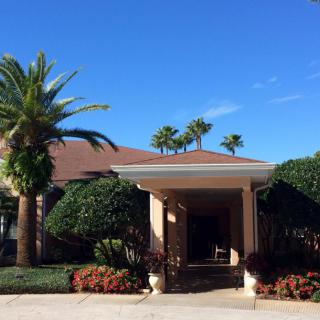
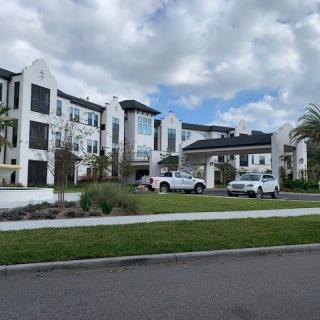
Green Tree Assisted Living on seniors.fyi includes 14 photos including images showing interior, decor, landscaping, trees, building, bedroom, exercise equipment, dining, and more.
Nearby Communities
Alternative Home Care
Orlando, FL
5 from 4 reviews
Convenient access to nearby pharmacies, physicians, hospitals, restaurants, theaters and parks.
Favored Homemaker Companion Services
Orlando, FL
5 from 3 reviews
Convenient access to restaurants, pharmacies, parks, theaters, and hospitals.
Bridgeport Senior Living - Port Cardiff
Altamonte Springs, FL
$4,700 to $5,100 / month
Memory-care focused with private rooms, on-site activities, and care services.
Bridgeport Senior Living - Port Margate LLC
Altamonte Springs, FL
Specialized diabetic care with on-site activities and meals; convenient location near shops and services.
Bridgeport Senior Living Port Margate
Altamonte Springs, FL
Small, personalized board-and-care with 24/7 supervision, ADL assistance, and diabetes-friendly dining.
Aasbury Manor Alf
Orlando, FL
4.4 from 11 reviews
$1,600 to $2,500 / month
Small, intimate setting with reportedly 24/7 access to the director.
Ambiance at Maitland
Maitland, FL
4.1 from 76 reviews
$3,550 to $4,500 / month
Friendly staff and clean, comfortable environment.
Savannah Court Of Maitland
Maitland, FL
4.4 from 80 reviews
$2,795 to $4,595 / month
The Grove at Trelago
Maitland, FL
4.7 from 43 reviews
$4,800 to $6,400 / month
Caring staff, engaging activities, and a well-kept, resort-style environment.
At-home dementia care expenses vary widely based on care levels, location, and caregiver expertise, with monthly costs for home health aides exceeding $4,500 and specialized care potentially surpassing $100,000 annually. While families favor in-home care for its comfort and personalized attention, they must consider financial planning and the challenges of caregiver fatigue.
The article discusses the late stages of dementia, detailing the progression from mild to severe impairment and highlighting key characteristics such as profound cognitive decline and dependency in daily activities. It emphasizes care strategies focused on comfort and dignity, the importance of advance directives, and the emotional support needed for family caregivers facing this challenging journey.
The article examines the link between certain medications and increased dementia risk, particularly in older adults, emphasizing that long-term or high-dose use of anticholinergics, benzodiazepines, and other drug classes can exacerbate cognitive impairment. It calls for careful medication evaluation and shared decision-making to mitigate these risks while managing treatment efficacy.
Get PricingAsk A QuestionSchedule A TourContact Senior Advisor
By clicking submit, you agree to our Partner's Terms of Use. You
also consent to receive calls and texts, which may be autodialed, from our Partner. Your consent is not a condition to
using our Partner's service. Please visit our Partner's Privacy Policy for information about their privacy practices.

 76 resident community capacity
 Assisted Living
 Memory Care
 Activities off-site
 Air-conditioning
 Beauty salon
 Cable or satellite TV
 Computer center
 Devotional services off-site
 Dining room
 Fitness room
 Fully furnished
 Gaming room
 Garden
 General store
 Ground floor units
 Guest parking
 Housekeeping services
 Indoor common areas
 Kitchenette
 Laundry
 Move-in coordination
 Outdoor common areas
 Overnight guests
 Party space
 Private bathrooms
 Respite or short term stays offered
 Restaurant-style dining
 Security gate
 Small library
 Telephone
 VA Benefits Consultation
 Wellness center
 Wheelchair accessible showers
 Wi-Fi/high-speed internet available
 Orlando International (15 miles away)
 Community operated transportation
 24-hour call system
 Ambulatory care
 Assistance with bathing
 Assistance with dressing
 Assistance with transfers
 Diabetes diet
 Incontinence care
 Medication management
 Physical therapy
 Special dietary restrictions
 Art classes
 BBQs or picnics
 Concierge services
 Educational speakers / life long learning
 Happy hour
 Karaoke
 Live musical performances
 Planned day trips
 Trivia games
 English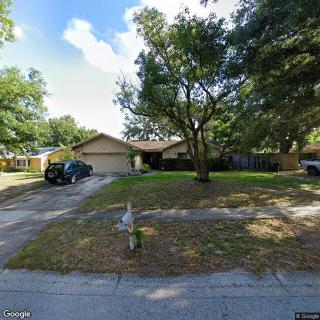
 Convenient access to nearby pharmacies, physicians, hospitals, restaurants, theaters and parks.

 Estimating the Expenses of At-Home Dementia Care: A Detailed Exploration
 Comprehensive Insights on the Late Stages of Dementia: What to Expect and How to Provide Care
 Medications Associated with Dementia Risk: A Comprehensive Overview