
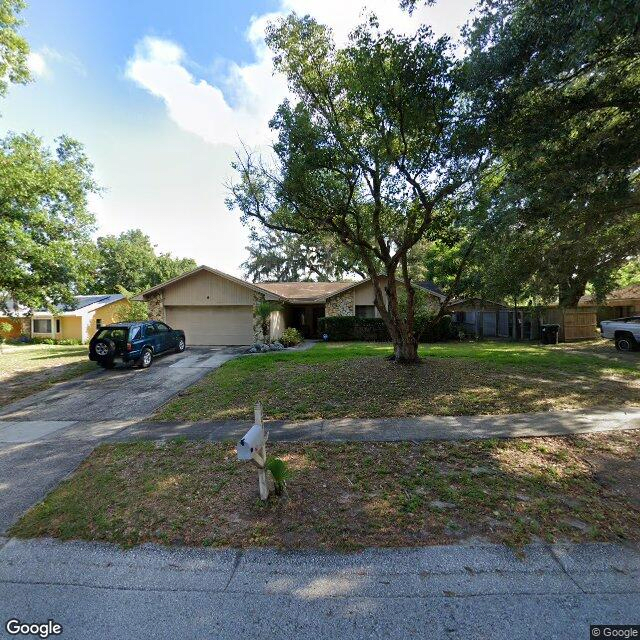
4011 Moorings Lane, Orlando, FL 32810
To contact a resident: (407) 259-8957
For more information about senior living options: (866) 208-4318
Overall Review of Alternative Home Care
Pros
 It is the best home ever.
- They were glad they placed their grandmother there.
- It has a loving atmosphere and many activities.
- The owner poured into the home with care.
- It was a wonderful experience with very good service.
Review
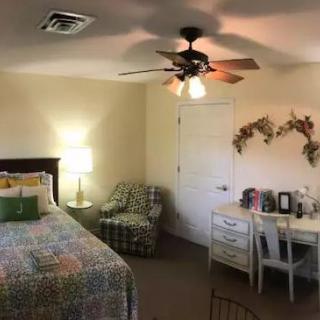
Alternative Home Care in Orlando is best suited for families seeking a warm, home-like environment where seniors receive intimate, attentive care and can participate in a rich, social routine. The reviews paint a picture of a loving atmosphere and a calendar filled with activities, suggesting residents thrive when the setting feels more like a genuine home than a clinical facility. This community tends to attract seniors who value personal connections, predictable daily rhythms, and a sense of belonging that comes from a small-team dynamic and hands-on leadership.
For seniors with pronounced medical complexity, frequent nursing needs, or requirements for a large, diverse campus, alternatives should be considered. The reviews provide little detail about on-site clinical staffing or specialized programs, which signals a potential mismatch for those needing robust medical oversight, advanced therapies, or memory care with formal protocols. Families prioritizing a broad network of amenities and extensive social options within a single campus may also want to evaluate larger communities that can deliver more varied programming and services under one roof.
The strongest selling points are the human-centered strengths. An owner-driven approach translates into responsiveness and continuity that can be hard to sustain in bigger operations. Phrases like “the owner really poured into this home” and the emphasis on a “loving atmosphere” point to staff who know residents well, tailor activities to individual abilities, and respond quickly to requests. A robust calendar of activities further supports emotional and cognitive engagement, addressing common risks of isolation and stagnation in aging care. In practice, these elements offset typical concerns about impersonality and turnover that can accompany smaller settings, producing tangible peace of mind for families.
Operationally, the service quality appears solid, with reviewers labeling the experience as “very good” and expressing relief at the level of care provided. This combination of warmth and practicality often yields smoother day-to-day life: familiar routines, dependable staffing, and meaningful social interaction. Yet, the small-home model inherently caps the breadth of clinical support and the diversity of programming available if health status shifts or transportation needs broaden. The reviews do not outline how transitions to higher levels of care are managed, so proactive planning remains essential for families facing potential escalation in medical requirements.
When evaluating options, it is prudent to ask pointed questions about medical oversight and contingency plans. What on-site clinical support exists, if any? Is there 24/7 nursing coverage or reliable access to home health services? How are emergencies and transfers coordinated? How easily can the setting coordinate with outside providers if specialized therapies or oversight become necessary? While the documented strengths promise a comforting, engaged environment, these questions help ensure readiness should care needs intensify. Families should also confirm the degree of family involvement encouraged by the community, and how activity programs adapt to changing abilities.
Bottom line: Alternative Home Care presents a compelling, practical choice for families prioritizing warmth, engagement, and personal attention in Orlando. The owner’s hands-on leadership and the active daily schedule create a powerful counterweight to the impersonality often found in larger facilities. For seniors who thrive on meaningful interaction and a strong sense of belonging, this setting delivers substantial value. Conversely, residents requiring intensive clinical care, complex medical management, or a broad spectrum of on-site amenities should broaden the search to other options. Prospective families should visit, observe resident interactions, and meet the staff and owner to assess alignment with care expectations and lifestyle goals before deciding.
 Orlando International (15 miles away)





 Nurturing Our Loved Ones: A Daughter's Journey in Caring for Her Mother
 Nurturing Our Elders: Linda's Journey of Supporting Her Mother
 A Comprehensive Exploration of Common Misunderstandings about Powers of Attorney