
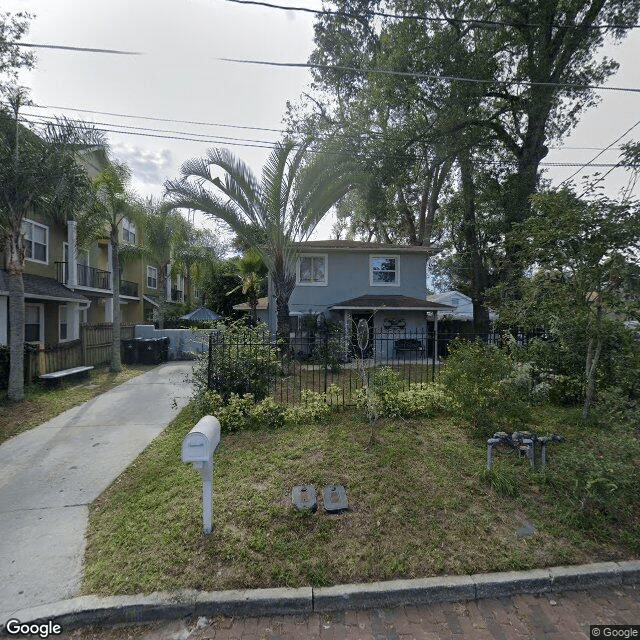
36 West Esther Street, Orlando, FL 32806
For more information about senior living options: (866) 208-4318
Ashton Palms Costs & Pricing
Ashton Palms offers competitive pricing for its resident accommodations, particularly when compared to the broader market in Orange County and across Florida. The cost for a semi-private room at Ashton Palms is $1,500 per month, significantly lower than the average rates in Orange County and throughout the state, which stand at $3,041 and $3,009 respectively. Similarly, residents seeking the privacy of a private room will find Ashton Palms' monthly rate of $1,800 to be quite appealing when contrasted with the higher averages of $3,441 in Orange County and $3,699 statewide. This pricing structure positions Ashton Palms as an attractive option for those seeking quality care without the financial strain often associated with similar facilities.
| Floor plans | Ashton Palms | Orange County | Florida |
|---|---|---|---|
| Semi-Private | $1,500 | $3,041 | $3,009 |
| Private | $1,800 | $3,441 | $3,699 |
Assisted Living communities with a similar price nearby
-
from +$287 / mo
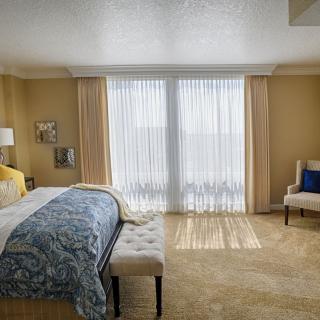
Westminster Towers
$1,787 to $3,212 / month1.0 miles away -
from -$91 / mo
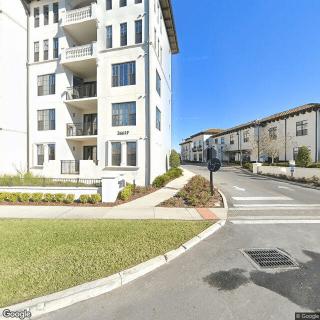
Westminster Baldwin Park
$1,409 to $2,309 / month5.3 miles away -
from +$100 / mo
Aasbury Manor Alf
$1,600 to $2,500 / month6.4 miles away -
from +$195 / mo

Rose Garden of Orlando
$1,695 to $2,750 / month6.6 miles away -
About the same
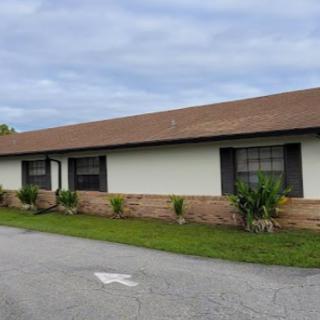
Amber Lake Assisted Living Facility
$1,500 to $4,000 / month14.9 miles away
Overall Review of Ashton Palms
Pros
 The place is really nice and residents appear to enjoy their time there.
- Theresa is kind, caring, and very helpful to residents and families.
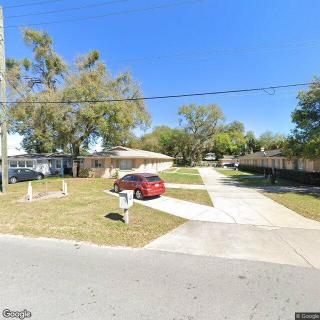
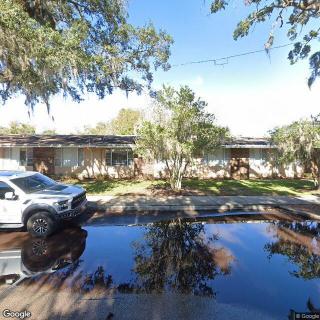
- The outside grounds are nicely landscaped with trees, shrubs, lawns, and places to sit.
- The staff are pleasant, friendly, and interact well with residents who appear well cared for.
- The dining area offers many delicious choices and resembles a nice casual diner.
- The private housing options are well decorated, fresh, clean, and bright.
- The facility provides weekly outings for shopping, entertainment, and other activities.
Cons
 Theresa ejected the resident after hospitalization, denying readmission even though doctors never indicated she couldn’t return.
- Theresa was often short on the resident’s pain medications in the first 30 days.
- Theresa yelled at the resident during visits.
- Theresa would not allow visitors inside the building because they used an electric scooter.
- The building’s elevator did not work for a long time and Theresa refused to repair it.
- The facility did not provide internet access.
- A reviewer warned others to think twice about going there.
Review
Ashton Palms in Orlando is best suited for active retirees who value a warm, person-centered vibe and can navigate with a modest level of independence. The community shines for residents who relish daily social programming, restaurant-style dining, and a setting that feels cared-for and well maintained. Those who thrive on relationship-based attention from staff and who appreciate weekly outings and accessible common spaces will likely feel at home. However, it is not ideal for seniors with high medical or mobility needs that require constant, professional oversight or reliable in-building accessibility. Alternatives should be considered for residents who depend on consistent nursing, on-site medical management, or seamless indoor access for mobility devices.
The positives at Ashton Palms are tangible and compelling for the right buyer. The grounds are well-kept, the exterior and interior design are inviting, and the private apartments show as fresh, clean, and bright. The restaurant-style dining area delivers variety and quality, a detail that residents and families often emphasize as a genuine quality-of-life win. Staff interactions come across as friendly, respectful, and attentive, with anecdotes highlighting a hands-on approach from the owner and caregivers who strive to look out for residents’ comfort and safety. The calendar of activities is robust: weekly outings to shopping, theater, dining, and other entertainment, plus organized excursions that demonstrate a genuine commitment to maintaining an active lifestyle. An exercise area with regular classes adds a wellness dimension that many aging adults value highly.
Yet serious drawbacks cannot be ignored and they significantly shape the risk calculus. The elevator has not worked for an extended period, with no clear repair plan in sight, creating a fundamental accessibility bottleneck for anyone with mobility challenges or who needs reliable stairs-free access. A resident using an electric scooter encountered restrictions on indoor access, signaling inconsistent policies about mobility aids that can undermine independence and safety. Medication management is a red flag in one account, describing periods when pain meds were short and later corrected after a caregiver administered meds directly, an arrangement that raises questions about governance and licensed oversight. A troubling discharge incident, where a hospital patient was effectively left without a place to go, underscores concerns about crisis management and resident protection. Finally, the absence of on-site internet reduces connectivity with family, health portals, and essential services that many seniors rely on today.
How the impressive positives interact with the drawbacks matters for decision-making. For families prioritizing a warm, relationship-driven setting with an active social life, the personal attention from Theresa and the caregiving team can offset several gaps, provided there is a credible plan to address accessibility and medical oversight. The strong sense of community, the dining experience, and the range of activities contribute meaningful quality of life that is hard to replicate in more clinical environments. However, the elevator failure and indoor-access constraints strike at the core of daily living for mobility-restricted residents and their families, and they cannot be brushed aside as cosmetic issues. The medication-management concerns, if confirmed, demand rigorous, verifiable safeguards before any admission, because trust in administration is essential in senior living.
Who should consider alternatives? Families with residents needing reliable 24/7 nursing supervision, chronic medical management, or specialized memory care will likely find Ashton Palms insufficient to meet those needs. Those who require consistent internet access for communication with loved ones, telehealth, or digital scheduling will also be disappointed. Prospects should insist on a concrete, written repair timeline for the elevator, a clear, audited medication administration protocol, and a documented policy on crisis discharge to prevent repeat episodes. Mobility-challenged individuals should seriously question suitability unless the facility can demonstrate an enforceable plan to remove current barriers and guarantee accessible entry and circulation.
The bottom line is clear: Ashton Palms offers a warm, community-focused environment with strong social programming, solid dining, and well-kept surroundings that can appeal to moderately independent seniors who prize connection and activity. It is less well suited for residents whose needs demand steady professional medical oversight, guaranteed in-building accessibility, and reliable digital connectivity. Prospective families should verify the building’s accessibility roadmap, the medical oversight framework, and the governance around medication management, while also experiencing firsthand how staff interact with residents and how responsive leadership remains under pressure. When the fit is right, Ashton Palms can feel like a supportive, enjoyable home; when the gaps align with a resident’s essential needs, alternative communities will likely offer a safer, more predictable path.
 15 resident community capacity
 Assisted Living
 Board and Care Home
 Respite Care
 Dogs allowed
 Activities off-site
 Beautician on-site
 Cable or satellite TV
 Devotional services off-site
 Dining room
 Fully furnished
 Garden
 Housekeeping services
 Indoor common areas
 Move-in coordination
 Outdoor common areas
 Private
 Telephone
 Wheelchair accessible showers
 Wi-Fi/high-speed internet available
 Orlando International (7 miles away)
 24-hour supervision
 Ambulatory care
 Assistance with bathing
 Assistance with dressing
 Assistance with transfers
 Diabetes diet
 Diabetic care
 High acuity care
 Incontinence care
 Meal preparation and service
 Medication management
 Special dietary restrictions
 Transportation arrangement (medical)
 Transportation to doctors appointments
 English
 Comprehensive Supportive Living Arrangements for Adults with Disabilities
 Funding and Affording Assisted Living: A Thorough Overview
 Assisted Living Expenses and Long-Term Care Insurance: A Comprehensive Exploration