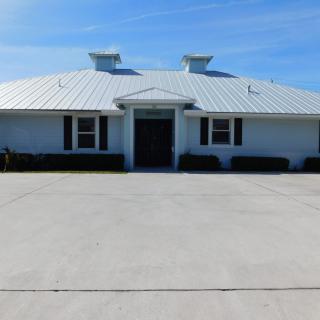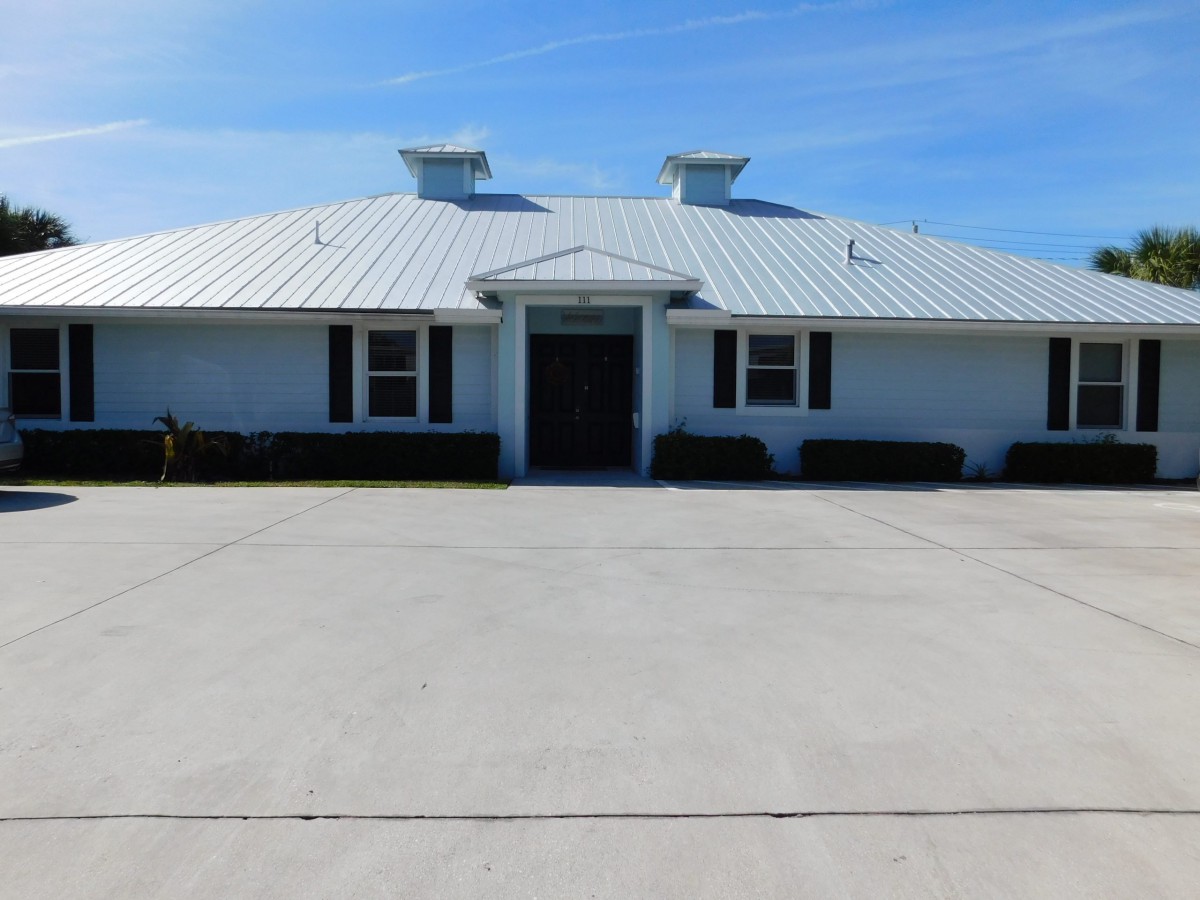
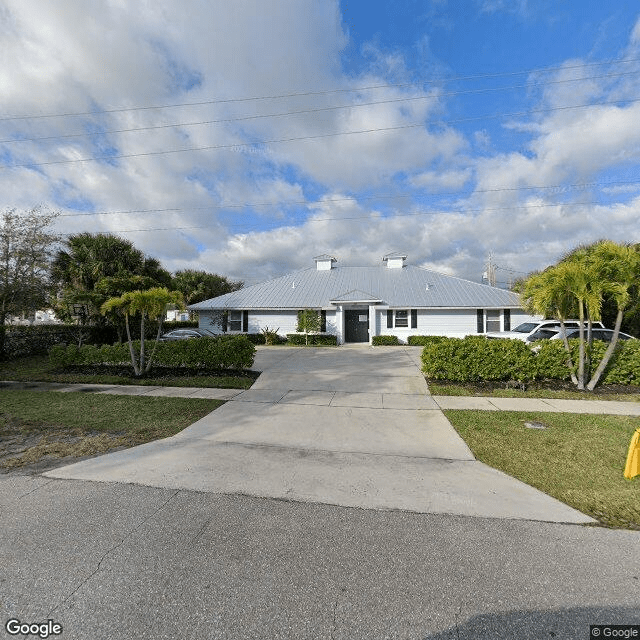
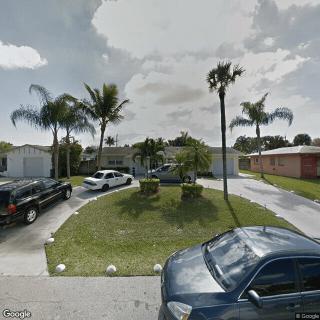
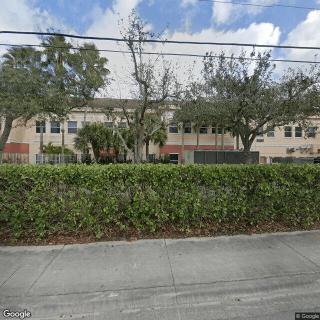
111 Castlewood Dr, North Palm Beach, FL 33408
To contact a resident: (561) 670-9141
For more information about senior living options: (866) 208-4318
Overall Review of Castlewood ALF Inc
Pros
 It is described as the best assisted living facility in Palm Beach County.
- The facility provides impeccable services for residents.
- It is described as a gift from God that allowed the reviewer to relocate their mom there.
- It is considered a very good facility.
Cons
 They felt that most facilities don’t really care about doing the job.
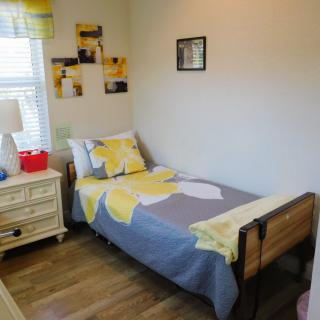
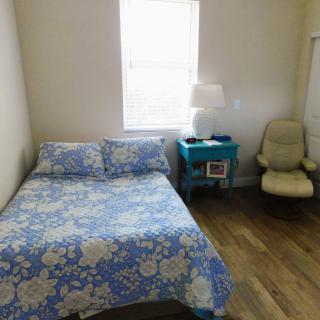
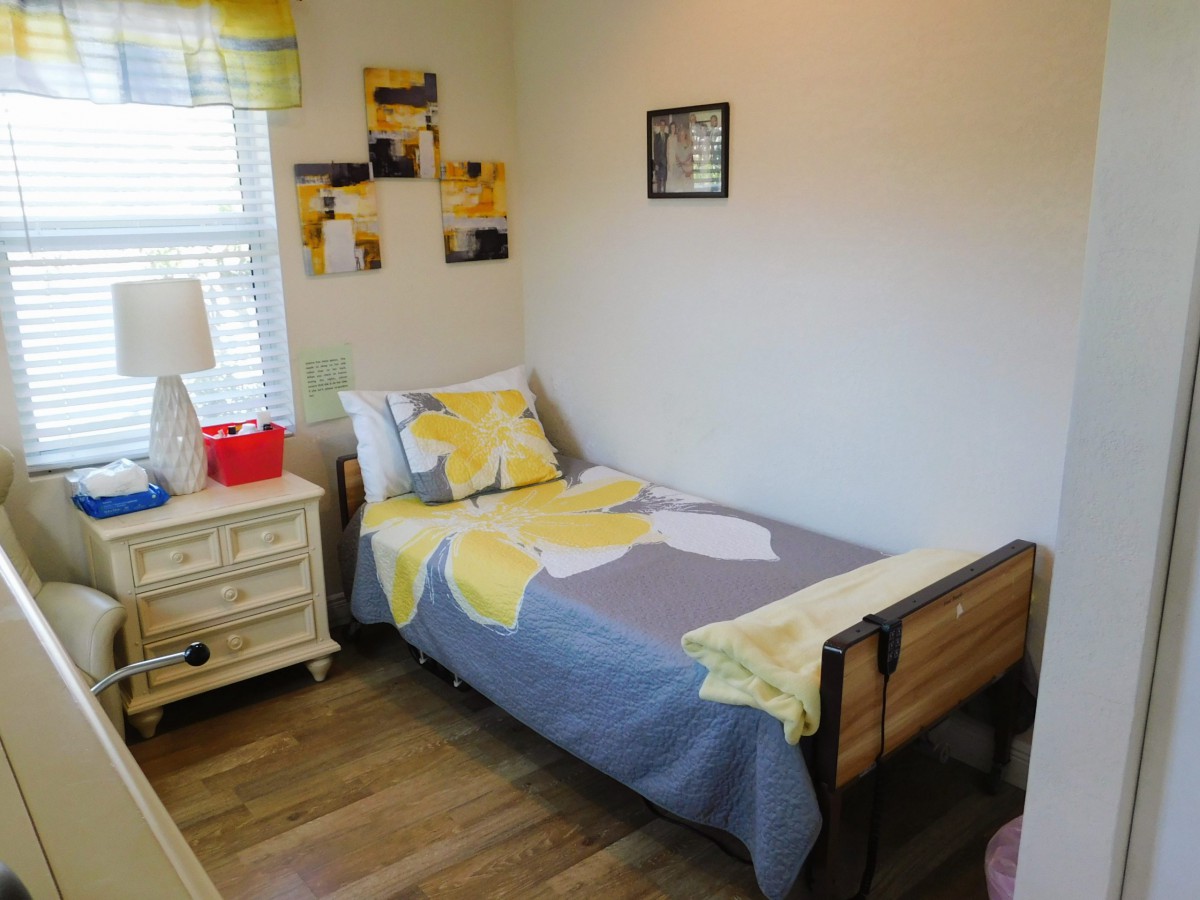
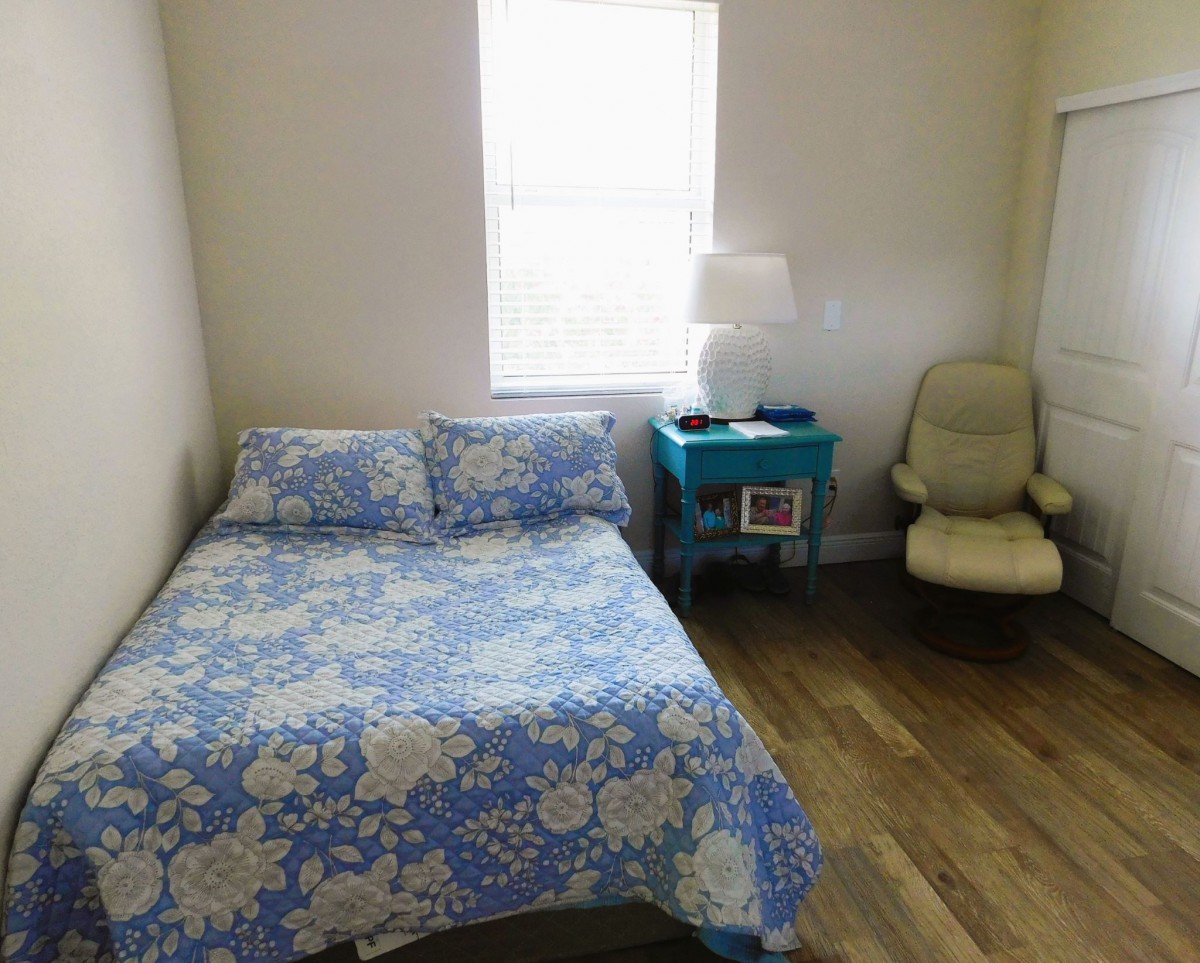
- It was cramped, with limited staff and sparse activities, depressing, and felt like a warehouse for old, sick people.
Review
Castlewood ALF Inc in North Palm Beach is best suited for families that equate senior care with a high-touch, compassionate approach. The standout reality is a staff and administration that appear genuinely invested in residents’ well-being, delivering what many families describe as impeccable service and a care-first ethos. For relatives balancing safety and dignity, Castlewood presents a believable home where a loved one can receive consistent attention and a real effort to tailor care to individual needs. The anecdotes of a mom being relocated there and benefiting from attentive onboarding reinforce that the community can deliver meaningful relief for anxious families. In short, Castlewood shines for those who prize personal attention over spectacle and accept a smaller, less bustling environment.
Those who want a modern, bustling atmosphere with expansive space and a full calendar of activities should consider alternatives. Reviews point to a cramped footprint and sparse activities, suggesting that residents who value a lively social calendar and frequent outings may be disappointed. For families seeking a setting with abundant amenities, robust programming, and a visibly larger campus, Castlewood may feel constrained. In such cases, exploring other Palm Beach County facilities with bigger campuses and more diversified activity calendars is a prudent step.
The strongest positives, unmistakable care quality and a genuine devotion from staff, provide meaningful counterweights to the downsides. When caregiving tasks are performed with attentiveness and residents are treated with respect, the emotional relief can outweigh the discomfort of smaller rooms. Praise for the facility as a place where care comes first and the relocation success story point to a culture where residents feel seen and valued, a critical factor for families concerned about neglect or turnover. Yet these advantages do not erase the realities of a cramped physical footprint, limited staffing resources, and a sparse activity slate. The trade-off is clear: exceptional day-to-day care can compensate for space and programming limitations for some residents, but not for all.
Environment and mood matter, and the near-universal notes of cramped quarters and a vibe described as depressing or like an “old, sick people’s warehouse” signal a mood risk that must be weighed. The robust care culture helps, but the venue’s geometry naturally restricts group activities and social opportunities. For residents who rely on social stimulation to stay engaged, or who benefit from bright, welcoming common spaces, this constraint is real. Families should assess whether the setting can be warmed by personal touches, consistent daily routines, and meaningful one-on-one interactions that keep spirits steady and days purposeful.
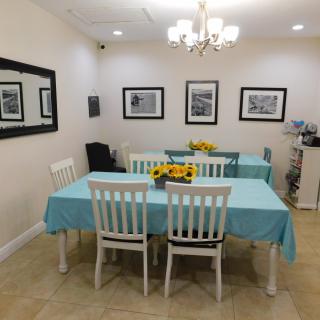
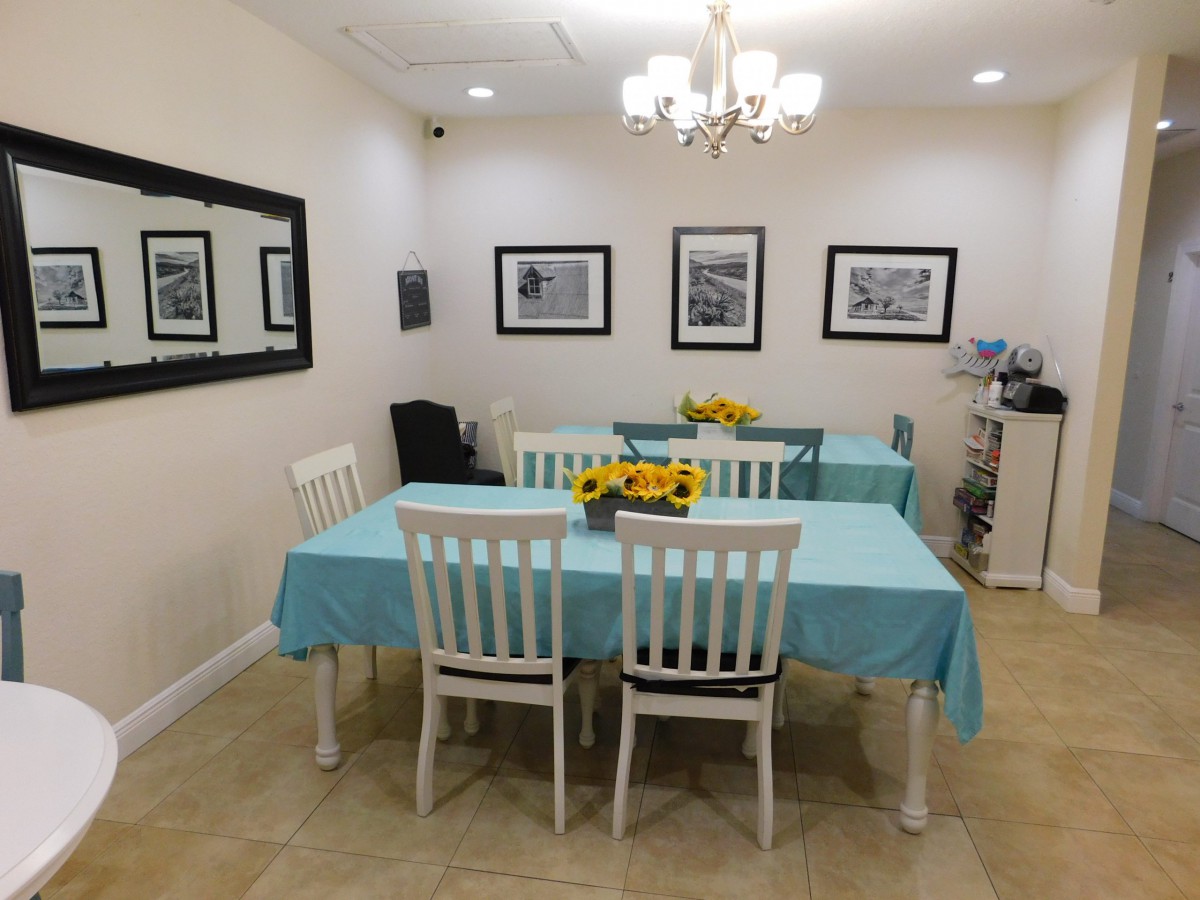
When evaluating Castlewood, anchor the assessment to four pillars: care quality, staffing consistency, spatial practicality, and activity vitality. First, verify how staff respond to non-sleeping-hour needs and how communications with families are handled. Second, investigate current staffing levels, turnover, and the ability to accommodate personal routines and schedules. Third, tour the facility to gauge room sizes, circulation, and whether common areas can support meaningful meals and socialization. Fourth, scrutinize the activity calendar and resident engagement opportunities, asking for concrete examples of current programs and resident-driven events. Price should align with the perceived value of personalized care and stability; if the cost reflects intimate space rather than robust programming, the decision must weigh which element is prioritized.
Castlewood should be viewed as a solid match for families prioritizing caregiving quality and a heartfelt, individualized approach over expansive architecture. It is a compelling option for residents who value consistent, attentive care and a warm, resident-focused culture, even if that comes with smaller rooms and fewer group activities. For those unable to compromise on breadth of programs, social vibrancy, or generous space, alternatives in Palm Beach County offer more expansive environments and richer calendars. In sum, Castlewood stands out where care is king and atmosphere is personal; elsewhere, seek communities that pair similar care with more generous space and a fuller slate of activities. If a family can embrace the intimate setting and prioritizes staff devotion, Castlewood delivers a meaningful, dependable home.
 Assisted Living
 Activities on-site
 Devotional services off-site
 Indoor common areas
 Palm Beach International (9 miles away)
 Ambulatory care
 Diabetic care
 Meals provided

 Medicare Coverage for Assisted Living: An In-Depth Exploration
 Choosing the Right Senior Care: A Detailed Exploration of Assisted Living and Nursing Homes
 Understanding the True Cost of Assisted Living in 2025: A Comprehensive Guide