
111 Castlewood Drive, North Palm Beach, FL 33408
For more information about senior living options: (866) 208-4318
Overall Review of Castlewood - ALF
Pros
 The facility is regarded as the best assisted living facility in Palm Beach County with impeccable services for loved ones.
- The Residence at Castlewood is described as having very caring, nice people and a small, clean, personalized setting.
- It feels like an intimate home setting that provides one-on-one supervision and meaningful activities.
- The tour of The Residence at Castlewood was excellent, and the facility was very impressive.
- The staff are very good, the owner personally walks visitors around, and the community’s philosophy feels like a home.
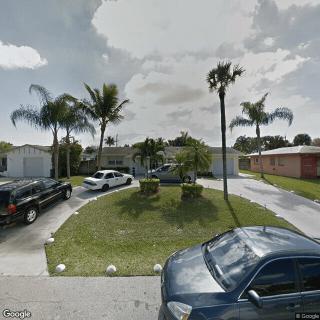
- The facility is very new, fresh smelling, and looks like someone’s house, offering a pleasant, home-like atmosphere with private rooms and bathrooms.
- The cost is about one-third of what other facilities charge, making it a very favorable option.
Cons
 The facility is described as cramped, with limited staff and sparse activities, giving a depressing impression like an old, sick people’s warehouse.
- It is not suitable for an active person; it’s more appropriate for someone with dementia needing one-on-one supervision.
- The reviewer states that most facilities don’t really care about doing the job.
- The reviewer would prefer a bigger facility for an active family member if choosing an assisted living place.
Review
Castlewood’s Residence is best suited for families seeking an intimate, highly supervised setting where a loved one benefits from one-on-one attention, strong dementia-oriented care, and a home-like atmosphere. This community is a practical fit for residents who do not crave a large, activity-rich campus but instead thrive on individualized routines, predictable days, and discreet assistance. It works well for someone who needs secure wandering protection, consistent caregiver contact, and a quieter, safer environment where staff can become deeply familiar with personal history, preferences, and triggers.
What stands out here are the core strengths that consistently show up in reviews: a very small footprint (roughly a 14-bed operation with a near-private room mix), meticulous cleanliness, and a genuine sense of “home.” Families recount staff who are patient, dedicated, and genuinely caring, with caregivers who can provide close supervision and meaningful engagement in a setting that feels private and unstaged. The setting tends to minimize confusion and overstimulation, which matters in dementia care, and the absence of odors or hospital-like atmospheres reinforces the sense of dignified, comfortable living. The financial side also stands out: the price tag is a fraction of what families typically pay for comparable care, a reality that changes the decision calculus for many.
Explicitly, this community may be less appealing to families pursuing an active, bustling lifestyle for their loved one. Several reviews flag the facility as not ideal for an energetic senior who expects a robust calendar of activities and broad social opportunities. The space is small, and while there are activities and one-on-one engagement, the overall activity volume can feel sparse. For families seeking larger communities with more staff-driven programming, multi-room common areas, and a wide array of social outings, alternatives should be explored. The “small and intimate” identity, while a strength, becomes a constraint for those who want constant stimulation and a sense of being part of a bigger campus.
The pros and cons interact in meaningful, decision-shaping ways. The extremely tight resident-to-caregiver ratio in practice translates into customized attention that can compensate for limited programming and the absence of a commercial-scale activity director. The newness of the facility and the private-room options contribute to a pleasant, low-stress atmosphere, and the cost savings amplify the value for families comparing long-term budgets. Yet the flip side is real: if a resident’s needs evolve toward higher levels of skilled nursing or more extensive daily activities, this setting may feel insufficient. The small footprint can also translate into crowded hallways during peak activity times and fewer on-site amenities than larger complexes.
For families weighing options, the practical move is clear: assess whether the priority is fortress-like security and person-centered care in a homey, affordable package, or a busier environment with abundant programming and more expansive medical and social supports. Prospective residents should probe caregiver ratios, the availability of private duty supports, and the exact mix of private and shared rooms. Ask about how wandering is managed, how care plans are tailored to dementia progression, and what respite or short-term stays look like in terms of scheduling, staffing, and costs. A visit or two, with attention to real-time caregiver interactions and the smell, flow, and warmth of the space, will reveal if the intimate atmosphere aligns with expectations.
In the end, Castlewood’s Residence presents a compelling value proposition for dementia-focused, one-on-one assisted living in a quiet, home-like setting. It is a strong recommendation for families prioritizing security, individualized care, and cost efficiency over large-scale programming and nightlife-style activity calendars. Those who value a tiny, well-maintained environment where staff become extended family will find a rare, practical match. Conversely, families seeking an active, socially oriented senior living experience, or more extensive on-site services, should confidently explore larger facilities to ensure the chosen community can scale with changing needs.
 14 resident community capacity
 Assisted Living
 Board and Care Home
 Respite Care
 Cable or satellite TV
 Dining room
 Fully furnished
 Garden
 Housekeeping services
 Move-in coordination
 Outdoor space
 Telephone
 Wi-Fi/high-speed internet available
 Palm Beach International (9 miles away)
 24-hour supervision
 Activities of daily living assistance
 Assistance with bathing
 Assistance with dressing
 Assistance with transfers
 Diabetes diet
 Meal preparation and service
 Medication management
 Special dietary restrictions
 Transportation arrangement (medical)
 Transportation to doctors appointments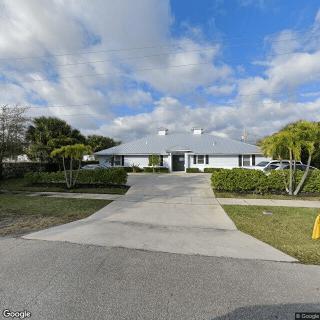


 When to Transition from Assisted Living to Memory Care: Key Indicators, Steps, and Finding the Right Community
 Assisted Living and Memory Care: Understanding Their Core Differences
 Beyond the Bingo Hall: 50+ Enriching Activities for Seniors in Assisted Living