
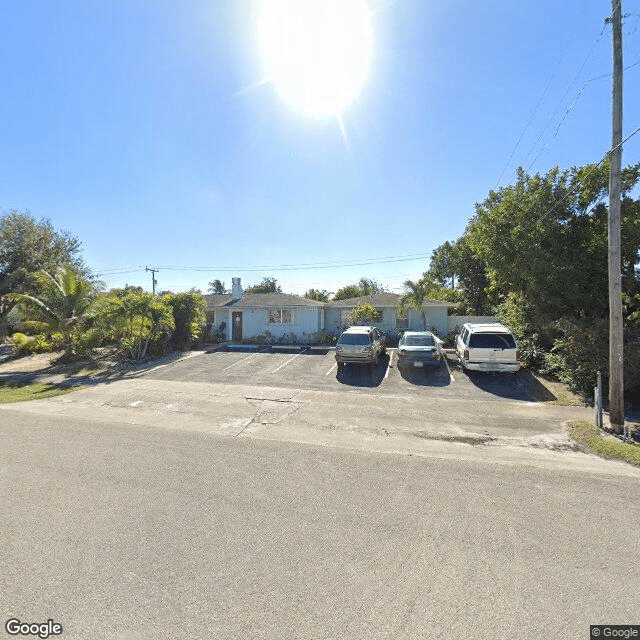
420 Crescent Circle, Lake Park, FL 33403
For more information about senior living options: (866) 208-4318
Tropical Garden Villas (North) Costs & Pricing
Tropical Garden Villas (North) offers a competitive pricing structure when compared to both Palm Beach County and the broader state of Florida. For semi-private accommodations, residents pay $1,800 per month, significantly lower than the county average of $3,592 and the state average of $3,009. This reflects a strong value for individuals seeking budget-friendly options. The private room rate at Tropical Garden Villas is set at $3,200, which is also more affordable than Palm Beach County's average of $4,444 and notably less than Florida's statewide average of $3,699. Overall, Tropical Garden Villas (North) stands out as an attractive option for those looking for quality living arrangements without compromising on financial considerations.
| Floor plans | Tropical Garden Villas (North) | Palm Beach County | Florida |
|---|---|---|---|
| Semi-Private | $1,800 | $3,592 | $3,009 |
| Private | $3,200 | $4,444 | $3,699 |
Assisted Living communities with a similar price nearby
-
from -$300 / mo

Tropical Garden Villas (Annex)
$1,500 to $2,200 / month13.4 miles away -
from +$195 / mo

Grand Villa Of Boynton Beach
$1,995 to $3,295 / month20.3 miles away -
from +$200 / mo
Wyndham House
$2,000 / month7.7 miles away -
About the same
Avalon Assisted Living
$1,795 to $3,495 / month15.3 miles away -
from +$200 / mo
Joy Of Living Care Services
$2,000 to $2,600 / month9.7 miles away
Overall Review of Tropical Garden Villas (North)
Pros
 The experience with Tropical Garden North was very good.
- They were very helpful.
- They gave a lot of good ideas.
- They were very experienced in what they do.
- They genuinely care about their patients.
Review
Tropical Garden Villas (North) is best suited for seniors who value hands-on, compassionate guidance from an experienced team. The two reviews portray staff as unusually helpful, with a knack for sharing practical ideas and real-world know-how. The care shown is described as genuine, with staff who genuinely seem to care about residents and families. That combination makes this community a strong fit for families navigating transitions, planning for future needs, and seeking reassurance that daily routines will be managed with a thoughtful, experienced hand. In short, those who want proactive problem-solving and personal attention from caregivers will likely feel confident here.
Those who may want to consider alternatives are families prioritizing a broader medical footprint or a more expansive campus. The reviews do not reveal any deficits, but the absence of a stated emphasis on medical programming or varied on-site services means that readers with complex clinical needs might want to compare options that offer more formalized oversight, memory care specialization, or larger amenity sets. For budget-focused shoppers, it remains essential to verify the total cost structure and what is included, since the strength of staff-driven guidance does not directly speak to affordability or scale.
The core strengths, highly responsive, supportive staff; clear, actionable guidance; and authentic care, function as a practical counterweight to the typical concerns families have about elder-care decisions. When staff can generate ideas and frame them in a way that feels doable, care planning becomes less fraught and transitions less daunting. With no obvious drawbacks highlighted in the available feedback, these advantages tend to offset concerns about process gaps or uncertainty. The bottom line is that the earned trust from experienced personnel translates into concrete confidence about daily care and the path forward.
To translate reputation into real-life assurance, families should ask how the ideas and planning suggestions are implemented day to day. Do the staff follow through with recommended care routines, activity schedules, meal modifications, or transportation adjustments? Is there ongoing communication about changes in condition or preferences? The reviews imply consistency and responsiveness, but prospective residents will benefit from a clear framework showing who owns each task, how often check-ins occur, and what triggers escalation. A practical focus on implementation helps distinguish strong intent from steady, reliable execution.
Value will hinge on alignment between expectations and outcomes. The testimonials emphasize warmth, expertise, and a caring culture; families should verify whether these strengths translate into measurable, ongoing support, such as regular care planning meetings, proactive problem-solving, and transparent billing practices. Given the favorable impressions, prospective residents should still probe for specifics on staffing ratios, shift coverage, and how recommendations are operationalized within the resident’s routine. When these elements are clarified, the combination of staff capability and heartfelt care becomes a clear driver of quality living.
In sum, Tropical Garden Villas (North) stands out as a practical, high-trust option for seniors who want hands-on guidance and a caregiver team that genuinely commits to residents’ well-being. It is especially well-suited for families seeking mentorship through care decisions and reassurance that someone is actively steering daily routines. Those needing broader medical services, specialized memory support, or tighter budget constraints may want to evaluate alternatives with stronger clinical frameworks or different cost structures. For the right mix of experienced guidance and compassionate daily care, Tropical Garden Villas (North) delivers a compelling, decision-ready choice.
 16 resident community capacity
 Assisted Living
 Board and Care Home
 Day Program
 Dogs allowed
 Cable or satellite TV
 Dining room
 Fully furnished
 Garden
 Housekeeping services
 Move-in coordination
 Outdoor space
 Private
 Telephone
 Wi-Fi/high-speed internet available
 Palm Beach International (9 miles away)
 24-hour supervision
 Ambulatory care
 Assistance with bathing
 Assistance with dressing
 Assistance with transfers
 Diabetes diet
 Meal preparation and service
 Medication management
 Special dietary restrictions
 Transportation arrangement (medical)
 Transportation to doctors appointments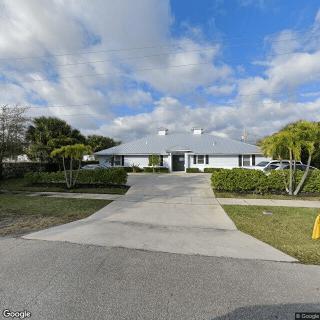





 8 Key Indicators That Suggest It May Be Time to Transition from Assisted Living to Skilled Nursing Care
 Vibrant Senior Living: A Comprehensive Guide for Active Older Adults
 When to Transition from Assisted Living to Memory Care: Key Indicators, Steps, and Finding the Right Community