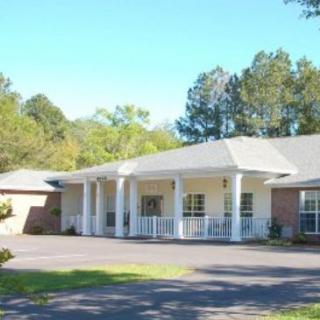
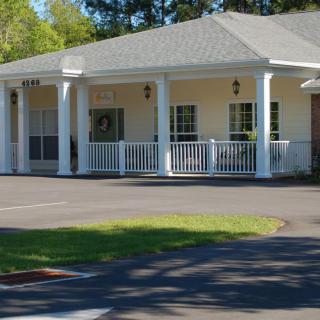
4268 Ida Coon Circle, Niceville, FL 32578
To contact a resident: (850) 897-1462
For more information about senior living options: (866) 208-4318
Bee Hive Homes Of Niceville Costs & Pricing
Bee Hive Homes of Niceville offers a unique living experience with costs that reflect both the quality of care and the location's amenities. For private rooms, residents can expect to invest $4,700 per month, which is notably higher than the average costs in Walton County ($4,100) and across Florida ($3,699). Similarly, their one-bedroom option also comes in at $4,700, surpassing the county average of $3,867 and Florida's overall cost of $3,864. While these rates may be above local and state averages, they likely correspond with the personalized services and supportive environment that Bee Hive Homes provides for its residents.
| Floor plans | Bee Hive Homes Of Niceville | Walton County | Florida |
|---|---|---|---|
| Private | $4,700 | $4,100 | $3,699 |
| 1 Bedroom | $4,700 | $3,867 | $3,864 |
Overall Review of Bee Hive Homes Of Niceville
Pros
 They have a loving, caring staff that gives attentive attention to residents.
- Beehive is a wonderful place for families needing daily care, with staff encouraging involvement in daily activities.
- The staff treat residents like family, with kindness and tenderness, forming genuine bonds.
- Residents love the meals, which are top-quality and home-cooked.
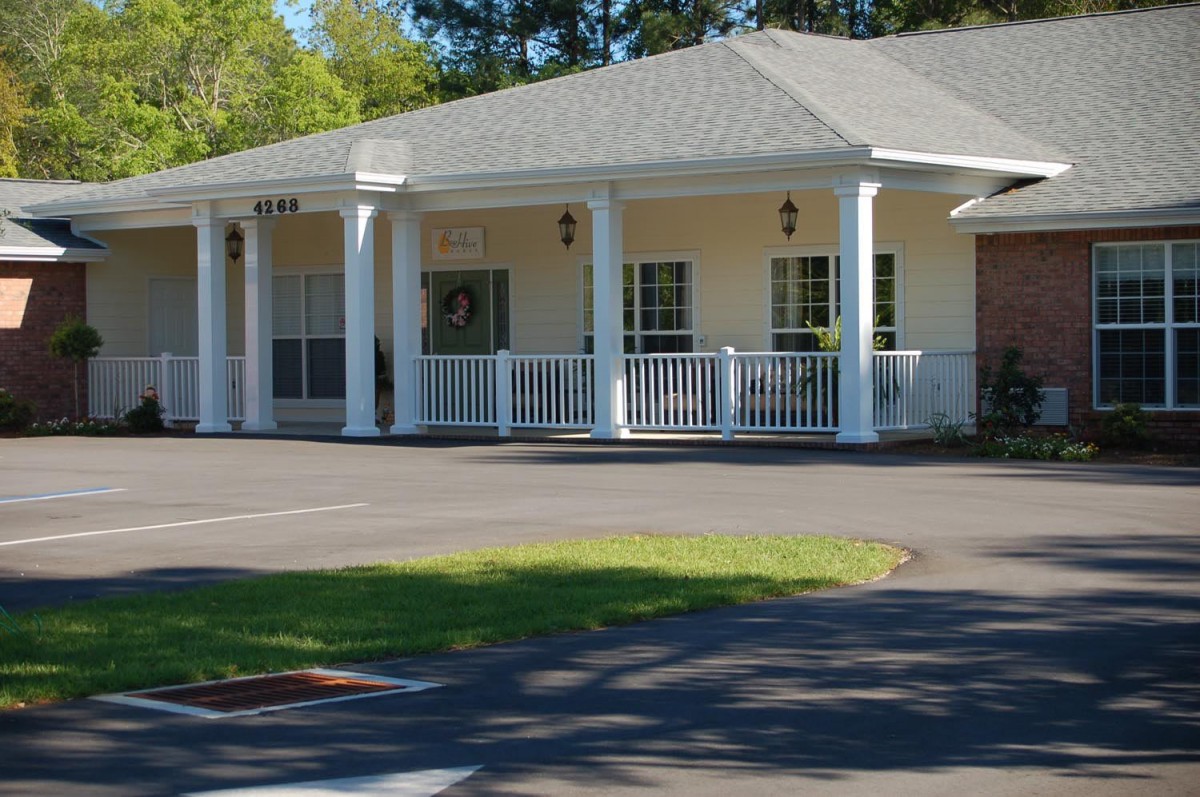
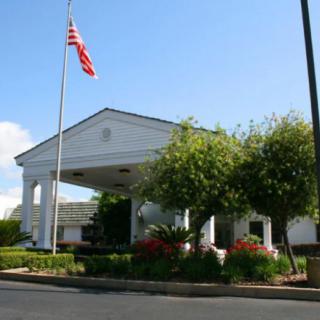
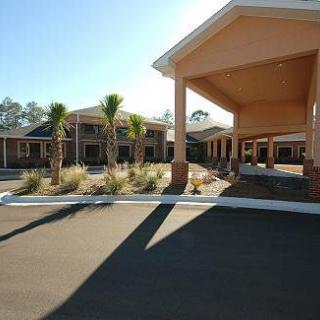
- The facility feels like home—warm, inviting, and well-maintained.
- Visitation is encouraged at any time, and staff quickly learn residents' likes and dislikes.
- Beehive Homes provide care, concern, and commitment that results in outstanding assisted living.
- Residents participate in engaging activities and social groups with staff or volunteers.
- The environment is clean, safe, and supportive, with friendly, attentive staff.
Cons
 They were lacking in medical training.
- There was no nurse on staff, and at the time only one staff member had CNA training.
- The Beehive staff was ill equipped for end-of-life care, even with hospice guidance.
- They were not able to manage her pain or her pain medications.
- The hospice provider stopped treating patients at the facility, suggesting Beehive is ill suited to end-of-life care.
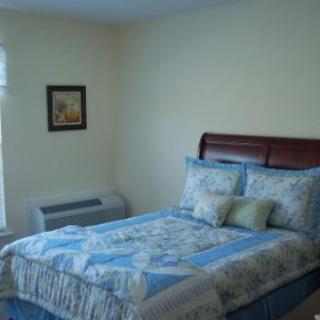
- For Medicaid residents, the rooms are shared and smaller, which feels like Motel 6 compared to Marriott.
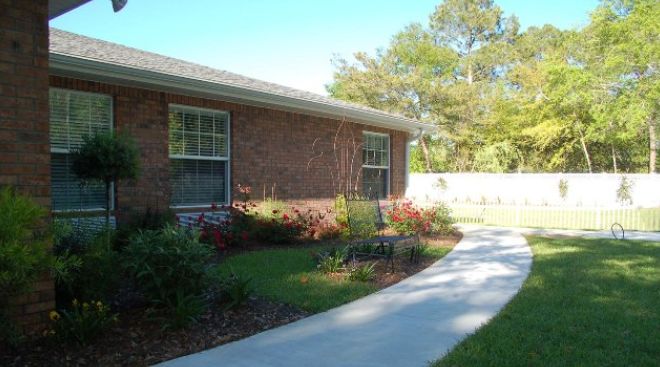
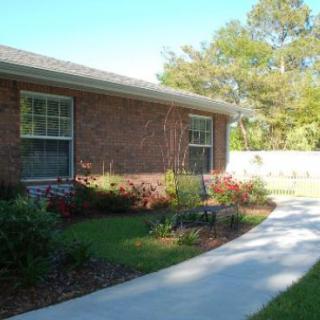
- The rooms were smaller and not as private as in other facilities, and the yard area had steep hills that could be unsafe for residents.
- One reviewer felt the space would be too small for a long stay.
Review
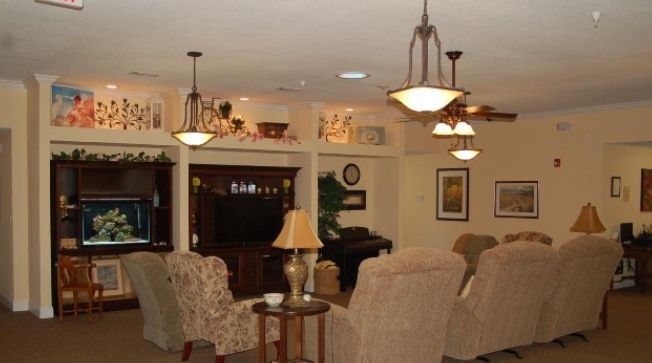
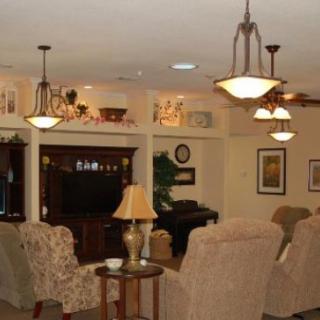
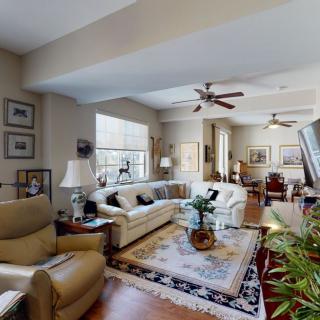
Bee Hive Homes Of Niceville is best suited for seniors who want a true home-like setting where daily living support is readily available and where staff become familiar, trusted faces. This community excels for families who prize warmth, compassionate attention, and ongoing social opportunities, with a dining environment that feels home-cooked and a common room that invites conversation. It’s a place that reduces relocation anxiety by offering intimate spaces and a schedule of activities that encourage residents to stay engaged. For someone moving from independent living, the atmosphere prioritizes personal connections and steady, predictable routines over campus-scale amenities. In short, this is where care feels personal and relationships with staff are central to daily life.
However, this community may not fit every situation. For loved ones who require robust, on-site medical management, or anticipate needing end-of-life pain control administered by a nurse, the alternatives with licensed nursing staff on site should be seriously considered. Bee Hive Homes Of Niceville operates without a full-time nurse, relying on CNA-level care and hospice guidance for medical tasks, which can leave gaps for more complex needs. Medicaid-driven pricing, while budget-friendly, often means shared rooms and reduced privacy, a trade-off that matters for families prioritizing independence and personal space. Those seeking a broad menu of on-campus amenities, or a formal memory-care program, may find the scope here too limited.
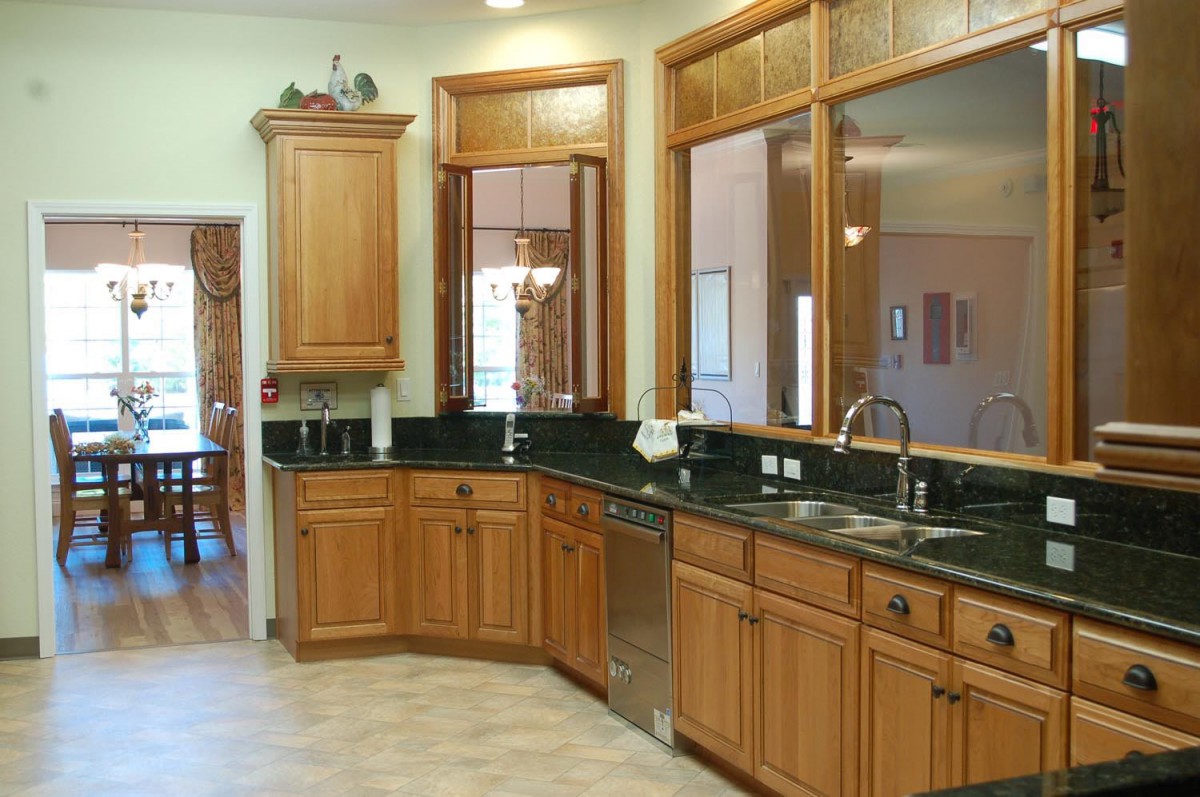
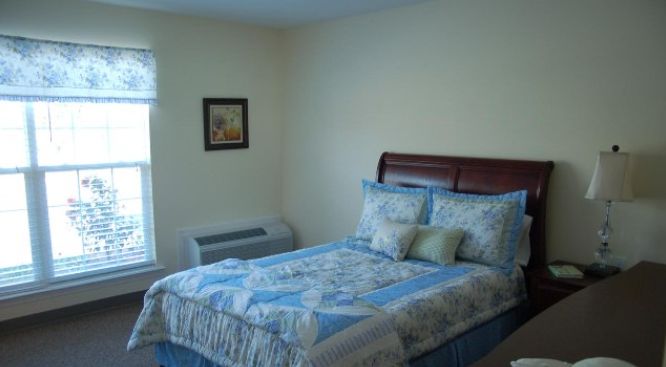
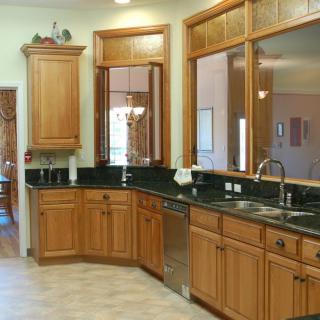
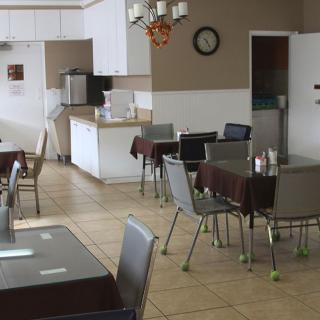
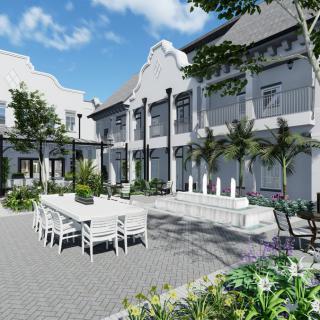
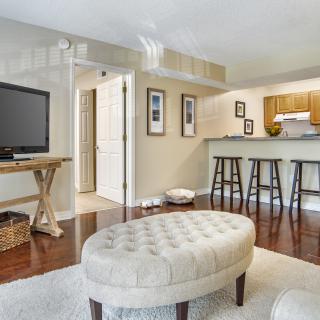
The strongest selling points, the staff’s genuine care, the sense of family, and a structured set of activities, tend to offset many logistical drawbacks. Reviews repeatedly highlight caregivers who treat residents like family, with patience and attentiveness that reduces frustration and loneliness. The emphasis on daily engagement, small social groups, art, chair exercises, and volunteer-led programs, helps residents stay connected and active, which is a meaningful dividend for families who cannot provide constant companionship. The physical environment reinforces this: single rooms with private bathrooms, a centrally located kitchen, and a generous dining area foster dignity and independence while avoiding the sterile feel of a larger institution. When these elements align, the home-like vibe delivers real peace of mind for families.
Yet the medical gap remains a real limitation. End-of-life scenarios tested the facility’s capacity to manage pain and adjust medications without on-site nursing support, a shortcoming that has informed hospice decisions and influenced family planning. For anyone whose loved one could require regular medical interventions, medication monitoring, or more intensive symptom control on site, this is a critical factor. The absence of round-the-clock medical oversight means emergencies and evolving health conditions may necessitate transfers or external care, a dynamic that can complicate peace of mind during difficult chapters. The contrast between warmth and medical coverage is stark and should guide decision-making: warmth helps daily living, but medical complexity demands more robust in-house capability.
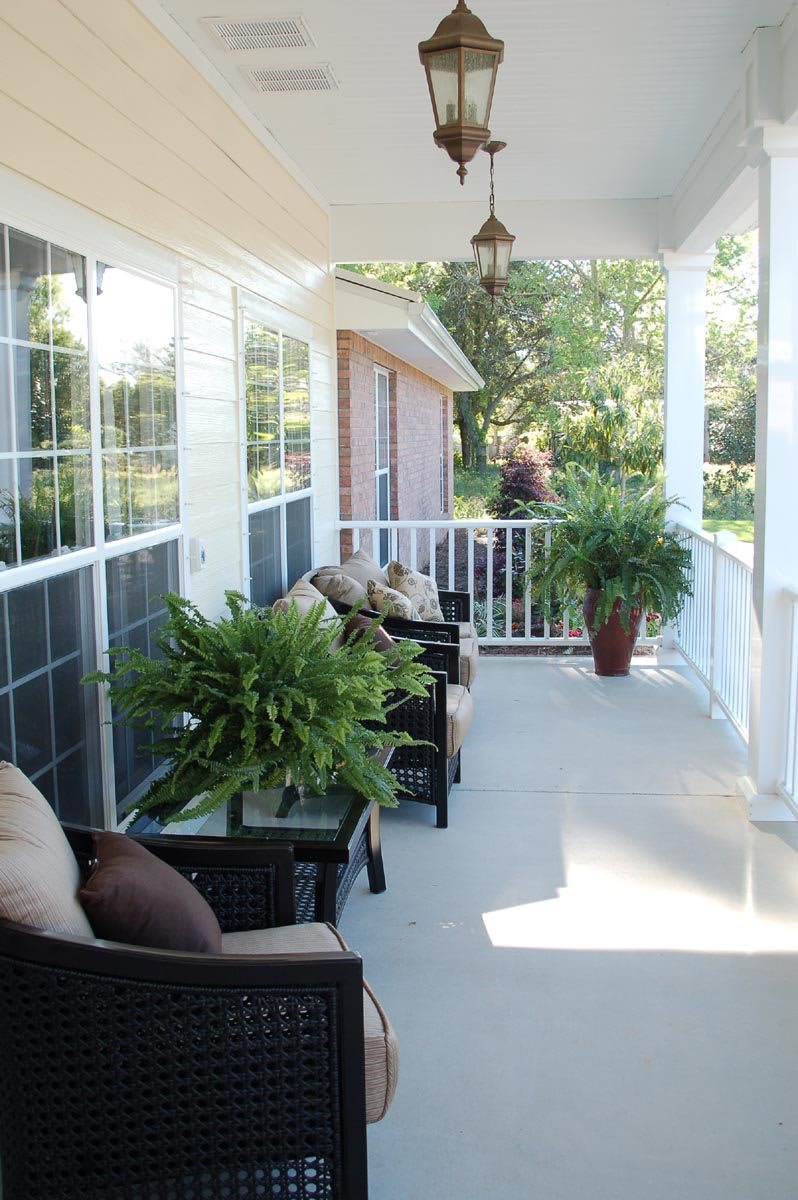
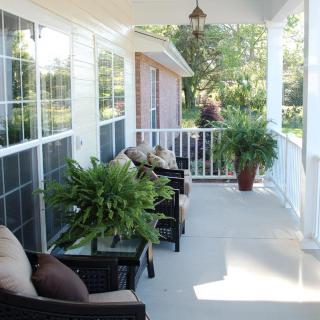
Dementia and memory-related care appear to be managed with notable patience and personalized attention, which is reassuring for families navigating cognitive decline. Staff members are described as understanding residents’ preferences and maintaining routines that preserve dignity, a strength in a setting that values companionship and stability. Prospective families should still verify whether the staffing model can sustain higher-needs memory support without specialized wings or additional trained personnel. Practical considerations also surface: the property’s outdoor layout includes hills that can challenge mobility, and not every room affords the privacy or quiet space families may need for private conversations. These real-world factors matter when matching a loved one’s temperament and mobility.
In the end, Bee Hive Homes Of Niceville offers a compelling option for families seeking a warm, homey, socially active environment with dependable daily care. The experience centers on human connection, consistent routines, and a sense of belonging that many seniors crave more than formal amenities. The decisive questions revolve around medical needs and privacy expectations: if end-of-life or ongoing skilled nursing support is unlikely to be required, this community can be a steady, comforting home with responsive, friendly caregivers. If medical complexity, private-room privacy, or a broader array of on-site services are essential, broader options with licensed nursing staff and more expansive programs should be explored. A thoughtful, in-person visit, targeted around medical oversight, caregiver qualifications, and the daily rhythm, will reveal how well Bee Hive Homes Of Niceville aligns with the loved one’s goals and the family’s expectations.
 16 resident community capacity
 Assisted Living
 Board and Care Home
 Day Program
 Memory Care
 Air-conditioning
 Beautician on-site
 Cable or satellite TV
 Devotional services on-site
 Dining room
 Fully furnished
 Garden
 Ground floor units
 Handicap accessible
 Housekeeping services
 Indoor common areas
 Move-in coordination
 Outdoor common areas
 Private
 Private bathrooms
 Respite or short term stays offered
 Telephone
 Wheelchair accessible showers
 Wi-Fi/high-speed internet available
 Eglin Air Force Base (5 miles away)
 24-hour supervision
 Ambulatory care
 Assistance with bathing
 Assistance with dressing
 Assistance with transfers
 Diabetes diet
 Diabetic care
 Incontinence care
 Meal preparation and service
 Medication management
 Special dietary restrictions
 Transportation arrangement (medical)
 Transportation to doctors appointments
 Art classes
 Brain fitness
 Cooking classes
 Day trips and outings
 Educational speakers / life long learning
 Karaoke
 Live dance or theater performances
 Live musical performances
 Stretching classes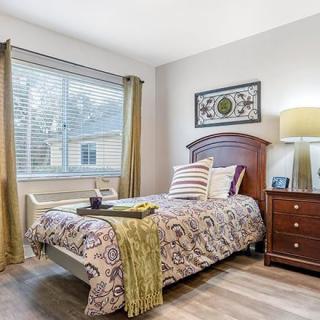


 Comprehending Evening Confusion in Dementia: Causes, Manifestations, and Support
 Delirium and Dementia: Unraveling the Key Differences
 Are Dementia and Alzheimer's Disease Lethal? A Comprehensive Exploration