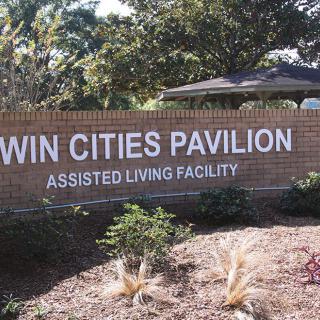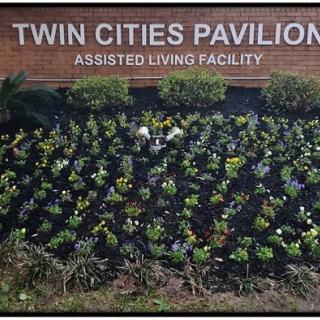
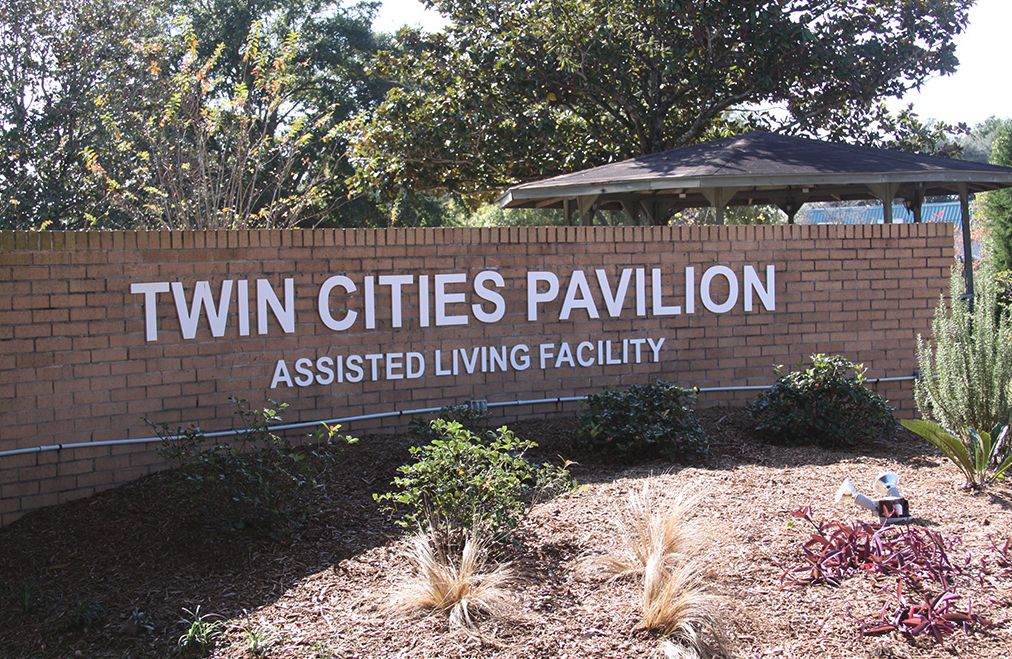
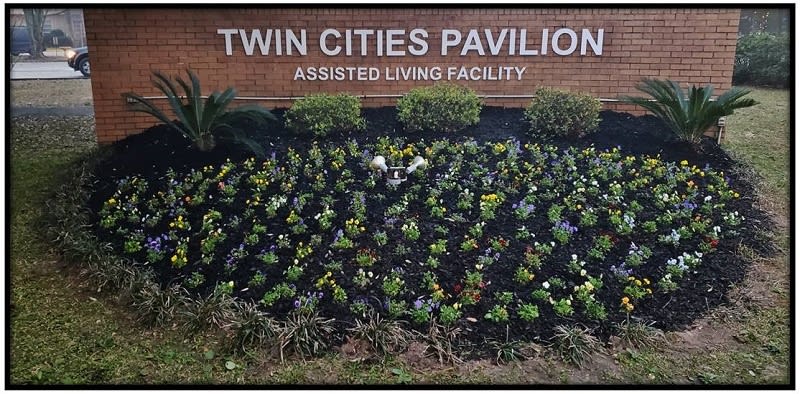
1053 John Sims Parkway, Niceville, FL 32578
For more information about senior living options: (866) 208-4318
Twin Cities Pavilion Costs & Pricing
Twin Cities Pavilion offers competitive pricing for its accommodation options, particularly when compared to the average costs in Walton County and across Florida. For semi-private rooms, Twin Cities Pavilion ranges from $2,300 to $2,999, which is notably lower than the county's average of $3,071 and the state average of $3,009. Their one-bedroom units are available at a flat rate of $2,600, significantly more affordable than Walton County's average of $3,867 and just slightly less than Florida's average cost of $3,864. Moreover, their private rooms are priced at $3,999 - while this figure surpasses Walton County's local rate of $4,100, it still remains more economical than the state average of $3,699. Overall, Twin Cities Pavilion presents a favorable option for those seeking quality care without compromising on affordability.
| Floor plans | Twin Cities Pavilion | Walton County | Florida |
|---|---|---|---|
| Semi-Private | $2,300 to $2,999 | $3,071 | $3,009 |
| 1 Bedroom | $2,600 | $3,867 | $3,864 |
| Private | $3,999 | $4,100 | $3,699 |
Assisted Living communities with a similar price nearby
-
from +$195 / mo
Brookdale Fort Walton Beach
$2,495 to $4,315 / month11.7 miles away -
About the same
Crestview Manor
$2,300 to $2,600 / month18.1 miles away
Overall Review of Twin Cities Pavilion
Pros
 Amanda and the staff are awesome and hardworking.
- This facility is wonderful and well maintained.
- The staff are very attentive and genuinely care about residents.
- Amanda, her staff, and volunteers make this a great place to live for those needing assisted living.
- The people are very sweet, contributing to a warm, welcoming environment.
- The staff go above and beyond to help residents.
- The tour guide was very nice and helpful.
- The facility benefits from strong community involvement and upkeep.
Cons
 Tina was rude and disrespectful on the phone.
- The facility was filthy.
- There wasn’t enough staff.
- The weekends were understaffed.
- The place definitely needs a good scrubbing and upgrades.
- The facility doesn't have full-time RNs on staff.
- The reviewer wouldn't put a dog in there.
Review
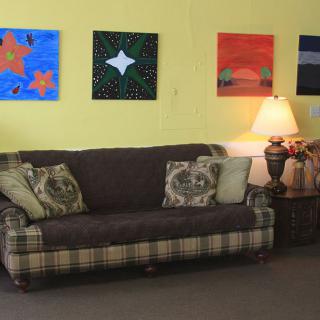
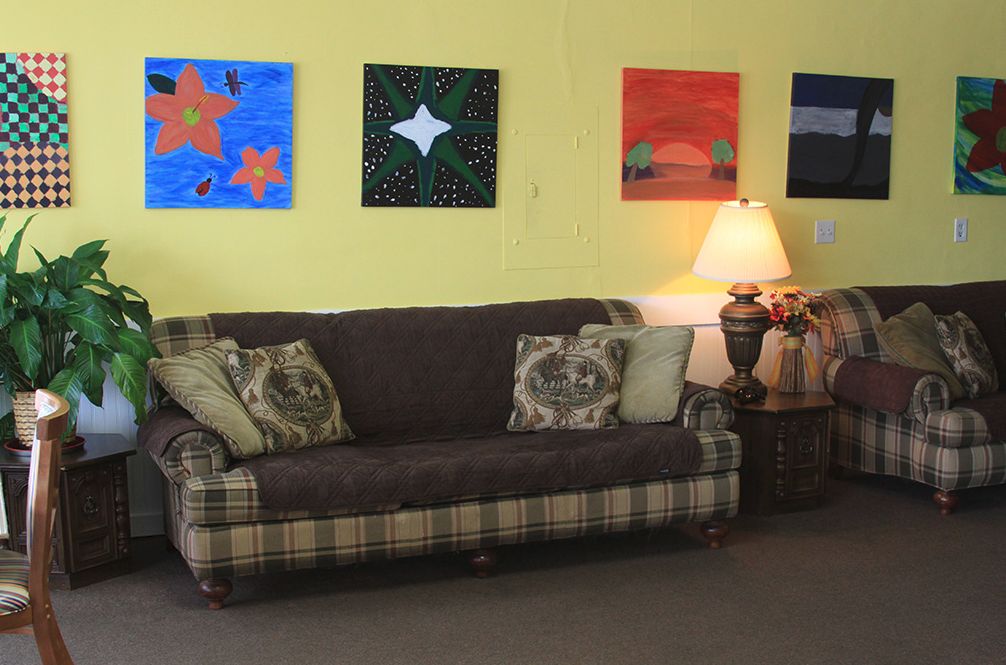
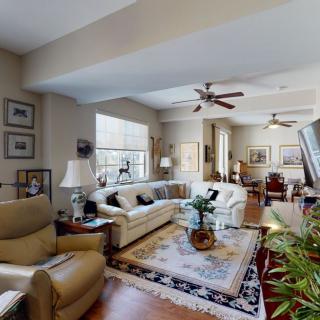
Twin Cities Pavilion in Niceville, Florida is best suited for seniors and families seeking a smaller, home-like assisted living environment where staff relationships matter and everyday life centers on community, connection, and practical care rather than high-end amenities. The community tends to attract residents who are comfortable living in a modestly furnished setting and who value personal attention from a dedicated local team. It also appears to be a reasonable option for households working with tighter budgets or income limitations, given anecdotes about accessibility for lower-income residents and a willingness to accommodate affordability concerns. In short, this is the kind of place where residents and families will feel known, rather than impressed by chrome and marble.
That said, several caveats deserve clear consideration. Alternatives should be explored for families prioritizing predictably high-level medical oversight, very modern facilities, or expansive on-site programming. Some reviewers voiced real concerns about staffing consistency, weekend coverage, and the absence of a full-time RN, which matters when medical needs are moderate to high or when a resident relies on timely clinical judgment. The facility’s older, less contemporary feel and sometimes smaller private spaces may also push families toward newer or more spacious campuses if luxury and newest design are priorities. Those who cannot tolerate the occasional perception of uneven cleanliness or modest maintenance should weigh options with stronger environmental standards and firmer daily medical support.
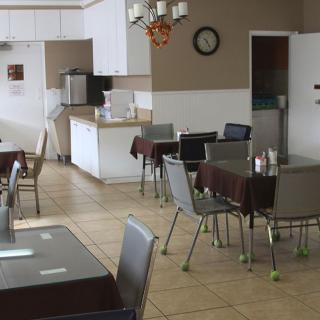
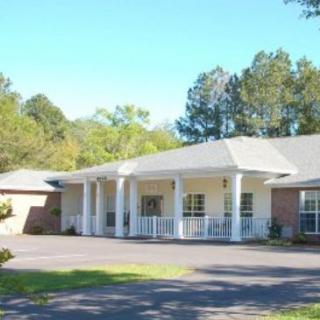
The strongest case for Twin Cities Pavilion lies in its human capital and the tangible sense of community. Several families point to Amanda and the staff as the core of the experience: attentive, caring, and consistently present in daily life. Residents themselves are described as “awesome” and engaged, with activities such as bingo and volunteer visits creating opportunities for meaningful interaction. The presence of a beauty shop, regular grooming services, and a steady stream of volunteers can make a practical difference for residents who value personal care and social contact. Maintenance and cleanliness receive mixed emphasis, but many reviews note that the facility is well kept and that the atmosphere feels homelike rather than institutional. In a market flooded with glossy facades, this is the kind of place where a well-ordered routine and neighborly atmosphere can compensate for older finishes and smaller rooms.
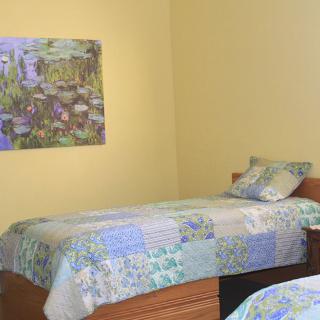
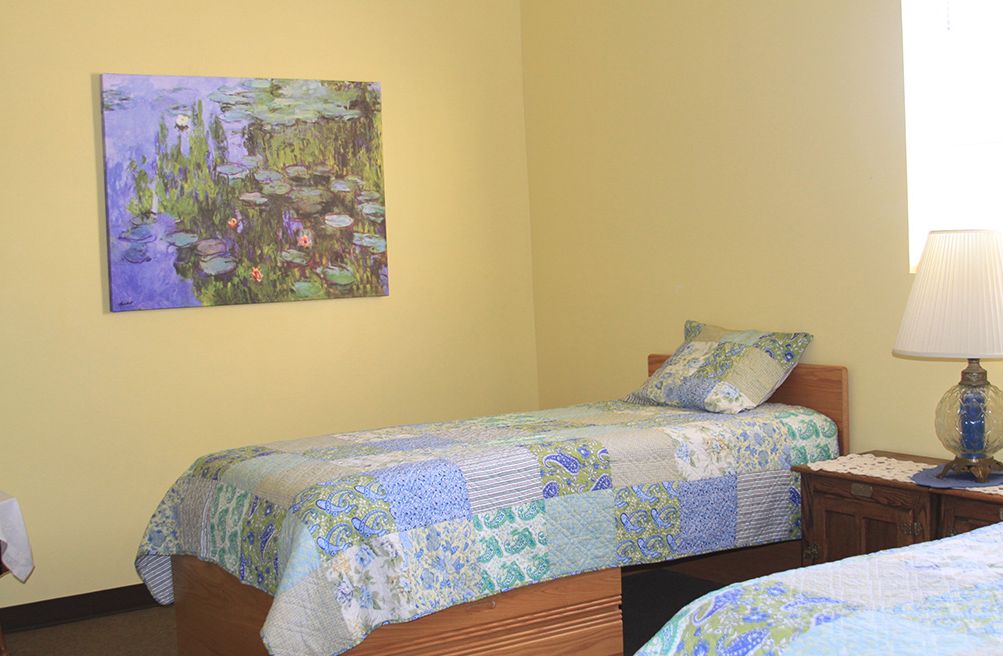
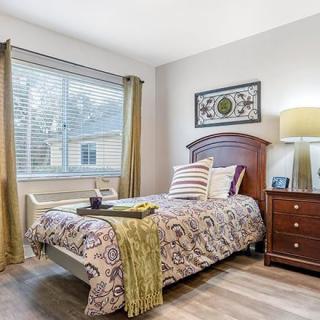
Yet the cons cannot be dismissed. One persistent thread is staff inconsistency, with complaints about rude frontline communication and occasional understaffing, particularly on weekends. The absence of a full-time RN in some reports raises legitimate questions for families with residents who require steady clinical oversight or rapid access to medical advice. The rooms themselves reflect the facility’s age: two-person options are common, and private rooms can feel compact or dated. The location, “in the middle of town”, may be a plus for some families who want access to amenities outside, but it can be a drawback for those seeking a quieter, more secluded setting. A handful of reviewers describe cleanliness and upgrades as uneven, underscoring the risk that impressions can fluctuate with shifts and seasons.
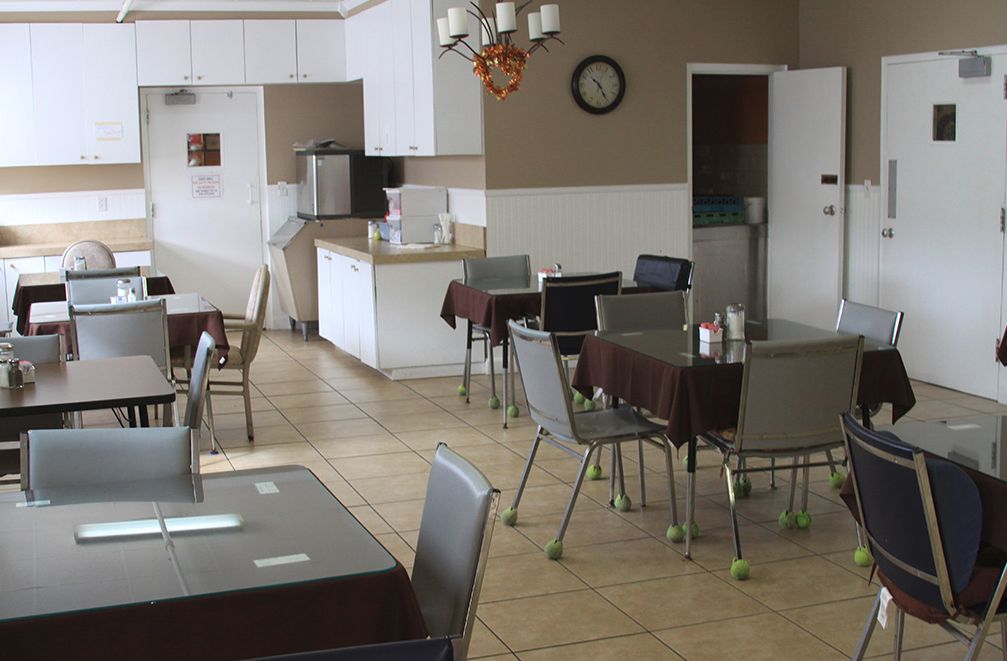
In deciding whether this community fits, prioritize concrete realities over hopeful expectations. Visit with questions tailored to care needs: what is the current RN schedule, and how are medical concerns escalated at night or on weekends? Request a tour of typical rooms, focusing on space, safety features, and accessibility for a wheelchair or walker. Review the activity calendar and speak with residents about daily life, are there enough people to sustain companionship on weekdays and weekends? Assess the dining experience for nutritional adequacy and variety, as impressions here can color overall satisfaction even when caregiving is solid. And finally, probe staffing consistency, turnover, and how the team handles emergencies, because these factors will determine whether the pros, heartfelt staff, resident camaraderie, and practical care, outweigh the cons.
The verdict favors Twin Cities Pavilion for families prioritizing warmth over polish, and care over luxury. It is a practical home for seniors who thrive on routine, meaningful social interaction, and a neighborhood atmosphere where staff know residents’ names and preferences. The most compelling reasons to commit here are the long-standing relationships with Amanda and her team, the volunteer-driven culture, and the broader sense that residents are cared for with patience and personal attention. For families who value a well-loved, community-driven environment and can tolerate the modest footprint and occasional staffing caveats, this is a credible, cost-conscious choice.
Ultimately, this community should be weighed against alternatives for anyone whose expectations include pristine, modern interiors, constant RN-backed medical oversight, or top-tier dining and programming. If those attributes are non-negotiable, steering toward newer or larger campuses with robust clinical staffing may be prudent. If, however, the priority is a sincere, affordable environment where residents feel known and involved, Twin Cities Pavilion delivers a compelling blend of care and camaraderie that can translate into real peace of mind for families navigating the challenging terrain of assisted living decisions.
 50 resident community capacity
 Assisted Living
 Cats allowed
 Dogs allowed
 Activities on-site
 Beautician on-site
 Cable or satellite TV
 Devotional services off-site
 Dining room
 Fully furnished
 Garden
 Housekeeping services
 Indoor common areas
 Kitchenette
 Move-in coordination
 Outdoor space
 Respite or short term stays offered
 Restaurant-style dining
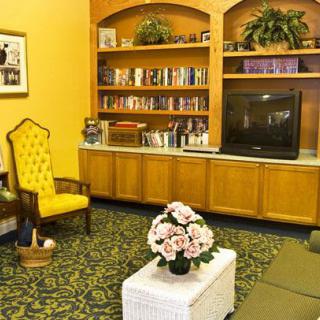
 Small library
 Telephone
 Wi-Fi/high-speed internet available
 Eglin Air Force Base (4 miles away)
 24-hour call system
 Ambulatory care
 Assistance with bathing
 Assistance with dressing
 Assistance with transfers
 Diabetes diet
 Diabetic care
 Hospice care
 Incontinence care
 Medication management
 Mental wellness program
 Special dietary restrictions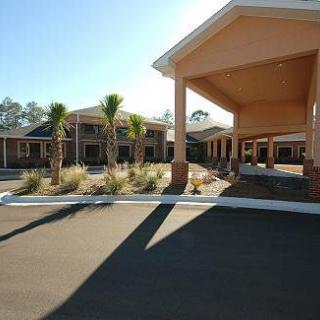

 When to Transition from Assisted Living to Memory Care: Key Indicators, Steps, and Finding the Right Community
 Assisted Living and Memory Care: Understanding Their Core Differences
 Beyond the Bingo Hall: 50+ Enriching Activities for Seniors in Assisted Living