New Port Richey Center for Assisted Living Costs & Pricing
New Port Richey Center for Assisted Living offers competitive pricing compared to both Pasco County and the broader state of Florida. For those considering semi-private accommodations, the monthly fee at New Port Richey stands at $1,800, significantly lower than the county average of $2,898 and the state average of $3,009. Similarly, studio apartments are priced at $2,400, offering a more affordable option when juxtaposed with Pasco County's average of $3,320 and Florida's state average of $3,823. These cost-effective options make New Port Richey Center an attractive choice for individuals seeking quality assisted living services without the elevated financial burden commonly seen in the region.
Floor plans
New Port Richey Center for Assisted Living
Pasco County
Florida
Semi-Private
$1,800
$2,898
$3,009
Studio
$2,400
$3,320
$3,823
Memory care communities with a similar price nearby
Overall Review of New Port Richey Center for Assisted Living
common41 reviews mention this
Caring, responsive staff stand out
Residents and families consistently describe caring, responsive staff.
Across many reviews, residents and loved ones say the staff is kind, helpful, and easy to approach, with day-to-day support that feels personal. Multiple reviewers mention administrators or specific team members who respond to concerns, coordinate care needs, and provide reassurance. Some negative reviews also criticize how certain situations were handled, but even those often acknowledge staff members as pleasant or caring in at least some instances.
caveat6 reviews mention this
Memory care support gets mixed feedback
Memory care reviews are split between strong support and specific concerns.
Several families describe the memory care unit as compassionate and respectful, with staff learning routines and treating residents with dignity, as well as easing transitions into the unit. Others raise concerns focused on the amount of attention in memory care and how incidents were managed or communicated. At the same time, even some critical reviews still include positive mentions of individuals, which suggests uneven experiences rather than a single consistent pattern.
common7 reviews mention this
Food quality is frequently praised
Dining is a regular point of praise from residents and families.
Multiple reviews call out the food as good and sometimes better than what the reviewer experienced elsewhere. Some reviewers also mention preference or diet-related expectations, while at least one review expresses the opposite concern about special diet offerings. Overall, food shows up often enough to feel like a meaningful part of the day-to-day experience, not just a passing comment.
common12 reviews mention this
Facility cleanliness and safety matter
Many reviewers mention the facility feels clean and well cared for.
A substantial number of reviews describe the building as clean, maintained, and safe, including hallways and common areas. Some reviewers connect cleanliness and upkeep to peace of mind and a home-like feeling. A smaller set of reviews provide the counterpoint, describing cleanliness issues and reporting safety-related incidents, which indicates the experience may vary by time or situation.
How we summarize
Counts show how many written reviews mention each theme; a review can touch several themes, and only frequently mentioned themes are displayed.
Features
Types of Care
Assisted Living
Day Program
Memory Care
Amenities
Activities on-site
Devotional services off-site
Indoor common areas
Transportation
Tampa International (22 miles away)
St. Petersburg-Clearwater International (23 miles away)
Care Services
Ambulatory care
Diabetic care
Medication management
Dining
Meals provided
Activities
Activities on-site
Devotional activities offsite
Nearby Places of Interest
This part of New Port Richey, Florida, offers a convenient location with a variety of amenities nearby. There are several physicians and healthcare facilities in the area, providing easy access to medical care. The presence of multiple restaurants, including well-known chains such as Cracker Barrel and McDonald's, ensures that residents have plenty of dining options. The Jay B Starkey Wilderness Park provides a beautiful outdoor space for recreational activities and nature walks. There are also pharmacies in close proximity for easy prescription refills. For those who enjoy coffee or baked goods, popular cafes like Starbucks and Panera Bread are just a short drive away. Additionally, the Medical Center Of Trinity is located within a reasonable distance for any emergency medical needs. Overall, this area offers a blend of convenience and leisure options that may appeal to seniors looking for a vibrant community to call home.
New Port Richey Center for Assisted Living offers competitive pricing compared to both Pasco County and the broader state of Florida. For those considering semi-private accommodations, the monthly fee at New Port Richey stands at $1,800, significantly lower than the county average of $2,898 and the state average of $3,009. Similarly, studio apartments are priced at $2,400, offering a more affordable option when juxtaposed with Pasco County's average of $3,320 and Florida's state average of $3,823. These cost-effective options make New Port Richey Center an attractive choice for individuals seeking quality assisted living services without the elevated financial burden commonly seen in the region.
Medication management is crucial in a memory care environment as it ensures that residents receive the correct dosages of their prescribed medications at the appropriate times. This feature helps reduce confusion and anxiety for individuals with dementia or Alzheimer's disease, who may struggle to remember if they've taken their medication or what it is for. Trained staff closely monitor medication schedules, providing additional support to address any side effects or complications that may arise. By implementing systematic medication oversight, the facility not only fosters adherence to treatment plans but also enhances overall well-being and stability for residents navigating cognitive challenges.
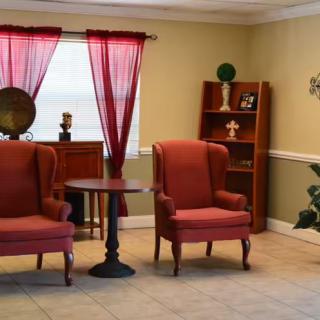
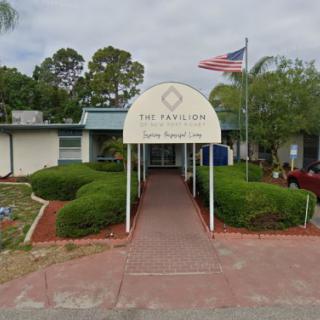
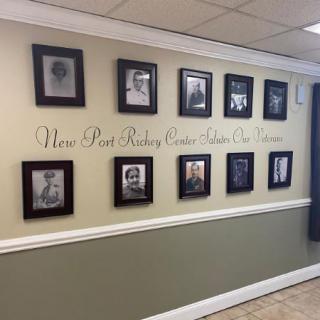
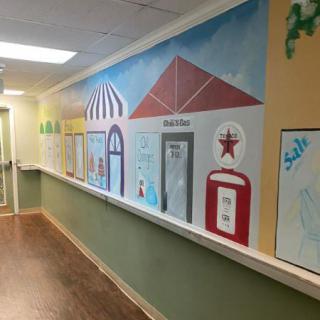
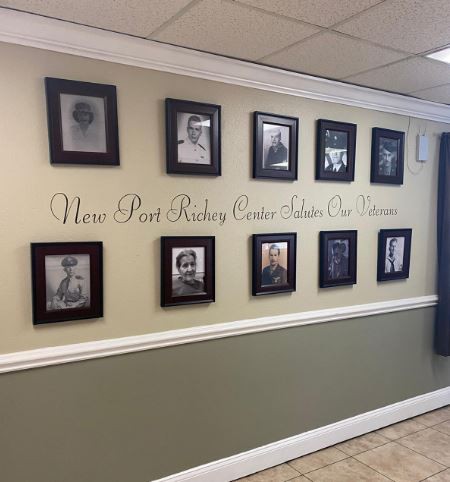
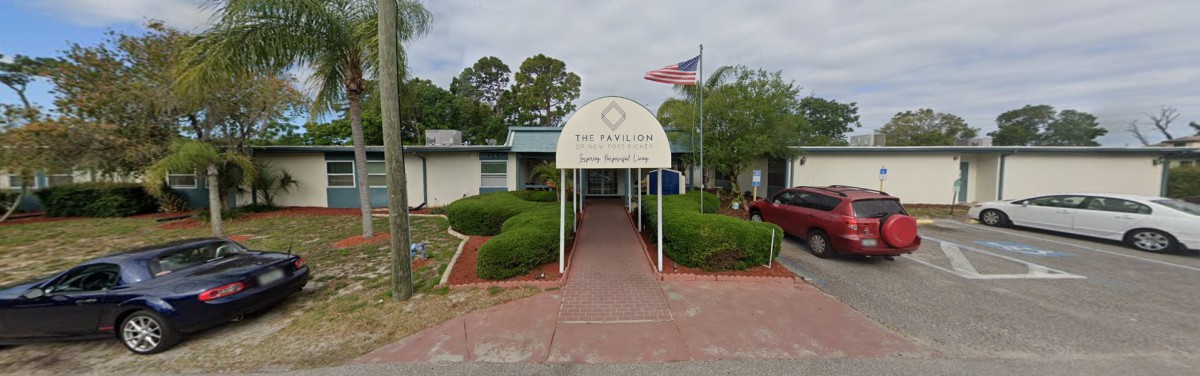
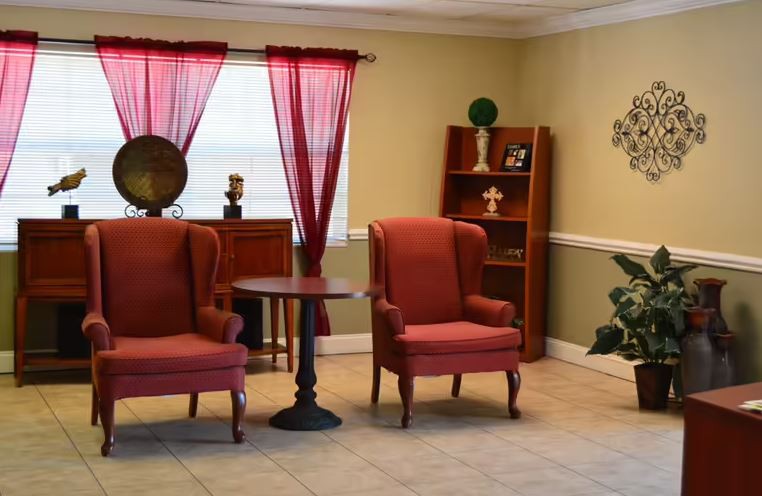
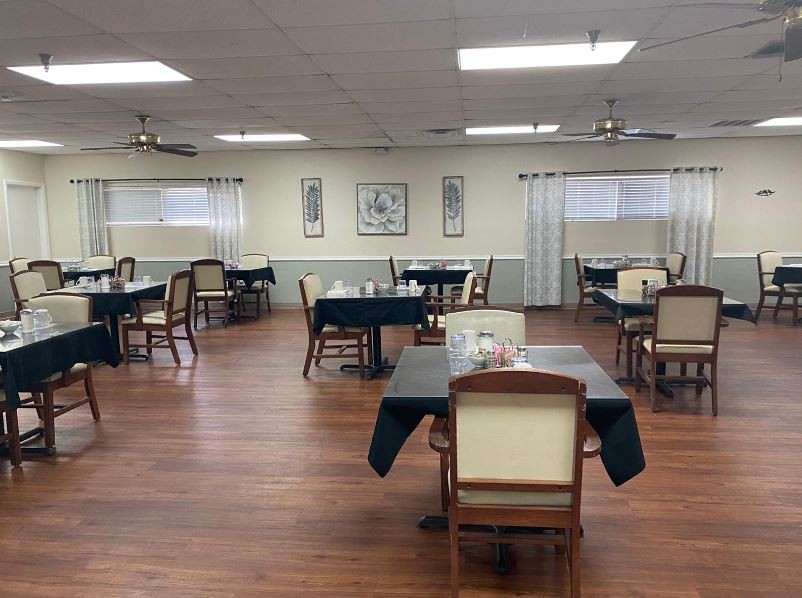
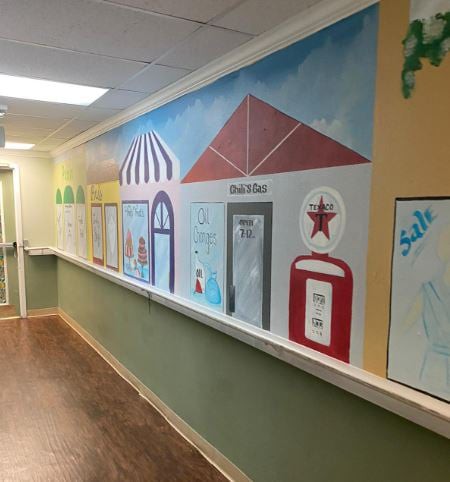
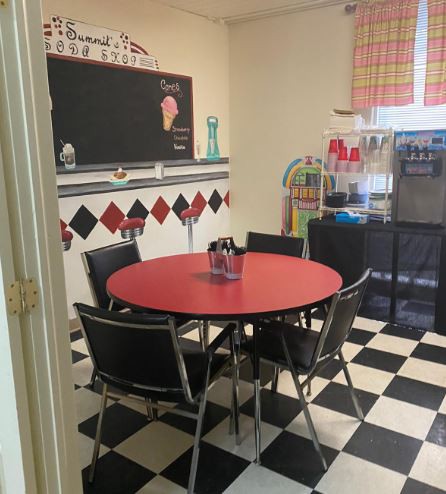
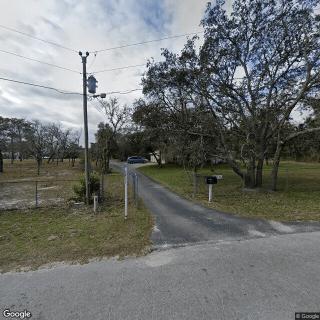
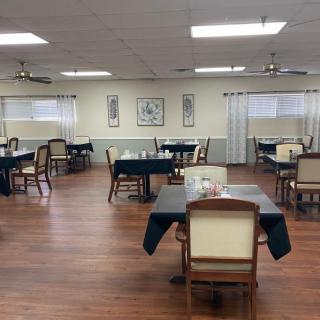
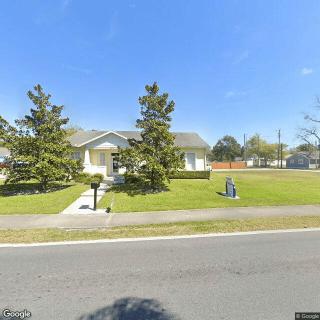
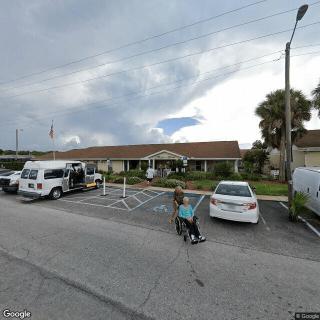
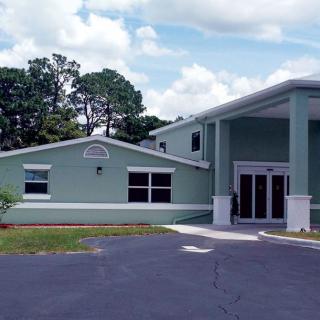
New Port Richey Center for Assisted Living on seniors.fyi includes 7 photos including images showing interior, dining, hallway, painting, interior decor, wall art, building, entrance, and more.
Nearby Communities
New Port Richey Center For Assisted Living And Memory Care
New Port Richey, FL
4.1 from 16 reviews
Caring staff with good rapport and attentive care.
Bel-Air House
New Port Richey, FL
4 from 3 reviews
Intimate, home-like setting with personalized care.
Senior Helpers - New Port Richey, FL
New Port Richey, FL
4.2 from 13 reviews
Central location with easy access to amenities.
Precious Care and Home Companion Service, Inc.
New Port Richey, FL
2.6 from 5 reviews
Diverse dining options with nearby healthcare amenities.
Mobile Personal Svc
New Port Richey, FL
2.9 from 8 reviews
Strong nearby healthcare, dining, and worship options.
Maxim Healthcare
New Port Richey, FL
Nearby amenities include cafes, a park, pharmacies, physicians, restaurants, and a place of worship.
The Landings of St Andrew
New Port Richey, FL
4.1 from 136 reviews
$734 to $850 / month
Friendly, supportive community with newly renovated apartments, a robust activity calendar, and convenient transportation.
Madison Pointe Rehabilitation and Nursing Cen
New Port Richey, FL
3.7 from 115 reviews
Effective physical therapy with compassionate aides.
Angels Senior Living In New Port Richey
New Port Richey, FL
4.4 from 45 reviews
Clean facility with caring staff in a smaller, personal setting and engaging activities.
Dementia, particularly Lewy body dementia, often involves hallucinations that can significantly distress both patients and caregivers due to disruptions in sensory processing and neurotransmitter imbalances. Effective management includes compassionate communication, environmental adjustments, and a multidisciplinary approach to care while addressing the emotional needs of caregivers.
Alzheimer’s disease is a progressive neurological disorder that significantly impacts memory and cognitive functions, accounting for 60-80% of dementia cases, with early diagnosis being crucial yet challenging. It involves brain changes like beta-amyloid plaques and tau tangles, influenced by genetic and lifestyle factors, and while there is no cure, symptom management and support for caregivers are essential.
Dementia, influenced by aging and certain medications, may be exacerbated by drug classes such as anticholinergics, benzodiazepines, and antipsychotics, which are associated with cognitive impairment. Regular medication reviews by healthcare professionals are crucial for older adults to manage risks and optimize cognitive health.
Landscaping, Building, Entrance, Pathway, and Flag
Wall Art and Interior Decor
Painting and Hallway
Additional Photos
Get PricingAsk A QuestionSchedule A TourContact Senior Advisor
By clicking submit, you agree to our Partner's Terms of Use. You
also consent to receive calls and texts, which may be autodialed, from our Partner. Your consent is not a condition to
using our Partner's service. Please visit our Partner's Privacy Policy for information about their privacy practices.

 Assisted Living
 Day Program
 Memory Care
 Devotional services off-site
 Indoor common areas
 Tampa International (22 miles away)
 Ambulatory care
 Diabetic care
 Medication management
 Meals provided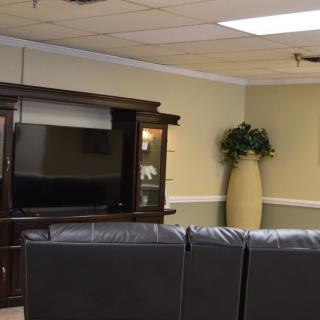
 Caring staff with good rapport and attentive care.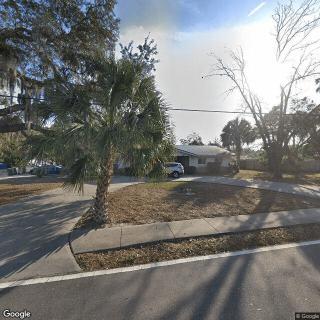

 Dementia-Related Hallucinations: Causes, Experiences, and Practical Approaches
 Illuminating Insights About Alzheimer's Disease: Ten Crucial Realities
 A Thorough Discussion of Medications Potentially Linked to Dementia Risk