The Collier at Naples

Save

  • Interior

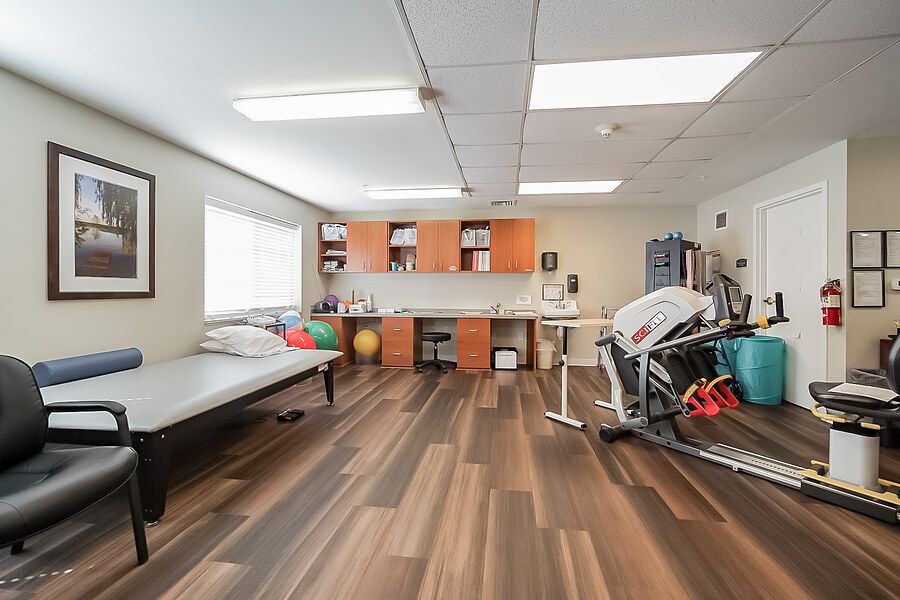
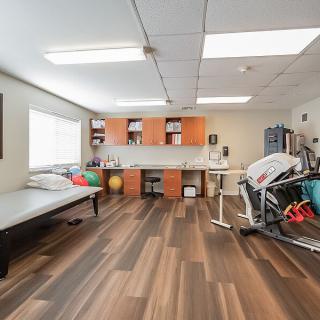
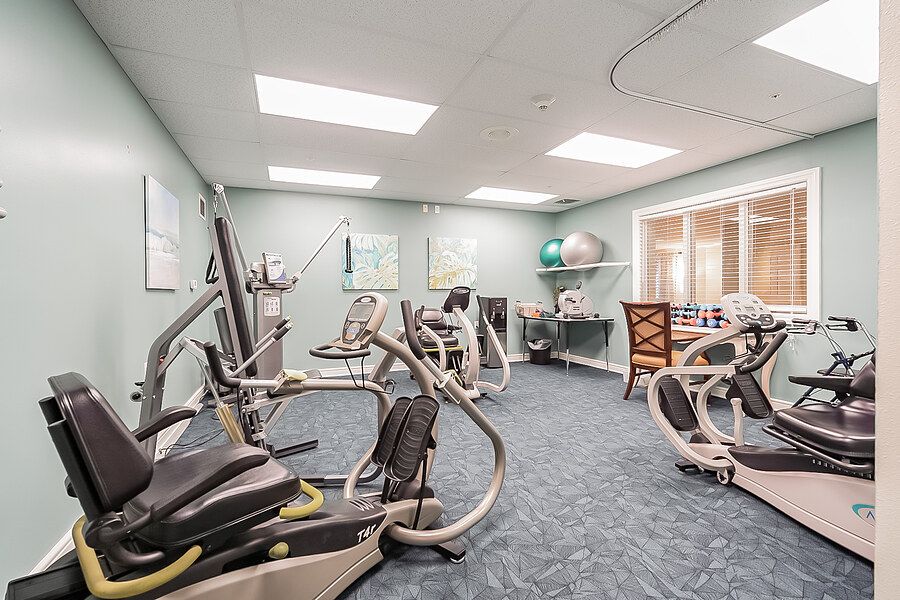
    A well-equipped rehabilitation room featuring exercise equipment and a treatment table.
  • Decor

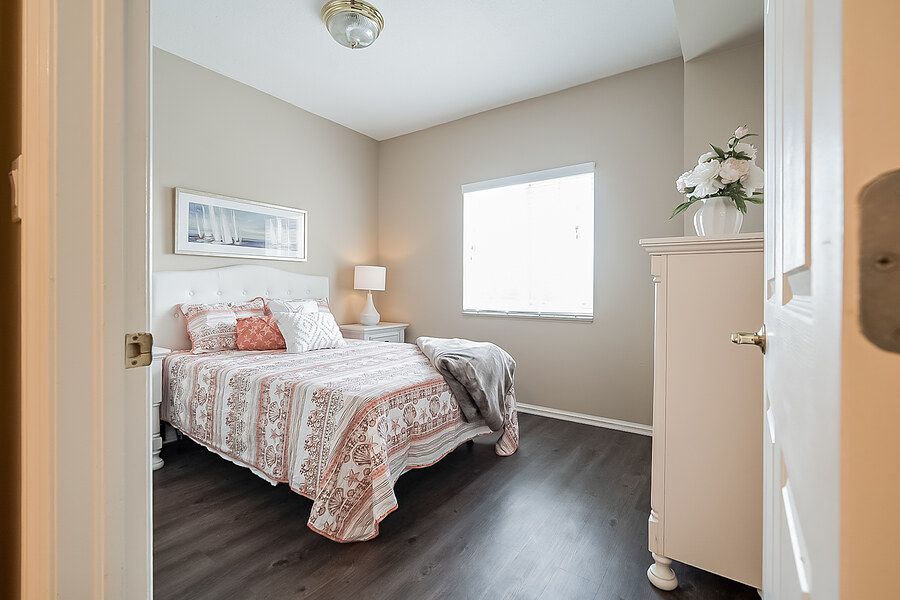
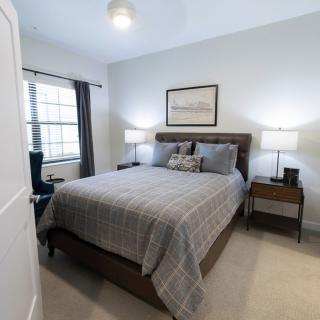
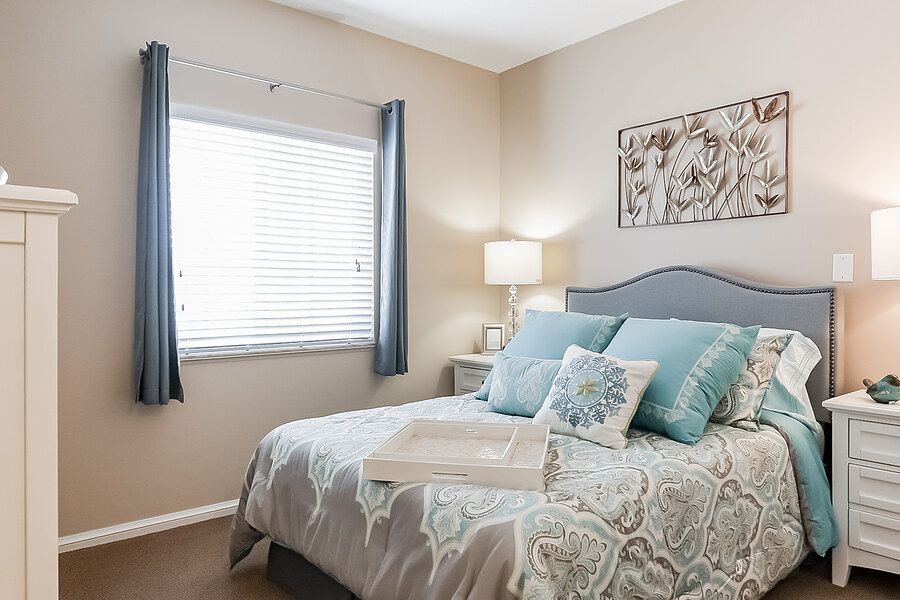
    A cozy bedroom featuring a neatly made bed with patterned bedding, a nightstand with a lamp, and a dresser under the window.
  • Living Room

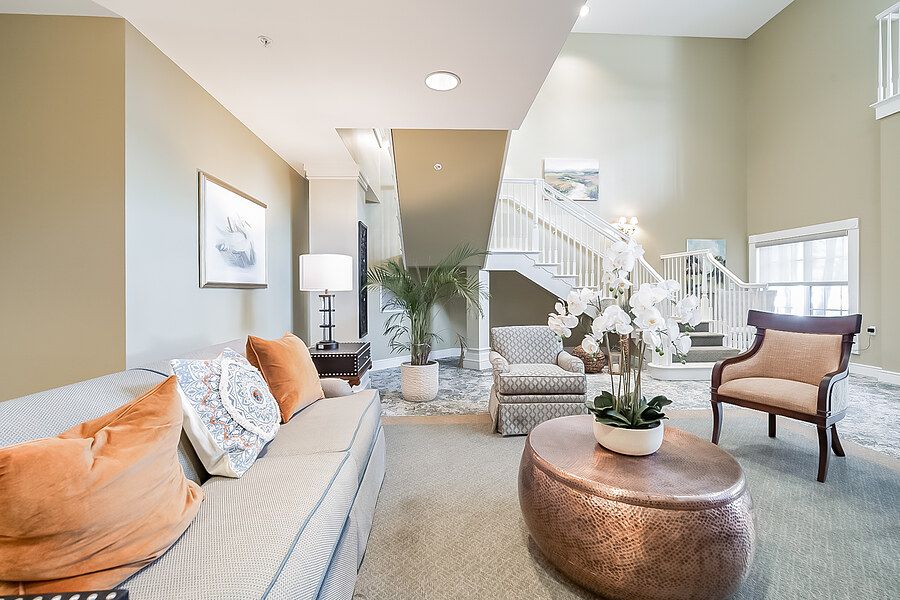
    A cozy living room with sofas, chairs, and a computer desk.
  • Building

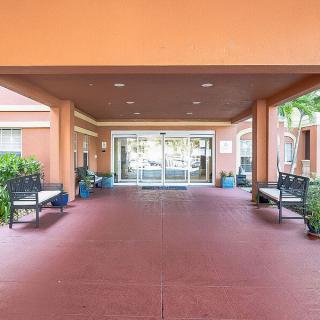
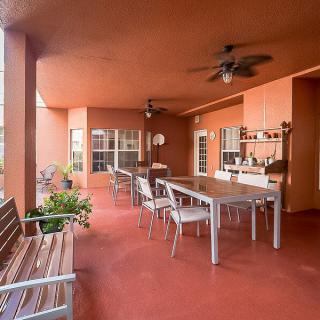
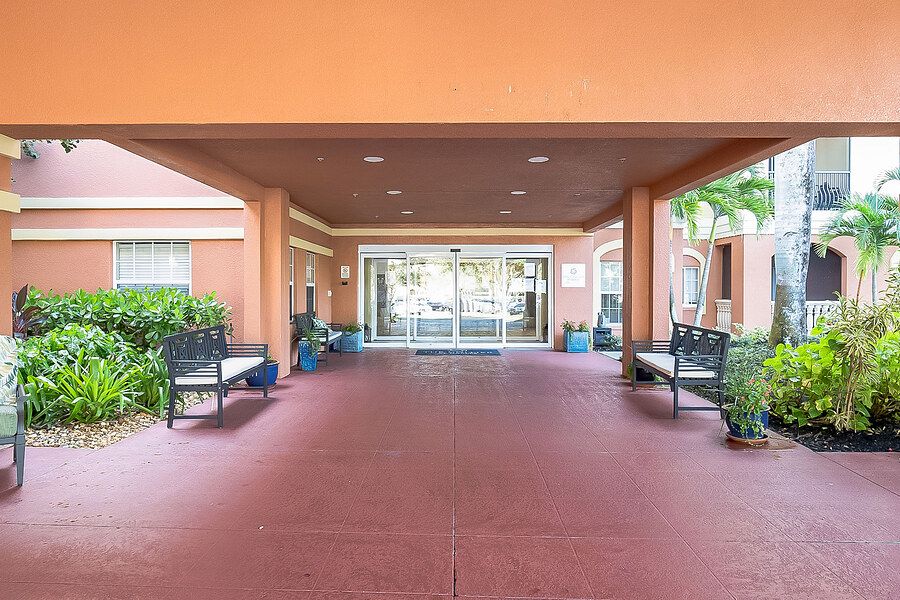
    A covered building entrance with benches and potted plants.
  • Architecture

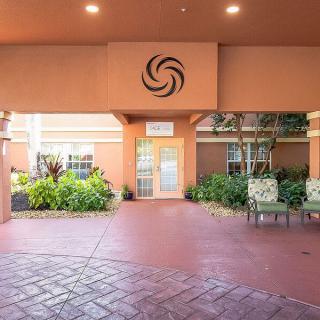
    The image shows an entrance area with outdoor seating, featuring plants and distinctive architectural design.
  • Bedroom

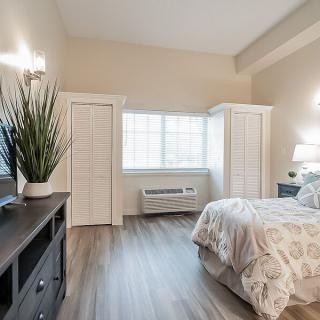
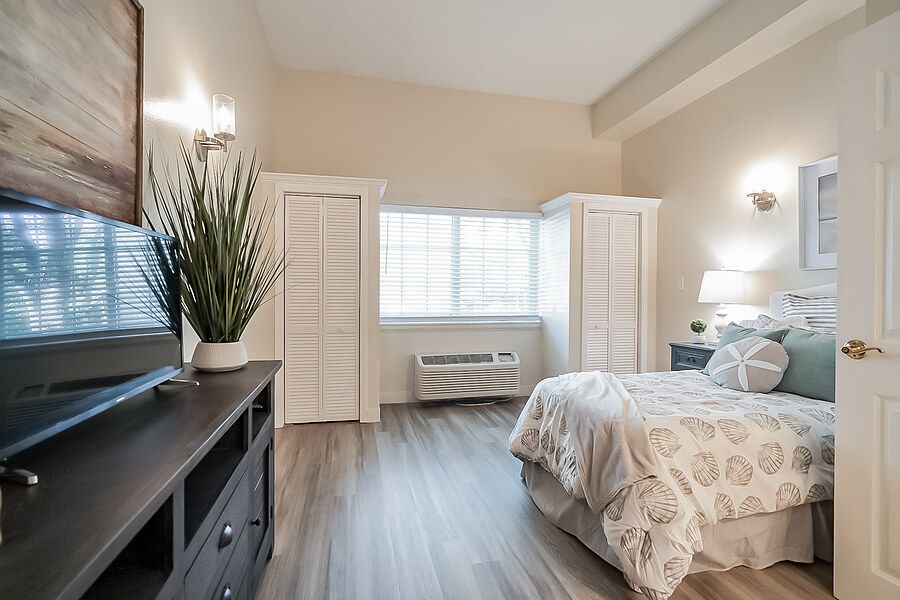
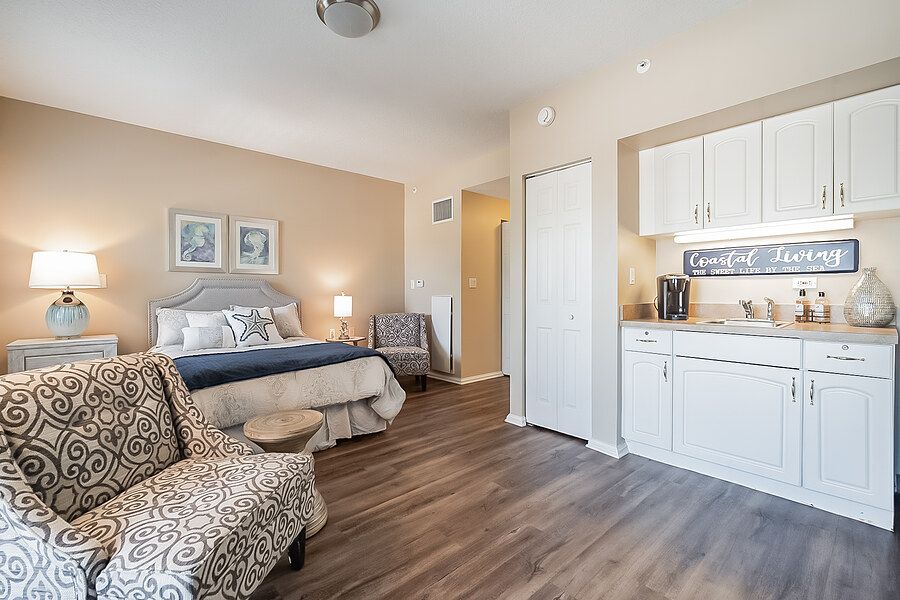
    A modern bedroom with light walls, hardwood floors, and stylish furnishings.
  • Trees

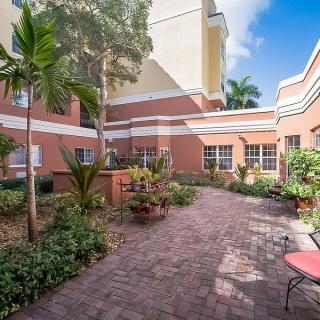
    A peaceful courtyard with a brick pathway, surrounded by lush plants and a seating area, adjacent to a residential building on a sunny day.
  • Windows

    A cozy bedroom with a neatly made bed, soft pillows, and gentle lighting.
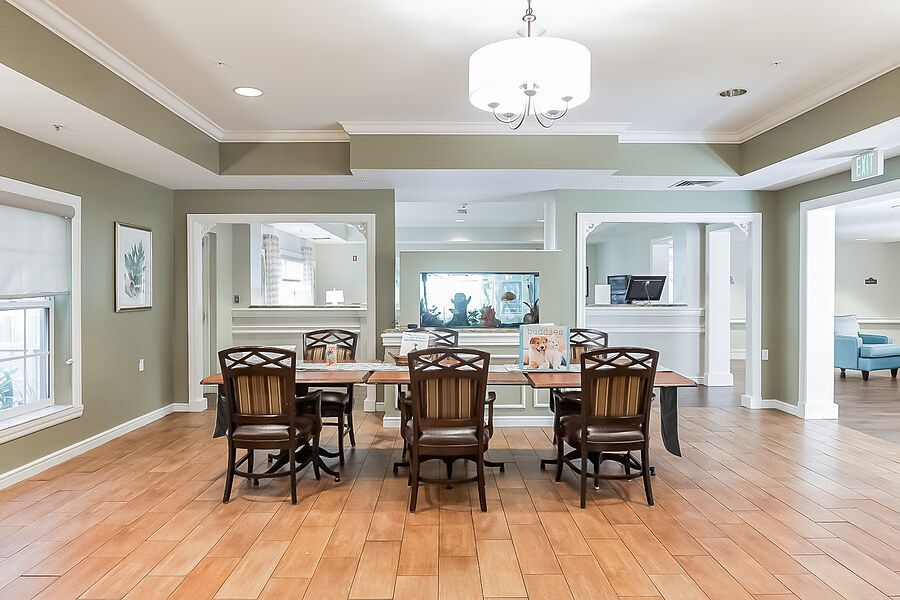
  • Dining

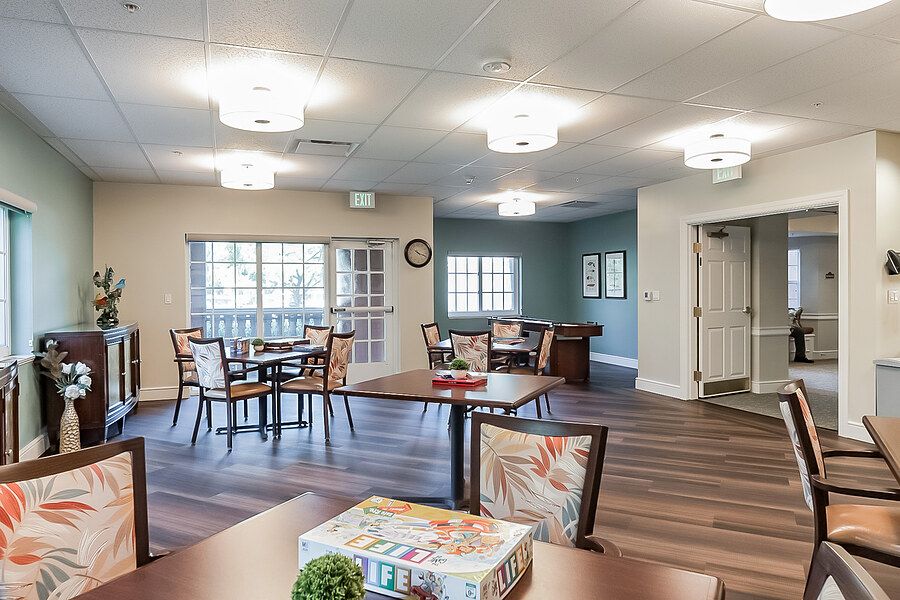
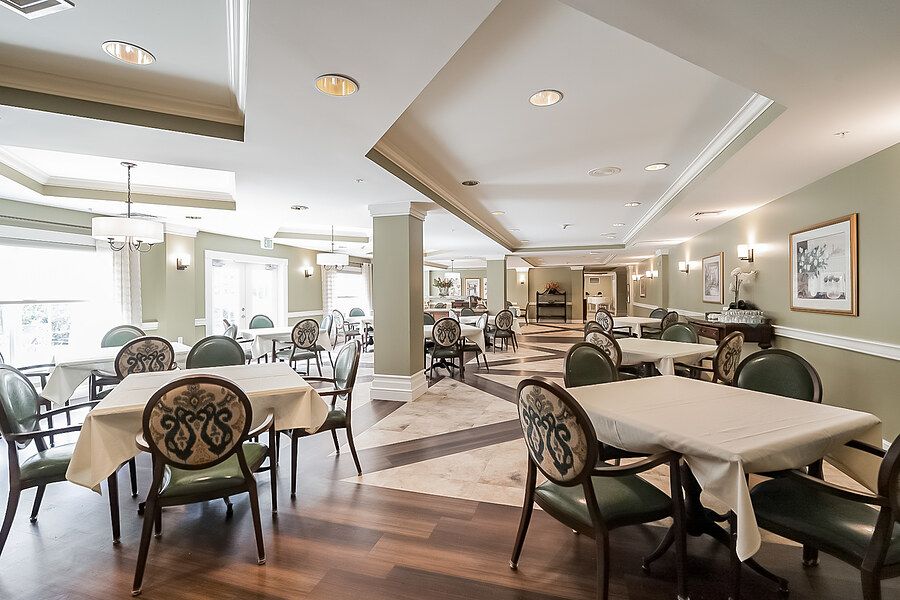
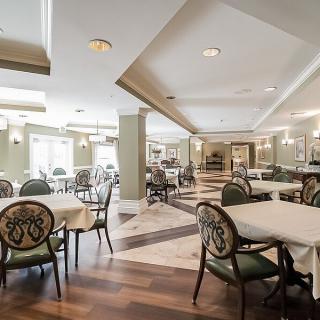
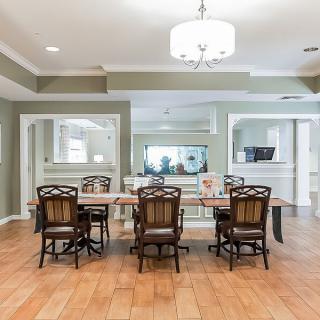
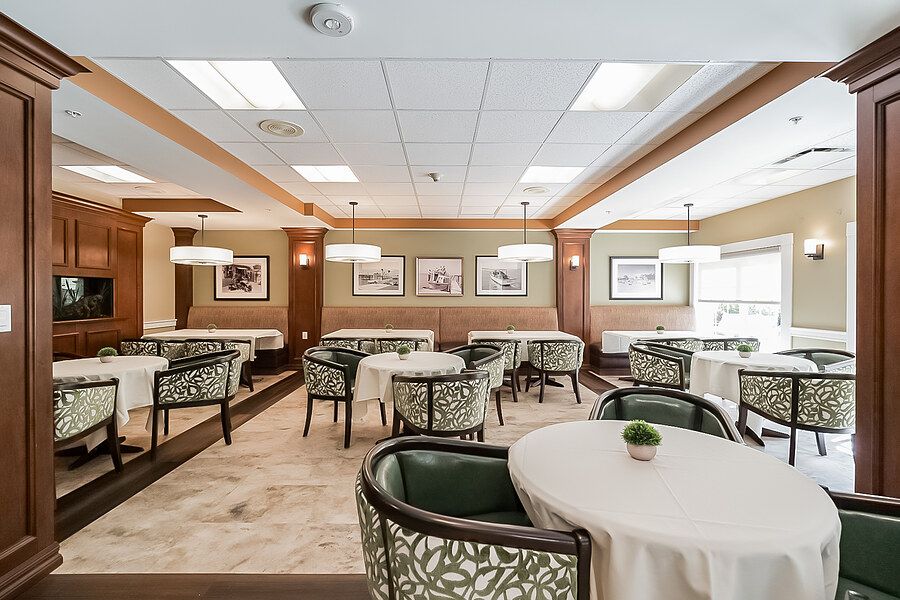
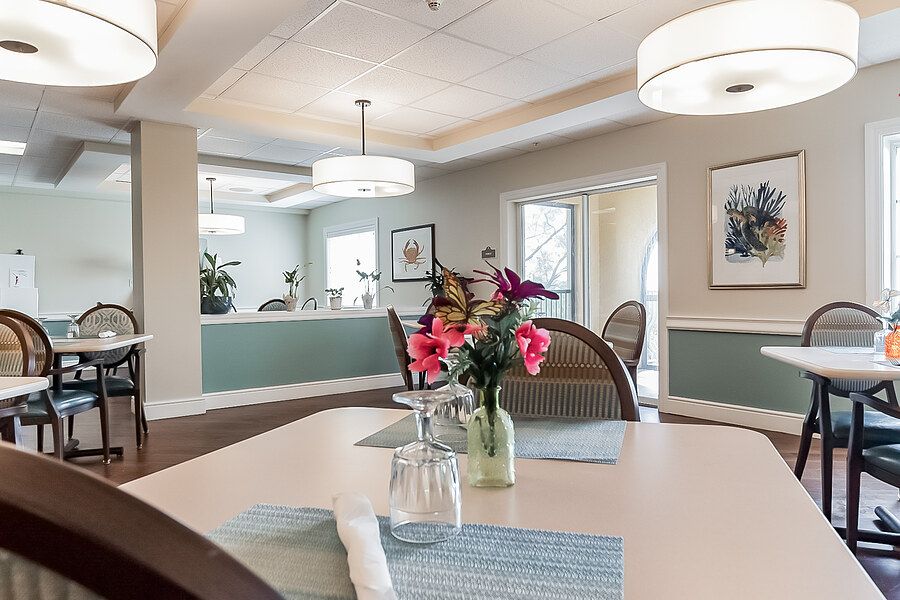
    A spacious and elegantly designed dining area with neatly arranged tables and chairs.
  • Landscaping

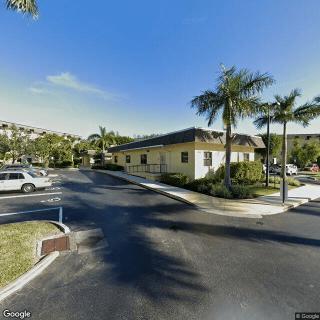
    A serene view of a building by a lake surrounded by palm trees under a clear blue sky.
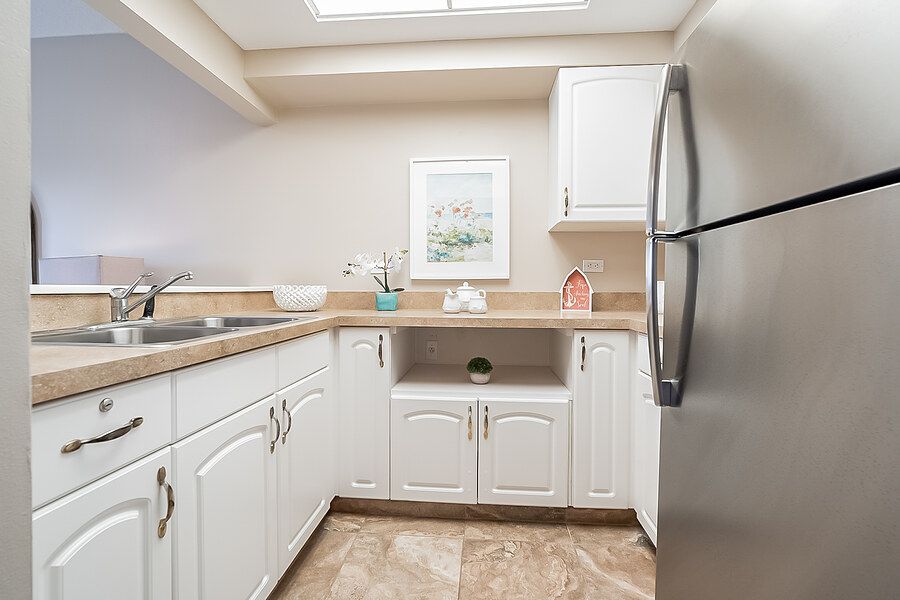
  • Kitchen

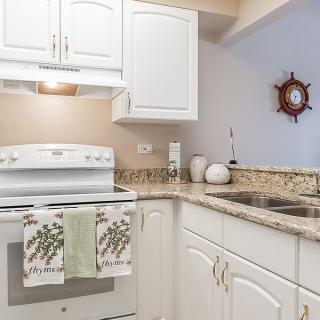
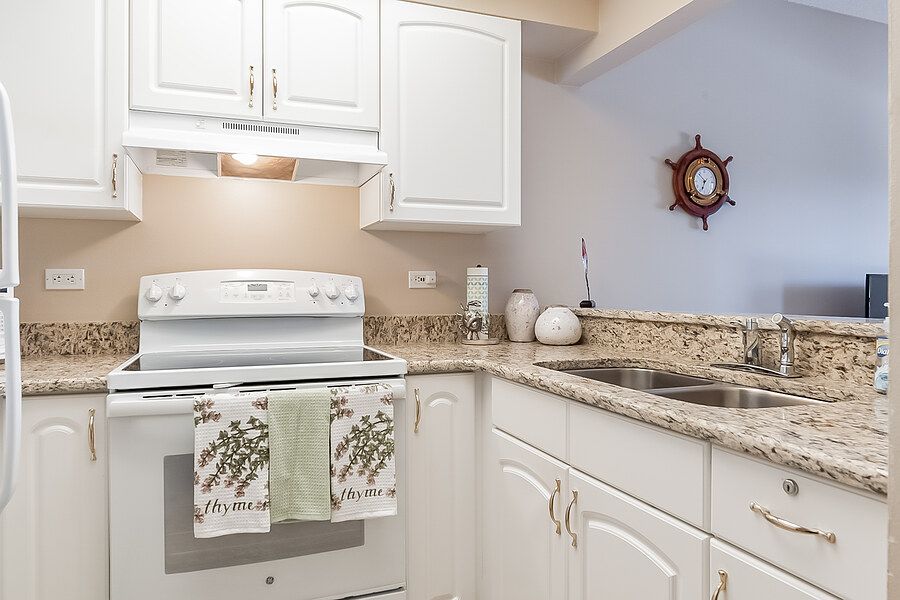
    A modern kitchen with white cabinets and a granite countertop.
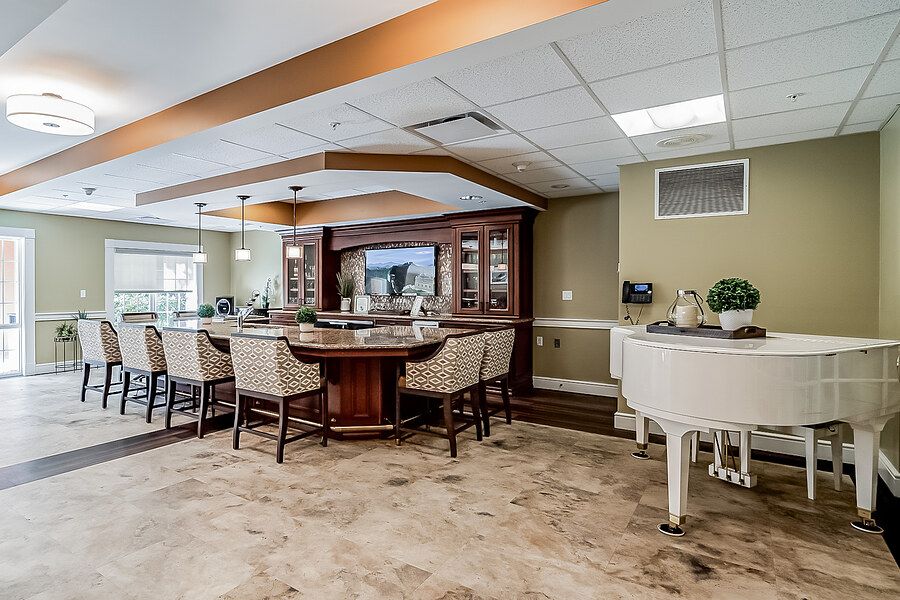
  • Lighting

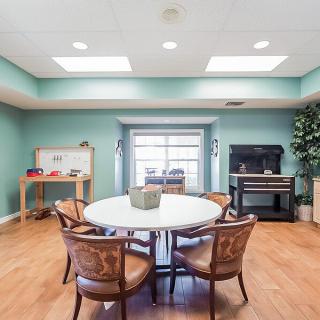
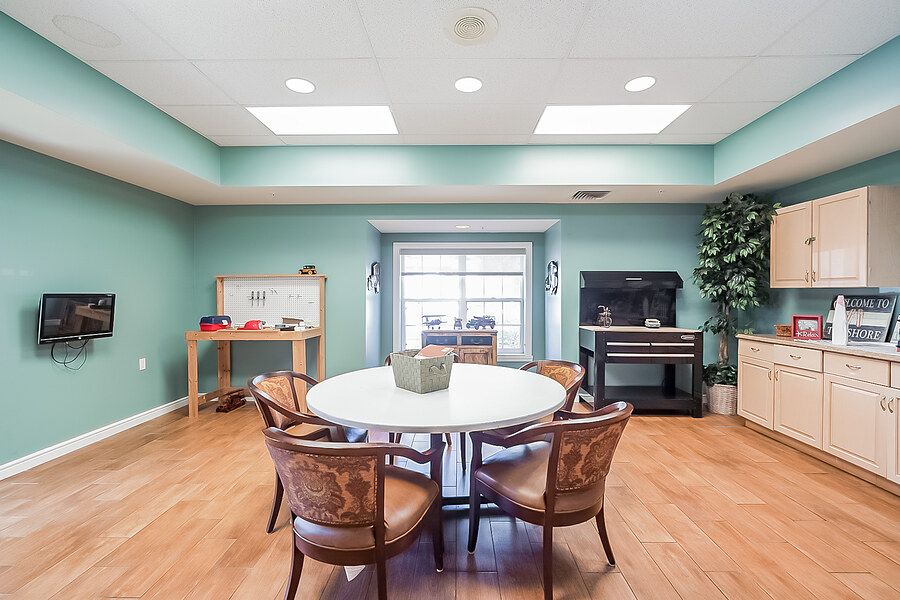
    A cozy dining room with a round table and chairs, featuring a piano and soft lighting.
  • Garden

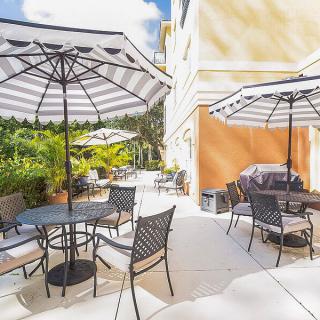
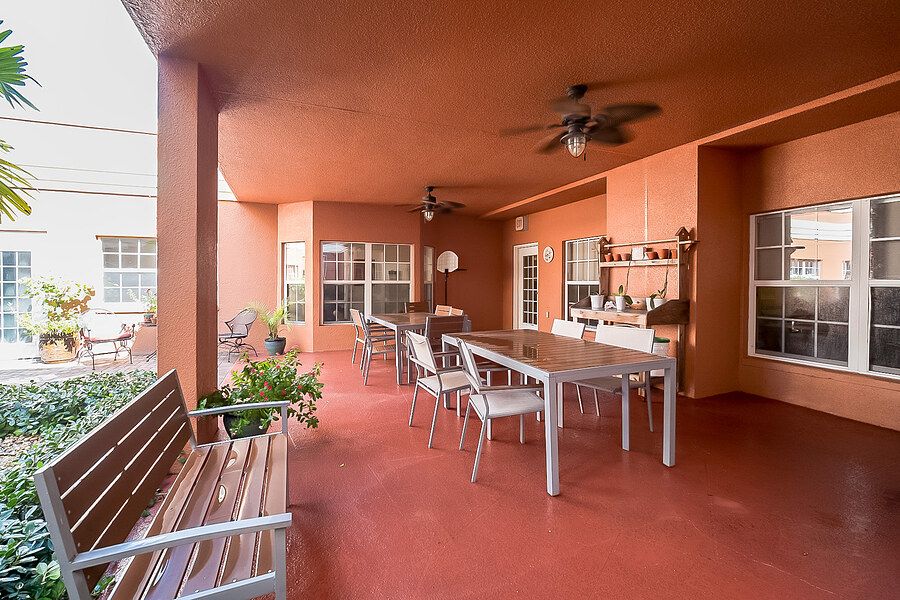
    A sunny outdoor patio with tables, chairs, and large umbrellas.
  • Artwork

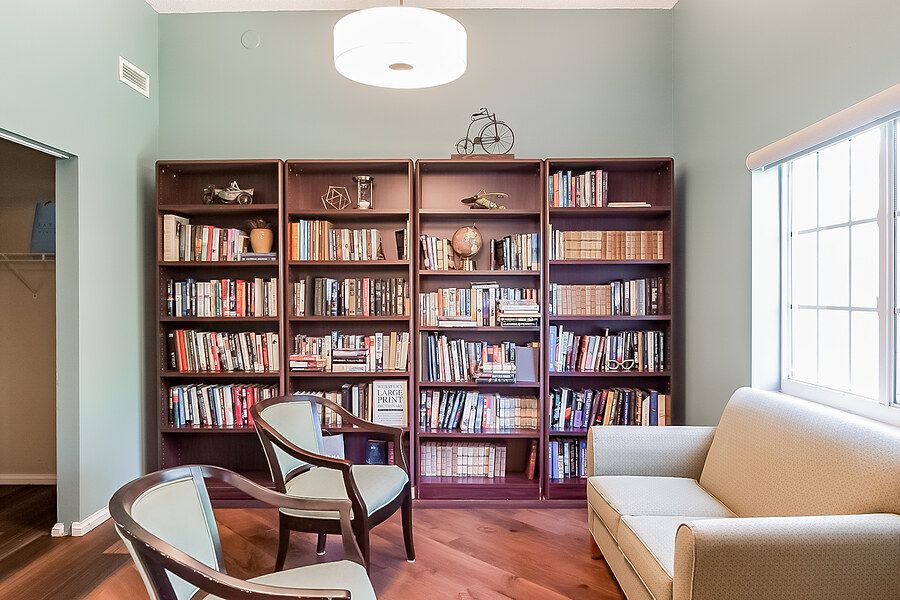
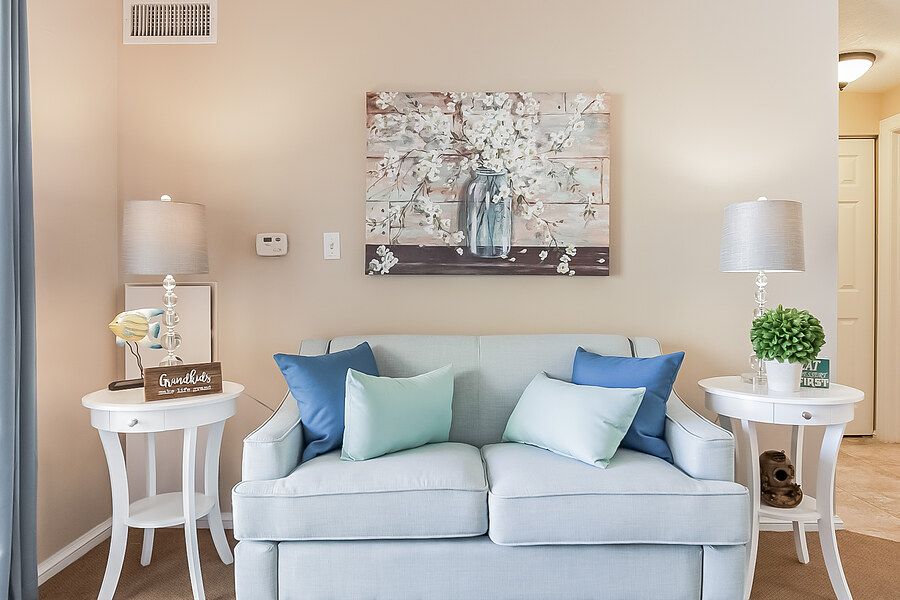
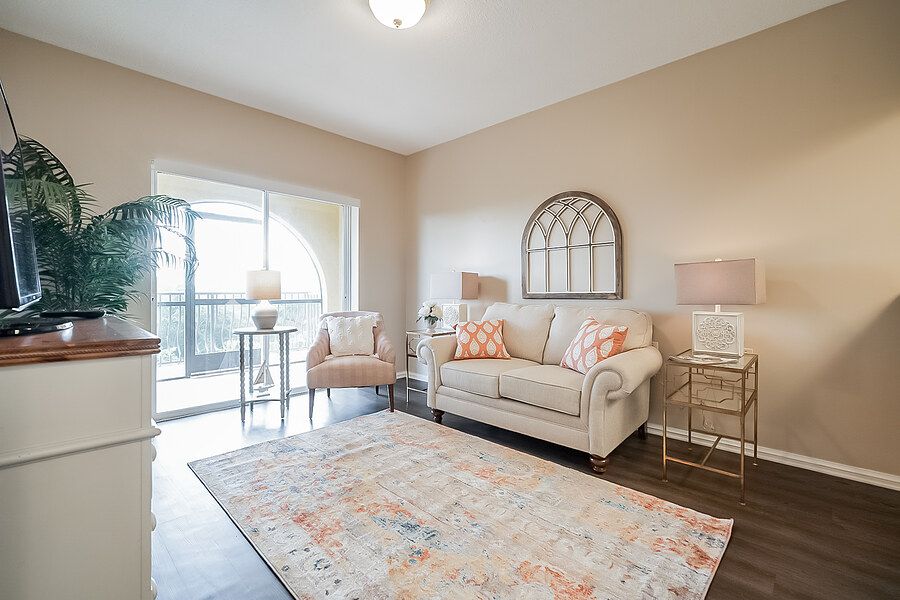
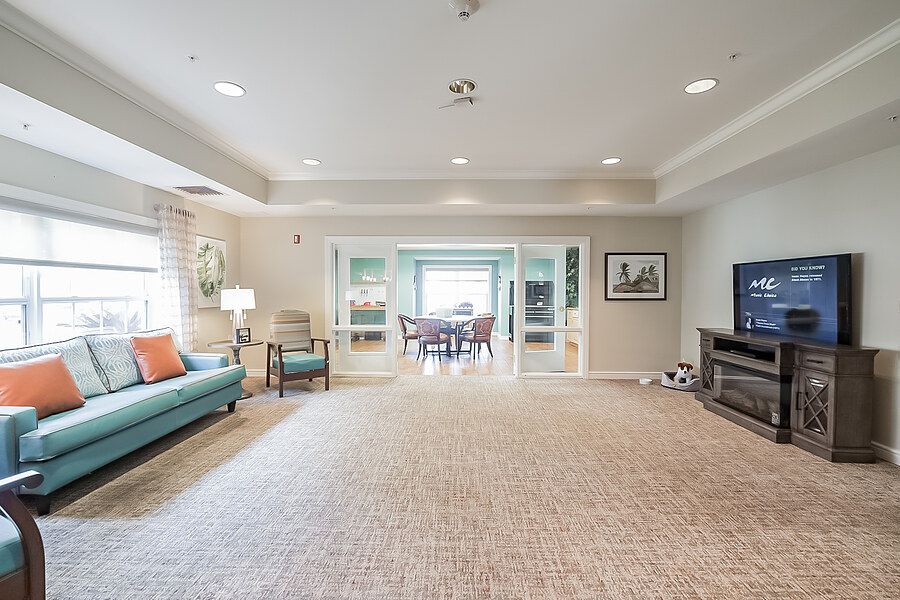
    A cozy living room with a pastel sofa, decorative pillows, and artwork on the wall.

The Collier at Naples

770 Goodlette Rd N, Naples, FL 34102

For more information about senior living options: (844) 490-3973

4.5 from 88 reviews
5 stars
64
4 stars
14
3 stars
4
2 stars
1
1 stars
5

Assisted Living Memory Care Respite Care

Overall Review of The Collier at Naples

Pros

  • pro The Collier at Naples is a wonderful place with kind, knowledgeable staff and fantastic food.
  • pro The staff are outstanding, caring, and consistently attentive, treating residents with respect and warmth.
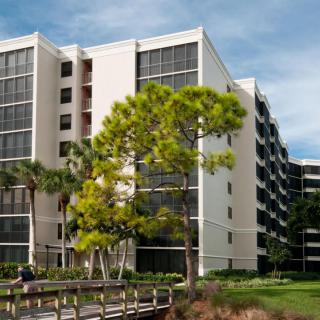
  • pro The facility is beautifully landscaped, well maintained, and welcoming, with nicely appointed rooms.
  • pro Residents benefit from a full calendar of activities and social events, with ample opportunities to participate.
  • pro The dining area is clean and meals are good to excellent, highlighted by a long-tenured, dedicated chef.
  • pro Memory Care is well-organized on a secure floor with on-site nurses and engaging programs.
  • pro Leadership and the medical/nursing team are highly regarded for compassion, accessibility, and quality care.
  • pro The community's Naples location offers convenient access to beaches and shopping, supporting aging in place.

Cons

  • pro He was found undressed in the hall, sitting in his own waste, with bruises from staff and multiple falls, which the reviewer called horrible.
  • pro The experience was described as mediocre, with management described as unhelpful and many personal belongings missing after a loved one's death.
  • pro The reviewer felt the facility wasn't as clean as expected and noted the building looked old and in need of updates.
  • pro The place allowed cigarette smoking outdoors and offered little outdoor space, which was criticized.
  • pro One reviewer claimed memory care is driven by greed and called for tougher laws.
  • pro There were reports of neglect, including staff yelling at residents, missed showers, and unreported injuries.
  • pro The dining area was sometimes closed or not well maintained, and activities were sparse.
  • pro A reviewer urged others not to leave their loved ones there.

Review

The Collier at Naples is best suited for families seeking an aging-in-place continuum of care anchored by a warm, family-like culture. This community shines for residents who want assisted living with a clear path to memory care without moving buildings, and for couples or siblings who prize ongoing communication and a visible leadership presence. The Naples setting enhances daily life - landscaped grounds, convenient access to beaches, shopping, and services - and the campus consistently feels welcoming, well maintained, and purpose-built for social connection. For families prioritizing a genuinely engaged staff and a campus that treats residents with everyday warmth, this is a top contender.

Alternatives may be worth considering for several priorities. If a pristine, brand-new aesthetic and expansive outdoor spaces are non-negotiable, newer facilities with more contemporary design and grounds might be preferable. For those whose expectations emphasize absolute streamlined safety oversight or have had severe safety concerns elsewhere, it is prudent to compare memory-care options with dedicated campuses that offer different governance or care models. Some families have encountered billing quirks or challenges around retrieving personal belongings after a loved one's passing, so insist on a transparent, itemized understanding of what the flat-fee covers and what remains excluded. For those who want a ground-floor memory-care layout or easier elevator-free access, the high-rise design and fourth-floor memory-care placement may be a constraint.

On the plus side, the staff ecology stands out. Leadership is repeatedly praised for accessibility and hands-on care, while front-line nurses, aides, therapists, and support staff are described as attentive, compassionate, and capable. The memory-care transition floor is a notable strength, with favorable staff ratios and structured programming that keeps residents engaged rather than isolated. The activities calendar is robust - bingo, music, arts and crafts, outings, and family events - and staff consistently invite participation. Dining is well-regarded, supported by a full kitchen, a varied menu, and a long-tenured chef. Practical amenities - the theater, salon, gym, library, and multiple flexible spaces - back up the emphasis on holistic well-being and social vitality.

Yet some concerns deserve attention. A highly troubling report describes alleged safety lapses in memory care, underscoring the need for rigorous oversight and transparent, ongoing checks on daily care. More commonly, some critics point to the building's age and its high-rise design, noting limited outdoor space and a sense that the d?cor reads dated next to newer campuses. Billing responsiveness and timely communication can surface as friction points, and a few families recount missing personal belongings or perceived gaps during transitions after a loved one passes. A number of residents also find the elevator-dependent layout awkward, and a handful report odors or sporadic cleanliness concerns in parts of the building.

Despite these caveats, the core strengths materially offset the downsides for many residents. The promise of aging in place within one campus - moving from assisted living to memory care without relocating - offers substantial value and peace of mind. The care team's responsiveness, the vibrant programming, and the high level of clinical attention create a daily environment that feels safe, social, and purposeful. Families repeatedly highlight proactive transfers within the campus, clear and steady communication, and staff who consistently go above and beyond. Dining and amenities - regular social hours, a pub, a formal dining atmosphere, and well-equipped activity spaces - contribute to a higher quality of life than many similar options, making the overall package more compelling when care is the priority.

In conclusion, The Collier at Naples is a strong choice for families prioritizing a caring staff, a true continuum of care, and a lively, resident-centered social program in a convenient Naples locale. It is especially well suited for those who want to age in place with engaged leadership and a robust activity slate. It may be less ideal for families seeking a modern, brand-new facility with expansive outdoor areas, or for those who have heightened concerns about memory-care safety oversight or billing responsiveness. Prospective movers should arrange a candid meeting with the memory-care team, tour the transition floor, review care plans and billing terms in detail, and speak with current residents and families about day-to-day safety, engagement, and communication. When these checks align with needs and expectations, The Collier at Naples can be a reassuring, long-term home.

Features

Housing

  • 112 resident community capacity 112 resident community capacity
  • 1-bedroom apartments 1-bedroom apartments1-bedroom apartments are important for seniors because they provide a sense of independence, privacy, and autonomy while still offering the necessary space for comfortable living. These apartments allow seniors to maintain their own personal space and lifestyle preferences in a supportive community setting.
  • 2-bedroom apartments 2-bedroom apartments2-bedroom apartments are important for seniors because they provide extra space for guests, hobbies, and caregivers, as well as potential for additional income through roommates or rental.
  • Studio apartments Studio apartmentsStudio apartments are important for seniors because they offer a smaller, more manageable living space that is easier to navigate and maintain as physical abilities decline. Additionally, studio apartments provide seniors with independence and privacy while still being part of a community that offers support and social opportunities.

Types of Care

  • Assisted Living Assisted LivingAssisted living facilities provide crucial support and care for seniors who may need help with daily tasks such as medication management, bathing, and meal preparation. These communities offer a safe and comfortable environment where seniors can maintain their independence while receiving the assistance they need to thrive in their golden years.
  • Memory Care Memory CareMemory care is crucial for seniors as it provides specialized support and services for individuals with dementia or Alzheimer's disease. These programs offer a safe and secure environment where residents receive personalized care, cognitive stimulation, and help with daily activities. Memory care helps seniors maintain their independence, quality of life, and dignity while also providing peace of mind for their families.
  • Respite Care Respite CareRespite care provides temporary relief for caregivers, allowing them to recharge and attend to their own needs. It also gives seniors the opportunity to socialize, receive professional care, and experience a change of scenery, promoting overall well-being and reducing feelings of isolation.

Pets

  • Cats allowed Cats allowed"Pet friendly" senior living communities are important for seniors because pets provide companionship, reduce feelings of loneliness and depression, promote physical activity and mental stimulation, and offer a sense of purpose and responsibility. Pets can improve overall well-being and quality of life for seniors in many ways.
  • Dogs allowed Dogs allowed"Pet friendly" senior living communities are important for seniors because pets provide companionship, reduce feelings of loneliness and depression, promote physical activity and mental stimulation, and offer a sense of purpose and responsibility. Pets can improve overall well-being and quality of life for seniors in many ways.

Amenities

  • Activities off-site Activities off-siteEngaging in off-site activities is crucial for seniors to maintain social connections, stay active, and stimulate their minds. It promotes overall well-being and helps combat feelings of isolation and loneliness.
  • Activities on-site Activities on-siteActivities on-site are important for seniors because they provide opportunities for socialization, mental stimulation, physical activity, and overall well-being. Engaging in activities can help seniors stay active, maintain their independence, and improve their quality of life.
  • Air-conditioning Air-conditioningAir conditioning is important for seniors as they are more vulnerable to heat-related illnesses and may have underlying health conditions that make it difficult for them to regulate their body temperature. It helps to keep them comfortable, safe, and healthy in hot weather.
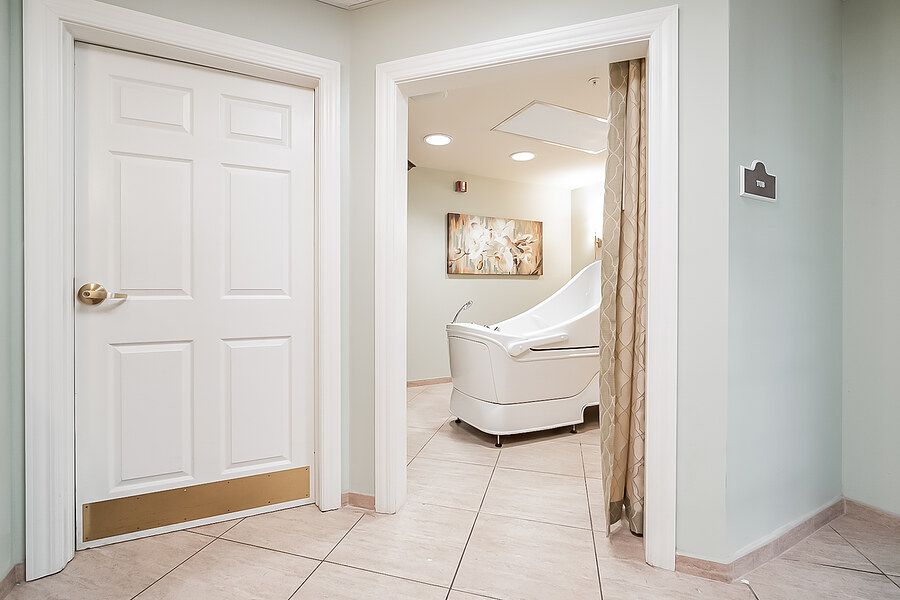
  • Bath tubs Bath tubsBath tubs are important for seniors because they provide a safe and relaxing way to bathe, helping to prevent slips and falls while promoting independence and overall well-being.
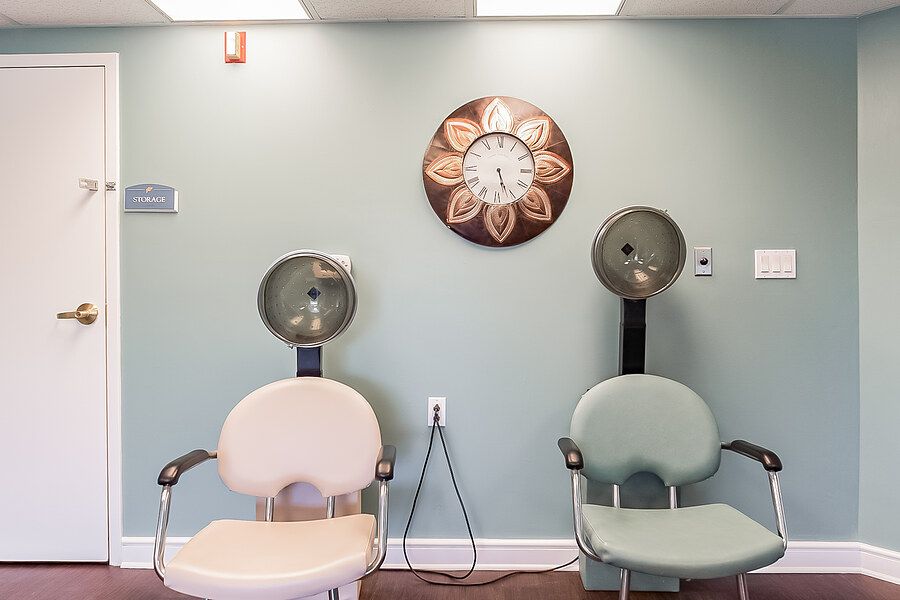
  • Beautician on-site Beautician on-siteHaving a beautician on-site at a senior living community is important for seniors as it allows them to easily access grooming and personal care services, boosting their self-esteem and overall well-being. It also provides convenience and helps seniors maintain their sense of independence and personal style.
  • Beauty salon Beauty salonBeauty salons are important for seniors because they provide a space for them to feel pampered, socialize, and maintain their personal grooming and hygiene. Regular visits to a beauty salon can help boost seniors' self-esteem and overall well-being.
  • Cable or satellite TV Cable or satellite TVCable or satellite TV is important for seniors because it provides entertainment, news, and companionship, helping to combat loneliness and boredom. It also offers a wide range of programming options tailored to different interests and preferences.
  • Computer center Computer centerA computer center is essential for seniors as it provides access to technology, communication tools, and resources that can enhance their daily lives. It allows them to stay connected with loved ones, engage in online activities, and learn new skills, ultimately promoting socialization and mental stimulation.
  • Devotional services off-site Devotional services off-siteDevotional services off-site are important for seniors as they provide spiritual nourishment, social engagement, and a sense of community outside of the senior living facility. This can enhance overall well-being and help combat feelings of isolation and loneliness often experienced by older adults.
  • Devotional services on-site Devotional services on-siteDevotional services on-site provide seniors with spiritual support and a sense of community, as well as an opportunity for reflection and guidance during their senior living experience. This can promote emotional well-being and connection to others, leading to a more fulfilling and enriching lifestyle in their later years.
  • Dining room Dining roomDining rooms are important for seniors as they provide a space for socialization, connection, and nutritious meals. They offer opportunities for residents to bond over shared meals, foster a sense of community, and promote healthy eating habits. Dining rooms also ensure that seniors have access to well-balanced meals tailored to their dietary needs and preferences.
  • Fitness room Fitness roomHaving a fitness room in a senior living community is essential for seniors to stay active, maintain their physical health, and improve their overall well-being. Regular exercise can help prevent falls, reduce the risk of chronic diseases, and promote mental sharpness. It also provides social opportunities for residents to connect with others and enjoy a sense of community.
  • Full kitchen Full kitchenHaving a full kitchen in a senior living facility is important for seniors because it allows them to maintain their independence and prepare their own meals. This promotes healthy eating habits, saves money on dining out, and provides a sense of familiarity and comfort for residents.
  • Fully furnished Fully furnishedFully furnished senior living communities are important for seniors because they provide convenience, comfort, and a hassle-free moving experience. Seniors can easily settle into their new living space without the stress of having to buy and move furniture. This allows them to focus on enjoying their new home and community.
  • Gaming room Gaming roomGaming rooms are important for seniors as they provide a fun and engaging environment for socializing, cognitive stimulation, and physical activity. Games can improve memory, problem-solving skills, and overall mental well-being while fostering friendships and reducing feelings of isolation.
  • Garden GardenGardens are important for seniors as they provide a peaceful and therapeutic environment for relaxation, physical activity, and socialization. Being in nature has been shown to reduce stress, improve mood, and promote overall well-being. Gardens also offer opportunities for seniors to engage in gardening activities, which can improve mobility, flexibility, and cognitive function. Additionally, gardens create a sense of community and connection with others who share a passion for plants and outdoor spaces.
  • Garden view Garden viewGarden views are important for seniors as they provide natural beauty and tranquility, promoting relaxation and overall well-being. Access to green spaces can also encourage outdoor activity and socialization, enhancing physical and mental health.
  • Ground floor units Ground floor unitsGround floor units are important for seniors because they provide easy accessibility, reduced risk of falls and injuries, and convenience for those with mobility issues. Seniors can avoid climbing stairs or using elevators, making daily tasks and activities more manageable and enjoyable.
  • Handicap accessible Handicap accessible"Handicap accessible" amenities are crucial for seniors to ensure they can easily navigate and access facilities, services, and activities without barriers or limitations due to physical impairments. This promotes independence, safety, and inclusivity for seniors in senior living communities.
  • Housekeeping services Housekeeping servicesHousekeeping services are important for seniors because they help maintain a clean and safe living environment, promote independence, and reduce the risk of accidents or illnesses. Additionally, having assistance with household chores can alleviate physical strain and allow seniors to focus on other aspects of their well-being.
  • Indoor common areas Indoor common areasIndoor common areas are crucial for seniors as they provide a space for socialization, recreation, and community engagement, promoting overall well-being and reducing feelings of isolation and loneliness.
  • Kitchenette KitchenetteKitchenettes are important for seniors living in senior living communities because they provide the convenience and independence of being able to prepare simple meals and snacks in the comfort of their own living space. This can help promote a sense of autonomy and well-being for seniors, allowing them to maintain some level of control over their dietary choices and daily routines.
  • Move-in coordination Move-in coordinationMove-in coordination is important for seniors because it helps ease the transition into their new living environment. It ensures that all logistics, such as packing, organizing movers, and setting up utilities are taken care of, allowing seniors to focus on settling in and adjusting to their new home. Having a smooth move-in process can alleviate stress and anxiety, making the transition smoother and more enjoyable for seniors.
  • Outdoor common areas Outdoor common areasOutdoor common areas are important for seniors as they provide a space for socialization, physical activity, and relaxation. Being outside in nature can improve mood and overall well-being, while also encouraging movement and engagement with others. These spaces can help combat feelings of isolation and promote a sense of community among residents.
  • Outdoor space Outdoor spaceOutdoor spaces are important for seniors as they provide opportunities for physical activity, social interaction, exposure to natural light and fresh air, and a sense of connection to nature. Having access to outdoor spaces can improve overall well-being and quality of life for older adults living in senior communities.
  • Party space Party spaceHaving access to party space is important for seniors as it provides opportunities for socialization, connection, and enjoyment. These spaces allow seniors to celebrate special occasions, host gatherings with friends and family, and participate in community events, enhancing their overall well-being and quality of life.
  • Private bathrooms Private bathroomsPrivate bathrooms are important for seniors in senior living communities because they provide independence, dignity, and comfort. Having a private bathroom allows seniors to maintain their personal hygiene routines without the need for assistance, promoting a sense of autonomy and privacy. Additionally, private bathrooms help prevent the spread of infections and provide a safe and clean environment for seniors to navigate safely.
  • Private patio, deck, or balcony Private patio, deck, or balconyHaving a private patio, deck, or balcony is crucial for seniors living in a retirement community as it provides them with access to fresh air, natural light, and the outdoors without having to leave their home. This outdoor space can promote physical activity, mental well-being, and socialization opportunities for seniors, contributing to an overall improved quality of life.
  • Resident parking Resident parkingResident parking is crucial for seniors in a senior living community as it provides convenience, accessibility, and safety for residents who may have limited mobility or rely on personal vehicles for transportation. Having designated parking spaces ensures that seniors can easily access their homes without having to walk long distances or navigate crowded parking lots, ultimately enhancing their overall quality of life and sense of independence.
  • Respite or short term stays offered Respite or short term stays offeredRespite or short term stays provide seniors with a temporary solution when their regular caregiver is unavailable, offering them the opportunity to receive additional care and support during times of need, while also giving caregivers a chance to rest and recharge.
  • Restaurant-style dining Restaurant-style diningRestaurant-style dining is important for seniors because it allows them to enjoy delicious, nutritious meals in a social and upscale setting. This enhances their dining experience, promotes healthy eating habits, and fosters socialization with fellow residents, ultimately contributing to their overall well-being and quality of life.
  • Small library Small librarySmall libraries are important for seniors as they provide access to a variety of reading materials, including books, newspapers, and magazines. This can help stimulate their minds, keep them engaged, and provide a sense of community through book clubs and other social activities. Additionally, reading has been shown to improve cognitive function and overall mental well-being in older adults.
  • Telephone TelephoneTelephones are important for seniors as they provide a lifeline for communication with loved ones, emergency services, and healthcare providers. They offer a sense of security and independence, enabling seniors to stay connected and access assistance when needed.
  • Wellness center Wellness centerWellness centers are important for seniors because they offer a variety of programs and services that promote physical, mental, and emotional well-being. These centers provide opportunities for exercise, socialization, education, and relaxation, helping seniors maintain their overall health and quality of life.
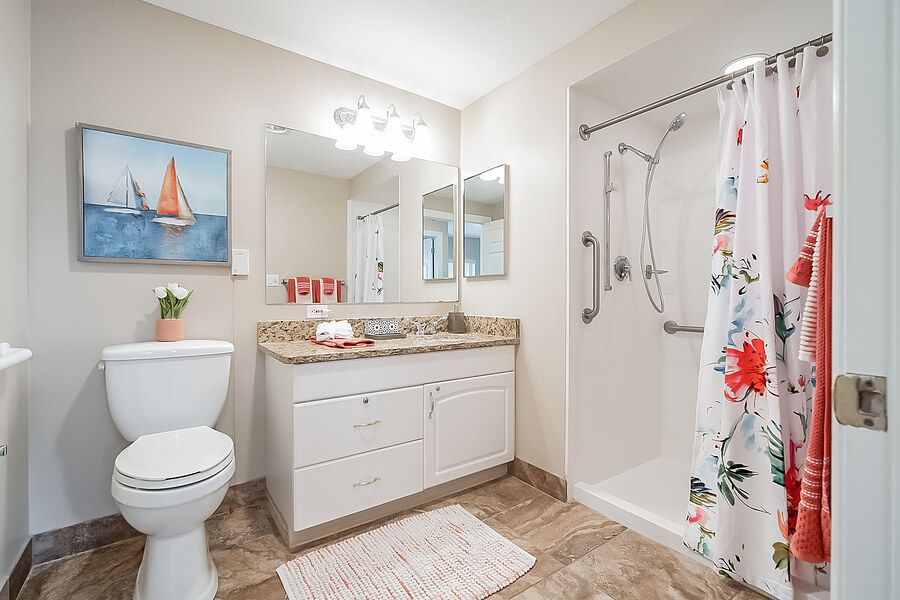
  • Wheelchair accessible showers Wheelchair accessible showersWheelchair accessible showers are crucial for seniors as they provide a safe and independent bathing option for those with mobility challenges. These showers help prevent falls and allow seniors to maintain their dignity and autonomy while ensuring they can bathe comfortably.
  • Wi-Fi/high-speed internet available Wi-Fi/high-speed internet availableWi-Fi/high-speed internet is important for seniors to stay connected with loved ones, access online resources, and participate in virtual activities to combat feelings of loneliness and isolation. It also allows them to easily manage healthcare needs, access entertainment, and engage in lifelong learning opportunities.

Transportation

  • Community operated transportation Community operated transportationCommunity operated transportation is crucial for seniors as it provides them with the means to access essential services, social activities, and medical appointments. It allows seniors to maintain their independence and quality of life by ensuring they can participate in activities outside of their homes. Additionally, community-operated transportation services offer a safe and reliable way for seniors to travel without having to rely on family or friends for assistance.
  • Transportation & parking Transportation & parkingTransportation and parking are vital for seniors as they offer access to essential services, activities, and social interactions. Reliable transportation options can help seniors maintain independence, stay connected within their community, and enjoy a higher quality of life. Additionally, convenient parking facilities ensure that seniors can easily access necessary resources and amenities without added stress or difficulty.
  • Transportation arrangement Transportation arrangementTransportation arrangements are crucial for seniors as they may face challenges with driving, mobility, or access to public transportation. Having reliable transportation services ensures that seniors can easily attend appointments, social activities, and maintain their independence and quality of life.
  • Transportation arrangement (non-medical) Transportation arrangement (non-medical)Transportation arrangements are essential for seniors as they provide access to essential services, activities, and social interactions outside the home. This service helps maintain independence, mobility, and overall well-being for seniors who may have limited transportation options.
  • Transportation to doctors appointments Transportation to doctors appointmentsTransportation to doctors appointments is crucial for seniors as it ensures they have access to necessary medical care and support, promoting their health and well-being. It allows them to receive timely treatment, monitor existing conditions, and address any new health concerns efficiently. Additionally, transportation services can help seniors maintain their independence and quality of life by enabling them to stay connected with their healthcare providers.

Care Services

  • 12-16 hour nursing 12-16 hour nursing12-16 hour nursing care is crucial for seniors in order to ensure around-the-clock monitoring, timely medication administration, and prompt response to any health concerns or emergencies. This level of care helps to promote the overall well-being and safety of seniors living in senior living communities.
  • 24-hour call system 24-hour call system24-hour call systems are important for seniors because they provide peace of mind and immediate assistance in case of emergencies. This technology ensures that help is always available, promoting safety and security for elderly individuals living alone or in assisted living facilities.
  • 24-hour supervision 24-hour supervision24-hour supervision is important for seniors to ensure their safety, well-being, and access to immediate assistance in case of emergencies or health issues. This constant support provides peace of mind for both seniors and their loved ones, allowing them to age in place with dignity and security.
  • Activities of daily living assistance Activities of daily living assistanceActivities of daily living assistance are important for seniors because they provide essential support with tasks such as eating, bathing, dressing, and mobility. This assistance helps seniors maintain their independence, dignity, and overall quality of life as they age.
  • Ambulatory care Ambulatory care"Ambulatory care services provide essential medical support and treatment to seniors without requiring hospitalization, allowing them to maintain their independence and quality of life while managing chronic conditions or receiving routine medical care."
  • Assistance with bathing Assistance with bathingAssistance with bathing is crucial for seniors as it helps maintain personal hygiene, prevents infections, and ensures their overall well-being and comfort. It also provides a sense of dignity and independence for seniors who may struggle with this task on their own.
  • Assistance with dressing Assistance with dressingAssistance with dressing is important for seniors because it helps maintain their independence, promotes personal hygiene, prevents accidents and injuries, and improves overall quality of life. This service ensures that seniors can continue to dress comfortably and confidently, despite any physical limitations they may have.
  • Assistance with transfers Assistance with transfersAssistance with transfers is crucial for seniors as it helps prevent falls and injuries, maintains their independence, and ensures they can safely navigate their living environment. It also provides peace of mind for both seniors and their loved ones.
  • Diabetes diet Diabetes dietA diabetes diet is crucial for seniors as it helps manage blood sugar levels, reduce risks of complications, and improve overall health and well-being. By following a balanced and nutritious diet tailored to their specific needs, seniors can better control their diabetes and enhance their quality of life.
  • Diabetic care Diabetic careDiabetic care is crucial for seniors as they are more susceptible to developing diabetes due to aging and other health conditions. Proper management of diabetes can help prevent complications such as heart disease, vision loss, and nerve damage, improving the overall quality of life for seniors in senior living communities.
  • High acuity care High acuity careHigh acuity care is important for seniors because it provides specialized medical attention and support for individuals with complex medical needs. This level of care ensures that seniors receive the appropriate treatment and assistance to maintain their health and quality of life as they age.
  • Incontinence care Incontinence careIncontinence care is essential for seniors to maintain their dignity, hygiene, and overall quality of life. By addressing incontinence issues promptly and effectively, seniors can enjoy a sense of independence and comfort in their daily activities.
  • Meal preparation and service Meal preparation and serviceMeal preparation and service are crucial for seniors as they may have limited mobility or energy to cook nutritious meals. Having access to healthy and convenient food options can ensure they are getting the proper nutrition needed to maintain their overall health and well-being.
  • Medication management Medication managementMedication management is crucial for seniors to ensure they are taking the right medications at the correct dosages and times. This helps prevent adverse drug interactions, reduces the risk of medication errors, and promotes overall health and well-being. Proactive management also allows for adjustments as needed based on changing health conditions or new prescriptions.
  • Mental wellness program Mental wellness programMental wellness programs are essential for seniors as they promote cognitive stimulation, emotional support, and social engagement. These programs help prevent isolation, depression, and cognitive decline, ultimately enhancing the overall quality of life for older adults.
  • Mild cognitive impairment Mild cognitive impairment"Mild cognitive impairment" is important for seniors because it is an early stage of cognitive decline that can potentially progress to more severe conditions such as dementia. Recognizing and addressing mild cognitive impairment can help seniors receive appropriate care and support to maintain their quality of life and independence for as long as possible.
  • Special dietary restrictions Special dietary restrictionsSpecial dietary restrictions are important for seniors because age-related changes in metabolism and health conditions can make it difficult for their bodies to process certain foods. By following a diet tailored to their specific needs, seniors can maintain their overall health and well-being, manage chronic conditions, and reduce the risk of complications such as malnutrition or food interactions with medications.
  • Specialized memory care programming Specialized memory care programmingSpecialized memory care programming is crucial for seniors with cognitive impairments such as dementia or Alzheimer's disease. These programs provide a safe and supportive environment tailored to the unique needs of individuals with memory loss, helping them maintain their independence, dignity, and quality of life.

Dining

  • Anytime dining Anytime diningAnytime dining is important for seniors because it allows them the flexibility to eat when they are hungry, rather than being restricted to set meal times. This can be especially beneficial for those with medical conditions or medications that affect their appetite, as well as those who may have difficulty adhering to a strict dining schedule. Overall, anytime dining promotes independence and overall well-being for seniors in senior living communities.
  • Diabetes diet Diabetes dietA diabetes diet is crucial for seniors as it helps manage blood sugar levels, reduce risks of complications, and improve overall health and well-being. By following a balanced and nutritious diet tailored to their specific needs, seniors can better control their diabetes and enhance their quality of life.
  • Gluten-free Gluten-freeGluten-free options are important for seniors as they are more prone to digestive issues and dietary sensitivities. Offering gluten-free meal choices in senior living communities can help improve their overall health and well-being.
  • Guest meals Guest mealsGuest meals are important for seniors living in senior living communities because they provide an opportunity for socialization and companionship. Sharing a meal with friends, family, or new acquaintances can help combat feelings of loneliness and isolation, promote a sense of community, and enhance overall well-being. Additionally, guest meals allow seniors to enjoy delicious food in a comfortable setting without the hassle of cooking or cleaning up, making dining a pleasurable and stress-free experience.
  • International cuisine International cuisineInternational cuisine is important for seniors because it offers a variety of flavors, ingredients, and cultural experiences that can help keep their meals interesting and enjoyable. Trying new dishes can also stimulate the senses and provide different nutrients that contribute to overall health and well-being. Additionally, exploring international cuisine can bring back fond memories of travels or childhood experiences, making mealtime more nostalgic and fulfilling for seniors.
  • Low / no sodium Low / no sodiumLow/no sodium options are important for seniors because excessive sodium intake can lead to high blood pressure, heart disease, and other health issues commonly experienced by older adults. By choosing low/no sodium foods, seniors can better manage their health and reduce their risk of developing these conditions.
  • Low fat Low fatLow fat diets are important for seniors because they can help reduce the risk of heart disease, stroke, and other health issues commonly faced by older adults. Consuming less fat can also help manage weight and improve overall health and well-being in the senior population.
  • Meals provided Meals provided"Meals provided" are crucial for seniors in assisted living communities as it ensures they have access to nutritious, balanced meals without the stress of meal planning and preparation. This can help promote overall health and well-being for seniors who may have limited mobility or cognitive abilities.
  • No Sugar No SugarNo sugar diets are important for seniors because they can help prevent or manage chronic conditions such as diabetes, heart disease, and obesity. Sugar can also contribute to cognitive decline and inflammation in the body, so reducing sugar intake can lead to overall improved health and well-being in older adults.
  • Professional chef Professional chefProfessional chefs are important for seniors living in senior living communities because they provide nutritious and delicious meals that cater to their dietary needs and preferences. A professional chef can ensure that seniors are receiving balanced, flavorful meals that support their overall health and well-being.
  • Restaurant style dining Restaurant style diningRestaurant style dining is important for seniors as it offers them a social and enjoyable dining experience, promotes healthy eating habits, and provides personalized menu options to cater to their dietary needs and preferences. This type of dining setting can enhance their overall quality of life and create a sense of community within the senior living facility.
  • Room service Room serviceRoom service is important for seniors in a senior living community because it provides convenience and allows them to have their meals delivered directly to their room. This can be especially beneficial for seniors who may have mobility issues or difficulty accessing the dining area. Room service ensures that seniors are able to receive nutritious meals without having to navigate through the facility, allowing them to maintain their independence and overall well-being.
  • Special dietary restrictions Special dietary restrictionsSpecial dietary restrictions are important for seniors because age-related changes in metabolism and health conditions can make it difficult for their bodies to process certain foods. By following a diet tailored to their specific needs, seniors can maintain their overall health and well-being, manage chronic conditions, and reduce the risk of complications such as malnutrition or food interactions with medications.
  • Special dining programs Special dining programsSpecial dining programs are important for seniors because they provide nutritious meals tailored to their dietary needs and preferences. These programs also offer socialization opportunities, promote overall health and well-being, and can help prevent malnutrition.
  • Vegetarian VegetarianA vegetarian diet is important for seniors because it can help lower the risk of chronic diseases, maintain a healthy weight, and provide essential nutrients needed for aging bodies. Additionally, plant-based diets are often easier on digestive systems and can contribute to overall well-being in older adults.

Activities

  • Activities off-site Activities off-siteEngaging in off-site activities is crucial for seniors to maintain social connections, stay active, and stimulate their minds. It promotes overall well-being and helps combat feelings of isolation and loneliness.
  • Art classes Art classesArt classes are important for seniors because they provide a creative outlet, improve cognitive function, reduce stress and anxiety, promote socialization, and enhance overall well-being and quality of life.
  • Catholic services Catholic servicesCatholic services are important for seniors because they provide spiritual support, a sense of community, and opportunities for social interaction that can enhance overall well-being and quality of life in their later years.
  • Community-sponsored activities Community-sponsored activitiesCommunity-sponsored activities are important for seniors as they provide opportunities for social interaction, mental stimulation, and physical activity. These activities can help improve overall well-being, combat loneliness and isolation, and promote a sense of belonging and purpose among older adults.
  • Concierge services Concierge servicesConcierge services are essential for seniors as they provide assistance with daily tasks and errands, enhance their quality of life by offering convenience and personalized care, and promote a sense of safety and security.
  • Day trips and outings Day trips and outingsDay trips and outings are important for seniors as they provide opportunities for socialization, mental stimulation, physical activity, and a break from daily routines. These experiences can enhance overall well-being and quality of life for older adults living in senior communities.
  • Devotional activities offsite Devotional activities offsiteDevotional activities offsite are important for seniors because they provide social engagement, spiritual growth, and a sense of community outside of their living environment. This can improve overall well-being, mental health, and combat feelings of isolation or loneliness.
  • Devotional activities on-site Devotional activities on-siteDevotional activities on-site provide seniors with a sense of community, spiritual fulfillment, and emotional support, promoting overall well-being and a positive sense of purpose in their lives.
  • Educational speakers / life long learning Educational speakers / life long learningEducational speakers and lifelong learning opportunities are crucial for seniors as they provide mental stimulation, promote social engagement, and contribute to overall well-being. Continuous learning helps seniors stay mentally sharp, build new skills, and maintain a sense of purpose and fulfillment in their lives. It also allows them to stay connected to the world around them and fosters a sense of community within senior living facilities.
  • Fitness programs Fitness programsFitness programs are crucial for seniors as they help improve strength, flexibility, balance, and overall well-being. Staying active can reduce the risk of chronic diseases, improve mental health, and enhance quality of life in older adults.
  • Happy hour Happy hourHappy hour is important for seniors as it provides a social activity that promotes camaraderie and reduces feelings of loneliness or isolation. It also offers an opportunity for older adults to relax, unwind, and enjoy some drinks or snacks in a fun and welcoming atmosphere.
  • Karaoke KaraokeKaraoke provides seniors with a fun and social activity that can boost mood, confidence, and cognitive function. It encourages social interaction, physical movement, and creative expression, making it an important form of entertainment for senior living communities.
  • Live musical performances Live musical performancesLive musical performances can provide seniors with a sense of joy, nostalgia, and connection. Music has the power to evoke emotions and memories, improve mood and cognitive function, and foster social interaction among seniors. It can also serve as a form of therapy and stress relief for older adults, making it an important activity to include in senior living communities.
  • Live well programs Live well programs"Live well programs are essential for seniors as they provide opportunities for physical activity, social engagement, and mental stimulation, ultimately promoting overall health and well-being in later years."
  • Planned day trips Planned day tripsPlanned day trips are important for seniors because they offer opportunities for socialization, mental stimulation, and physical activity. They provide a change of scenery and help seniors stay engaged and connected to their community, promoting overall well-being and quality of life.
  • Protestant services Protestant servicesProtestant services are important for seniors because they provide spiritual nourishment, community support, and a sense of belonging. These services can help seniors connect with others who share their faith, find comfort and guidance in times of need, and maintain a sense of purpose and fulfillment in their later years.
  • Religious services Religious servicesReligious services provide seniors with a sense of community, support, and spiritual fulfillment, which can improve their overall well-being and mental health. It also offers them opportunities for socialization and connection with others who share their beliefs.
  • Resident-run activities Resident-run activitiesResident-run activities are important for seniors as they encourage social interaction, creativity, and a sense of autonomy. These activities empower seniors to stay engaged and active in their community while fostering meaningful connections with their peers.
  • Scheduled daily activities Scheduled daily activitiesScheduled daily activities are important for seniors because they provide structure, socialization, mental stimulation, and physical activity. Engaging in regular activities can improve overall well-being and quality of life for seniors living in a community setting.
  • Wine tasting Wine tastingWine tasting can be a fun and social activity for seniors, allowing them to engage their senses, learn about different varieties of wine, and potentially meet new friends. It also offers health benefits such as improved cognitive function and reduced risk of heart disease when consumed in moderation.

Languages Spoken

  • English EnglishEnglish is important for seniors as it allows them to communicate effectively with healthcare providers, understand important information related to their health and medications, stay connected with loved ones, and engage in social activities within their communities. It also opens up opportunities for lifelong learning and intellectual stimulation.

Description

The Collier at Naples in Naples, FL is an assisted living community that offers a range of care services and amenities to provide a comfortable and enjoyable living experience for its residents. The community features 2-bedroom apartments and studio apartments, catering to different needs and preferences.

For individuals with memory care needs, The Collier offers specialized Memory Care services. Additionally, respite care is available for those who require short-term stays.

A wide variety of amenities are provided to enhance residents' quality of life. There are numerous on-site activities to participate in, including gaming rooms and fitness programs. Residents can enjoy the beautiful garden view, outdoor spaces, and even have their own private patio, deck or balcony. The community also offers restaurant-style dining with professional chefs, ensuring delicious and nutritious meals that cater to varied dietary requirements such as diabetes diet, gluten-free, low sodium, low fat, vegetarian options, among others.

The Collier aims to provide comprehensive care services for its residents. This includes assistance with daily activities like bathing and dressing. Medication management is available along with 24-hour supervision and a call system for emergencies. Mental wellness programs are offered to ensure the overall well-being of each resident.

Residents at The Collier benefit from convenient access to nearby amenities such as cafes, parks, pharmacies, physicians' offices, restaurants, transportation options and places of worship.

Overall, The Collier at Naples provides a vibrant and caring environment where seniors can thrive while receiving personalized care in a beautiful location in Naples, FL.

Nearby Places of Interest

This part of Naples, Florida offers a convenient and diverse range of amenities for seniors looking to relocate. With several medical specialists in close proximity, including endocrine, gastroenterology, and allergy specialists, residents can easily access quality healthcare services. The presence of parks like Gordon River Greenway and Baker Park provide opportunities for outdoor recreation and leisurely walks. Additionally, the nearby Naples Municipal Airport ensures easy travel options. A variety of dining options such as Lake Park Diner, Vourla Mediterranean C, and The Cheesecake Factory cater to different culinary preferences. Nearby pharmacies like Naples Pharmacy and CVS Pharmacy offer convenience for medication needs. Overall, this area provides a mix of healthcare services, recreational activities, dining options, and essential amenities that can support a comfortable and fulfilling senior living experience.

Physicians

  • Endocrine Specialists PA (0.1 miles)
  • Gastroenterology Group of Naples, P.A. (0.3 miles)
  • Allergy Asthma & Immunology Specialists (0.3 miles)
  • Robin Roth MD (0.3 miles)
  • Radiology Regional Center (0.4 miles)
  • Florida Cancer Specialists & Research Institute - Naples Goodlette (0.4 miles)
  • Cordero Pediatric (0.4 miles)

Parks

  • Gordon River Greenway (0.5 miles)
  • Baker Park (0.8 miles)
  • Sugden Regional Park (3.5 miles)

Transportation

  • Naples Jet Center (0.7 miles)
  • Naples Municipal Airport (APF) (1 miles)

Restaurants

  • Lake Park Diner (0.7 miles)
  • Vourla Mediterranean C (0.9 miles)
  • The Bowl (0.9 miles)
  • The Cheesecake Factory (1.1 miles)
  • Tavern On The Bay (1.1 miles)
  • Michelbob's Ribs (1.2 miles)
  • Pinchers (1.3 miles)

Hospitals

  • Naples Community Hospital (1 miles)
  • NCH Healthcare System (1 miles)
  • ARA Naples South Dialysis Center (3.5 miles)

Pharmacies

  • Naples Pharmacy (1 miles)
  • CVS Pharmacy (1.2 miles)
  • Walgreens (1.4 miles)
  • Clinical Compound Pharmacy (1.6 miles)
  • Walgreens (1.9 miles)
  • CVS Pharmacy (2.2 miles)
  • Walmart Pharmacy (2.7 miles)

Cafes

  • EJ's Bayfront Cafe (1.1 miles)
  • Panera Bread (1.3 miles)
  • Starbucks (1.4 miles)
  • Fifth Avenue Coffee Company (1.5 miles)
  • Third Street South (2.2 miles)
  • Bad Ass Coffee (2.2 miles)
  • Three60 Market (2.5 miles)

Places of Worship

  • St Ann Catholic Church (1.8 miles)

Frequently Asked Questions

What floor plans and room types does The Collier at Naples offer?
Where is The Collier at Naples?
Does The Collier at Naples provide care for residents with dementia or Alzheimer's disease?
Does The Collier at Naples allow residents to have pets?
What photos are available for The Collier at Naples in Naples, Florida?

Nearby Communities

  • Goodlette Arms Apartments

    Goodlette Arms Apartments

    Naples, FL


    pro Near numerous dining options and healthcare services (doctors and hospitals) for seniors.

  • Home Instead Senior Care - Naples,  FL

    Home Instead Senior Care - Naples, FL

    Naples, FL


    pro Convenient access to healthcare, dining, parks, and transportation nearby.

  • Heritage Health Care Ctr

    Heritage Health Care Ctr

    Naples, FL

    2.8 from 45 reviews
     

    pro Strong staff care, good dining, and an active social scene.

  • Dial-A-Nurse

    Dial-A-Nurse

    Naples, FL

    4.5 from 17 reviews
     

    pro Flexible, attentive care with responsive coordination.

  • Almost Family

    Almost Family

    Naples, FL


    pro Excellent access to dining, parks, and healthcare nearby.

  • Visiting Angels

    Visiting Angels

    Naples, FL


    pro Excellent access to healthcare and nearby amenities such as pharmacies, hospitals, dining, and parks.

  • Chateau At Moorings Park

    Chateau At Moorings Park

    Naples, FL

    4.4 from 16 reviews
     

    pro Professional staff in an upscale facility with comprehensive care options.

  • Seascape at Naples

    Seascape at Naples

    Naples, FL

    4.9 from 106 reviews
     

    pro Luxurious, brand-new facility with attentive staff and a wide range of amenities (theater, pool, dining, beauty salon).

  • The Glenview At Pelican Bay

    The Glenview At Pelican Bay

    Naples, FL

    5 from 116 reviews
    $2,285 to $2,844 / month

    pro Well-maintained, clean community with caring staff, strong rehab services, and a unique co-op model offering potential equity.

Assisted Living in Nearby Cities

Related Resources

  • dementia stagesUnderstanding Dementia Through Its Seven Stages: A Comprehensive Look at Progression and Expectations

    Dementia encompasses a range of cognitive impairments characterized by types such as Alzheimer's and vascular dementia, and follows a seven-stage progression model known as the Global Deterioration Scale (GDS), highlighting varying symptoms and decline timelines. Early detection allows for lifestyle adjustments to potentially slow progression, while caregivers need support and resources to manage the challenges involved in caring for affected individuals.

  • dementia careA Holistic Dementia Care Guide: Effective Strategies for Memory Support

    The guide on holistic dementia care outlines the complexity of dementia and stresses the need for individualized caregiver strategies that include medical treatment, psychological support, and environmental adaptations, while emphasizing early detection, various therapeutic options, and caregiver support to enhance quality of life and maintain dignity.

  • dementia careMemory Care Pathways: A Holistic Guide to Dementia Support
    "Memory Care Pathways: A Holistic Guide to Dementia Support" outlines the complexities of dementia and its various types, emphasizing early detection, patient-centered care strategies, caregiver support, and long-term care options while addressing legal and financial considerations to enhance the quality of life for individuals with dementia and their families.