
9564 South West 58Th Street, Miami, FL 33173
For more information about senior living options: (866) 208-4318
The Angels Home Costs & Pricing
The Angels Home offers a range of accommodation options that present varying costs when compared to Miami-Dade County and the broader state of Florida. For studio rooms, prices at The Angels Home range from $2,015 to $4,215, which notably undercuts the average cost in Miami-Dade County at $3,886 and is also competitive against the state average of $3,823. However, for semi-private rooms, The Angels Home's fee of $6,450 significantly surpasses both county and state averages - $2,250 in Miami-Dade and $3,009 statewide. This pricing structure suggests that while The Angels Home provides more affordable studio living options, the semi-private accommodations come with a premium that may reflect enhanced services or amenities tailored to residents' needs.
| Floor plans | The Angels Home | Miami-Dade County | Florida |
|---|---|---|---|
| Studio | $2,015 to $4,215 | $3,886 | $3,823 |
| Semi-Private | $6,450 | $2,250 | $3,009 |
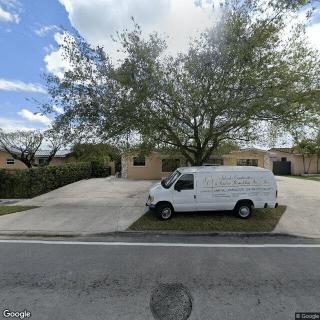
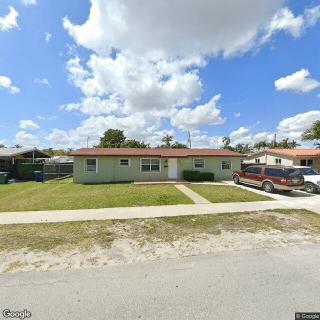
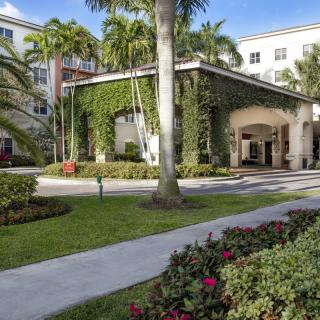
Assisted Living communities with a similar price nearby
-
from +$385 / mo
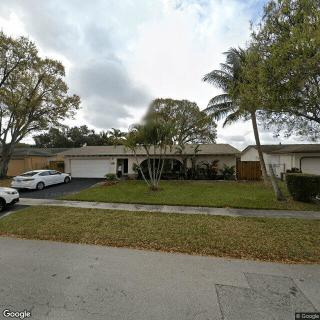
Ana's Assisted Living Facility
$2,400 / month21.4 miles away -
About the same
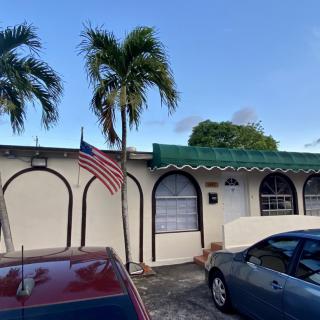
Care and Love Retirement Home
$2,000 to $2,500 / month10.1 miles away -
from +$205 / mo
Miami Jewish Home & Hospital for the Aged
$2,220 to $7,500 / month12.4 miles away -
from -$340 / mo

Assisted Living Facility Sweet Home
$1,675 to $2,675 / month2.9 miles away -
About the same
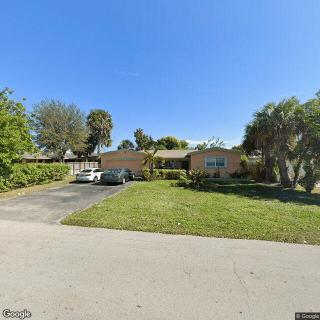
Tender Touch Home Care
$2,000 to $3,000 / month20.8 miles away
Overall Review of The Angels Home
Pros
 It feels like a second home: clean, cozy, and filled with peace, love, and harmony.
- The staff are described as angels on earth for their exceptional care.
- Finding this house is considered a blessing, and families express infinite gratitude.
- The caregivers provide home-cooked meals and show genuine attentiveness.
- Families could not be happier with the care their loved ones receive.
- They would trust the caregivers to care for other family members or friends in similar situations.
Review
The Angels Home in Miami is best suited for families seeking a warm, home-like setting where personalized, attentive care feels more like family than facility life. This community shines for seniors who thrive on a peaceful, non-institutional atmosphere, and for loved ones who want to see consistent, caring interaction from staff who treat residents as individuals. It is particularly appealing for families managing memory challenges, where a smaller, intimate environment can aid familiarity, routine, and comfort.
Those who may want to consider alternatives include families prioritizing highly structured programming, extensive medical oversight, or broad on-site clinical services. Larger assisted living communities often offer more formalized activity calendars, comprehensive on-staff medical teams, and wider transportation or specialty programs. If 24/7 clinical nursing coverage or certified memory-care protocols are non-negotiable, a bigger, more resourced setting could be a better fit.
The strongest pro is the home-like atmosphere that permeates daily life. The house is described as clean, cozy, and infused with peace, love, and harmony, creating a sense of safety that reduces anxiety for residents and their families. The staff consistently emerges as a core strength: caregivers are portrayed as genuinely caring, dependable, and capable of building trust with both seniors and relatives. This translates to reliable daily routines, comfort in meal times, and the kind of steady presence that matters when cognitive or mobility challenges are present.
Those same advantages, intimacy, attentiveness, and a comfortable, home-centered rhythm, offset potential drawbacks inherent in smaller operations. In a setting with a limited footprint, residents receive more individualized attention and a stronger sense of being seen, which can offset concerns about fewer on-site amenities or fewer formal programs. Home-cooked meals add a tangible layer of quality, nutrition, and routine that often outpace larger, impersonal facilities. Families can rely on the atmosphere to support emotional well-being, which is a critical component of managing memory-related symptoms.
On memory care in particular, the reviews describe successful, compassionate care for a relative with Alzheimer’s, with staff who took the time to personalize meals and care. This demonstrates that the team can deliver meaningful daily care in a way that preserves dignity and familiarity. Yet a prudent buyer will verify the availability of licensed clinical oversight, care-planning processes, and access to medical support if needs escalate. It is wise to confirm how care plans are developed and updated, how often cognitive status is reviewed, and what contingencies exist for emergency medical situations.
In sum, The Angels Home is a compelling choice for families prioritizing a serene, family-like setting where caregivers offer heartfelt, consistent attention and where residents feel at home. It is best for seniors who respond well to a quiet, intimate environment and for families seeking reassurance that their loved one is cherished and well cared for in daily life. If those values align with priorities, this community deserves serious consideration; if instead a large, highly structured, clinically oriented environment is required, alternatives should be explored with clear criteria and site visits to compare staffing, medical capabilities, and program breadth.
 6 resident community capacity
 Assisted Living
 Board and Care Home
 Respite Care
 Cable or satellite TV
 Dining room
 Fully furnished
 Garden
 Housekeeping services
 Move-in coordination
 Outdoor space
 Telephone
 Wi-Fi/high-speed internet available
 Miami International (7 miles away)
 24-hour supervision
 Activities of daily living assistance
 Assistance with bathing
 Assistance with dressing
 Assistance with transfers
 Diabetes diet
 Meal preparation and service
 Medication management
 Special dietary restrictions
 Transportation arrangement (medical)
 Transportation to doctors appointments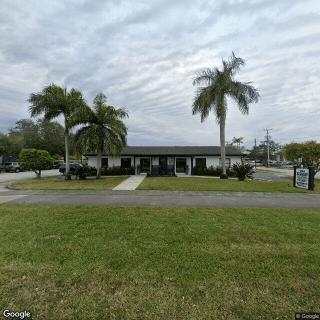

 Assisted Living and Memory Care: Understanding Their Core Differences
 Beyond the Bingo Hall: 50+ Enriching Activities for Seniors in Assisted Living
 Understanding the Distinctions: Assisted Living and Memory Care Explained