
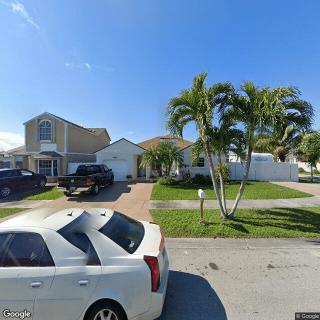
13998 South West 159Th Terr, Miami, FL 33177
For more information about senior living options: (866) 208-4318
Overall Review of Richmond Home Care
Pros
 The SYNERGY HomeCare team is professional, compassionate, and genuinely cares about families.
- Marisabel makes clients feel comfortable and supported.
- The staff and service are outstanding and highly recommendable.
- The agency trains its HHAs very well and shows strong empathy and listening.
- Adeley provides excellent, supportive, and attentive care.
- A SYNERGY aide helps a loved one with bathing, dressing, organization, reading, and engaging activities.
- The team communicates well, offering updates after visits.
- SYNERGY is consistently praised as the first choice in senior care.
- Families express gratitude and would strongly recommend the agency.
Cons
 Others act like it’s just another job.
- Others would just walk away and come back around when they think that she’s ready to leave or when her time is up.
Review
Richmond Home Care in Miami is best suited for families seeking highly personalized, at-home support that preserves independence for seniors who do not require continuous hospital-level medical supervision. This community shines when a loved one wants to stay in a familiar environment while receiving steady, one-on-one assistance with daily activities, routine safety checks, and cognitive engagement. It’s a strong fit for those who value compassionate, professional caregivers who can form a reliable relationship with the elder adult, ensuring consistent pacing, respect, and responsive communication as needs evolve.
Those who may want to consider alternatives are families facing needs beyond assisted-at-home care. For residents requiring round-the-clock medical oversight, nurse-led protocols, or highly structured programming, a traditional assisted living facility or a memory-care community may deliver a level of medical integration and social programming that home care cannot. Similarly, for elders with complex wound care, IV therapies, or specialized rehabilitation needs, a facility with on-site clinical teams could provide greater convenience and oversight. In short, when medical intensity or 24/7 on-site presence becomes paramount, exploring other options is prudent.
The strongest draw here is the care team. Across the board, reviews describe SYNERGY HomeCare as professional, empathetic, and deeply committed to the families they serve. Caregivers are praised for being well-trained, patient, and dedicated, with examples ranging from helping with bathing and dressing to keeping living spaces organized and safe. The human touch is evident in daily interactions, reading aloud, playing games, conversing meaningfully, and treating clients with the same care one would offer a loved one. This level of attentiveness translates into tangible peace of mind for families who can rely on steady updates and the sense that someone truly knows how to anticipate needs.
Communication stands out as a core strength that compounds the practical benefits of hands-on support. Families report proactive, thoughtful outreach, regular updates on how the day went, quick responses to questions, and a willingness to listen and adapt care plans as conditions shift. The caregiver-to-family channel is not a afterthought but a central element of the service, with staff consistently going the extra mile to keep everyone aligned. That approach reduces caregiver burnout for the family and reinforces confidence that the elder’s routine will stay consistent, even as staff rotations occur.
A second, equally important advantage is the demonstrated reliability of the caregiving team. The reviews highlight a culture of accountability and pride in delivering high-quality service, with caregivers who “treat her like she’s their mom” and who invest time in conversations and companionship that support mental stimulation and emotional well-being. This level of personal investment matters, because it translates into fewer missed visits, more conscientious attention to safety, and a more holistic approach to daily living. When trust is built on track records of empathy, responsiveness, and dependable presence, the risk of miscommunication diminishes and families can plan with confidence.
Where the positives offset potential downsides is in the economics of care and the flexibility of service delivery. Home-based support typically offers a lower-cost alternative to full-time institutional care while preserving autonomy and familiar routines. The 4.9 rating from ten reviews signals a high satisfaction trajectory, but the small sample naturally invites careful due diligence. The practical takeaway is that cost should be weighed against the breadth of services, caregiver consistency, and the ability to tailor schedules to match medical or personal preferences. The strong caregiver training and the emphasis on meaningful engagement suggest better value through reduced hospital visits and enhanced quality of life, even if total expenditures require careful budgeting.
The decision comes down to alignment of needs with capability. For families seeking a robust, relationship-driven at-home option with outstanding caregiver quality, Richmond Home Care through SYNERGY HomeCare provides a compelling platform. The service’s proven strengths, professionalism, compassionate care, consistent communication, and genuine personalization, create a strong case for choosing at-home support when independence and comfort are paramount. However, if the loved one’s care demands exceed what can be safely and consistently delivered in a home setting, including nonstop medical oversight or a social milieu designed around structured programming, alternatives should be evaluated without hesitation. Begin with a no-pressure assessment, verify caregiver compatibility, and confirm the availability of preferred hours and language needs to ensure the match fits long-term goals.
 6 resident community capacity
 Assisted Living
 Cable or satellite TV
 Dining room
 Fully furnished
 Garden
 Housekeeping services
 Move-in coordination
 Outdoor space
 Telephone
 Wi-Fi/high-speed internet available
 Miami International (15 miles away)
 24-hour supervision
 Activities of daily living assistance
 Assistance with bathing
 Assistance with dressing
 Assistance with transfers
 Diabetes diet
 Meal preparation and service
 Medication management
 Special dietary restrictions
 Transportation arrangement (medical)
 Transportation to doctors appointments




 Assisted Living Support for Veterans: A Complete and Detailed Overview
 Exploring the Contrasts Between Assisted Living and Skilled Nursing
 8 Key Indicators That Suggest It May Be Time to Transition from Assisted Living to Skilled Nursing Care