
11633 SW 133 Terrace, Miami, FL 33176
To contact a resident: (305) 910-5950
For more information about senior living options: (866) 208-4318
Overall Review of Lizi Home Care III
Pros
 The staff at Lizi Home Care are attentive to residents.
- The business is trusted by clients.
- The owner, Migdalia, has a wonderful relationship with residents.
- Migdalia goes above and beyond to serve her residents.
Review
Lizi Home Care III in Miami is best suited for families seeking a small, home-like setting where care feels intimate and leadership is visibly present. The clearest signal from available feedback is a high level of staff attentiveness paired with active involvement from the owner, Migdalia, who is described as going above and beyond to serve residents. In a two-review landscape, the community earns a solid 4.5 rating, with one reviewer explicitly praising the trust formed with the business and the strong relationship with the owner. This combination points to a setting where residents enjoy predictable routines, frequent personal interactions, and a sense that someone with real accountability is directly guiding daily care.
For families weighing alternatives, this community suits those who value personal connection over scale. If a plan calls for more formal medical oversight, a broader menu of on-site services, or a larger campus with multiple specialized programs, consider larger assisted living communities in Miami or licensed home care agencies that bring in multidisciplinary teams. Prospective residents should scrutinize licensing, safety records, and whether the level of care can scale with changing needs. In short, Lizi Home Care III excels at relationships and responsiveness; those needing a more structured medical framework or extensive therapy options may find a better fit elsewhere.
The strongest selling points are the hands-on, resident-centered approach. Attentive staff, combined with direct involvement from the owner, translates into rapid responses to needs, careful daily routines, and a sense that care plans are not merely on paper but actively shaped by leadership. This personal leadership fosters trust and reduces the likelihood of miscommunication, which matters greatly for families who want to feel confident that a loved one is seen, heard, and protected. When care requires nuance, adjusting meals, activities, or supervision to accommodate mood, mobility, or cognitive changes, the evident willingness to customize care is a compelling offset to any potential gaps associated with a smaller operation.
On the flip side, the most plausible concerns center on scale and scope. The compact nature of a home-like setting often means fewer staff per shift, a narrower suite of on-site services, and limited capacity to supply specialized therapies or advanced medical oversight without partnering with external providers. Those realities can translate into longer holds on scheduling activities, slower access to certain rehabilitative services, or a need to coordinate outside arrangements for complex medical needs. Yet the owner-driven model partially mitigates these risks: the leadership tone encourages proactive problem-solving and strives to keep the care plan aligned with resident preferences, even when resources are inherently limited by size.
To make a well-supported choice, families should pursue concrete assurances alongside the warm impressions. Questions to elevate include: what is the current staff-to-resident ratio on each shift; what specific services are included in care plans (assistance with activities of daily living, medication management, mobility support, palliative care coordination); how are emergencies handled, and what is the process for updating care plans in response to changing needs; what are the costs, contract terms, and any hidden fees; how does the facility coordinate with residents’ physicians and hospitals; and is there a turnkey path to higher levels of care if needs intensify. Meeting Migdalia and the caregiving team in person, requesting a sample week of activities, and reviewing the latest inspection or licensing documents will reveal whether expectations align with operation.
In sum, Lizi Home Care III stands out for families who prize a personal, accountable care relationship where the owner’s direct involvement translates into consistently attentive service. It is a strong choice for those who value stability, a genuine sense of community, and a caregiver roster that feels cohesive and responsive. However, for families prioritizing expansive medical oversight, broad service offerings, or a larger community with more structured programming, alternatives that offer greater scale may be a better long-term match. The practical path is clear: verify specifics on care capabilities and costs, experience the day-to-day rhythm during a visit, and ensure the plan can escalate smoothly if needs evolve. With those checks, Lizi Home Care III can clearly be the right home environment where a loved one is seen, known, and truly cared for.
 Board and Care Home
 Miami International (12 miles away)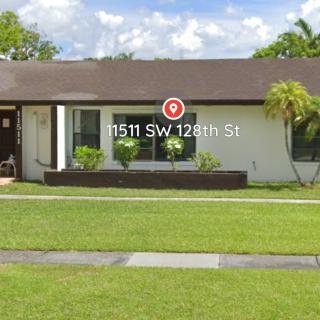





 Skilled Nursing Facilities vs. Nursing Homes: Making Sense of the Differences
 A Detailed Examination of Nursing Home Costs Across the U.S.
 Exploring Nonmedical Home Care: Understanding Services, Costs, and Financial Approaches