
12381 South West 144 Terrace, Miami, FL 33186
For more information about senior living options: (866) 208-4318
Overall Review of Bma Assisted Living Facility
Pros
 The staff are supportive, attentive, and genuinely caring.
- The facility is impeccably clean, modern, and well maintained.
- Residents receive thorough, respectful, and personalized care, with emphasis on safety, nutrition, and dignity.
- The home offers regular activities and pampering services that boost residents’ confidence and happiness.
- Families experience peace of mind knowing their loved ones are treated with kindness and respect.
- The owners and staff are accommodating, responsive, and dedicated to making the environment feel like home.
- The environment feels like a second home where residents are treated with kindness and dignity.
- Caregivers consistently go above and beyond to ensure residents’ well-being and comfort.
Review
Bma Assisted Living Facility in Miami is best suited for families seeking a high-quality, home-like environment where safety, cleanliness, and consistently warm, attentive care are the baseline. The reviews describe a setting that resonates with residents who thrive on daily rhythms, nutritious meals, personal care, and regular social and wellness activities, delivered with genuine kindness. This community excels at making elders feel valued, through meticulous cleanliness, reliable supervision, and staff who treat residents with dignity. It is especially compelling for relatives managing complex needs or dementia, where round-the-clock oversight and coordinated medical attention are non-negotiables. In short, this is a fit for those who want a facility that operates like a supportive extended family while maintaining professional standards.
Alternatives are worth considering for families prioritizing cost control, a more intimate or less polished setting, or a facility with a different balance of clinical focus and lifestyle amenities. The emphasis here on modern, spacious surroundings and salon-style services can imply a higher activity level and pricing structure than simpler homes. For those seeking a smaller, cozier, more traditional residential feel, or for families that prefer a tighter, hospital-like clinical footprint, other options may align more closely with budget or personal philosophy about daily living.
The strongest pros pile up around cleanliness, atmosphere, and people. The facility is described as impeccably clean, modern, and very spacious, with staff who are attentive to resident needs. Families repeatedly note 24/7 care that is personable and respectful, with caregivers who listen and respond promptly. The owners and staff are portrayed as genuinely caring and accommodating, creating a sense of reassurance for families who need steady, dignity-preserving support. Beyond basic care, residents benefit from activities, personal care services, and cosmetic touches like hairdressing and manicures, which help preserve a sense of normalcy, self-worth, and engagement. This combination of cleanliness, warmth, and proactive care is repeatedly cited as the core strength.
That care dynamic offsets potential downsides by emphasizing safety, consistency, and measurable well-being. The most tangible offset is the facility’s ability to address medical needs quickly, physicians arriving promptly when needed and round-the-clock supervision that reduces risk for falls or missed treatments. The clean, well-maintained environment minimizes the stress of daily living, while the social and beauty services counteract isolation and neglect that often undermine quality of life in other settings. In short, the pros create a robust safety net and a daily lived experience that feels both professional and personally considerate, which mitigates concerns about impersonality or neglect that can accompany other residential options.
The care model also shines for residents dealing with Alzheimer’s or dementia, a domain where routine, respect, and gentle engagement matter most. Families report that residents are well-dressed, clean, and consistently attended to, with staff who treat them like family and who tailor interactions to individual needs. Weight gain in frail elders is framed as a positive sign of improved nutrition and stability, suggesting effective monitoring and responsive medical coordination. The facility’s modern aesthetics and orderly operation contribute to a sense of normalcy and happiness for both residents and their families. The combination of compassionate caregivers and timely medical attention appears to translate into reliable peace of mind for households navigating the complexities of aging at home.
Ultimately, a practical decision approach centers on priorities. If warmth, safety, dignified treatment, regular activity, and a clean, modern living space are non-negotiables, this community stands out as a top contender in Miami. Families should, however, clarify pricing structures, what is included in monthly fees, and the exact staffing ratios and dementia-care capabilities before committing. For those prioritizing a smaller, more intimate setting or seeking a lower-cost model, or for those with specific clinical demands not clearly described here, exploring alternatives is prudent. The advisory conclusion is clear: for a relative who values a “second home” atmosphere grounded in meticulous care and responsive professionals, Bma Assisted Living Facility represents a compelling, well-supported option.
 6 resident community capacity
 Assisted Living
 Board and Care Home
 Cable or satellite TV
 Dining room
 Fully furnished
 Garden
 Housekeeping services
 Move-in coordination
 Outdoor space
 Telephone
 Wi-Fi/high-speed internet available
 Miami International (13 miles away)
 24-hour supervision
 Activities of daily living assistance
 Assistance with bathing
 Assistance with dressing
 Assistance with transfers
 Diabetes diet
 Meal preparation and service
 Medication management
 Special dietary restrictions
 Transportation arrangement (medical)
 Transportation to doctors appointments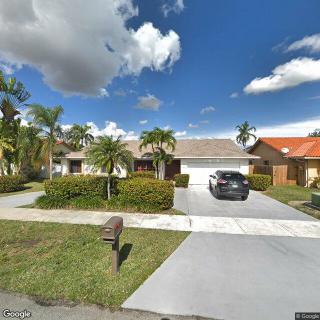





 Choosing the Right Senior Care: A Detailed Exploration of Assisted Living and Nursing Homes
 Understanding the True Cost of Assisted Living in 2025: A Comprehensive Guide
 Understanding Medicaid Coverage for Assisted Living: A Comprehensive Guide