

15135 South West 128 Court, Miami, FL 33186
For more information about senior living options: (866) 208-4318
Overall Review of Dade County Adult Living Facility Group Corp.
Pros
 The facility provides the best care.
- It is a loving facility toward all residents and their visitors.
- The grandmother expressed happiness during visits.
- The home-like setting feels like a house shared by residents with caretakers.
- Professionals supported her with appropriate care as needed.
- The grandmother lived to 95 years old under their care.
- The family expresses sincere love and appreciation for the staff.
Review
Best suited for families seeking a warm, home-like assisted living option where a small, attentive staff can deliver personalized care in a house-style setting. The Dade County Adult Living Facility Group Corp. is described as a loving environment that treats residents and visitors with care, and it earned praise from a family whose grandmother moved from a nursing home and remained content for years. The accounts emphasize daily companionship, professional oversight, and a sense of continuity that feels less institutional than a typical nursing facility. For families prioritizing relational quality and a dignified, familiar living arrangement, this community presents a compelling fit.
However, this setting may not fit every care profile. Those who require intensive on-site medical management, complex memory care, or frequent skilled nursing interventions may want alternatives with deeper clinical resources or specialized programming. A larger campus or facility with dedicated memory units and rehab services could better match residents needing aggressive care escalation. Privacy considerations in a shared house-style layout should be weighed alongside staffing patterns and responsiveness. In short, evaluate whether the home-like model aligns with the resident’s current and anticipated care trajectory, or if a brighter clinical footprint is needed.
On the positives, the strongest attribute is the evident warmth and personalized attention. Families described a loving environment that extends to visits, suggesting strong caregiver-resident bonds and a respectful, family-friendly culture. The care team is portrayed as professional and capable, delivering appropriate care as needs arise, with a setting that felt like a home rather than an institution. The grandmother’s longevity, she lived to 95, under their care is a powerful data point suggesting stable, long-term satisfaction and effective daily support. When a resident thrives in a familiar, small-scale setting, mood stability, reduced agitation, and emotional well-being often translate into fewer crisis moments.
Because the reviews are limited to two accounts, there is no comprehensive view of every facet. Prospective families should probe for potential limitations inherent in a house-sharing model: privacy trade-offs, variability in caregiver assignment, and the availability of on-call medical expertise or specialists. The absence of detailed information on activities, transportation, or memory-care programming means those areas require direct inquiry. Also, although the testimonials are glowing, the small sample size cannot confirm consistency across all residents or predict long-term outcomes for different care needs. These gaps warrant careful due diligence before committing resources.
The ethical and practical counterweight is that intimate, ongoing relationships with caregivers can offset the lack of a clinical sheen. The reviews imply stable staffing and a culture of respect that reduces isolation and promotes family involvement. When care feels like a partnership with the resident’s family, safety improves, and declines can be detected early. For families seeking a monitored yet homelike life, this environment often delivers steady daily routines, predictable support, and emotional security. The positive trajectory in the grandmother’s story, consistent happiness during visits and long life, provides a narrative that meaningful, person-centered care can trump more impersonal care settings.
Actionable next steps: arrange an in-person tour focused on caregiver interactions, ask to meet the caregiving team, and request a sample care plan for common conditions. Clarify staffing ratios, on-site nursing availability, and escalation protocols for medical needs. Inquire about respite options, pricing inclusions, and what happens if care requirements escalate. Observe the environment for privacy, safety measures, and the residents’ engagement in daily life. If warmth, house-like comfort, and sustained personal attention are non-negotiable, this facility stands out as a serious option. For residents demanding robust clinical resources or specialized memory care, pursue alternatives with broader medical infrastructure.
 6 resident community capacity
 Assisted Living
 Board and Care Home
 Respite Care
 Cable or satellite TV
 Dining room
 Fully furnished
 Garden
 Housekeeping services
 Move-in coordination
 Outdoor space
 Telephone
 Wi-Fi/high-speed internet available
 Miami International (13 miles away)
 24-hour supervision
 Activities of daily living assistance
 Assistance with bathing
 Assistance with dressing
 Assistance with transfers
 Diabetes diet
 Meal preparation and service
 Medication management
 Special dietary restrictions
 Transportation arrangement (medical)
 Transportation to doctors appointments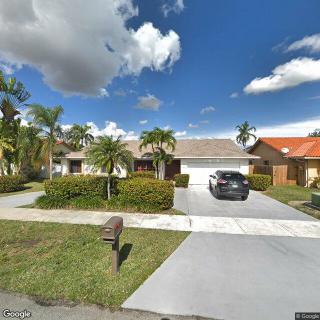



 Assisted Living and Memory Care: Understanding Their Core Differences
 Beyond the Bingo Hall: 50+ Enriching Activities for Seniors in Assisted Living
 Understanding the Distinctions: Assisted Living and Memory Care Explained