

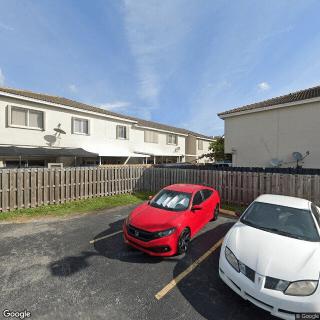
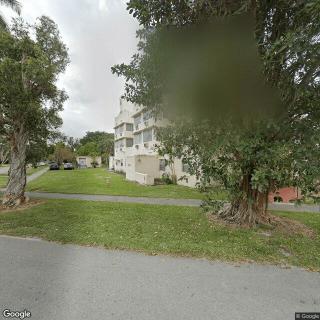
175 Fontainebleau Blvd, Miami, FL 33172
To contact a resident: (305) 553-7727
For more information about senior living options: (866) 208-4318
Overall Review of Lesly Home Health Care
Pros
 The Nursing Assistants, nurses, and therapists provide very good attention to patients and office staff.
- There is excellent communication between patients and family members.
Review
Lesly Home Health Care in Miami is best suited for families that want high-touch, skilled in-home support delivered by a cohesive clinical team. The model works well for seniors who prefer remaining in the familiar surroundings of home while receiving nursing care, aides, and therapy on a reliable schedule. It’s especially appropriate for post-acute recoveries, ongoing chronic condition management, and situations where clear, continuous communication with both care providers and family members is a top priority. When peace of mind hinges on knowing the care plan is actively monitored and adjusted, this provider stands out.
Those who should consider alternatives are those seeking a more social, campus-style environment with built-in activities, broader social opportunities, and around-the-clock on-site supervision. Traditional assisted living or memory care communities can offer structured programming, easy access to peer engagement, and 24/7 staffing on a single site, which may be preferable for individuals whose needs extend beyond what a home health setup typically delivers. Prospective clients should also evaluate budgets and care needs, if a flat, all-inclusive facility model is preferred, a facility-based option may be a better fit.
The strongest positives are unmistakable and bound to influence outcomes. Very good attention from certified nursing assistants, nurses, and therapists translates into timely interventions, accurate medication management, and appropriate rehabilitative progress. The ability to tailor care in the home environment often accelerates comfort, reduces hospital readmissions, and enhances functional gains when therapy is coordinated with medical oversight. Equally important is the quality of communication: regular dialogue with family members keeps everyone aligned, minimizes surprises, and builds trust that the care plan will flex as needs evolve. Office staff support further strengthens reliability, handling scheduling, billing queries, and care coordination with consistent professionalism.
If any drawbacks exist, they are the natural trade-offs of an in-home model rather than a facility-based setting. In-home care typically offers fewer opportunities for daily social interaction with peers and less ambient security compared to a campus where activities and supervision are on-site around the clock. Scheduling complexity and caregiver availability can also influence consistency, particularly during evenings or weekends. Geographic coverage in a large metro area may constrain rapid response in certain neighborhoods, and, as with any skilled home care, costs can accumulate based on hours of service and the level of clinical oversight required.
However, the core strengths, clinical attentiveness, transparent family communication, and dependable office coordination, put Lesly Health Care’s in-home model in a favorable light against these cons. Highly attentive caregivers and therapists drive steady clinical progress and safety within familiar surroundings, while open channels of communication ensure that families remain informed and empowered. The home setting itself preserves independence, reduces relocation stress, and supports comfort and dignity, which are meaningful benefits when the priority is preserving a sense of control for the senior.
For families weighing next steps, the decision comes down to care philosophy and home-based feasibility. If the loved one values a responsive, well-coordinated clinical team and prefers staying at home, Lesly Home Health Care delivers a compelling, practical solution. If social immersion, 24/7 on-site presence, or dementia-focused campus resources are non-negotiable, alternatives should be explored promptly. Prospective clients should seek a detailed care plan, meet the care team, confirm coverage areas, and discuss scheduling patterns, language needs, and escalation processes. A trial period or phased transition can illuminate how well the home-based model aligns with daily living, safety, and long-term goals.
 Miami International (3 miles away)


 Powerful Realities of Elder Abuse and the Most Effective Ways to Report It
 Ten Vital Duties of a Senior Caregiver: A Comprehensive Guide
 9 Stimulating Memory Activities for Seniors: Puzzles, Cards, and Much More