
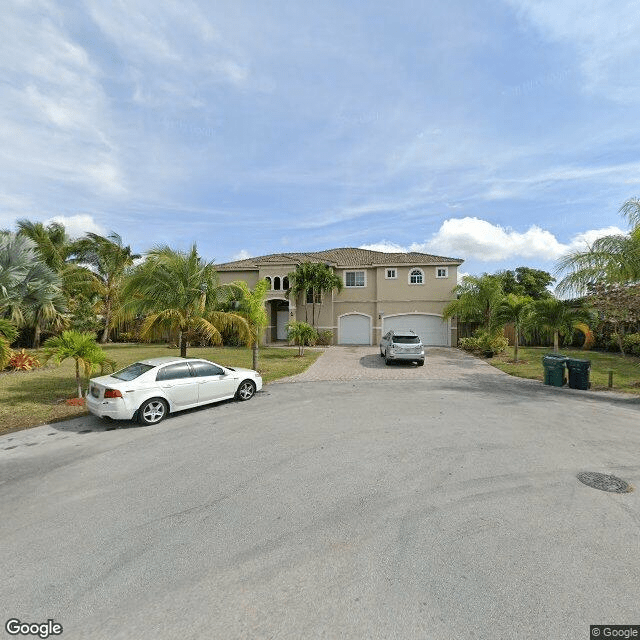
18539 Southwest 133rd Avenue, Miami, FL 33177
To contact a resident: (305) 484-7057
For more information about senior living options: (866) 208-4318
Gild Adult Family Services Costs & Pricing
Gild Adult Family Services offers competitive monthly rates for their care options, particularly when compared to the broader market in Miami-Dade County and across Florida. For a semi-private room, Gild charges $1,800, which is significantly lower than the county average of $2,250 and the state average of $3,009. Similarly, their private rooms are priced at $2,500, again more affordable than both the county's average of $3,304 and the state's higher average of $3,699. This pricing structure highlights Gild Adult Family Services' commitment to providing quality care at accessible rates while ensuring residents receive the attention and support they deserve.
| Floor plans | Gild Adult Family Services | Miami-Dade County | Florida |
|---|---|---|---|
| Semi-Private | $1,800 | $2,250 | $3,009 |
| Private | $2,500 | $3,304 | $3,699 |
Senior living communities with a similar price nearby
-
from +$200 / mo
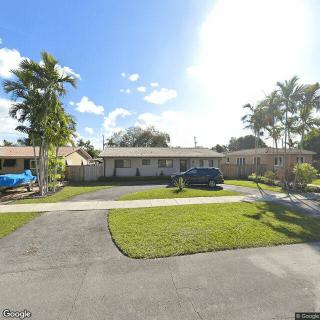
Buddy's Place
$2,000 / month17.2 miles away -
from +$200 / mo
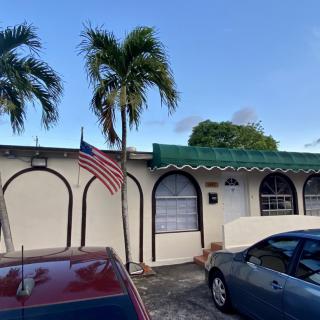
Care and Love Retirement Home
$2,000 to $2,500 / month19.0 miles away -
About the same

Magnet Adult Home South
$1,800 to $3,500 / month19.0 miles away -
from +$200 / mo
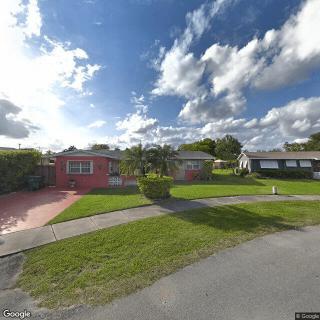
Valdes Retirement Home, Inc
$2,000 / month7.7 miles away -
from -$125 / mo

Assisted Living Facility Sweet Home
$1,675 to $2,675 / month11.5 miles away
Overall Review of Gild Adult Family Services
Pros
 The environment is very clean.
- The two-story layout is good for the elderly to engage in family life.
- It supports the elderly in participating in family life.
Cons
 The facility is too expensive.
- The facility does not provide transportation to the doctor's office.
Review
Gild Adult Family Services in Miami, FL is best suited for seniors who want a family-style living arrangement with close daily involvement from loved ones. The on-site family presence creates a home-like atmosphere where daily routines can be personalized and engagement with relatives remains a central part of daily life. The facility is described as very clean, which supports comfort and a sense of well-being for residents who value a tidy, orderly environment. This setting benefits elders who thrive when family members are actively involved in day-to-day care and prefer a more intimate living situation over a traditional, impersonal assisted-living model.
Those who may want to consider alternatives are seniors who require more formal, clinical oversight, consistent access to transportation for medical appointments, or a setting that minimizes reliance on family for daily care. If frequent doctor visits, timely transportation to appointments, or a strict schedule with structured activities is a priority, the on-site family model may feel insufficient. Additionally, residents needing significant mobility or safety supports, or those who favor a more conventional, professionally staffed environment, may find other communities better aligned with their needs.
The most notable pros center on engagement and personalization. A home-like environment, reinforced by family involvement, can foster meaningful social interaction, tailored activities, and a sense of belonging that is hard to replicate in larger facilities. Cleanliness supports health and comfort, and the two-story layout with living space integrated into daily life can enhance daily opportunities for connection and participation in family routines. These strengths can offset a degree of informality by enabling a high level of individualized attention and flexibility that larger, more impersonal settings may not offer.
However, the main drawbacks temper enthusiasm and must be weighed carefully. The cost is highlighted as a decisive drawback, with concerns that the price point may exceed what many families are willing or able to pay for a home-like care arrangement. Coupled with the absence of transportation to the doctor, this creates a practical barrier to maintaining regular medical care, potentially leading to missed appointments or extra logistical burden on family members. For seniors with planned medical regimens, chronic conditions requiring frequent monitoring, or limited family availability to drive, these gaps diminish overall value and reliability.
Prospective residents should ask pointed questions before committing: what exactly is included in the monthly rate and what incurs extra charge, who provides care during evenings and weekends, and what level of medical supervision is available on-site? Clarify accessibility features, especially for those with mobility limitations, and assess safety supports within the home environment. Explore whether transportation options exist through third-party services or if family coordination can be supported by staff. Understanding staffing coverage, emergency protocols, and the continuity of care will determine whether the perceived intimacy and cleanliness truly meet long-term needs.
Bottom line: Gild Adult Family Services offers a distinctive, family-centered living option that can be a strong match for a senior who prioritizes engagement, comfort, and a clean, home-like setting, and who can absorb a higher cost and lack of formal transportation. For those requiring predictable, transportation-assisted access to medical care, or for residents needing more formal, clinically oriented oversight, alternatives with clearer transportation support and structured professional staffing will typically present a safer and more reliable fit. Careful due diligence around pricing, accessibility, and care continuity is essential to ensure the choice aligns with both health needs and financial realities.
 Board and Care Home
 Activities on-site
 Bath tubs
 Indoor common areas
 Outdoor common areas
 Private
 Respite or short term stays offered
 Swimming pool / hot tub
 Miami International (15 miles away)
 Ambulatory care
 Incontinence care
 Medication management
 Meals provided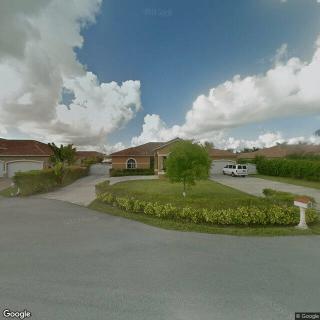



 9 Stimulating Memory Activities for Seniors: Puzzles, Cards, and Much More
 Managing Nursing Home Expenses After Medicare Coverage Ends
 Is a Geriatric Care Manager the Right Choice for Your Family?