
1340 Oxford Road, Maitland, FL 32751
For more information about senior living options: (866) 208-4318
Overall Review of English Estates Alf
Pros
 English Estates is a clean little facility.
- The tenants there are all very nice and friendly.
- It is privately owned and not corporate.
- It provides a smaller, more personal environment than larger corporate facilities.
Cons
 It is a very small place.
- Bigger places are all about dollars and cents because they’re corporate.
- The reviewer wishes her mother could afford a bigger place.
- English Estates does not run that way and does not have the facilities of a larger place like the corporations.
Review
English Estates Alf in Maitland, FL is best suited for families seeking a small, home-like assisted living option where private ownership shapes the experience, and where affordability and a neighborly, low-key atmosphere eclipse the polish of larger corporate campuses. This community operates on a limited footprint, but with a clean, tidy environment and a sense of camaraderie among residents that can feel comforting when mobility or care needs are not severe. It is the kind of place where familiarity, owners, staff, and residents knowing one another, can translate into steadier routines and less of the impersonal hustle associated with bigger centers. For someone who prizes personal attention and a modest, unpretentious setting, English Estates delivers as a sensible match.
Those weighing options should explicitly consider alternatives if the priority list includes breadth of services, campus-scale amenities, and a formal, program-rich environment. Larger, corporate facilities often promise more expansive dining venues, scheduled activities, on-site therapy, transportation logistics, and a broader array of care levels under standardized governance. If a family is evaluating memory-care suites, structured activity calendars, or more robust medical oversight, a bigger, multi-building community may outperform what English Estates can practically provide. In short, residents needing a wide range of on-site conveniences or more formal management may want to look elsewhere.
On the upside, the strongest pros align well with comfort-seeking families: a compact, easier-to-navigate setting and a clearly clean, well-kept space. The very small scale can foster genuine, neighborly interactions, with residents described as friendly and a staff presence that feels more accessible than in larger houses. This translates into a sense of control and predictability that some families prize, especially when the budget is tight and the desire is for a modest, respectful environment rather than a resort-like campus. The lack of corporate trappings can reduce bureaucratic delays in daily routines, allowing for more flexible, personalized handling of minor needs and preferences.
The principal drawbacks stem from the same size and ownership model. English Estates does not offer the facilities or breadth of services a larger, corporate facility would provide, which means fewer on-site amenities, activities, and program options. The upside of that simplicity is counterbalanced by a practical concern: residents who require extensive medical support, a wider array of therapies, or a robust social calendar may quickly encounter limits. The absence of a larger campus footprint also means less formalized programming and potentially fewer staff resources tied to specialized care. For families prioritizing choices over consistency, these gaps matter and should be weighed against the savings and the intimate setting.
A decision framework emerges from the contrast between want-to-have and need-to-have. If affordability, a quiet, close-knit environment, and straightforward care routines are paramount, English Estates presents a compelling case. Prospective residents should probe staff-to-resident ratios, the cadence of daily activities, meal quality, and the ability to tailor schedules to individual preferences. It is wise to tour with questions about emergency protocols, transportation options for errands or medical appointments, and the availability of advanced care or memory-support services, even if these are not the centerpiece of the facility. For families with residents who require frequent, intensive clinical attention or a bustling social life, alternatives with broader service menus will likely be the safer path.
In the end, English Estates Alf serves a specific niche: a small, clean, affordable home-like setting where residents and families value personal touch over corporate polish. It is a sensible choice for those who want minimal overhead, a familiar, friendly community, and a place that feels more like a private residence than a campus. However, for anyone whose loved one requires extensive programming, diversified activities, or advanced medical supports on-site, the evidence here points toward exploring larger, corporate options. The decision should align with the resident’s health trajectory, social needs, and the family’s tolerance for a more intimate, less expansive environment.
 6 resident community capacity
 Assisted Living
 Board and Care Home
 Respite Care
 Cable or satellite TV
 Dining room
 Fully furnished
 Garden
 Housekeeping services
 Move-in coordination
 Outdoor space
 Telephone
 Wi-Fi/high-speed internet available
 Orlando International (15 miles away)
 24-hour supervision
 Activities of daily living assistance
 Assistance with bathing
 Assistance with dressing
 Assistance with transfers
 Diabetes diet
 Meal preparation and service
 Medication management
 Special dietary restrictions
 Transportation arrangement (medical)
 Transportation to doctors appointments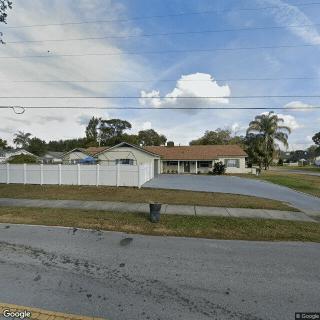






 Assisted Living and Memory Care: Understanding Their Core Differences
 Beyond the Bingo Hall: 50+ Enriching Activities for Seniors in Assisted Living
 Understanding the Distinctions: Assisted Living and Memory Care Explained