Neurorestorative Florida II

2411 Clement Road, Lutz, FL 33549

For more information about senior living options: (844) 490-3973

2.7 from 3 reviews
5 stars
0
4 stars
1
3 stars
1
2 stars
0
1 stars
1

Assisted Living

What level of care are you interested in?

Assisted Living

Memory Care

Independent Living

Skilled Nursing Facility

Continuing Care Retirement Community (CCRC)CCRC

Other


Request a tour at Neurorestorative Florida II

    Overall Review of Neurorestorative Florida II

    Pros

      Cons

      • pro The facility is dirty and nasty.
      • pro Residents are treated poorly and often left soiled.
      • pro The situation reflects a low caregiver-to-patient ratio.
      • pro The reviewer will never return to the assisted facility.

      Review

      From the outset, the account paints a troubling picture of the facility, opening with the blunt description: "Dirty, nasty facility." The phrasing signals a harsh verdict about the environment and the overall condition of the place. The writer's tone is not mild; it conveys disappointment and alarm about what they encountered during their experience.

      The core accusation centers on how residents are treated. The reviewer states that residents are "treated poorly" and are "often left soiled." Such phrasing suggests neglect of basic personal care and a failure to uphold dignity and cleanliness for those who rely on staff for daily needs. The description implies a routine where hygiene and attentiveness may be lacking, leaving residents in uncomfortable and distressing circumstances.

      Another prominent concern is the caregiver-to-resident ratio. The reviewer calls the situation "sad" precisely because there are too few caregivers to adequately attend to each person. This framing points to systemic staffing issues that can undermine safety, timely assistance, and the consistency of care. The implication is that with such low ratios, important tasks - like hygiene, feeding, mobility assistance, and monitoring for health changes - may be rushed or overlooked.

      The emotional and personal impact is evident in the reviewer's declaration: "Never will I go to assist facility again." The decision to vow not to return underscores a sense of betrayal or disappointment and signals to others that their experience was deeply unsatisfactory. It also serves as a cautionary signal to potential visitors or family members evaluating this facility.

      Taken together, the message conveys a warning about the quality of care and the environment. The dirty conditions, combined with reports of poor treatment and insufficient staffing, suggest a scenario where residents' well-being could be at risk. The reviewer's perspective emphasizes credibility by tying the observed conditions to tangible, day-to-day experiences rather than abstract complaints.

      For readers and families considering care options, the recount serves as a reminder to scrutinize cleanliness, staff responsiveness, and staffing levels. It highlights the importance of accountability, regular oversight, and transparent reporting in elder care facilities. The account also raises questions about what standards are in place and how quickly problems can be addressed when they arise.

      In the end, the review paints a stark portrait of a facility that, in the caller's view, fails to meet basic expectations of care and respect for residents. The emphasis on cleanliness, dignity, and staffing levels forms a cohesive critique that calls for attention from administrators, regulators, and potential clients alike. It is a reminder that the choice of a care facility hinges not only on services offered but on the everyday realities inside the walls.

      Features

      Housing

      • 10 resident community capacity 10 resident community capacity

      Types of Care

      • Assisted Living Assisted LivingAssisted living facilities provide crucial support and care for seniors who may need help with daily tasks such as medication management, bathing, and meal preparation. These communities offer a safe and comfortable environment where seniors can maintain their independence while receiving the assistance they need to thrive in their golden years.

      Amenities

      • Cable or satellite TV Cable or satellite TVCable or satellite TV is important for seniors because it provides entertainment, news, and companionship, helping to combat loneliness and boredom. It also offers a wide range of programming options tailored to different interests and preferences.
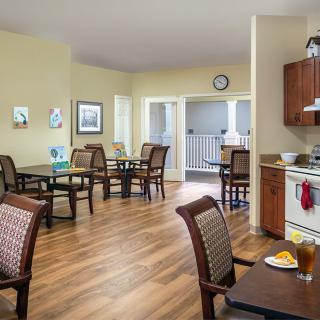
      • Dining room Dining roomDining rooms are important for seniors as they provide a space for socialization, connection, and nutritious meals. They offer opportunities for residents to bond over shared meals, foster a sense of community, and promote healthy eating habits. Dining rooms also ensure that seniors have access to well-balanced meals tailored to their dietary needs and preferences.
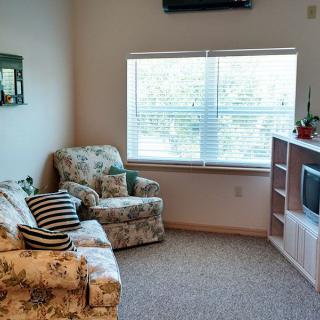
      • Fully furnished Fully furnishedFully furnished senior living communities are important for seniors because they provide convenience, comfort, and a hassle-free moving experience. Seniors can easily settle into their new living space without the stress of having to buy and move furniture. This allows them to focus on enjoying their new home and community.
      • Garden GardenGardens are important for seniors as they provide a peaceful and therapeutic environment for relaxation, physical activity, and socialization. Being in nature has been shown to reduce stress, improve mood, and promote overall well-being. Gardens also offer opportunities for seniors to engage in gardening activities, which can improve mobility, flexibility, and cognitive function. Additionally, gardens create a sense of community and connection with others who share a passion for plants and outdoor spaces.
      • Housekeeping services Housekeeping servicesHousekeeping services are important for seniors because they help maintain a clean and safe living environment, promote independence, and reduce the risk of accidents or illnesses. Additionally, having assistance with household chores can alleviate physical strain and allow seniors to focus on other aspects of their well-being.
      • Move-in coordination Move-in coordinationMove-in coordination is important for seniors because it helps ease the transition into their new living environment. It ensures that all logistics, such as packing, organizing movers, and setting up utilities are taken care of, allowing seniors to focus on settling in and adjusting to their new home. Having a smooth move-in process can alleviate stress and anxiety, making the transition smoother and more enjoyable for seniors.
      • Outdoor space Outdoor spaceOutdoor spaces are important for seniors as they provide opportunities for physical activity, social interaction, exposure to natural light and fresh air, and a sense of connection to nature. Having access to outdoor spaces can improve overall well-being and quality of life for older adults living in senior communities.
      • Telephone TelephoneTelephones are important for seniors as they provide a lifeline for communication with loved ones, emergency services, and healthcare providers. They offer a sense of security and independence, enabling seniors to stay connected and access assistance when needed.
      • Wi-Fi/high-speed internet available Wi-Fi/high-speed internet availableWi-Fi/high-speed internet is important for seniors to stay connected with loved ones, access online resources, and participate in virtual activities to combat feelings of loneliness and isolation. It also allows them to easily manage healthcare needs, access entertainment, and engage in lifelong learning opportunities.

      Transportation

      • Tampa International (12 miles away) Tampa International (12 miles away)
      • St. Petersburg-Clearwater International (21 miles away) St. Petersburg-Clearwater International (21 miles away)

      Care Services

      • 24-hour supervision 24-hour supervision24-hour supervision is important for seniors to ensure their safety, well-being, and access to immediate assistance in case of emergencies or health issues. This constant support provides peace of mind for both seniors and their loved ones, allowing them to age in place with dignity and security.
      • Activities of daily living assistance Activities of daily living assistanceActivities of daily living assistance are important for seniors because they provide essential support with tasks such as eating, bathing, dressing, and mobility. This assistance helps seniors maintain their independence, dignity, and overall quality of life as they age.
      • Assistance with bathing Assistance with bathingAssistance with bathing is crucial for seniors as it helps maintain personal hygiene, prevents infections, and ensures their overall well-being and comfort. It also provides a sense of dignity and independence for seniors who may struggle with this task on their own.
      • Assistance with dressing Assistance with dressingAssistance with dressing is important for seniors because it helps maintain their independence, promotes personal hygiene, prevents accidents and injuries, and improves overall quality of life. This service ensures that seniors can continue to dress comfortably and confidently, despite any physical limitations they may have.
      • Assistance with transfers Assistance with transfersAssistance with transfers is crucial for seniors as it helps prevent falls and injuries, maintains their independence, and ensures they can safely navigate their living environment. It also provides peace of mind for both seniors and their loved ones.
      • Coordination with health care providers Coordination with health care providersCoordination with health care providers is crucial for seniors to ensure proper medical care, medication management, and overall well-being. This collaboration helps prevent overlapping treatments, track progress more effectively, and provide comprehensive support tailored to individual needs.
      • Diabetes diet Diabetes dietA diabetes diet is crucial for seniors as it helps manage blood sugar levels, reduce risks of complications, and improve overall health and well-being. By following a balanced and nutritious diet tailored to their specific needs, seniors can better control their diabetes and enhance their quality of life.
      • Meal preparation and service Meal preparation and serviceMeal preparation and service are crucial for seniors as they may have limited mobility or energy to cook nutritious meals. Having access to healthy and convenient food options can ensure they are getting the proper nutrition needed to maintain their overall health and well-being.
      • Medication management Medication managementMedication management is crucial for seniors to ensure they are taking the right medications at the correct dosages and times. This helps prevent adverse drug interactions, reduces the risk of medication errors, and promotes overall health and well-being. Proactive management also allows for adjustments as needed based on changing health conditions or new prescriptions.
      • Special dietary restrictions Special dietary restrictionsSpecial dietary restrictions are important for seniors because age-related changes in metabolism and health conditions can make it difficult for their bodies to process certain foods. By following a diet tailored to their specific needs, seniors can maintain their overall health and well-being, manage chronic conditions, and reduce the risk of complications such as malnutrition or food interactions with medications.
      • Transportation arrangement (medical) Transportation arrangement (medical)Transportation arrangements for medical purposes are essential for seniors as they may have difficulty driving themselves to appointments or accessing public transportation. Having reliable and safe transportation options ensures that seniors can receive timely medical care and maintain their health and well-being.
      • Transportation to doctors appointments Transportation to doctors appointmentsTransportation to doctors' appointments is crucial for seniors as it ensures they have access to necessary medical care and support for their health needs. Without reliable transportation, seniors may struggle to attend important appointments, leading to potential delays in treatment and health complications. Providing transportation services helps seniors maintain their overall well-being and quality of life.

      Dining

      • Diabetes diet Diabetes dietA diabetes diet is crucial for seniors as it helps manage blood sugar levels, reduce risks of complications, and improve overall health and well-being. By following a balanced and nutritious diet tailored to their specific needs, seniors can better control their diabetes and enhance their quality of life.
      • Special dietary restrictions Special dietary restrictionsSpecial dietary restrictions are important for seniors because age-related changes in metabolism and health conditions can make it difficult for their bodies to process certain foods. By following a diet tailored to their specific needs, seniors can maintain their overall health and well-being, manage chronic conditions, and reduce the risk of complications such as malnutrition or food interactions with medications.

      Activities

      • Community-sponsored activities Community-sponsored activitiesCommunity-sponsored activities are important for seniors as they provide opportunities for social interaction, mental stimulation, and physical activity. These activities can help improve overall well-being, combat loneliness and isolation, and promote a sense of belonging and purpose among older adults.
      • Scheduled daily activities Scheduled daily activitiesScheduled daily activities are important for seniors because they provide structure, socialization, mental stimulation, and physical activity. Engaging in regular activities can improve overall well-being and quality of life for seniors living in a community setting.

      Description

      Neurorestorative Florida II in Lutz, FL is an exceptional assisted living community that provides a comfortable and supportive environment for its residents. This fully furnished community offers a variety of amenities to enhance the quality of life for its residents.

      The dining room at Neurorestorative Florida II serves delicious meals prepared by their talented culinary team. Special dietary restrictions are also accommodated to ensure that each resident's nutritional needs are met. Housekeeping services are provided to maintain a clean and tidy living space for all residents.

      Outdoor spaces are available for residents to enjoy the fresh air and beautiful surroundings. Wi-Fi/high-speed internet is accessible throughout the community, allowing residents to stay connected with their loved ones or engage in personal interests online. Telephone services are also available for convenient communication.

      Neurorestorative Florida II offers comprehensive care services to support their residents' daily activities and overall well-being. Assistance with bathing, dressing, transfers, and other activities of daily living is provided by trained caregivers. The staff coordinates with healthcare providers to ensure that each resident receives appropriate medical attention and personalized care plans.

      The community also places importance on maintaining proper diabetes diets and managing medication for those who require it. Additionally, special dietary restrictions can be accommodated to meet the unique needs of individual residents. Transportation arrangements for medical appointments are available, ensuring that residents have convenient access to healthcare facilities.

      Neurorestorative Florida II believes in promoting an active lifestyle for their residents through scheduled daily activities that cater to various interests and preferences. This helps foster socialization and engagement within the community.

      Conveniently located nearby are various cafes, pharmacies, physicians, restaurants, parks, places of worship, theaters, and hospitals ensuring easy access to essential services.

      Nearby Places of Interest

      Parks

      • Nye Park (2.1 miles)
      • Wesley Chapel District Park (6.4 miles)
      • Carrollwood Village Park (6.6 miles)

      Pharmacies

      • Winn-Dixie (2.3 miles)
      • Walgreens (2.4 miles)
      • CVS Pharmacy (3.1 miles)
      • CVS Pharmacy (3.2 miles)
      • Walgreens (3.5 miles)
      • Winn-Dixie (3.9 miles)
      • Walgreens (3.9 miles)

      Physicians

      • ForCare Medical Center (2.6 miles)
      • Florida Medical Clinic (3.2 miles)
      • Ambulatory Surgery Center - Tampa (3.7 miles)
      • Sunshine Pediatrics of Lutz (4.4 miles)
      • University Diagnostic Institute (4.4 miles)
      • Innovision Eyecare & Eyeware (4.6 miles)
      • The Woman's Group (5 miles)

      Restaurants

      • Cracker Barrel (2.7 miles)
      • Chick-Fil-A (2.7 miles)
      • Acropolis Greek Taverna (2.8 miles)
      • Chick-Fil-A (3.9 miles)
      • Steak 'n Shake (4 miles)
      • Portillo's Hot Dogs (4.5 miles)
      • Chick-Fil-A (4.6 miles)

      Hospitals

      • Florida Hospital Tampa (3.4 miles)
      • AdventHealth Tampa (3.4 miles)
      • H Lee Moffitt Cancer Center (3.9 miles)
      • St Joseph's Hospital (4.7 miles)

      Places of Worship

      • Idlewild Baptist Church (3.6 miles)
      • St Paul Catholic Church (5.9 miles)

      Cafes

      • Starbucks (3.7 miles)
      • Starbucks (4.3 miles)
      • Starbucks (5.2 miles)
      • Starbucks (5.4 miles)
      • Starbucks (6.5 miles)

      Theaters

      • AMC Highwoods 2 (3.8 miles)

      Transportation

      • Stanleyville Train Station (5.8 miles)
      • Nairobi Train Station (5.9 miles)

      Frequently Asked Questions

      Where is Neurorestorative Florida II?

      Nearby Communities

      Related Resources

      • active senior livingVibrant Senior Living: A Comprehensive Guide for Active Older Adults

        Vibrant Senior Living emphasizes active senior living communities that promote independence and engagement through diverse amenities and activities, fostering wellness and social interaction among older adults. These communities range from independent to assisted living, with a focus on personal growth, family involvement, financial planning, and leveraging technology to enhance residents' experiences.

      • when to move from assisted living to memory careWhen to Transition from Assisted Living to Memory Care: Key Indicators, Steps, and Finding the Right Community

        Transitioning from assisted living to memory care is driven by an individual's cognitive decline and specific needs, requiring careful evaluation of indicators like increased confusion and wandering. The process involves consulting medical professionals, researching suitable communities, considering financial and legal aspects, and ensuring effective communication for personalized care plans.

      • assisted living vs memory careAssisted Living and Memory Care: Understanding Their Core Differences

        Assisted living provides moderate support for seniors seeking independence, while memory care offers specialized support for individuals with dementia or cognitive impairments through structured routines and trained staff. Key differences include care approaches, environment security measures, staff training levels, activity types, and cost considerations.


      Get Pricing Ask A Question Schedule A Tour Contact Senior Advisor